Compare Gaming Monitors
30 ranked products · Two to 4 at a time · Updated 25 Sept 2026
Pick any two to four of the 30 ranked gaming monitors and read them side by side. This page opens on the board's top 3, Alienware AW2726DM, MSI MPG 272URX QD-OLED and Alienware AW2725Q.
Choose what to compare
3 of 4 chosen
S
A
B
C
D
F
| Measure | 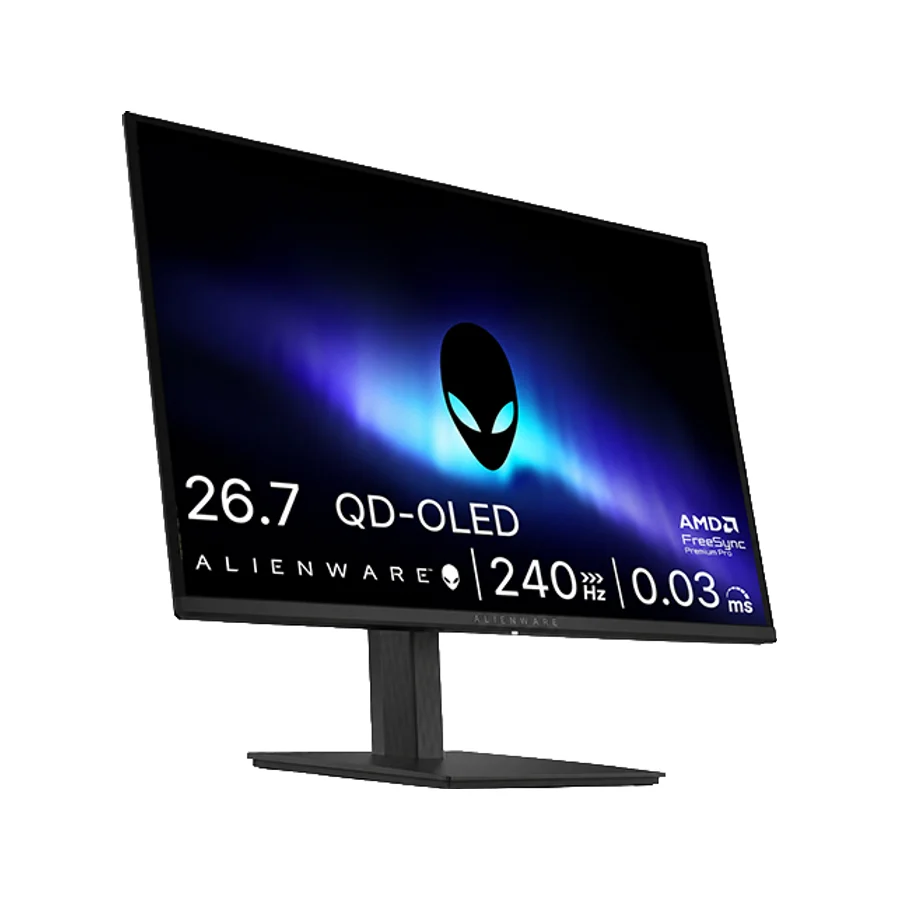 Alienware Alienware AW2726DM Alienware Alienware AW2726DM | 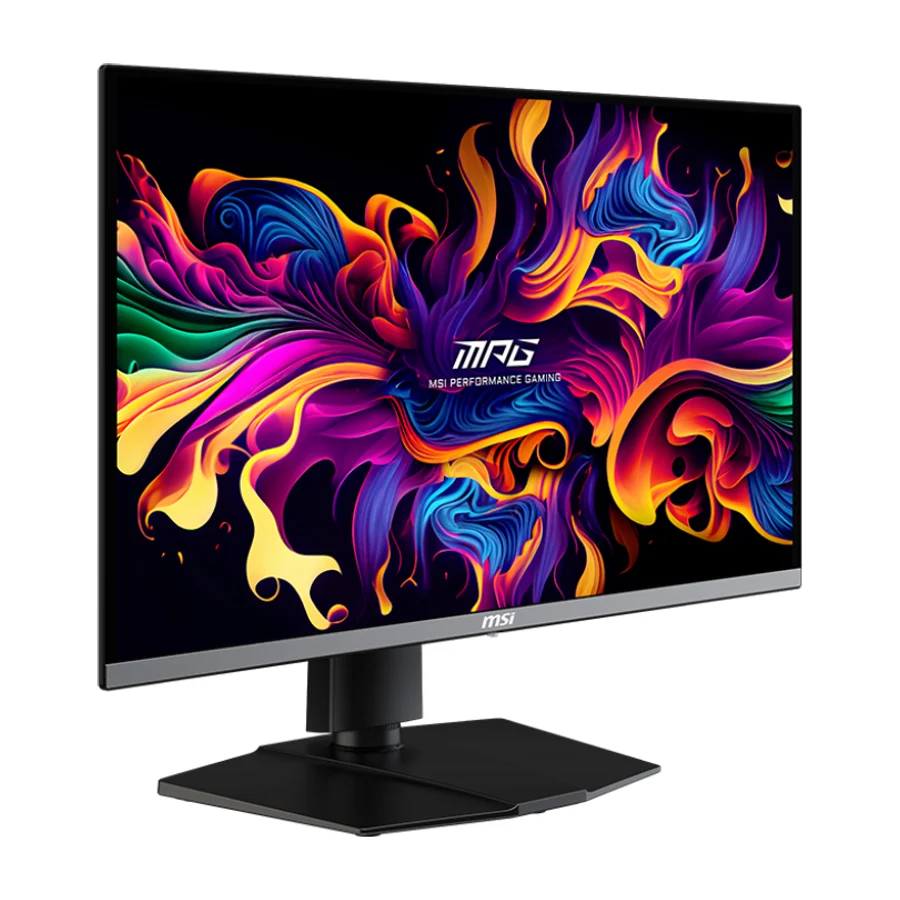 MSI MSI MPG 272URX QD-OLED MSI MSI MPG 272URX QD-OLED | 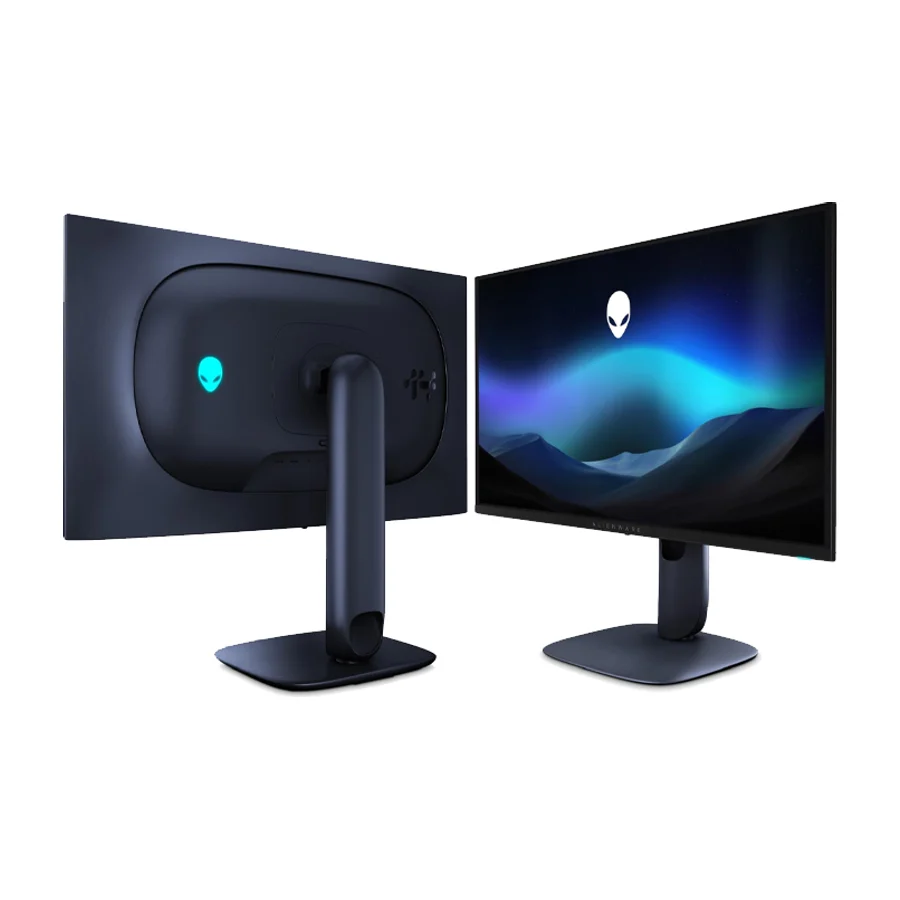 Alienware Alienware AW2725Q Alienware Alienware AW2725Q | 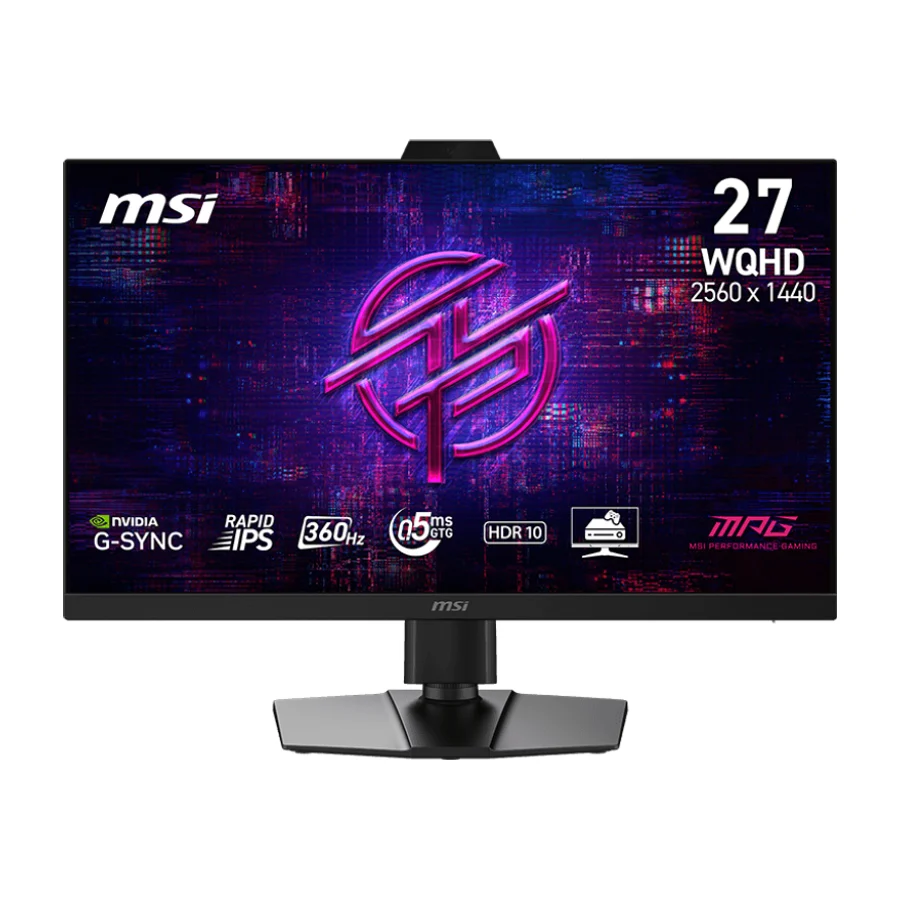 MSI MSI MPG 272QRF X36 MSI MSI MPG 272QRF X36 | 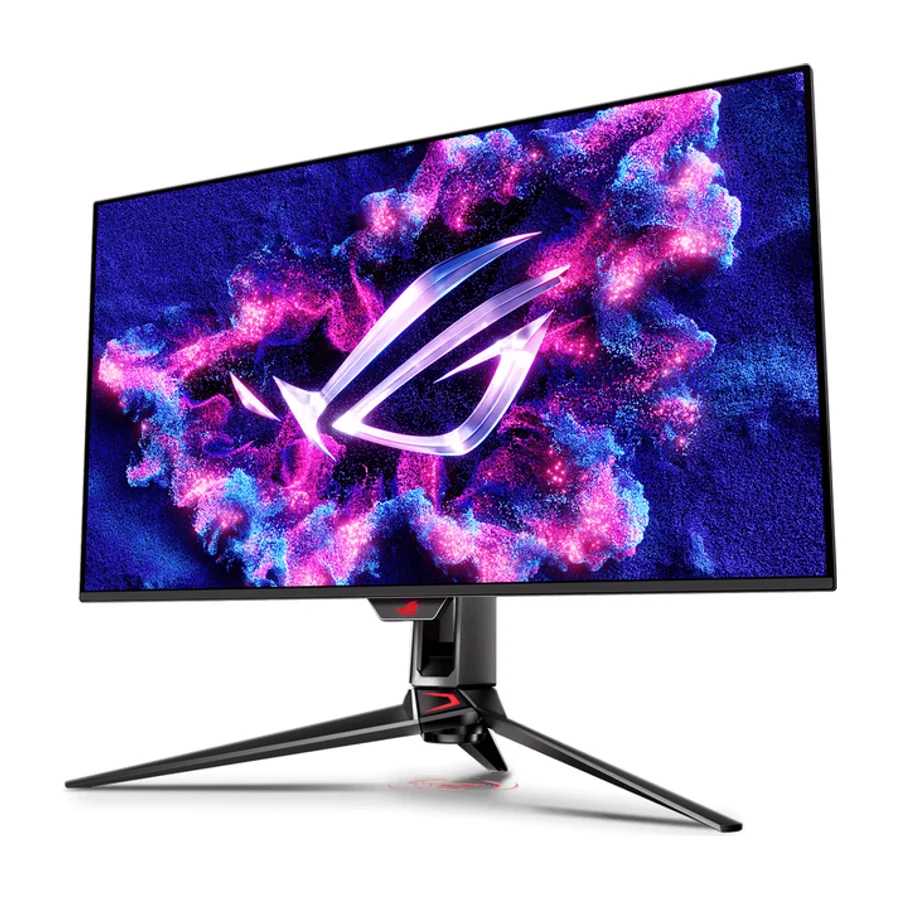 ASUS ASUS ROG Swift OLED PG32UCDM Gen3 ASUS ASUS ROG Swift OLED PG32UCDM Gen3 | 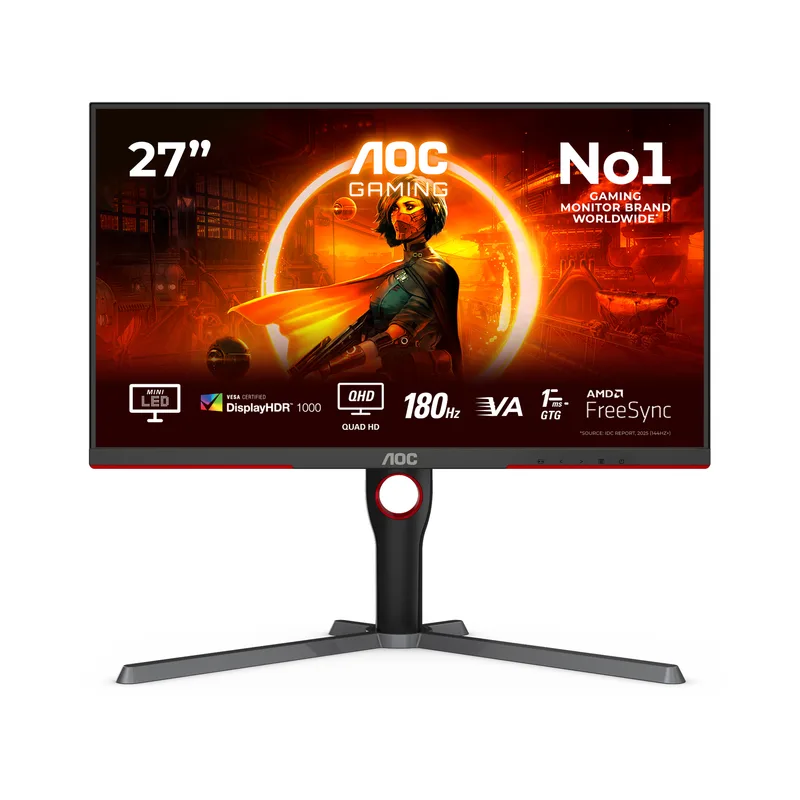 AOC AOC Q27G3XMN AOC AOC Q27G3XMN | 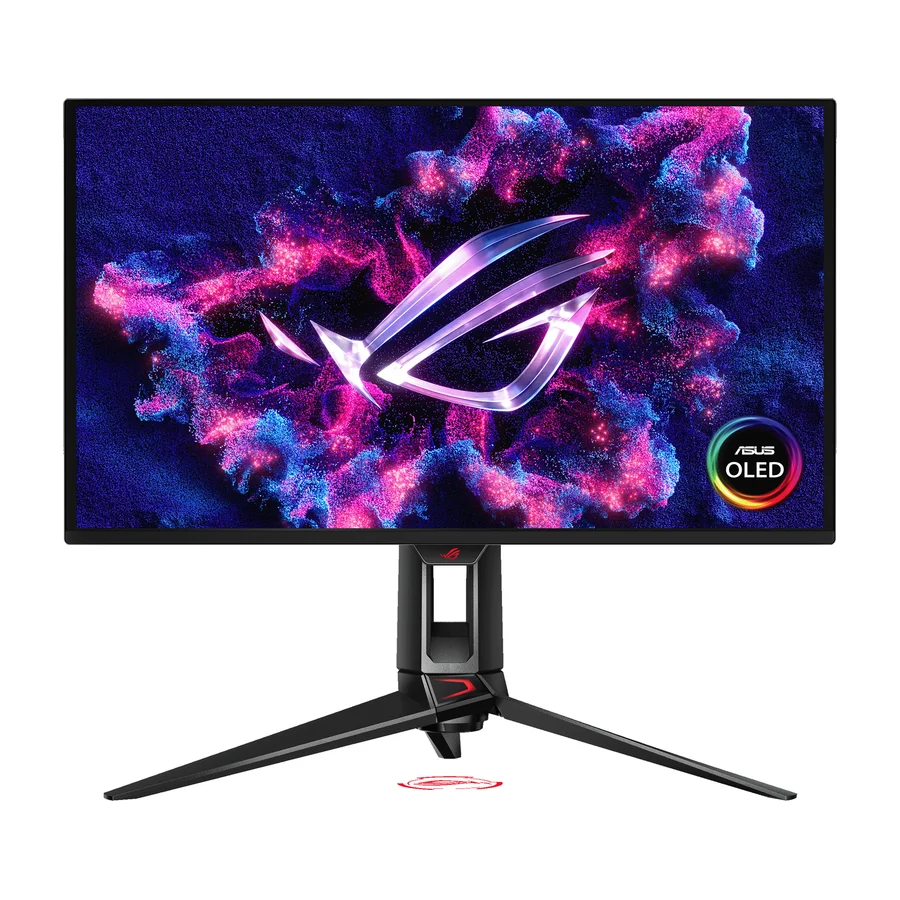 Asus Asus ROG Swift OLED PG27UCDM Asus Asus ROG Swift OLED PG27UCDM | 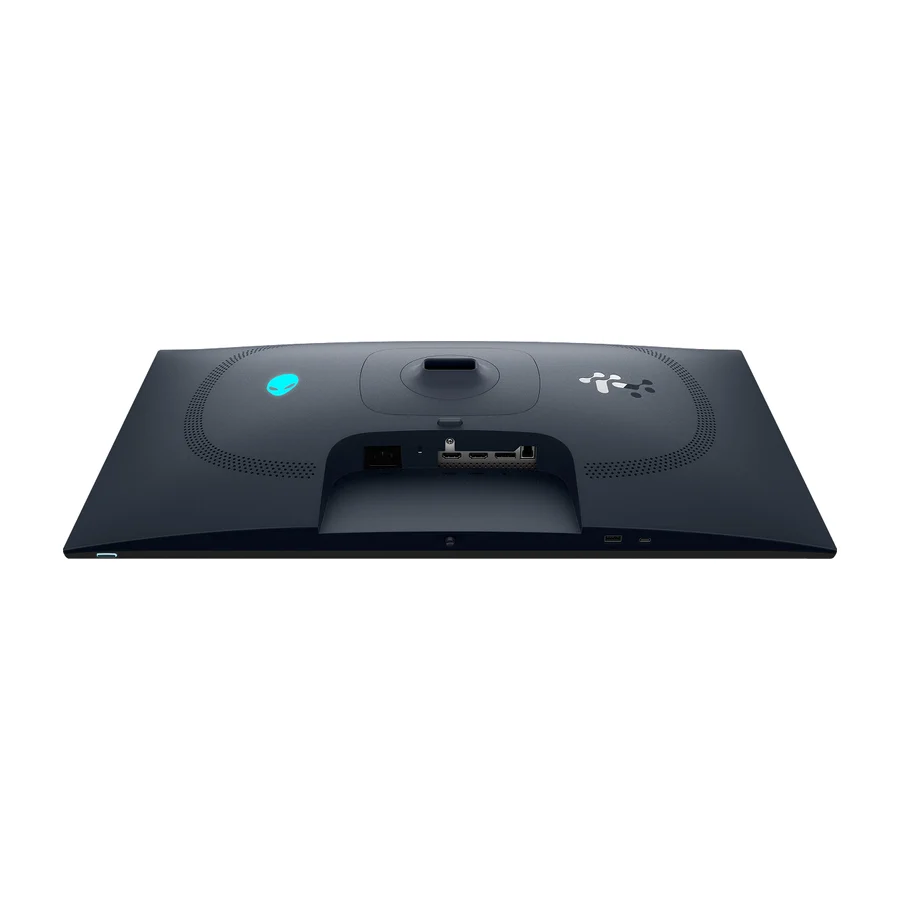 Alienware Alienware AW2725D Alienware Alienware AW2725D | 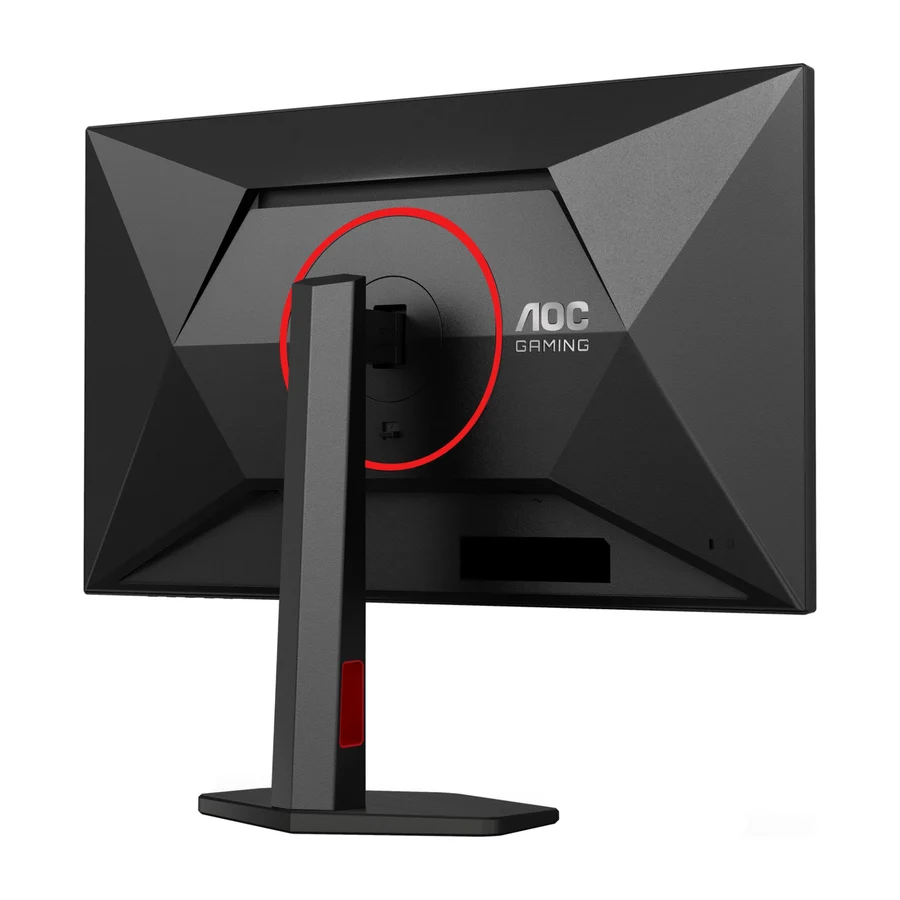 AOC AOC Q27G4ZR AOC AOC Q27G4ZR | 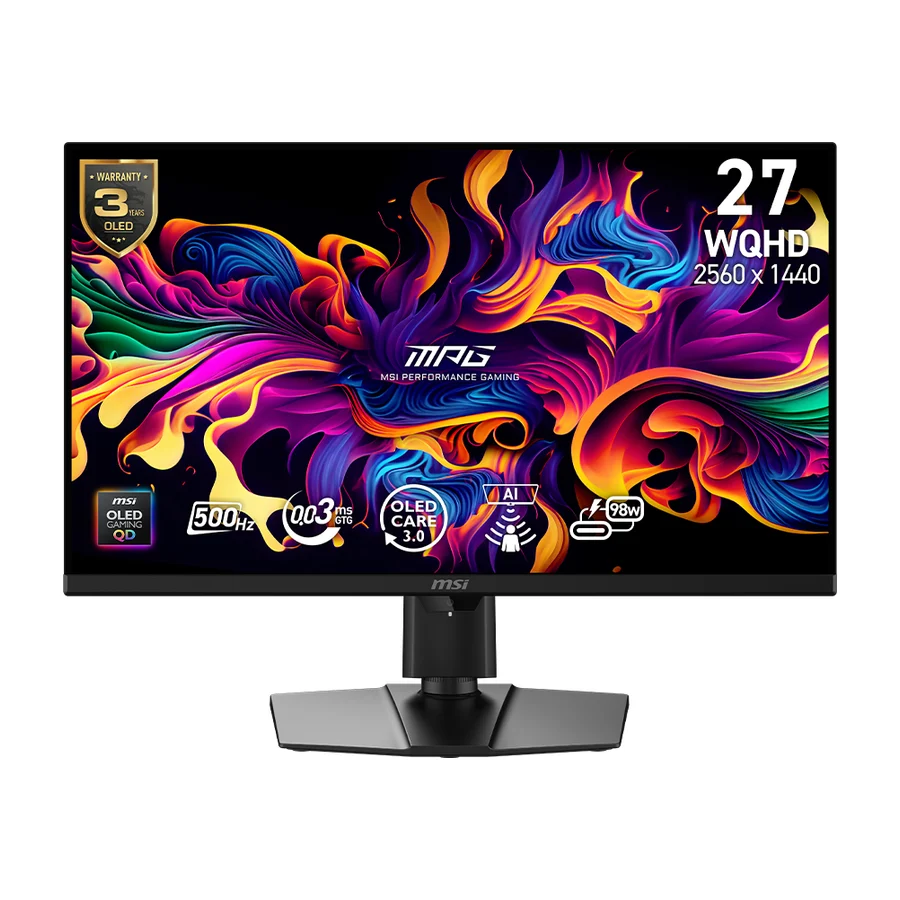 MSI MSI MPG 271QR QD-OLED X50 MSI MSI MPG 271QR QD-OLED X50 |  Asus Asus ROG Strix XG27JCG Asus Asus ROG Strix XG27JCG | 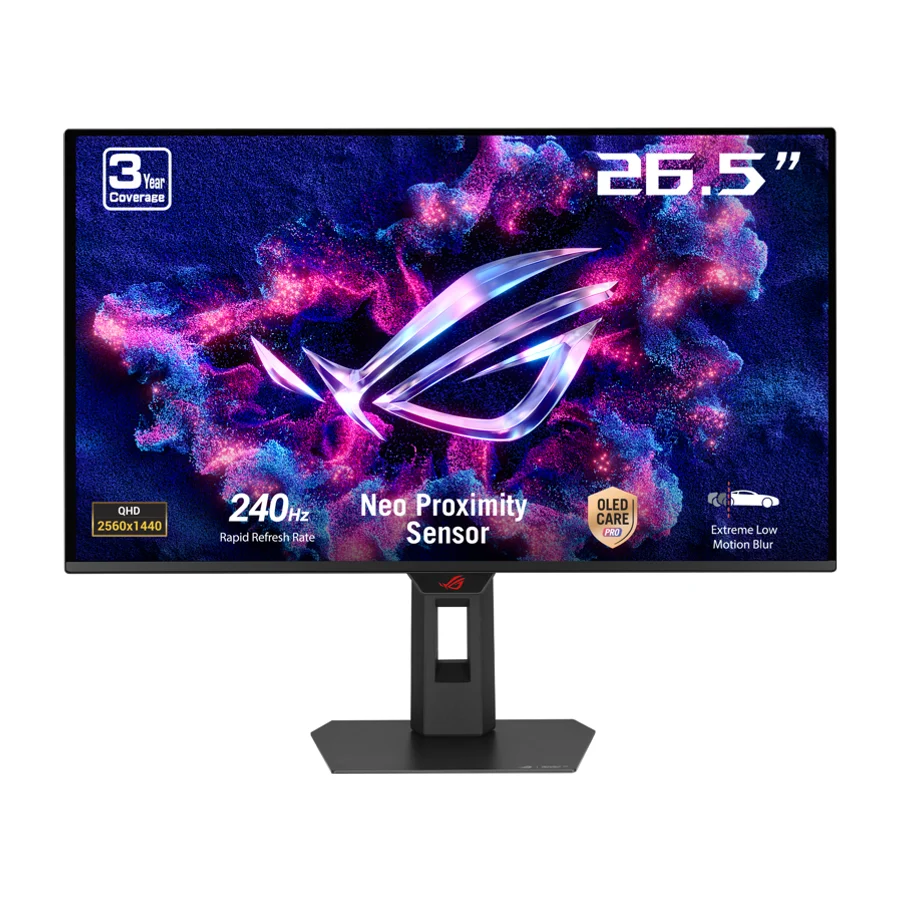 ASUS ASUS ROG Strix OLED XG27AQDMES ASUS ASUS ROG Strix OLED XG27AQDMES | 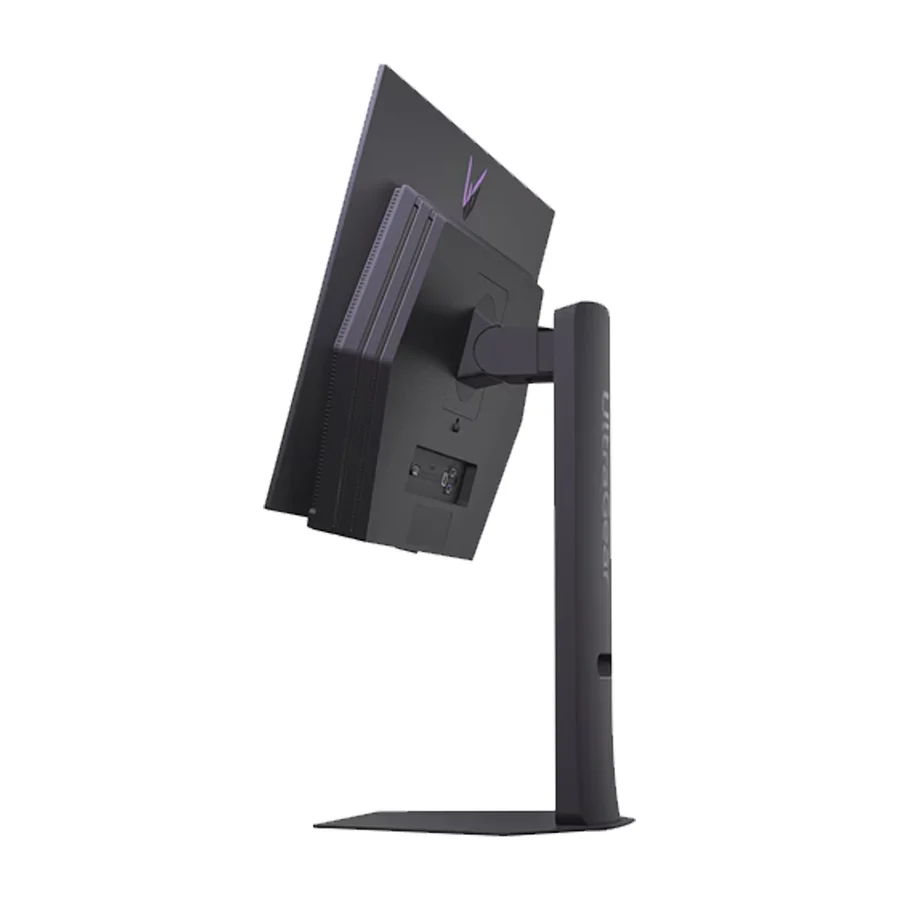 LG LG 27GX700A-B LG LG 27GX700A-B | 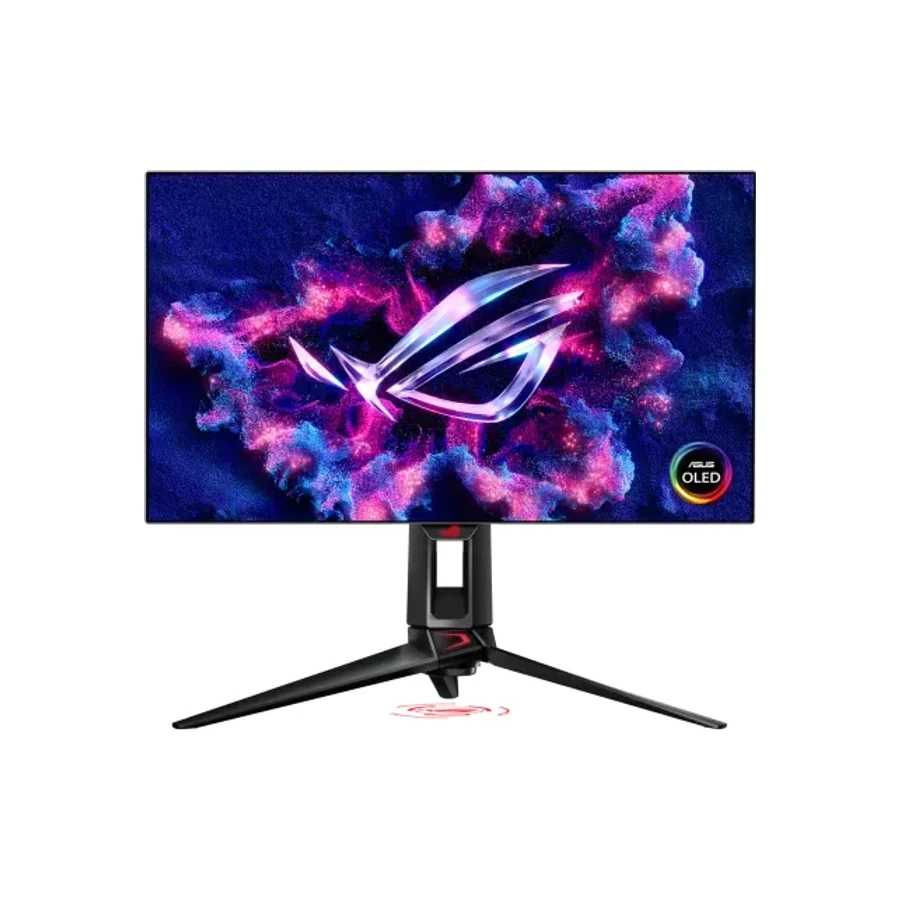 Asus Asus ROG Swift OLED PG27AQDP Asus Asus ROG Swift OLED PG27AQDP | 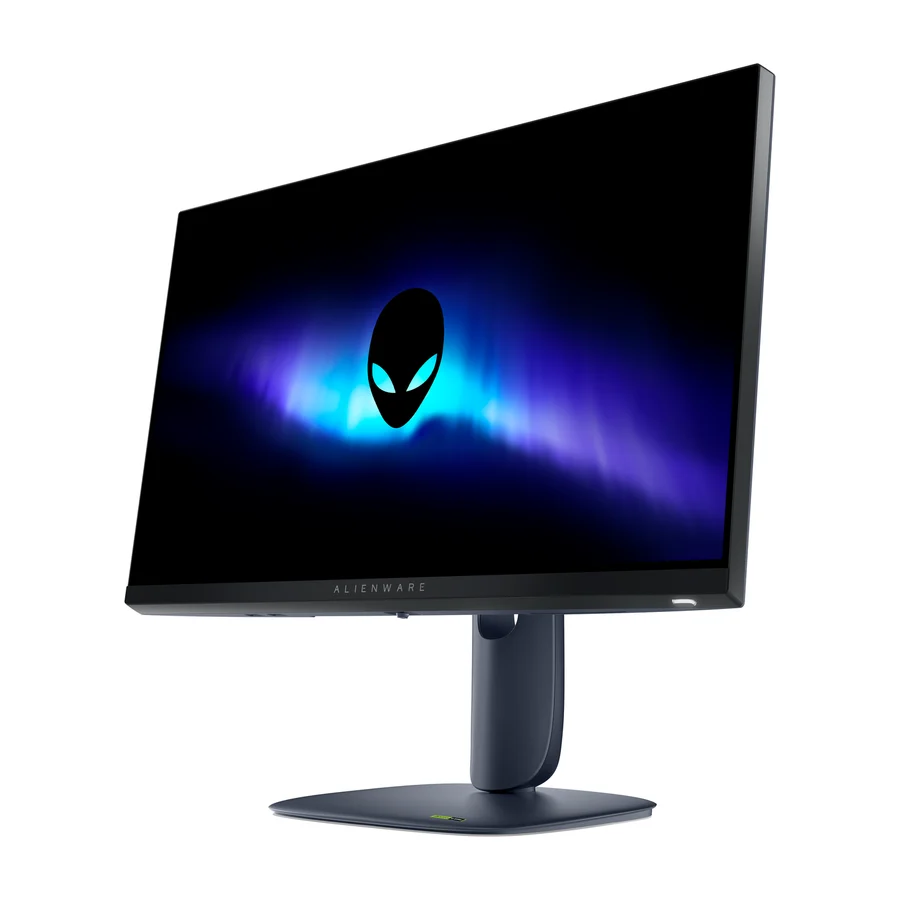 Alienware Alienware AW2525HM Alienware Alienware AW2525HM | 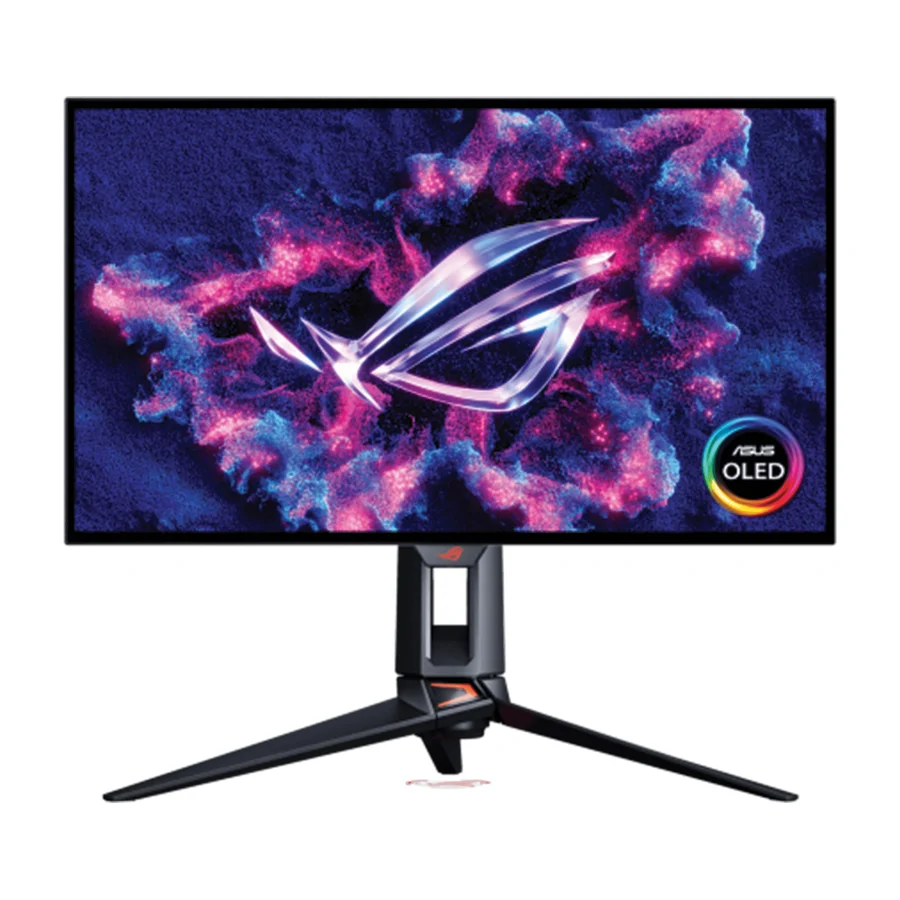 ASUS ASUS ROG Strix OLED XG32UCWMG ASUS ASUS ROG Strix OLED XG32UCWMG | 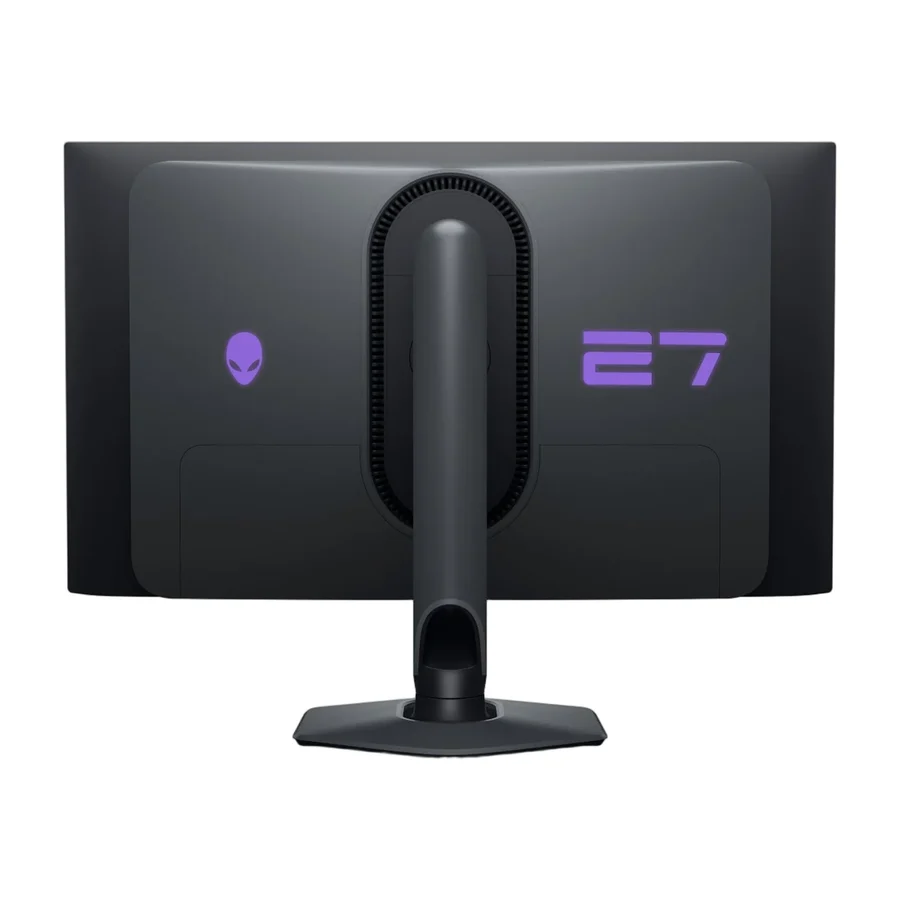 Alienware Alienware AW2725DF Alienware Alienware AW2725DF | 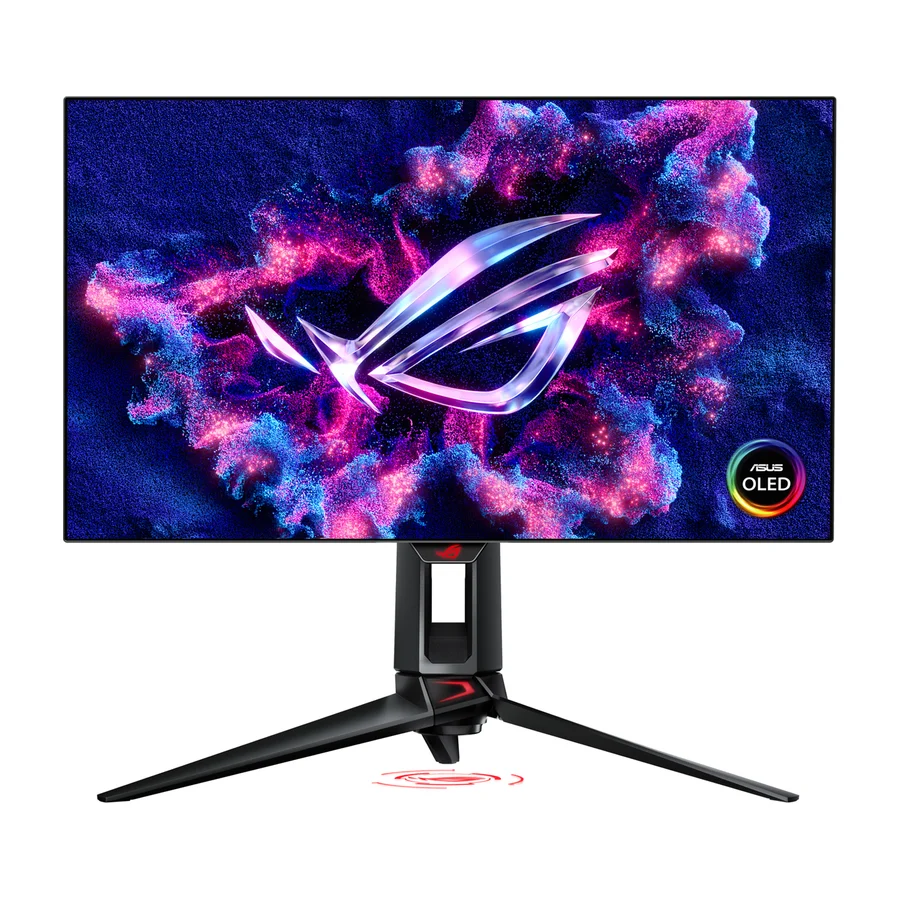 Asus Asus ROG Swift PG27AQDP Asus Asus ROG Swift PG27AQDP |  ASUS ASUS ROG Swift OLED PG34WCDN ASUS ASUS ROG Swift OLED PG34WCDN |  ASUS ASUS ROG Strix XG27AQWMG ASUS ASUS ROG Strix XG27AQWMG | 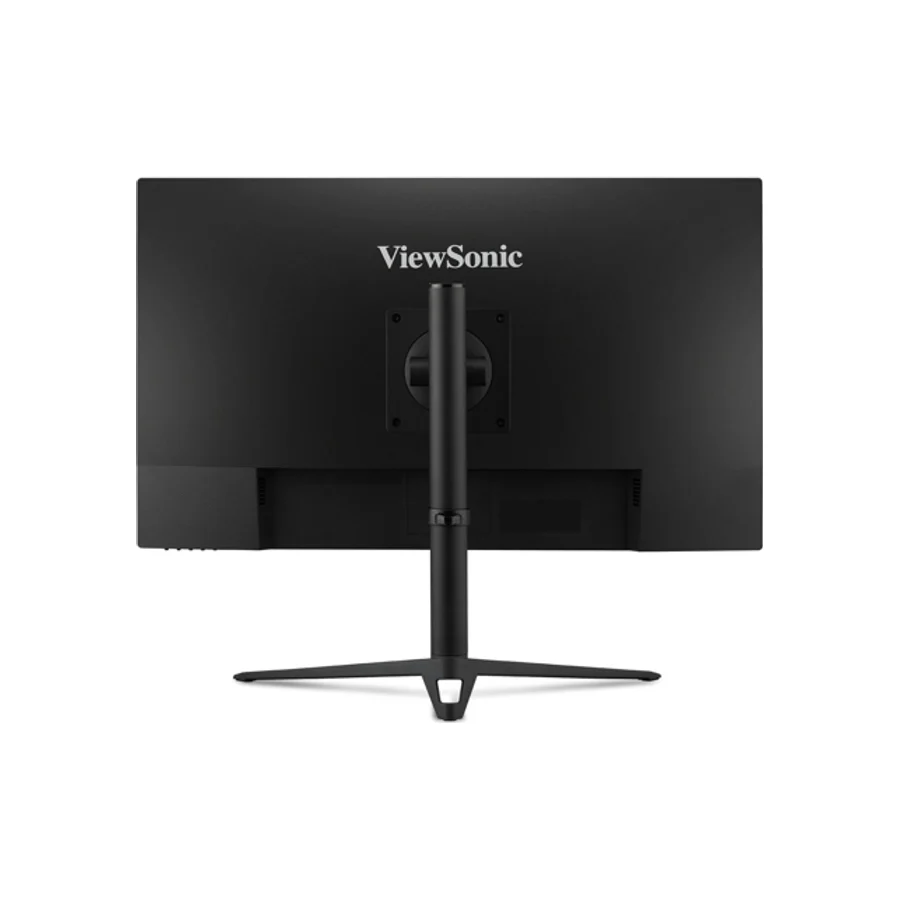 ViewSonic ViewSonic Omni VX2728J-2K ViewSonic ViewSonic Omni VX2728J-2K | 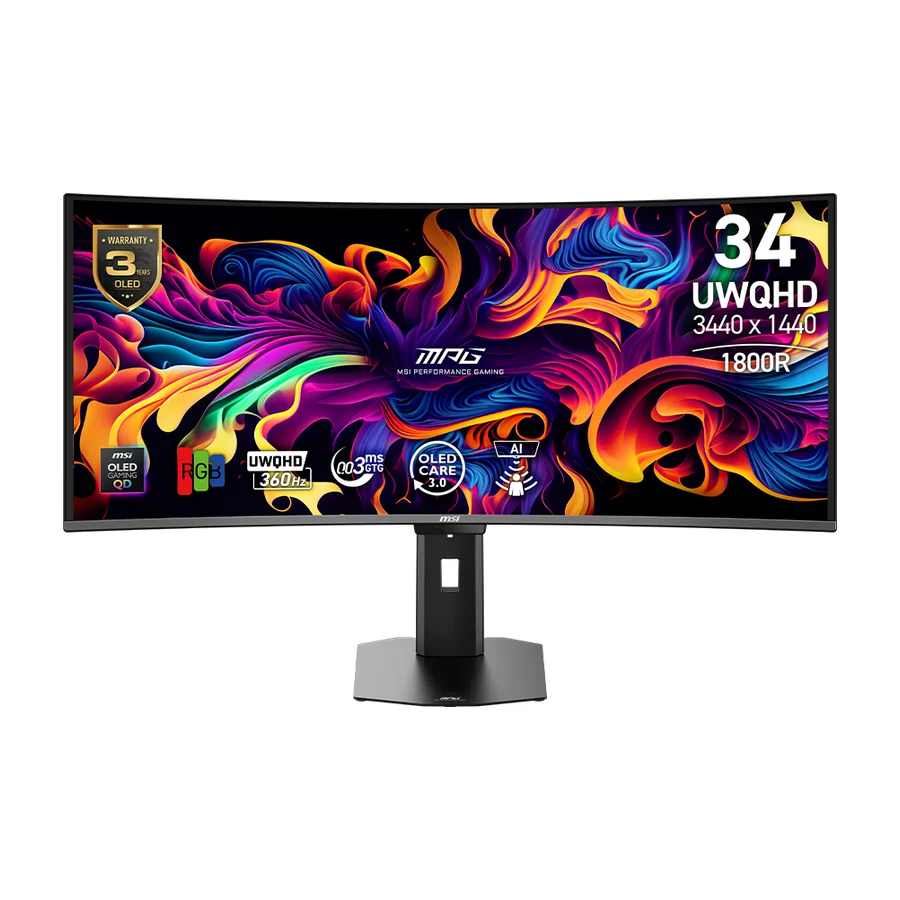 MSI MSI MPG 322UR X24 QD-OLED MSI MSI MPG 322UR X24 QD-OLED | 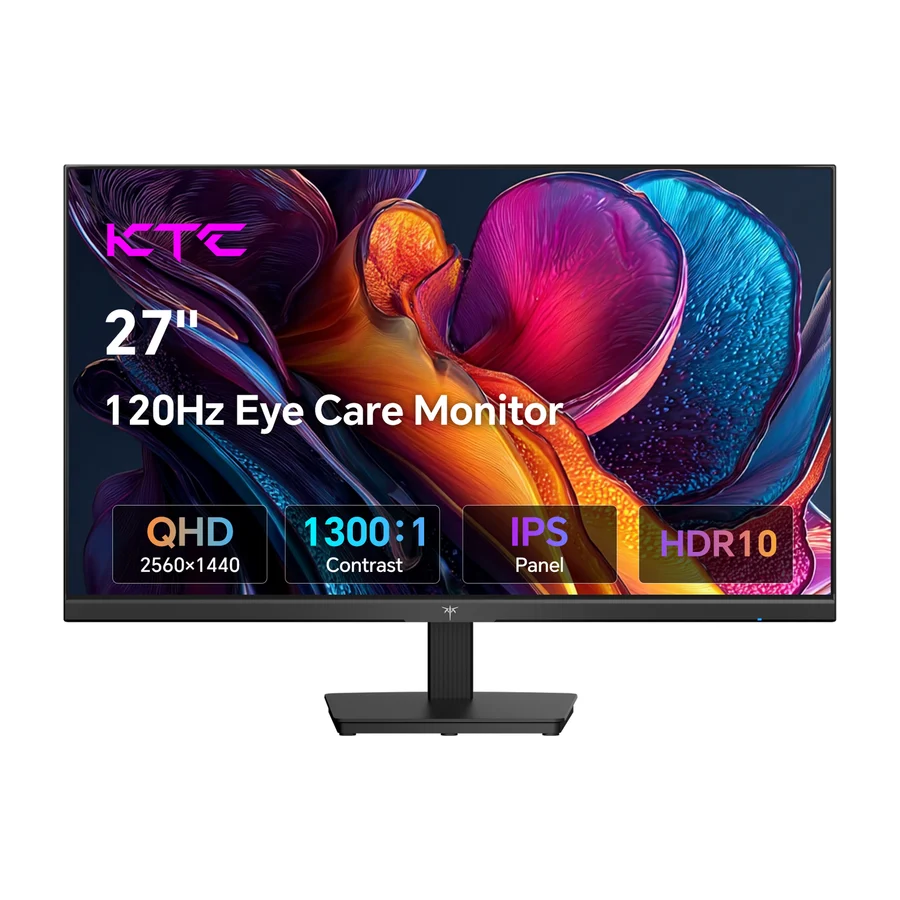 KTC KTC H27T22C-3 KTC KTC H27T22C-3 | 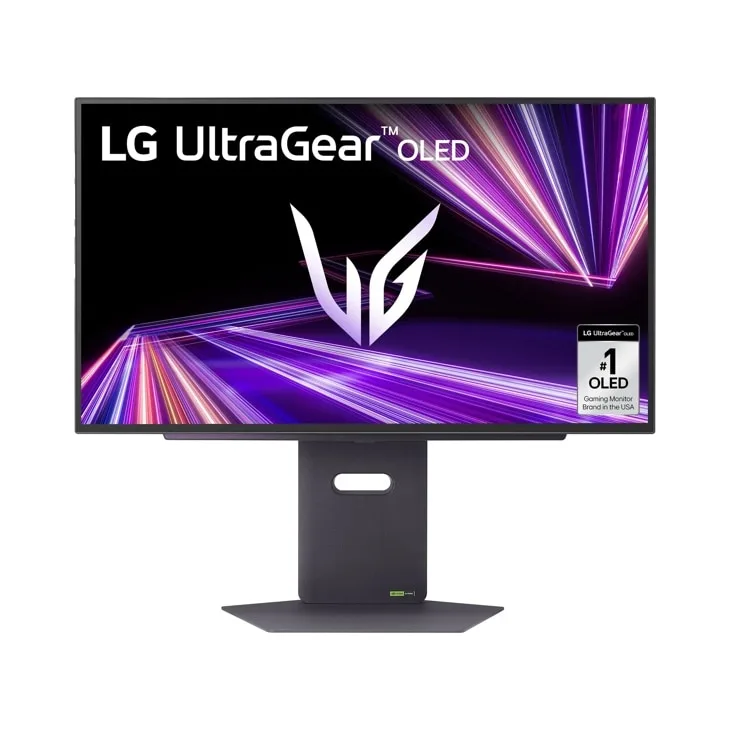 LG LG UltraGear 27GX790A LG LG UltraGear 27GX790A | 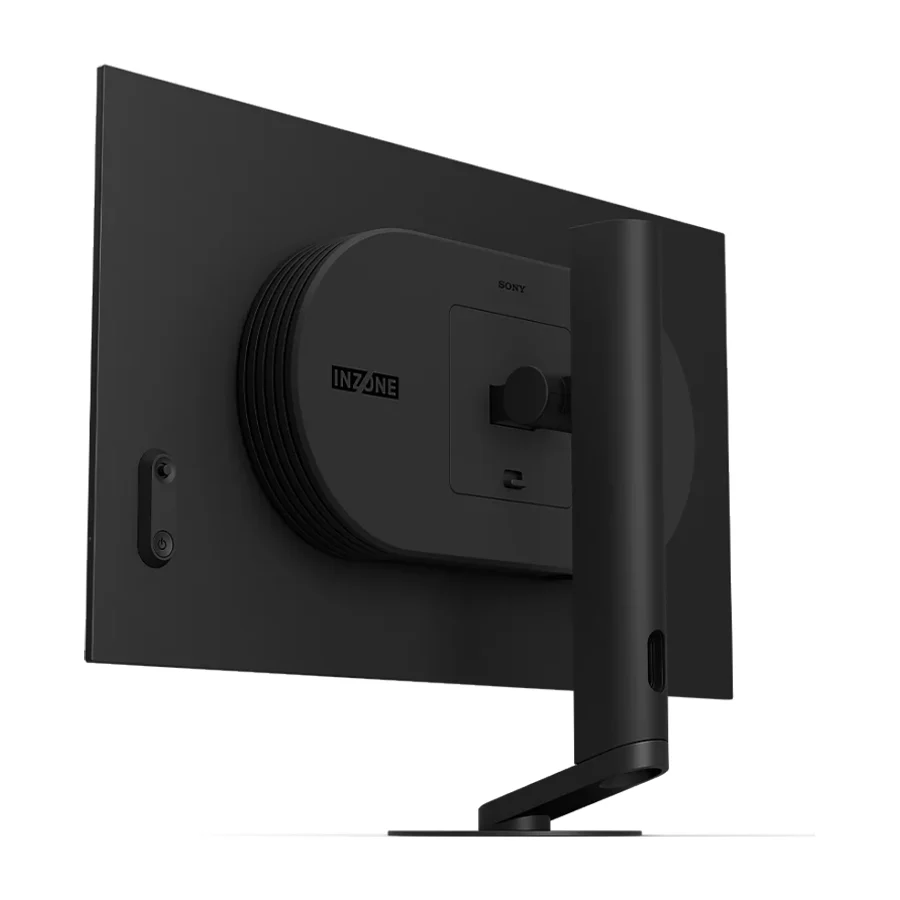 Sony Sony Inzone M10S II Sony Sony Inzone M10S II | 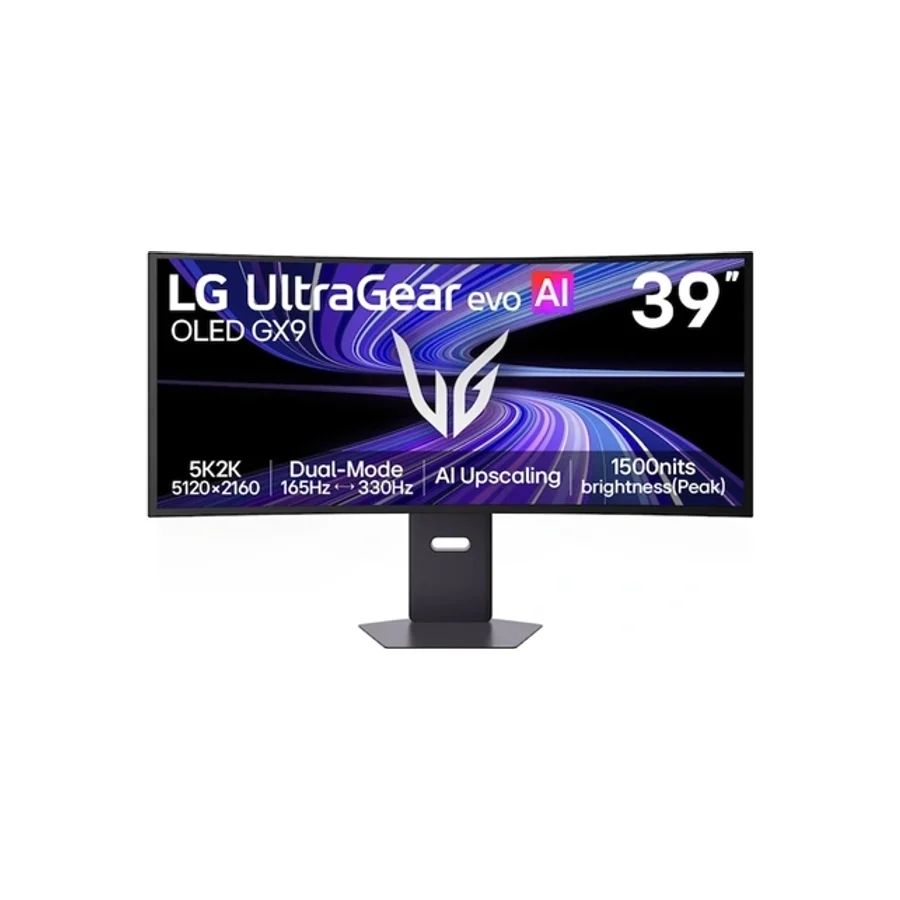 LG LG 39GX950B-B LG LG 39GX950B-B | 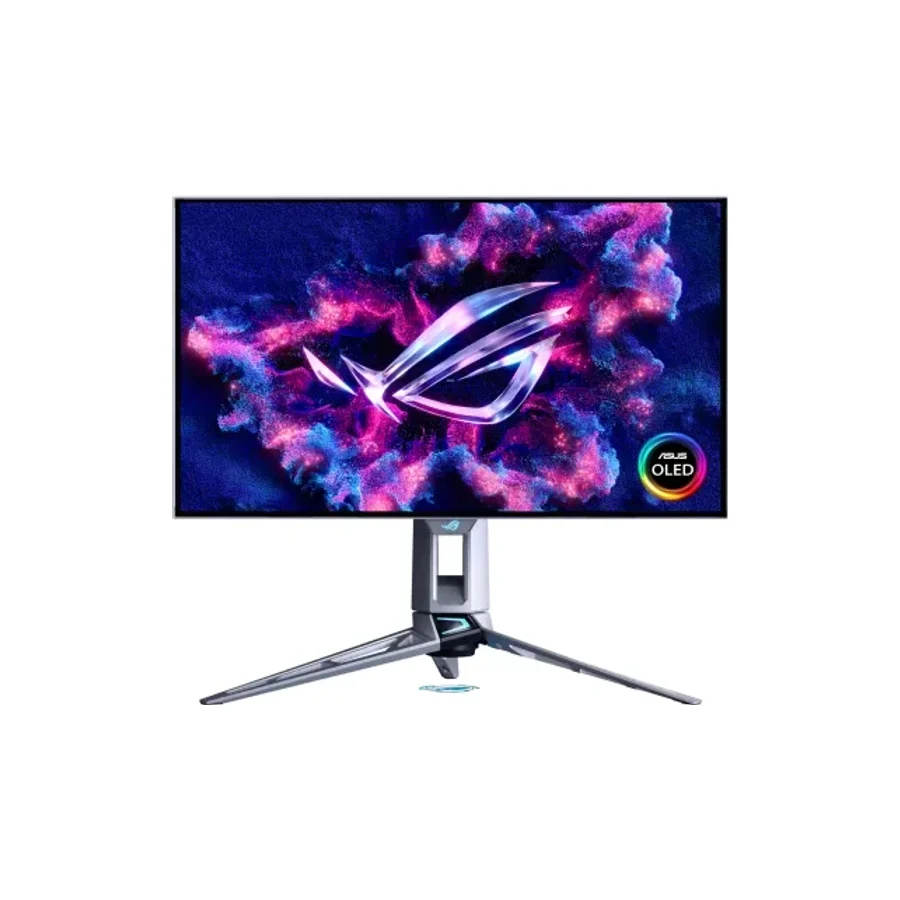 Asus Asus ROG Swift OLED PG27AQWP-W Asus Asus ROG Swift OLED PG27AQWP-W |  Sony Sony InZone M10S Sony Sony InZone M10S | 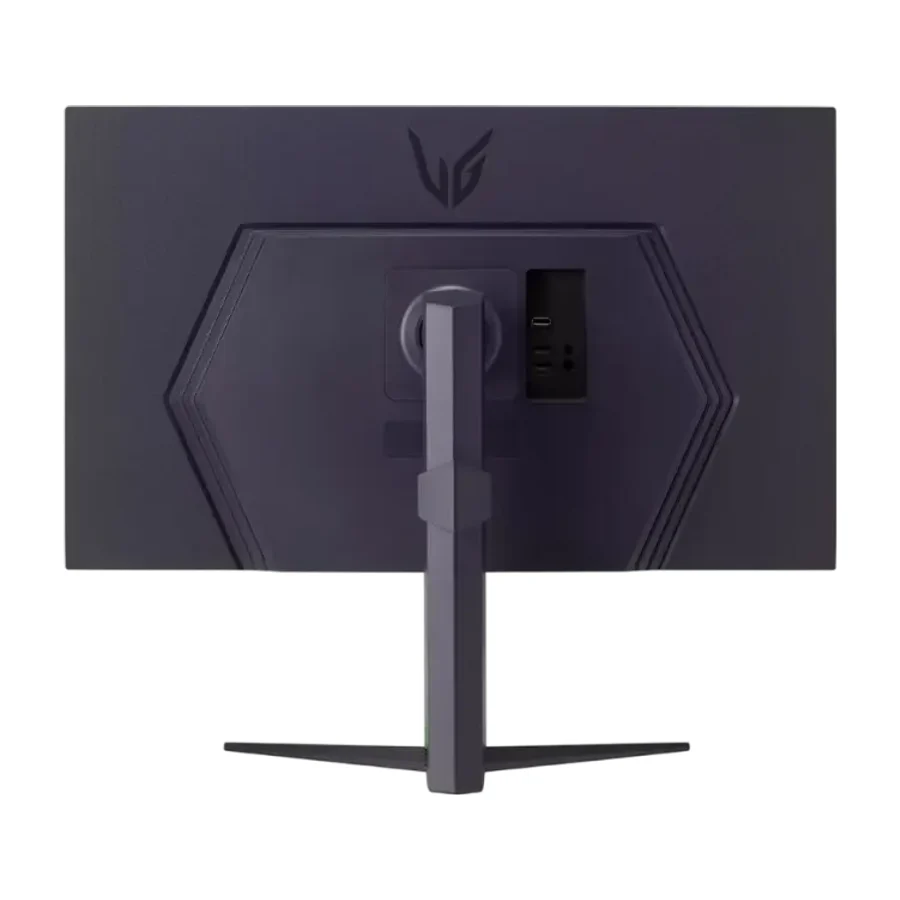 LG LG UltraGear 32GS75Q LG LG UltraGear 32GS75Q | 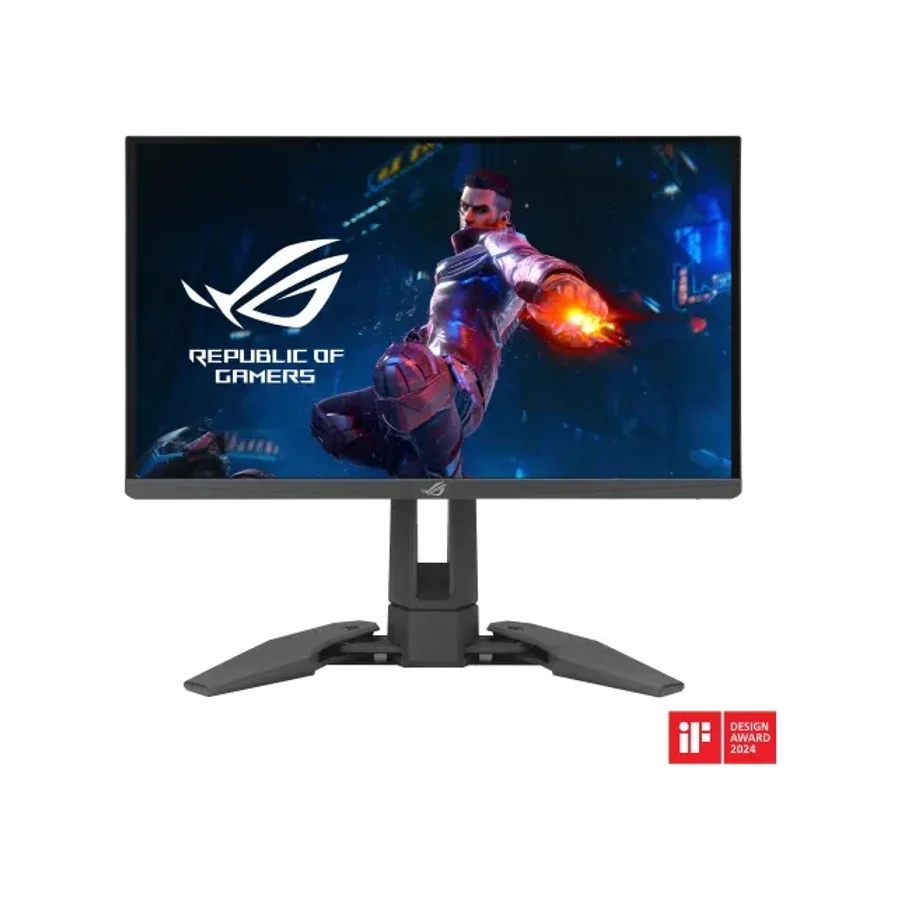 ASUS ASUS ROG Swift Pro PG248QP ASUS ASUS ROG Swift Pro PG248QP |
|---|---|---|---|---|---|---|---|---|---|---|---|---|---|---|---|---|---|---|---|---|---|---|---|---|---|---|---|---|---|---|
| Tier | S | S | A | A | A | A | A | A | B | B | B | B | B | C | C | C | C | C | C | C | C | C | D | D | D | D | D | D | F | F |
| Rank on this board | 1 of 30 | 2 of 30 | 3 of 30 | 4 of 30 | 5 of 30 | 6 of 30 | 7 of 30 | 8 of 30 | 9 of 30 | 10 of 30 | 11 of 30 | 12 of 30 | 13 of 30 | 14 of 30 | 15 of 30 | 16 of 30 | 17 of 30 | 18 of 30 | 19 of 30 | 20 of 30 | 21 of 30 | 22 of 30 | 23 of 30 | 24 of 30 | 25 of 30 | 26 of 30 | 27 of 30 | 28 of 30 | 29 of 30 | 30 of 30 |
| Ladder points | 1302 LP | 869 LP | 729 LP | 729 LP | 709 LP | 682 LP | 678 LP | 649 LP | 594 LP | 569 LP | 536 LP | 517 LP | 507 LP | 496 LP | 446 LP | 439 LP | 439 LP | 430 LP | 420 LP | 390 LP | 389 LP | 367 LP | 355 LP | 332 LP | 303 LP | 271 LP | 271 LP | 258 LP | 183 LP | 164 LP |
| Our verdict | Wirecutter's top pick with a game-changing price-to-quality verdict from Tom's Hardware, and Dell's three-year advanced-exchange service as the safety net. The one green-line community report is a caveat, not a pattern. | A tempting premium OLED, but a poor value buy because its advantages overlap with better-supported alternatives and the OLED compromises remain. | The 4K OLED specification is appealing, but its value gap versus the AW2725D is difficult to defend for most gaming. It makes sense mainly when 4K at this exact size is essential. | Wirecutter's upgrade pick, meaning it survived months of re-testing, on MSI's mature MPG firmware platform. A safe long-term hold at the upper mid-range. | RTINGS' best-tested gaming monitor, on Asus's most mature OLED platform with a multi-year burn-in warranty behind it. The complete ownership package: performance, build and backing. | RTINGS' best budget gaming monitor outright. The 27-inch 1440p panel offers picture quality most budget displays cannot match, delivering most of the experience for a fraction of the cost. | RTINGS' best-27-inch verdict makes this an easy performance recommendation. It ranks below the newer and more versatile OLED choices because its ownership advantages are less clear. | PCMag's value-to-beat in 1440p gaming monitors, its conventional high-refresh design and Dell support ecosystem make it a better years-long bet than several technically superior OLED displays. | This is the better pure-speed budget option, with QHD resolution and a 240Hz IPS panel. It ranks just behind the AOC Q27G3XMN because its value advantage is mainly motion performance rather than overall image quality. | Four specialist outlets independently call it best-in-class or formidable. The consensus darling of the 500Hz tier. | Wirecutter's standing high-resolution pick from a bench that re-tests over time. A dependable Strix-line ownership proposition. | Genuine QD-OLED quality and Asus support at the entry of the range, with strong independent scores from Basic Tutorials and Vivid Repairs. The most OLED-per-dollar durable buy here. | A mature, second-year Tandem OLED with excellent owner feedback and LG's stable UltraGear firmware lineage. A good buy, just with thinner independent long-term testing than the picks above it. | Tom's Hardware's overall top pick, the high-refresh OLED that balances everything. Just behind the two models with wider multi-outlet consensus. | Awarded by PCMag, praised by PC Gamer and Tom's Guide, and loved by owners. An IPS panel with no burn-in question and Dell service behind it, limited only by its 1080p ceiling. | RTINGS calls it incredible for PC gaming and GamingTrend confirms the build quality. Dual-mode flexibility plus Asus warranty coverage makes it a strong multi-year buy. | Its 360Hz QD-OLED configuration and consensus-style esports recommendation make it a serious competitive-gaming choice. It ranks below the broader testing consensus leaders because only one retrieved outlet directly evaluates it. | Tom's Hardware's overall top pick on the proven ROG Swift chassis. A 480Hz OLED driven on a conservative, well-supported platform ages well. | RTINGS' top curved gaming choice, but its ultrawide specialization and OLED risk make it a less safe general recommendation. | Its brighter Tandem OLED panel improves versatility, glare handling, and highlight visibility, but the premium is harder to justify than simpler 1440p OLED choices. | PCMag's current favorite budget gaming monitor. A 1440p high-refresh panel that tops their cheap gaming monitor roundup, making it the obvious choice for buyers seeking more resolution than 1080p without paying OLED prices. | PC Gamer's best-tested monitor of the year with a stunning, snappy OLED panel. Slightly behind the Asus flagships only because its long-term service track record is shorter. | A budget brand whose own blog flags the thermal and engineering risks this lens ranks on, with unproven service and firmware support. The XG27AQDMES ends the value argument. | A strong current high-refresh OLED, though the available evidence gives less confidence about long-term support and firmware longevity. | Well reviewed but ruthlessly niche. TechRadar calls it perfect for competitive play with its 540 Hz refresh and tournament-ready software, and Tom's Hardware praises the sharp matte OLED image and flexible refresh modes up to 720 Hz. But GamesRadar notes it is explicitly aimed at competitive core FPS players and is absolutely not a general-purpose or console monitor. | Genuinely superb hardware that expert reviewers admire and then refuse to recommend, PC Gamer calling a strong buy 'impossible.' It beats the weak picks on panel but loses on the only verdict that counts here. Buy the PG32UCDM Gen3 instead. | Its 540Hz OLED performance is extraordinary, but the audience that can exploit it is small. Buy Asus ROG Swift OLED PG27AQDP for a much more balanced high-refresh OLED experience. | A narrow OLED esports proposition with no exact-model verdict in the supplied evidence. Choose Alienware AW2726DM for safer ownership or Asus ROG Swift OLED PG27AQDP for serious competitive play. | A decent 180Hz IPS that is merely competent next to today's OLEDs, and only marginally better than the G5 it is compared against. The XG27AQDMES is the better long-term buy. | It is superb for a narrow esports use case, but the TN panel and limited general-purpose appeal make it a poor mainstream recommendation. Buy Alienware AW2726DM or AOC Q27G4ZR instead. |
| What reviewers rate |
|
|
|
|
|
|
|
|
|
|
|
|
|
|
|
|
|
|
|
|
|
|
|
|
|
|
|
|
|
|
| Where it falls short |
|
|
|
|
|
|
|
|
|
|
|
|
|
|
|
|
|
|
|
|
|
|
|
|
|
|
|
|
|
|
| Evidence behind it | 41 sources across 35 outlets | 39 sources across 34 outlets | 39 sources across 32 outlets | 27 sources across 21 outlets | 9 sources across 9 outlets | 45 sources across 41 outlets | 33 sources across 24 outlets | 28 sources across 22 outlets | 13 sources across 12 outlets | 22 sources across 17 outlets | 36 sources across 29 outlets | 5 sources across 5 outlets | 20 sources across 15 outlets | 20 sources across 20 outlets | 9 sources across 7 outlets | 50 sources across 36 outlets | 67 sources across 63 outlets | 16 sources across 15 outlets | 31 sources across 29 outlets | 27 sources across 18 outlets | 13 sources across 11 outlets | 32 sources across 20 outlets | 10 sources across 8 outlets | 16 sources across 15 outlets | 9 sources across 8 outlets | 24 sources across 22 outlets | 34 sources across 29 outlets | 43 sources across 38 outlets | 10 sources across 8 outlets | 14 sources across 14 outlets |
| Flagged as one to avoid | Not flagged | 1 of 10 research runs | 2 of 10 research runs | Not flagged | Not flagged | Not flagged | 1 of 12 research runs | Not flagged | Not flagged | Not flagged | Not flagged | Not flagged | Not flagged | 1 of 14 research runs | Not flagged | Not flagged | 1 of 3 research runs | 1 of 2 research runs | Not flagged | Not flagged | Not flagged | Not flagged | 2 of 3 research runs | 1 of 10 research runs | 1 of 2 research runs | 2 of 5 research runs | 3 of 6 research runs | 2 of 9 research runs | 1 of 2 research runs | 1 of 2 research runs |
| Announced | Jul 2026 | Not recorded | Mar 2025 | Not recorded | Jan 2026 | Not recorded | Jan 2025 | Mar 2025 | Not recorded | Not recorded | Apr 2026 | Mar 2026 | Not recorded | Aug 2024 | Mar 2025 | Aug 2025 | Not recorded | Not recorded | Jan 2026 | Nov 2025 | Oct 2023 | Not recorded | Not recorded | Nov 2024 | Not recorded | Not recorded | Nov 2025 | Not recorded | Not recorded | Oct 2023 |
| Where to buy | Check it | Check it | Check it | Check it | Check it | Check it | Check it | Check it | Check it | Check it | Check it | Check it | Check it | Check it | Check it | Check it | Check it | Check it | Check it | Check it | Check it | Check it | Check it | Check it | Check it | Check it | Check it | Check it | Check it | Check it |
Every column is the same research that built the board. Nothing here is a specification sheet copied from a maker. Read how we rank for what a tier and a ladder point mean.