Best Bookshelf Speakers
31 products ranked across 855 cited reviews, videos and discussions · Updated 10 Sept 2026
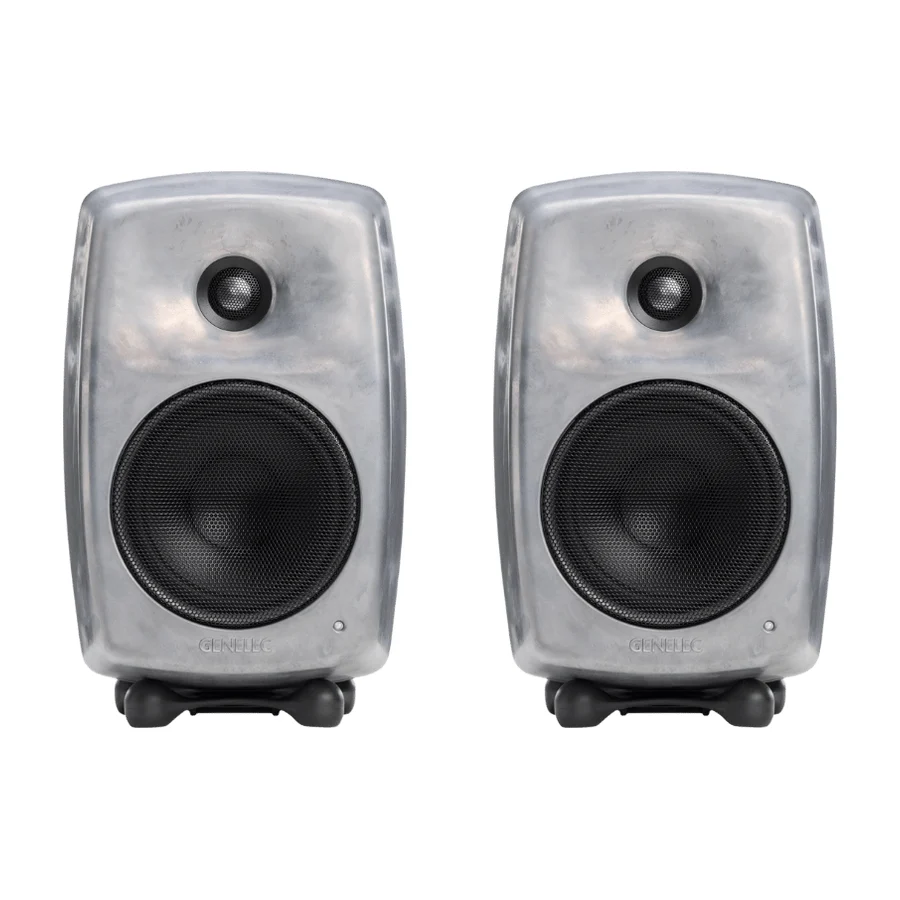
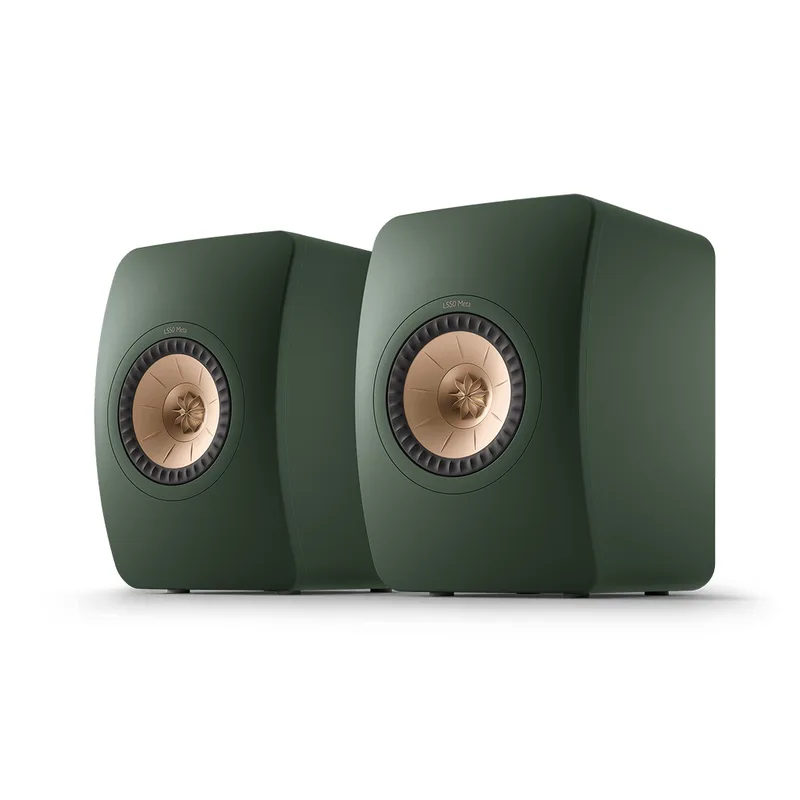
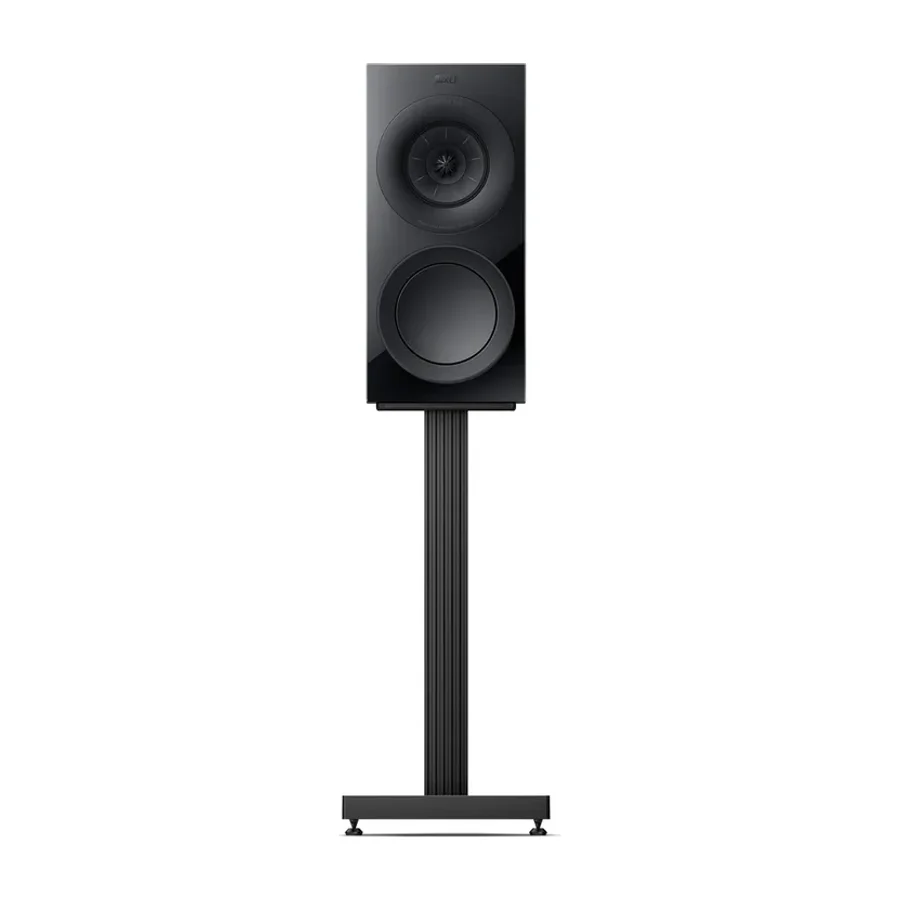
On the stierproducts bookshelf speakers board, Genelec 8030C ranks #1 in S tier, ahead of KEF LS50 Meta (#2, A tier) and KEF R3 Meta (#3, A tier). The board ranks 31 bookshelf speakers from S (best) to F (avoid), last researched 10 Sept 2026, drawing on 855 cited reviews, videos and discussions. Placed in the bottom tiers as ones to avoid: Bowers & Wilkins 805 D4, Polk Audio Signature Elite ES20, Wharfedale Super Denton, and 9 others.
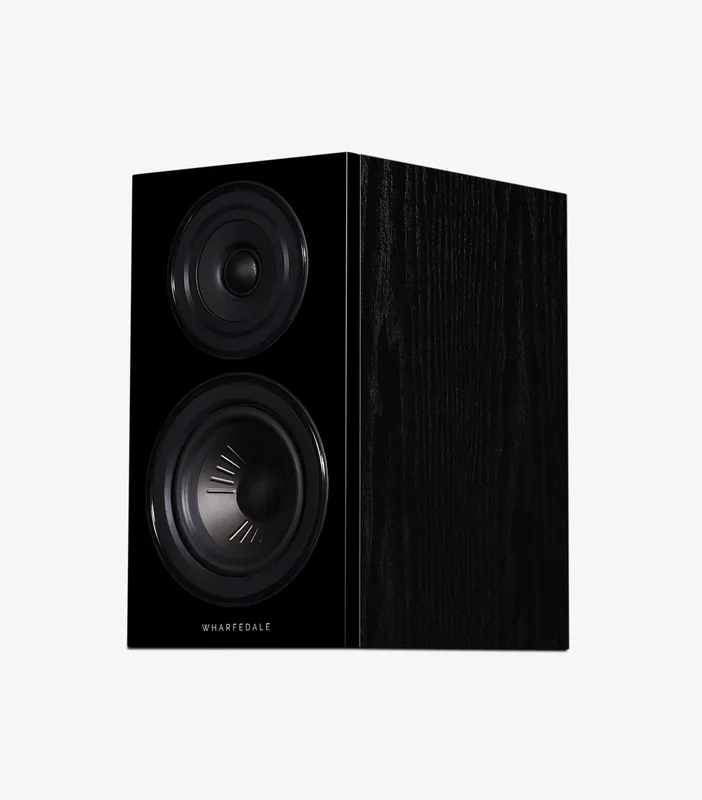
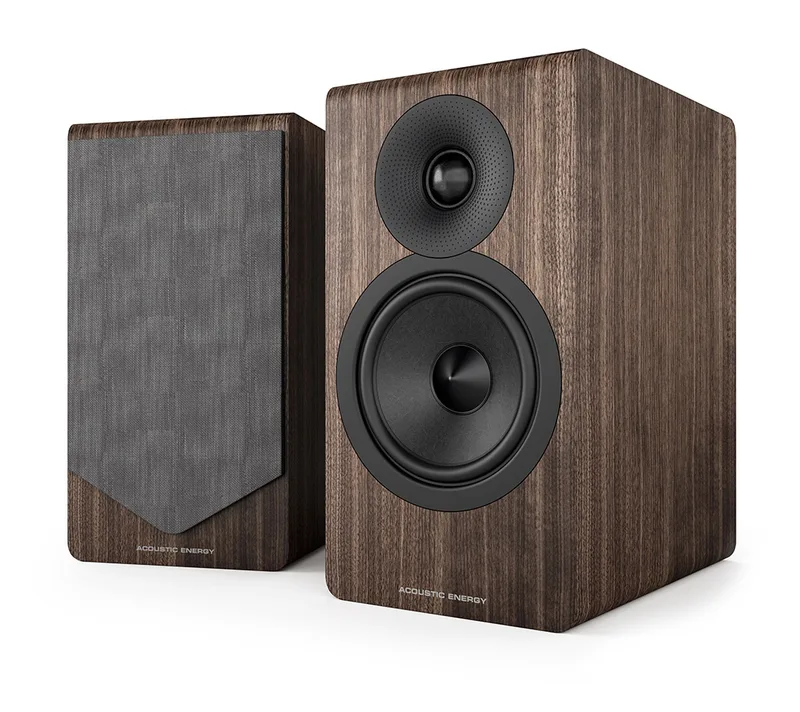 Moved up from C to B on 10 Sept 2026 #6
 Acoustic Energy AE300 Mk2
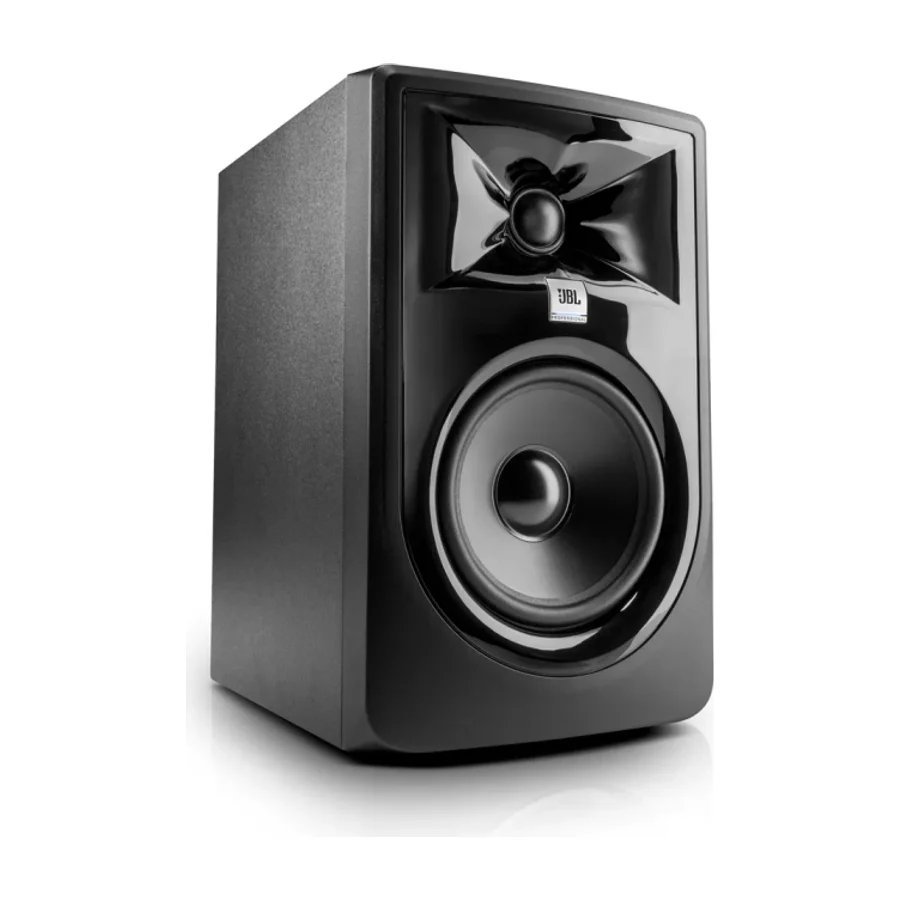 #7
#7 JBL 305P MkII
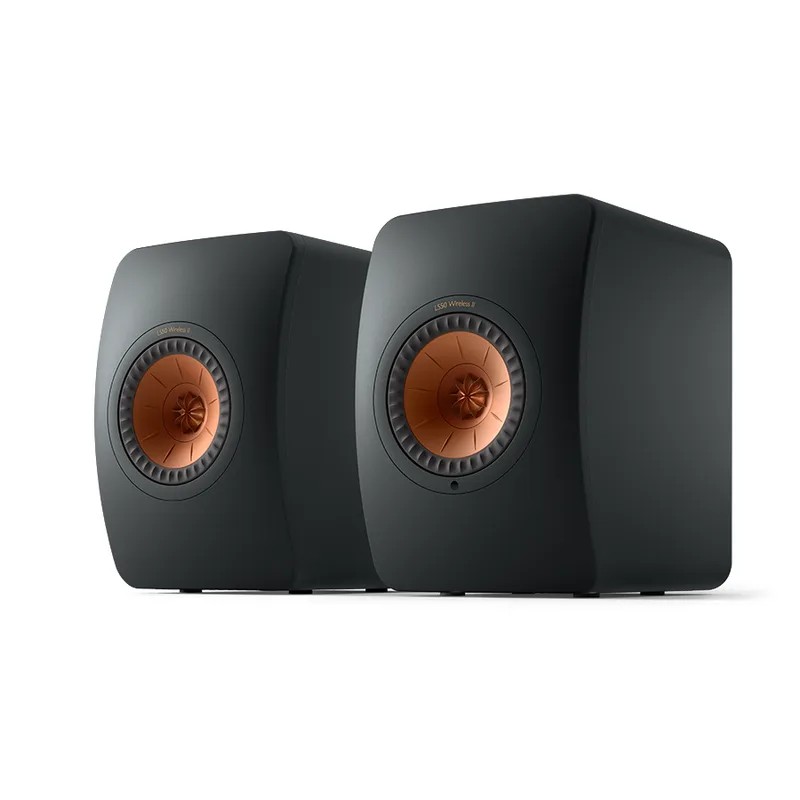 #8 2 of 8 research runs entered this as a product to avoid rather than a pick.
 KEF LS50 Wireless II
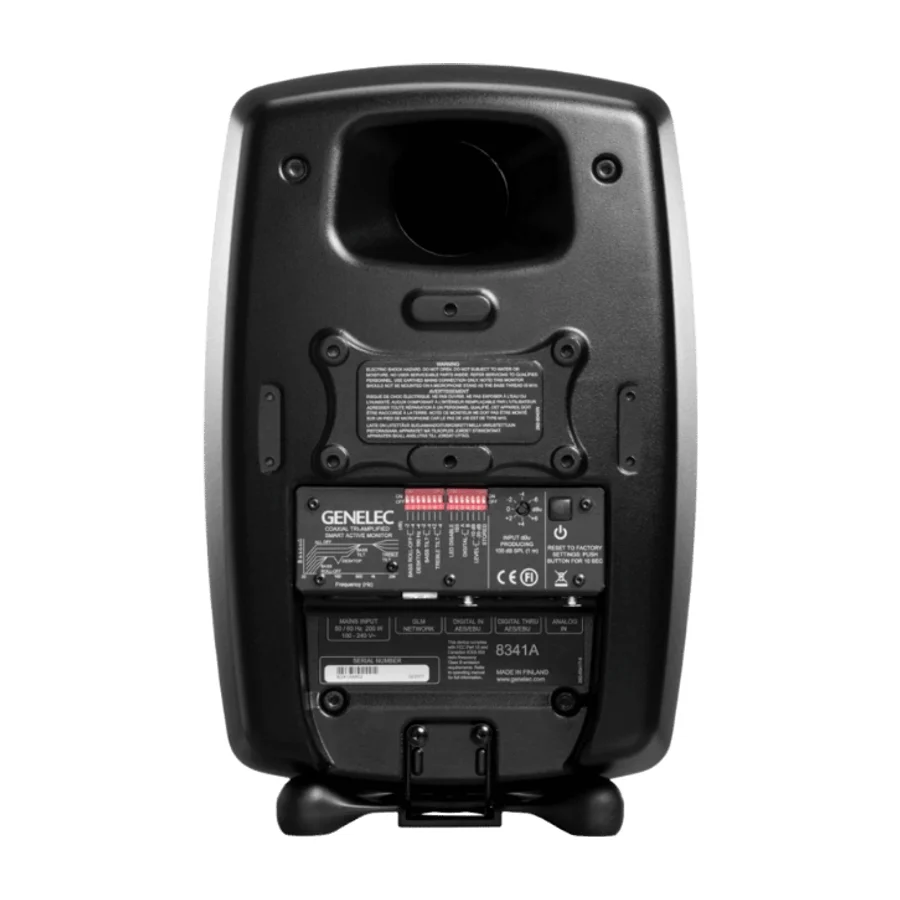 #9
#9 Genelec 8341A
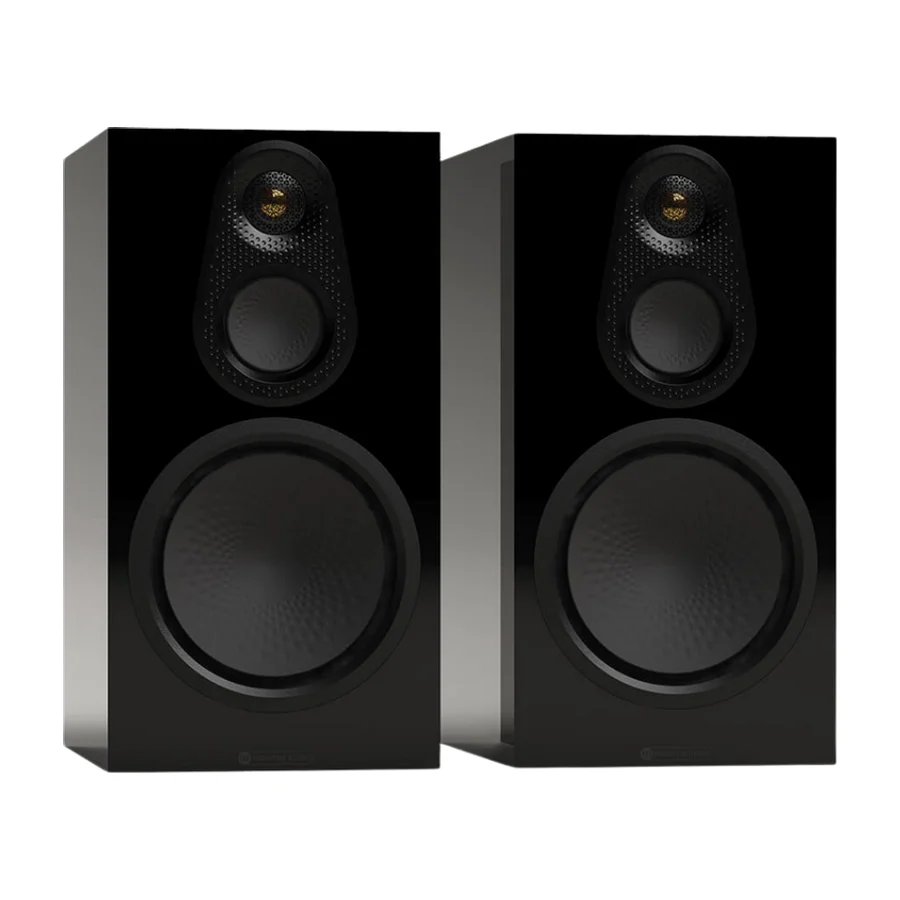 #10
#10 Monitor Audio Silver 100 8G
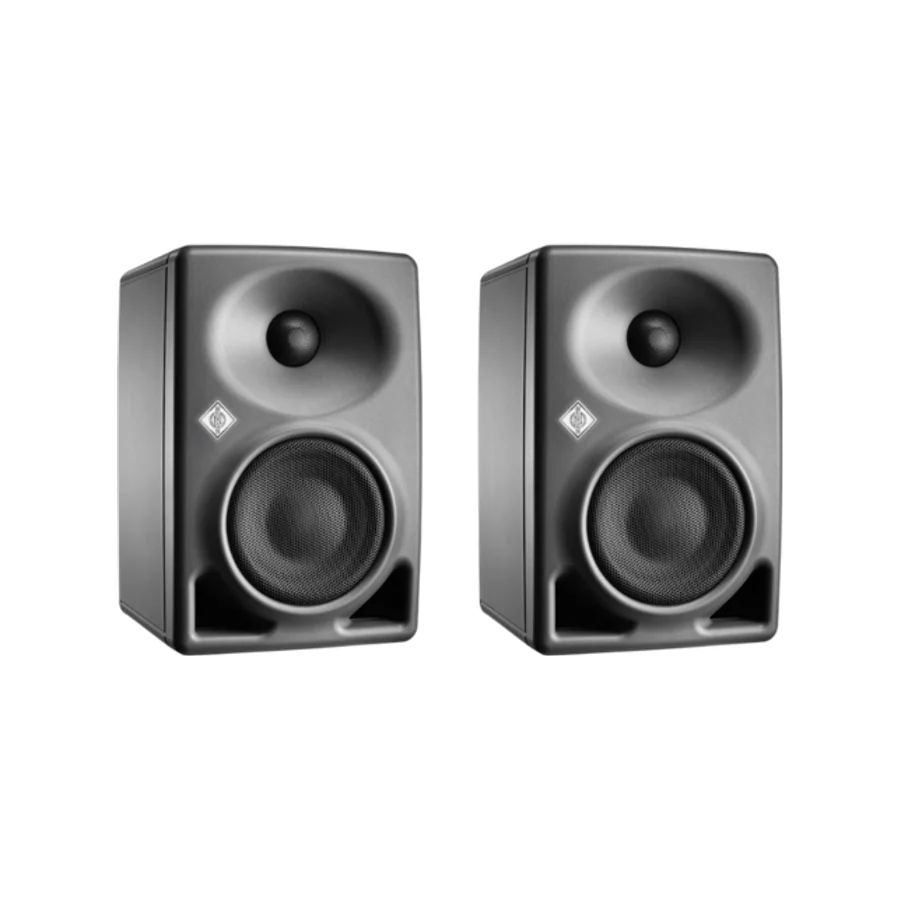 #11
#11 Neumann KH 80 DSP
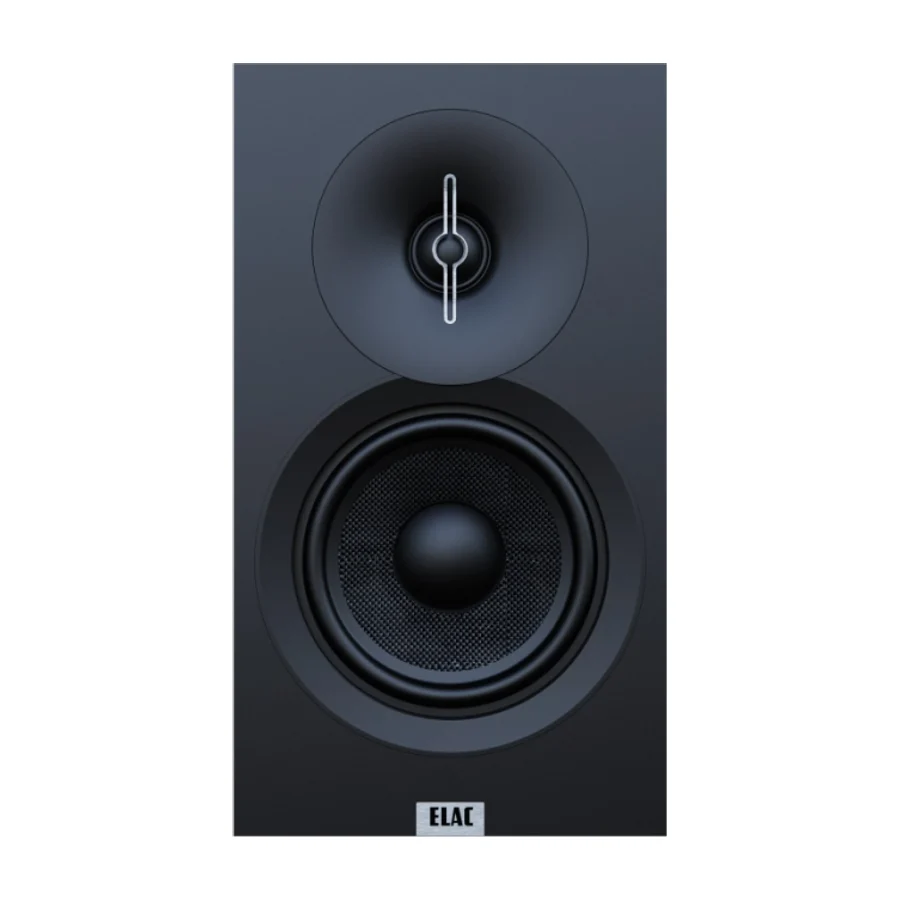 #12
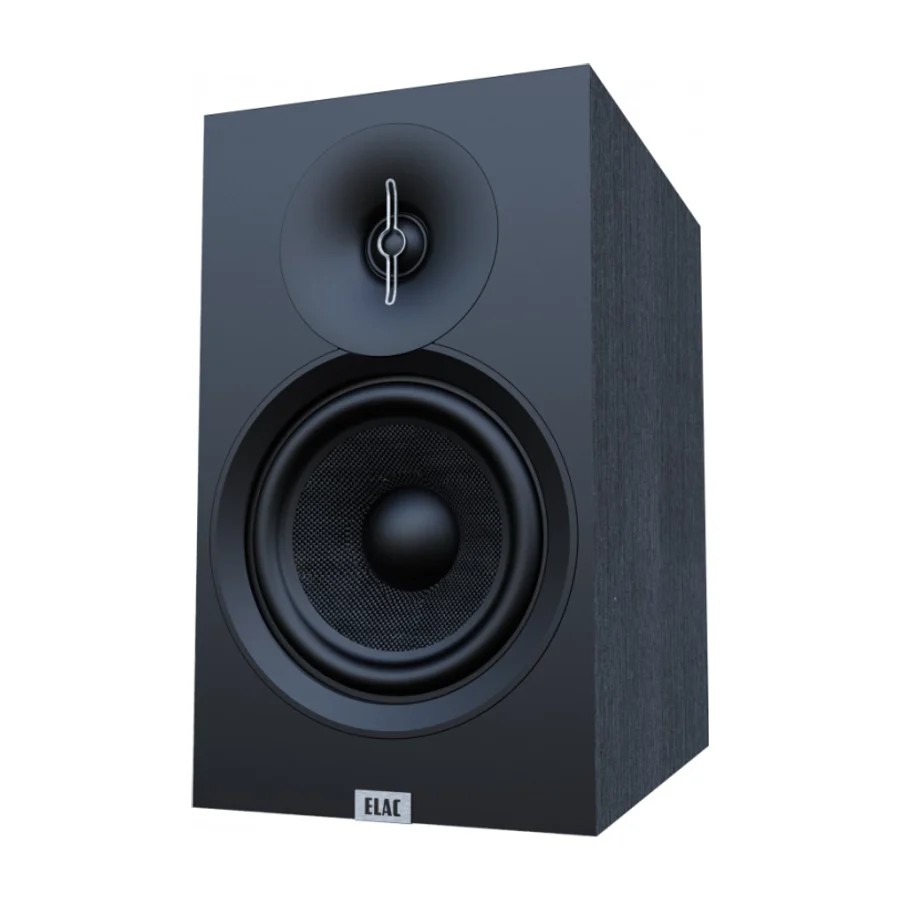
#12 ELAC Debut 3.0 DB53
 #13
#13 ELAC Debut 3.0 DB63
 #14 1 of 8 research runs entered this as a product to avoid rather than a pick.
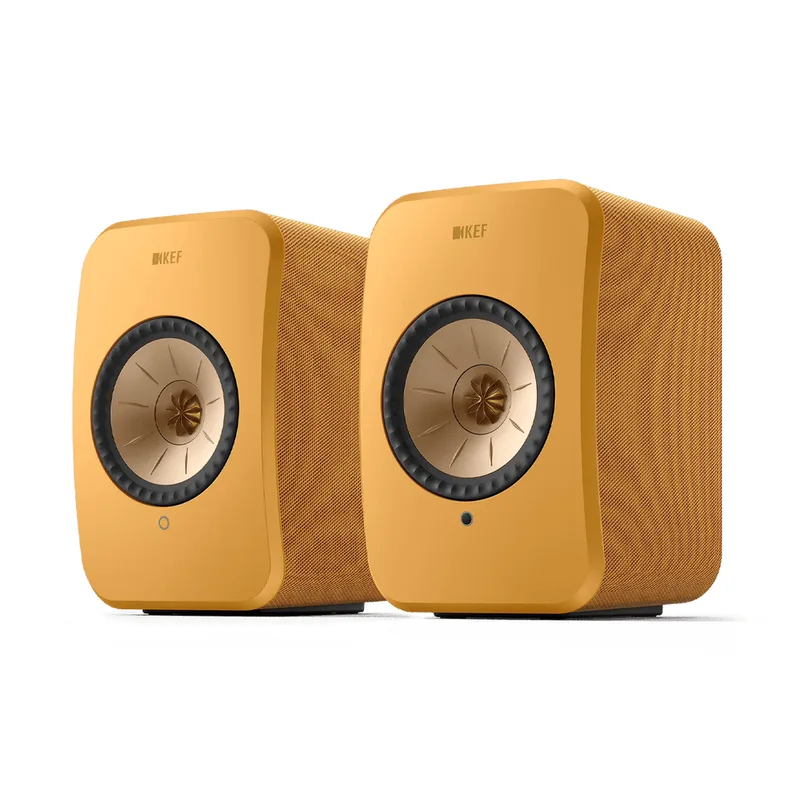
 KEF LSX II
 #15
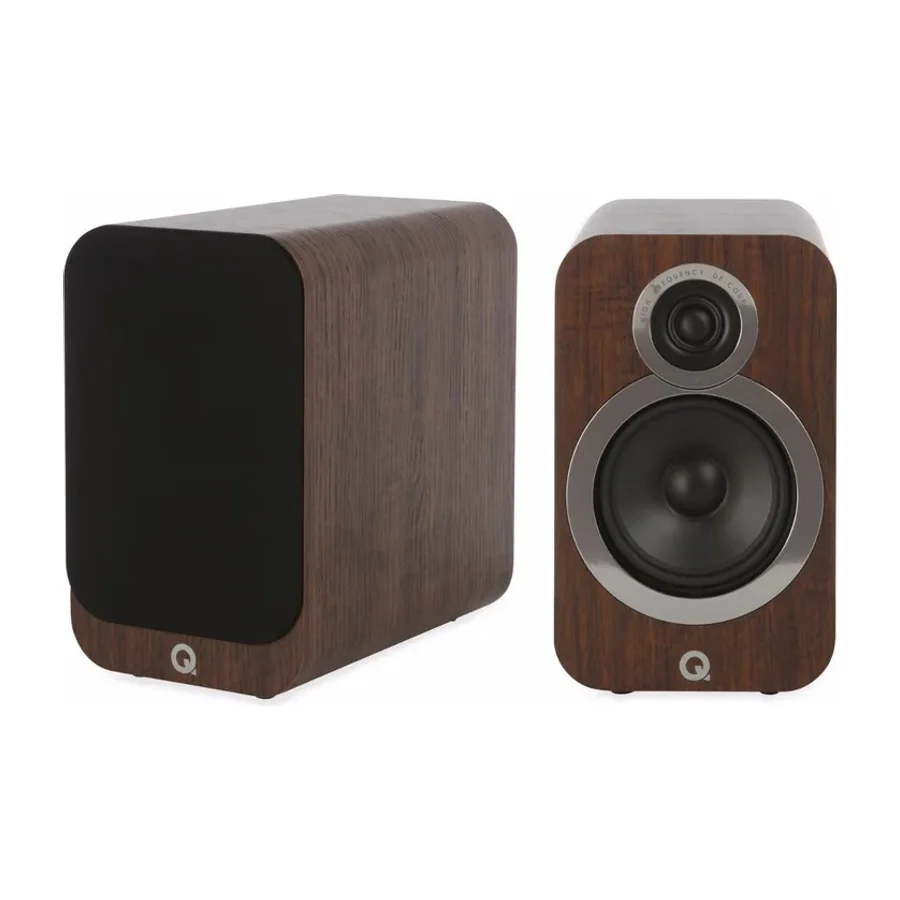
#15 Q Acoustics 3020i
 #16
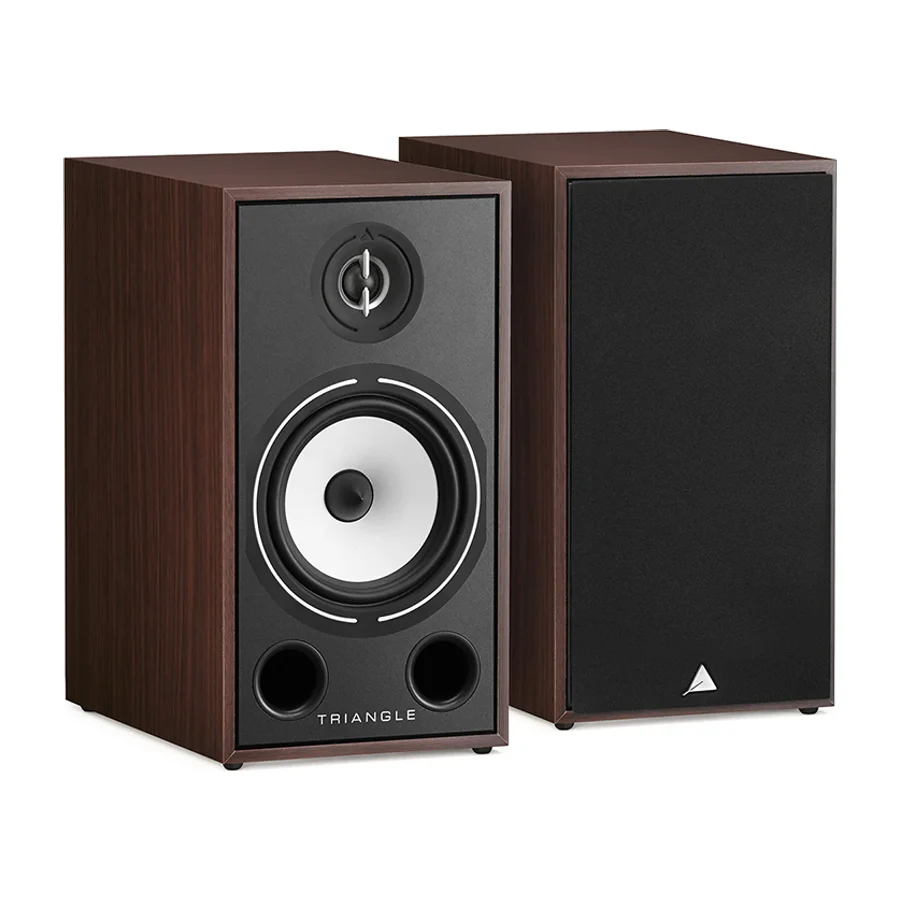
#16 Triangle Borea BR03
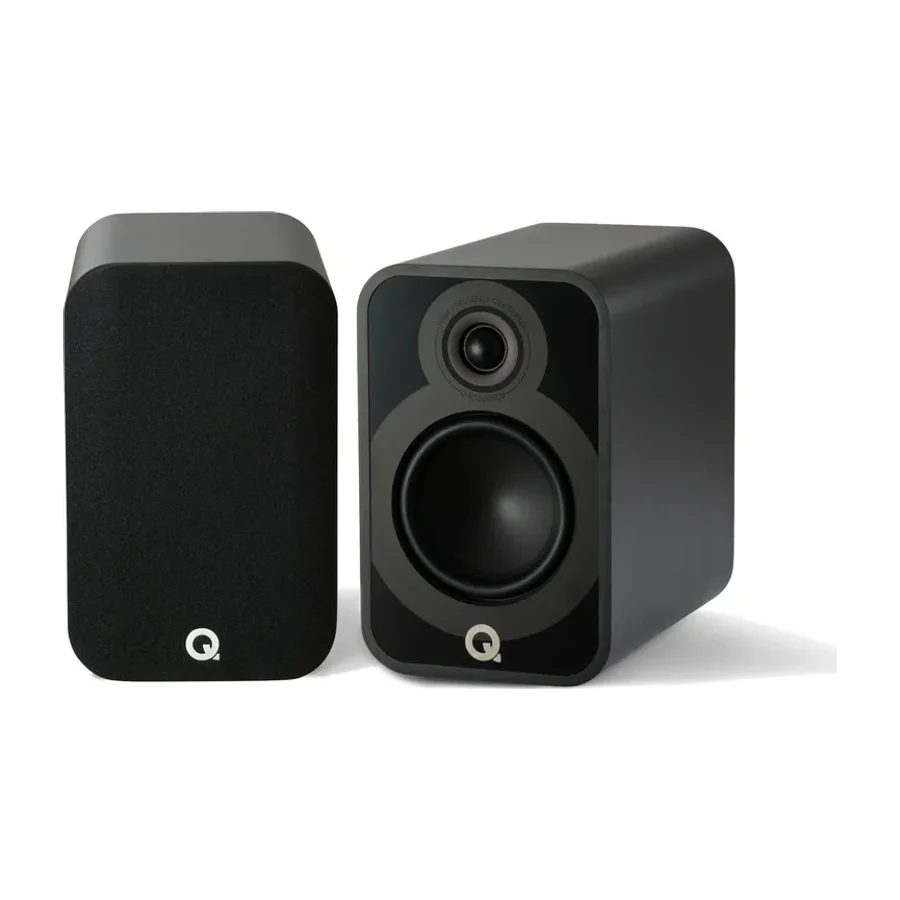 #17
#17 Q Acoustics 5020
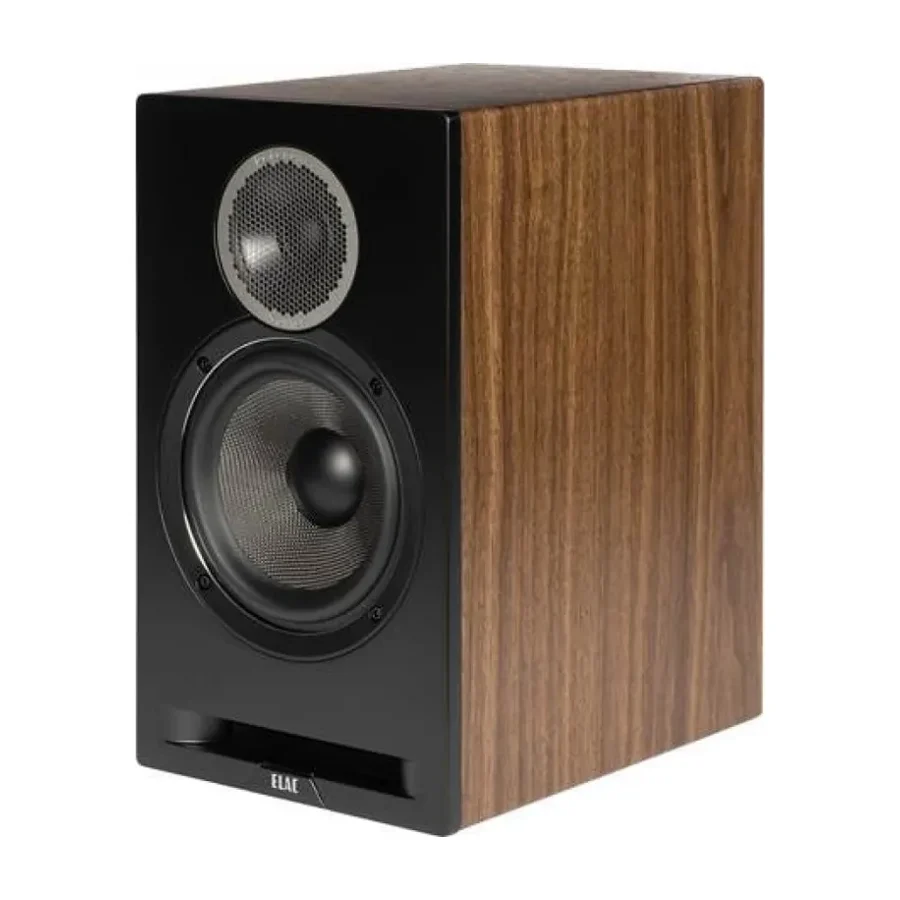 #18 1 of 3 research runs entered this as a product to avoid rather than a pick.
 ELAC Debut Reference DBR62
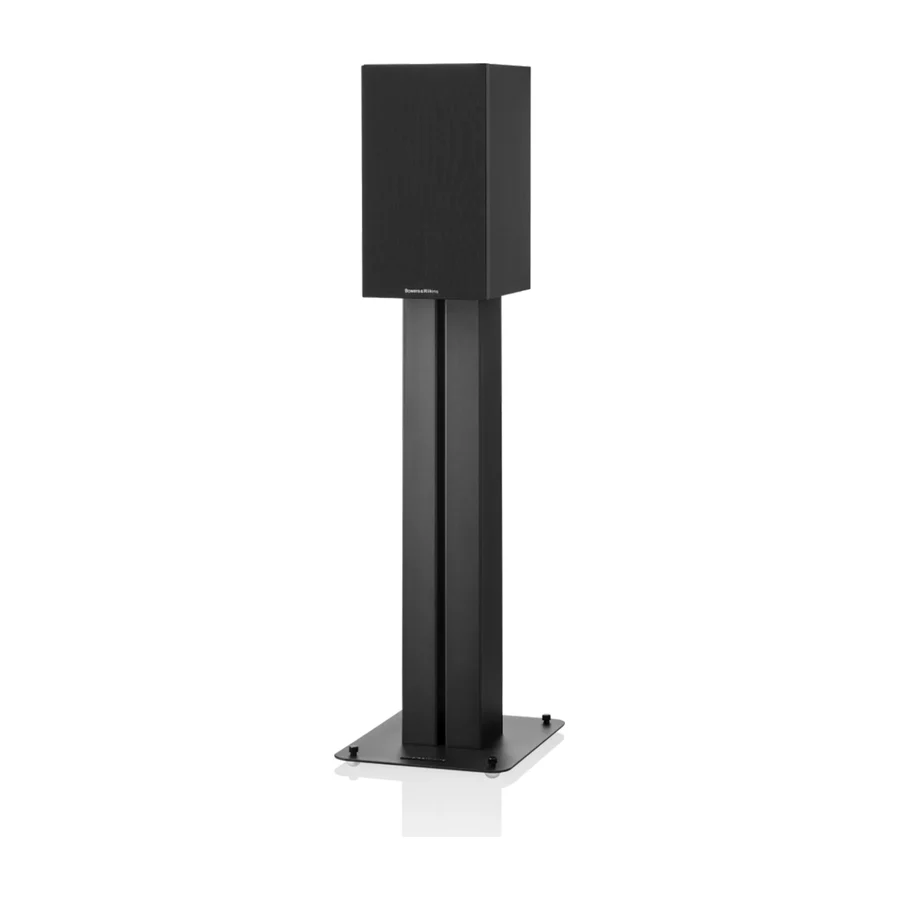 #19 1 of 2 research runs entered this as a product to avoid rather than a pick.
 Bowers & Wilkins 607 S3
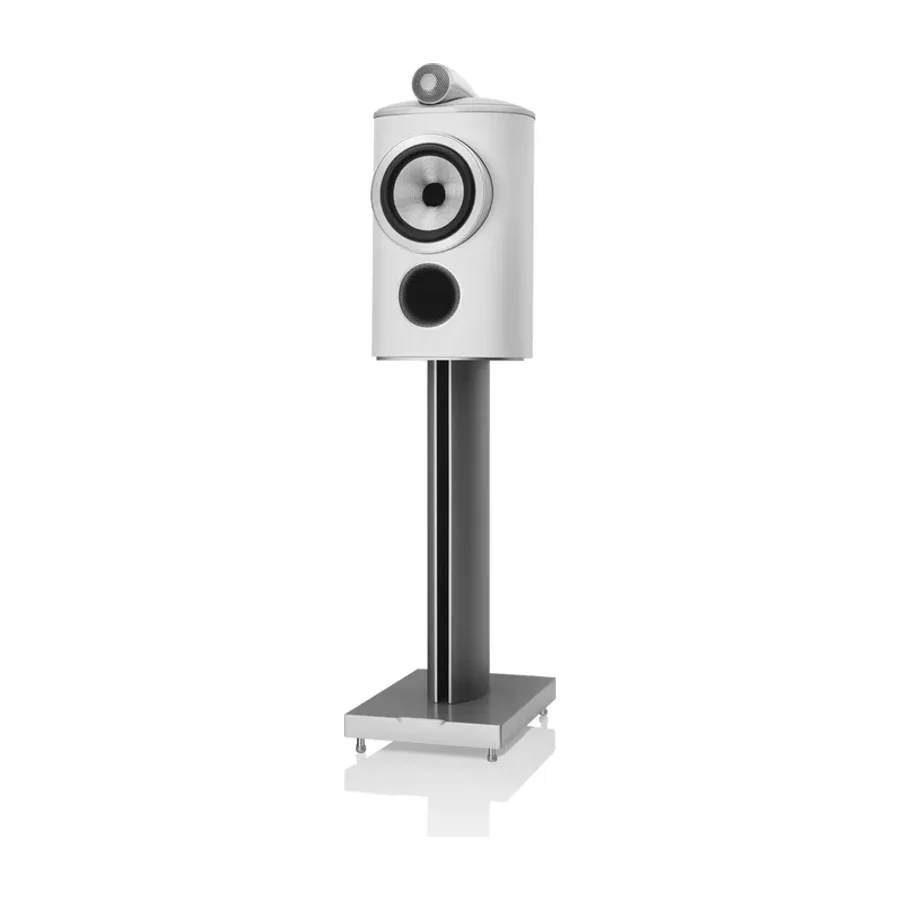 #20 3 of 10 research runs entered this as a product to avoid rather than a pick.
 Bowers & Wilkins 805 D4
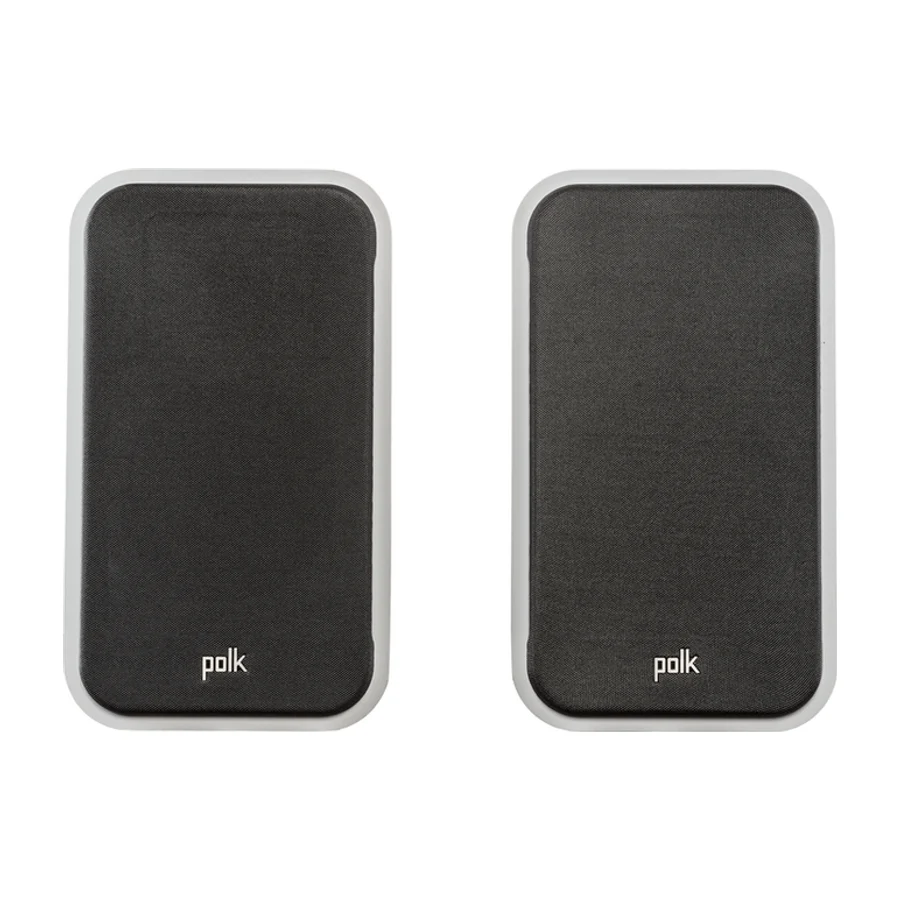 #21 1 of 3 research runs entered this as a product to avoid rather than a pick.
 Polk Audio Signature Elite ES20
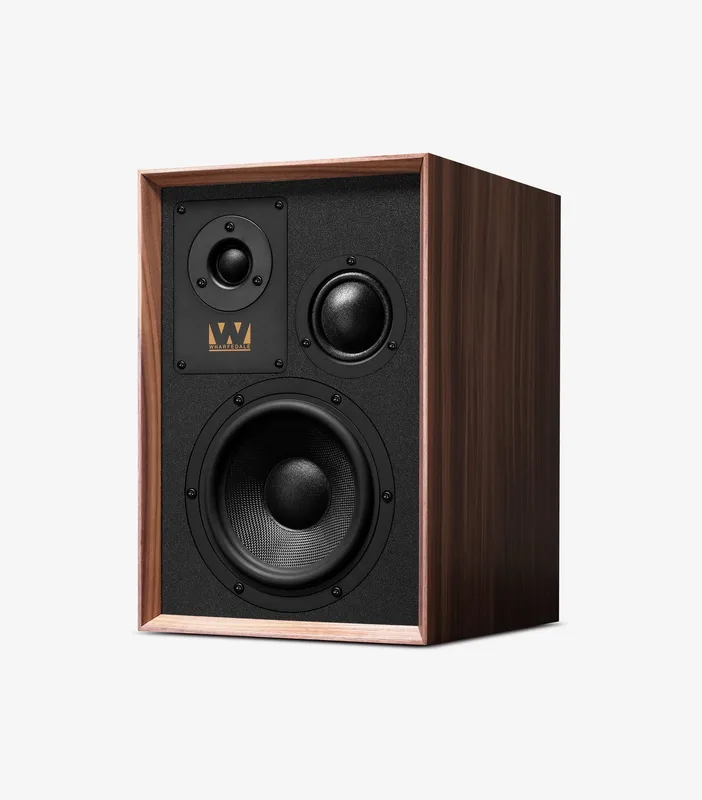 #22 3 of 10 research runs entered this as a product to avoid rather than a pick.
 Wharfedale Super Denton
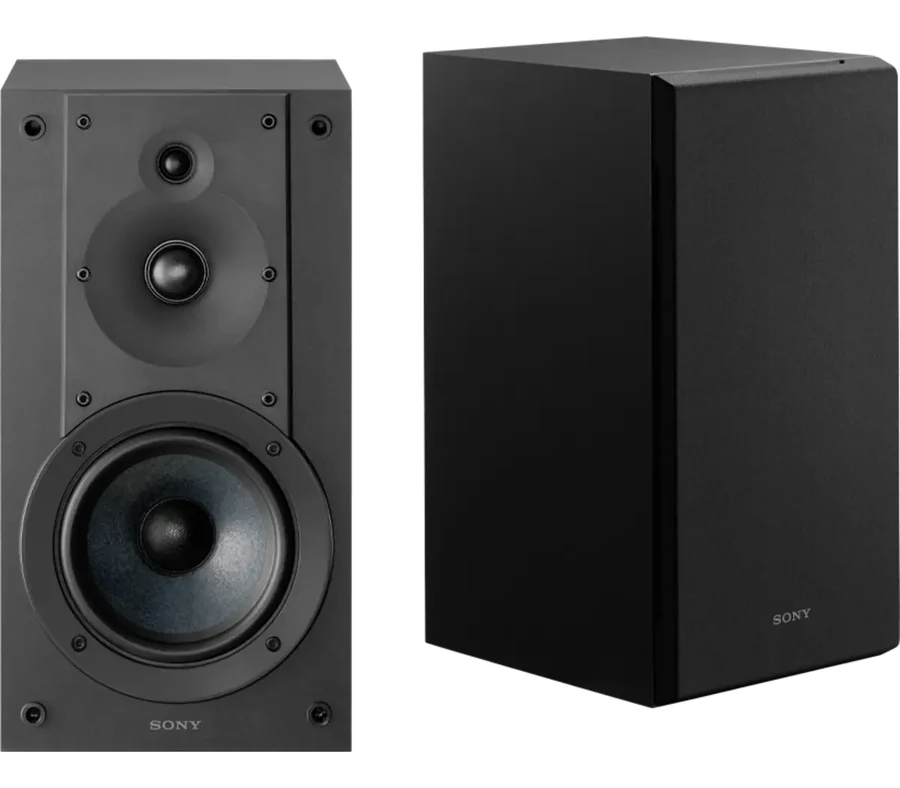 #23 2 of 3 research runs entered this as a product to avoid rather than a pick.
 Sony SS-CS5M2
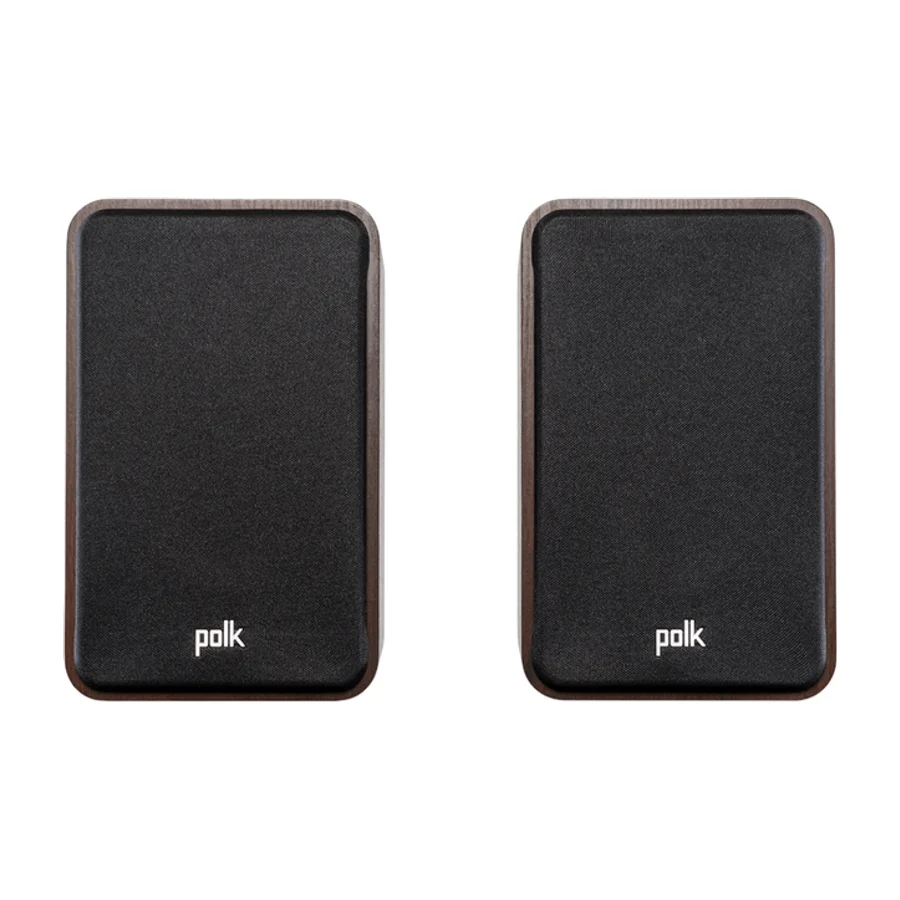 #24 1 of 2 research runs entered this as a product to avoid rather than a pick.
 Polk Signature Elite ES15
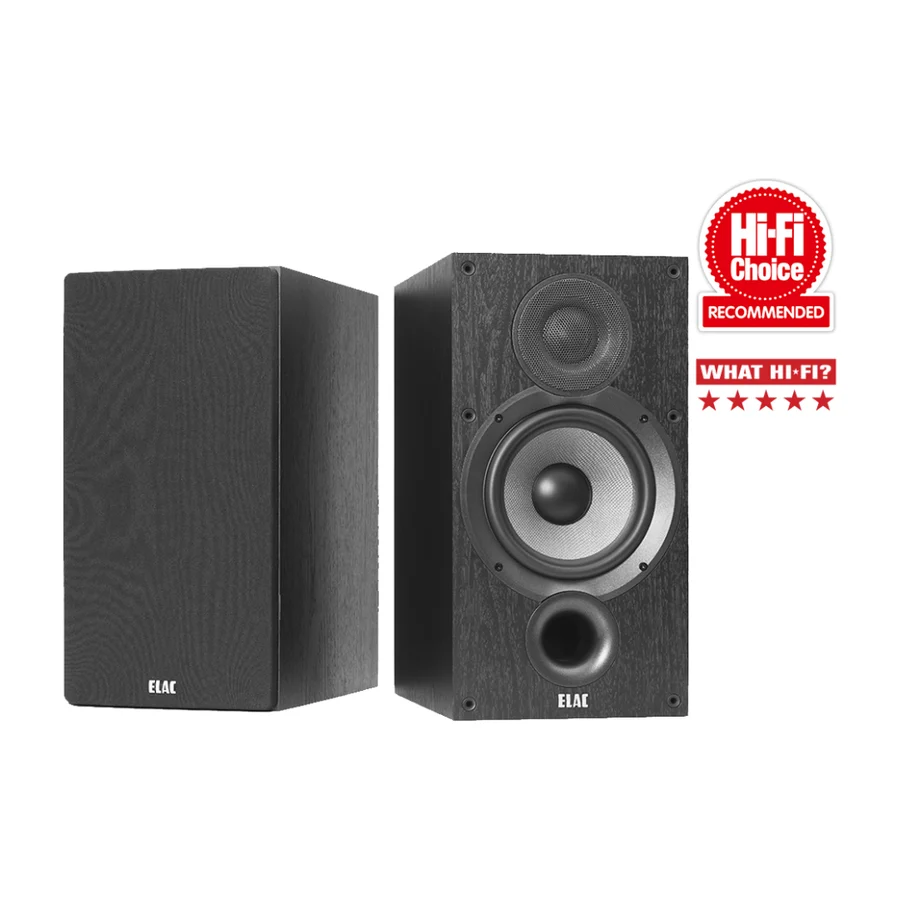 #25 1 of 2 research runs entered this as a product to avoid rather than a pick.
 ELAC Debut 2.0 B6.2
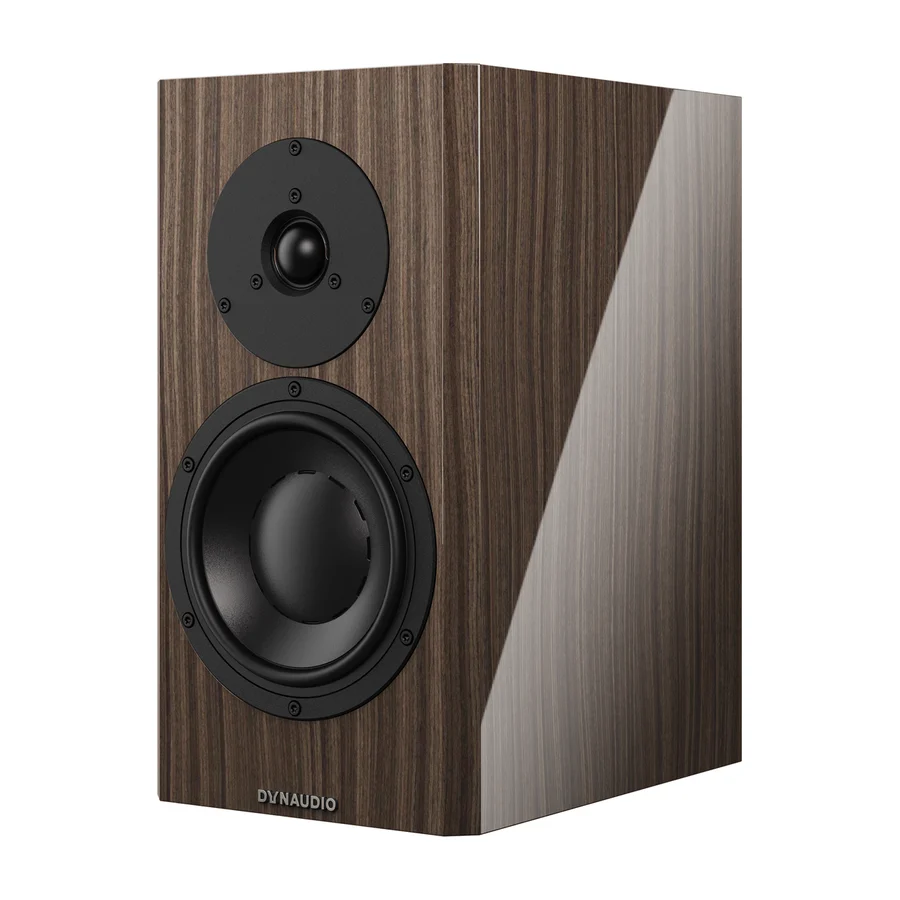 #26 1 of 2 research runs entered this as a product to avoid rather than a pick.
 Dynaudio Special Forty
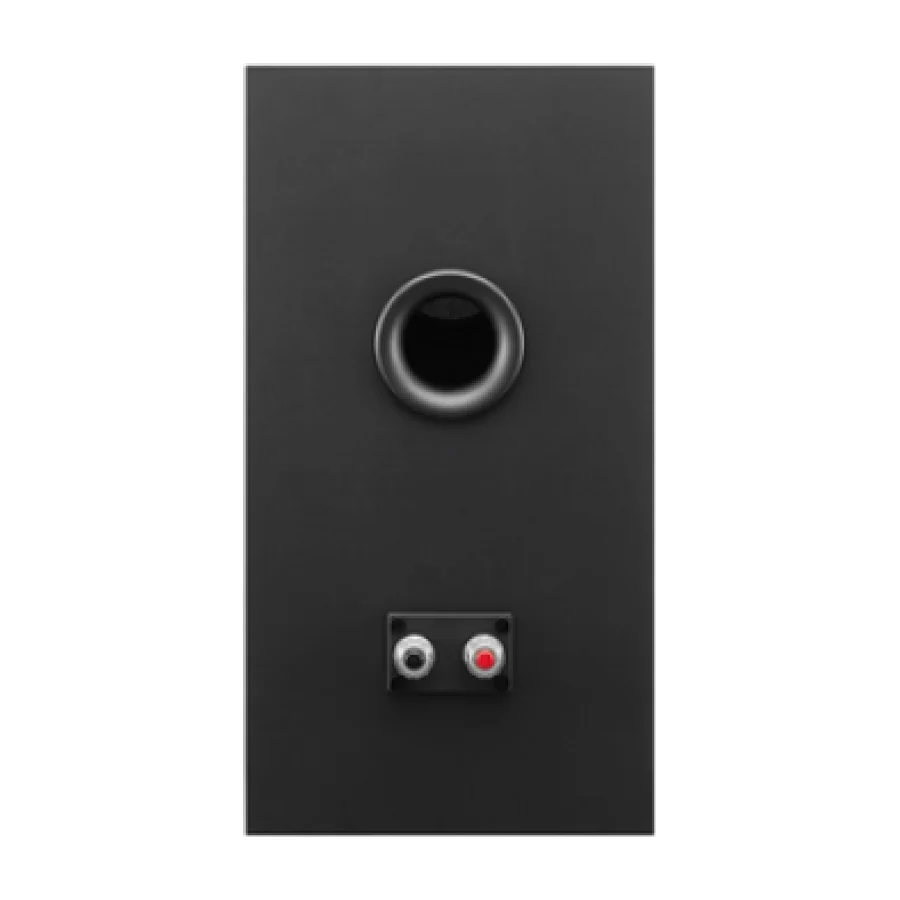 #27 2 of 12 research runs entered this as a product to avoid rather than a pick.
 Sony SS-CS5
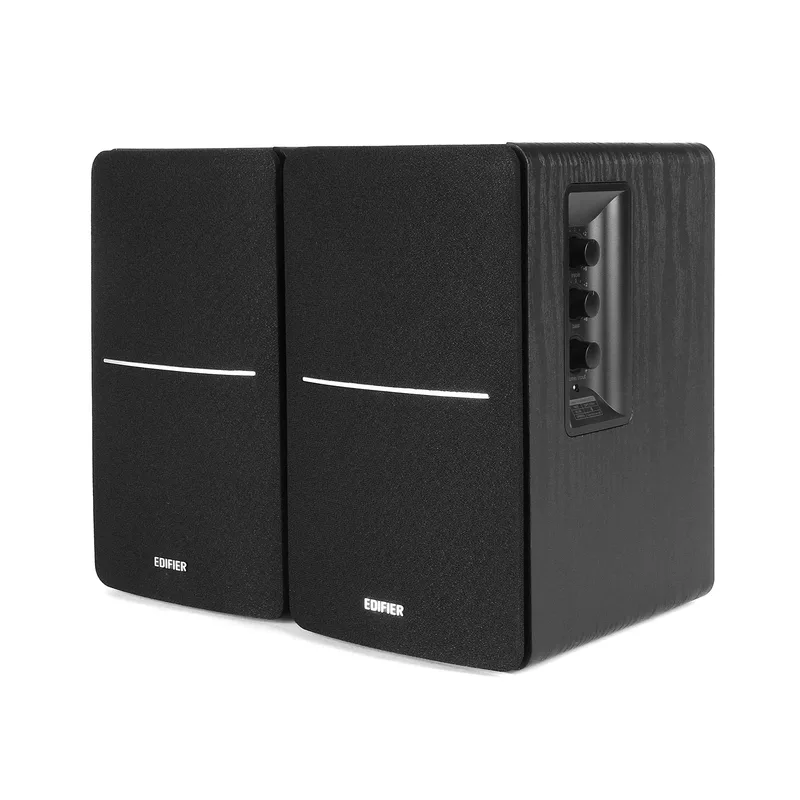 #28 2 of 7 research runs entered this as a product to avoid rather than a pick.
 Edifier R1280DB
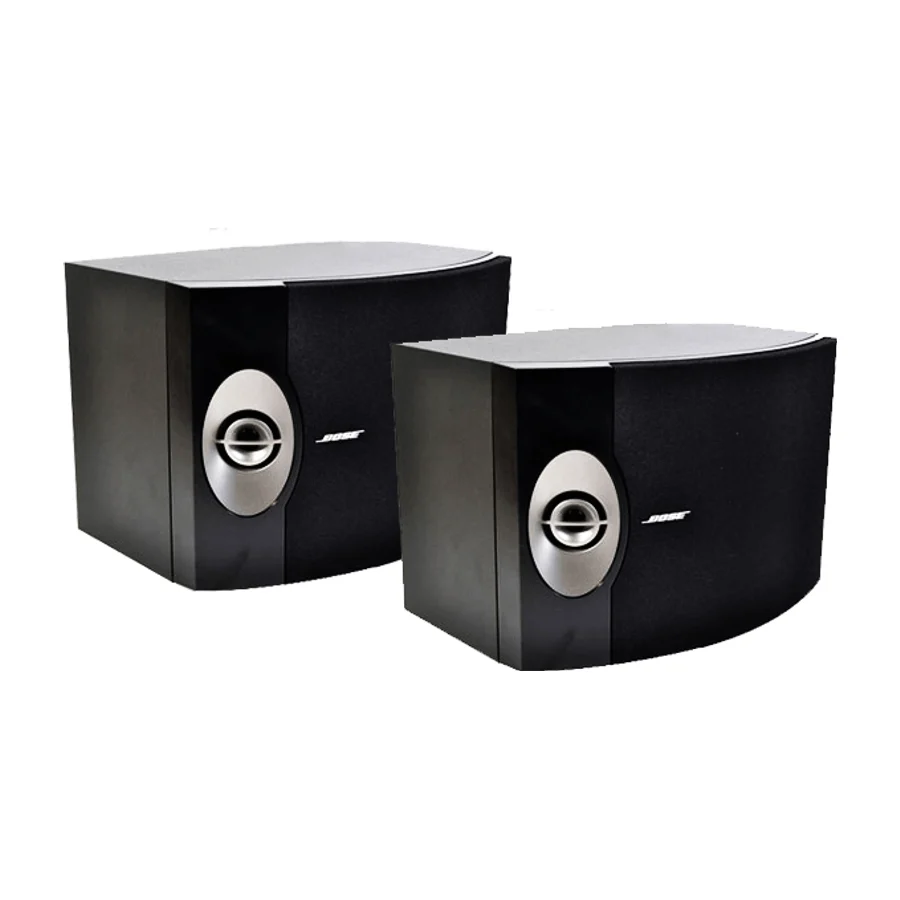 #29 1 of 2 research runs entered this as a product to avoid rather than a pick.
 Bose 301 Series V
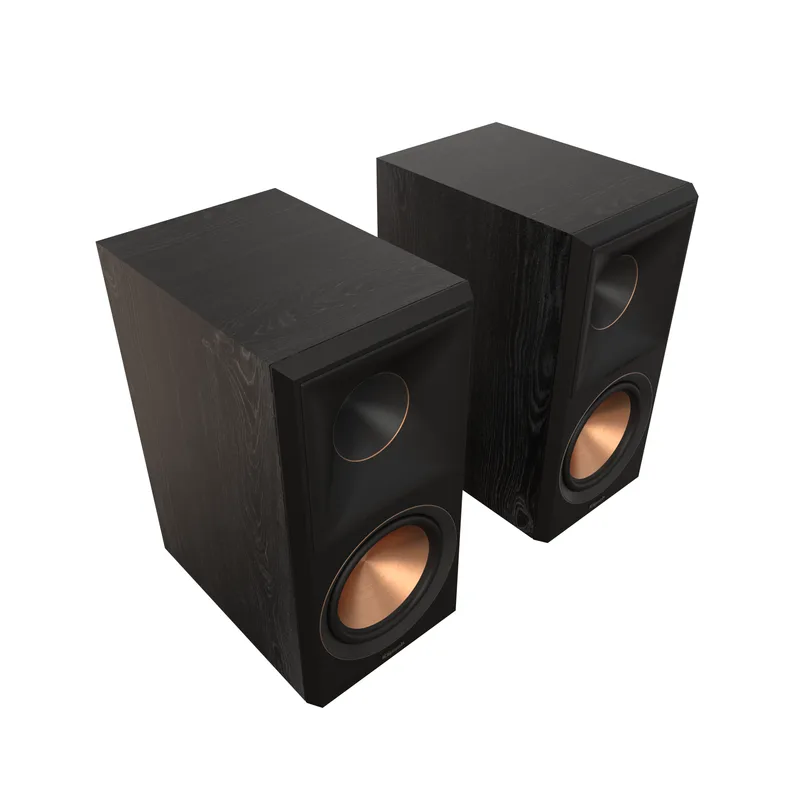 #30 3 of 8 research runs entered this as a product to avoid rather than a pick.
 Klipsch RP-600M II
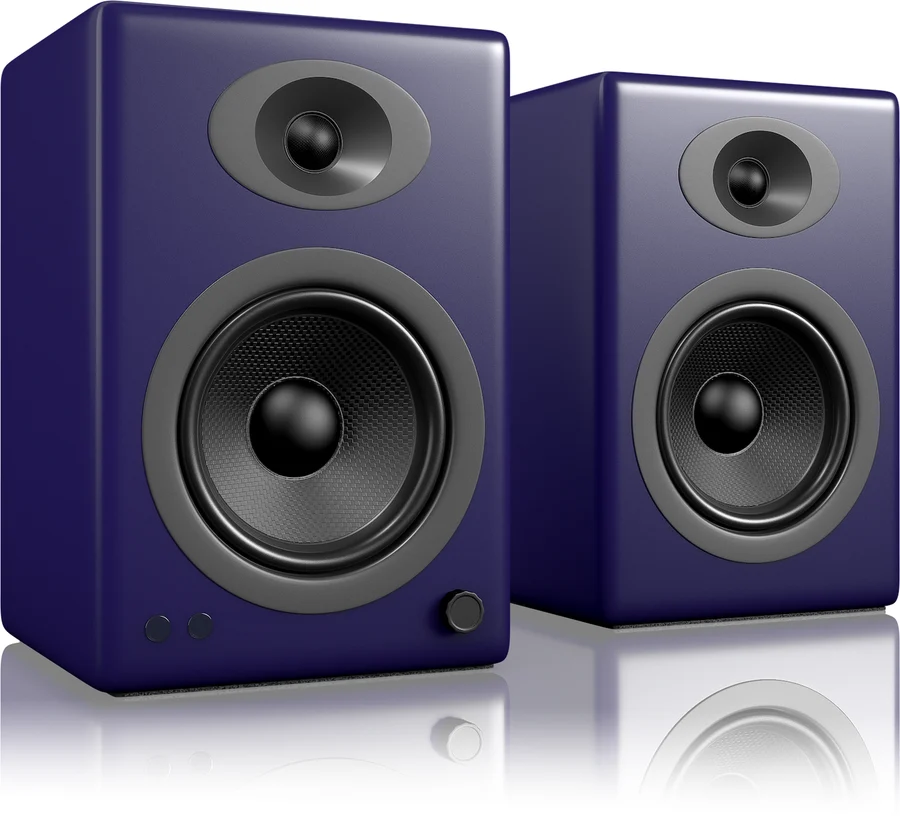 #31 1 of 5 research runs entered this as a product to avoid rather than a pick.
 Audioengine A5+ Wireless
What moved on this board
27 tier changes recorded between 22 Jul 2026 and 14 Sept 2026. The 5 most recent are below.
- 10 Sept 2026 Acoustic Energy AE300 Mk2 moved up from C to B. 3 more research games. 1 source added, 3 removed.
- 27 Jul 2026 Sony SS-CS5 moved down from D to F. 3 more research games. 2 sources added, 1 removed.
- 27 Jul 2026 Wharfedale Super Denton moved down from C to D. 3 more research games. 1 source added.
- 27 Jul 2026 ELAC Debut 3.0 DB63 moved up from C to B. 3 more research games. 1 source added, 2 removed.
- 27 Jul 2026 KEF LS50 Wireless II moved down from A to B. 1 more research game. 1 source added.
Each line shows what else changed at the same publish. It is not a statement of cause.
Frequently asked questions
Genelec 8030C sits at #1 in the S tier of our consolidated board, ranked across independent research runs over 855 cited reviews, videos and discussions. Ultra-low distortion and professional-grade build make it highly reliable over time.
KEF LS50 Meta ranks #2 (A tier). A decade-proven, over-engineered platform with zero software dependence. Its long reign as the category benchmark is itself longevity evidence.
Our research places Bowers & Wilkins 805 D4, Polk Audio Signature Elite ES20, Wharfedale Super Denton, Sony SS-CS5M2, Polk Signature Elite ES15, ELAC Debut 2.0 B6.2, Dynaudio Special Forty, Sony SS-CS5, Edifier R1280DB, Bose 301 Series V, Klipsch RP-600M II, Audioengine A5+ Wireless in the bottom tiers (D/F). Bowers & Wilkins 805 D4: Excellent imaging and bass, very low failure rate. A solid choice for longevity.
More in Audio
Cite this board as stierproducts, “Best Bookshelf Speakers”, 10 Sept 2026. Free to quote with attribution and a link (terms).
Machine-readable: markdown · JSON · how we rank
Embed this board on your own site. The frame links back here, which is the attribution the terms ask for:
<iframe src="https://stierproducts.com/embed/bookshelf-speakers" title="Best Bookshelf Speakers, ranked by stierproducts" width="100%" height="456" loading="lazy" style="border:0"></iframe>