Compare Portable Power Stations
32 ranked products · Two to 4 at a time · Updated 14 Oct 2026
Pick any two to four of the 32 ranked portable power stations and read them side by side. This page opens on the board's top 3, Anker SOLIX C1000 Gen 2, Bluetti Elite 200 V2 and EcoFlow Delta 3 Plus.
Choose what to compare
3 of 4 chosen
S
A
B
C
D
F
| Measure | 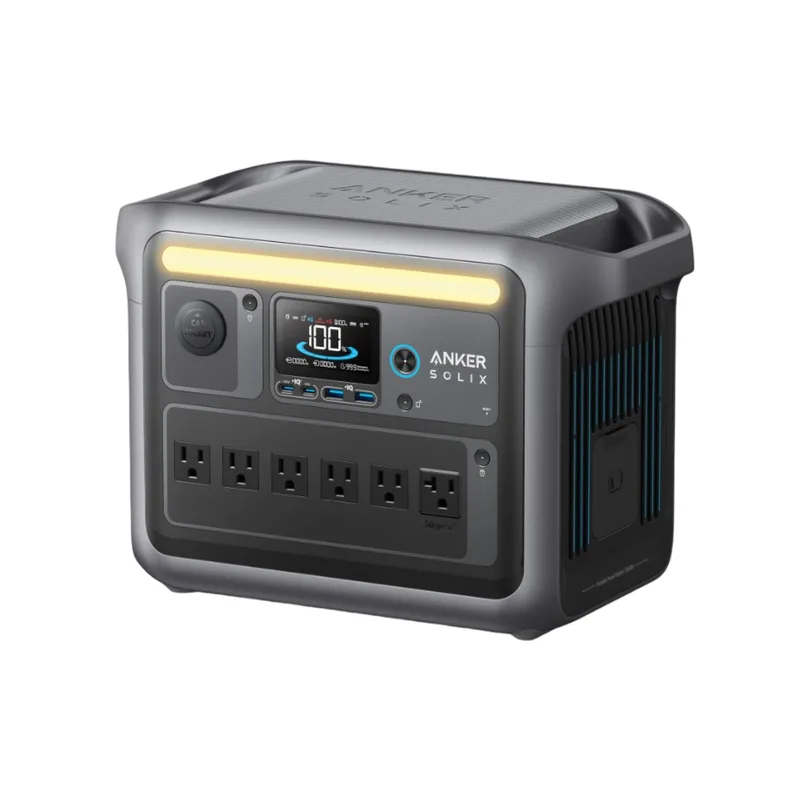 Anker Anker SOLIX C1000 Gen 2 | 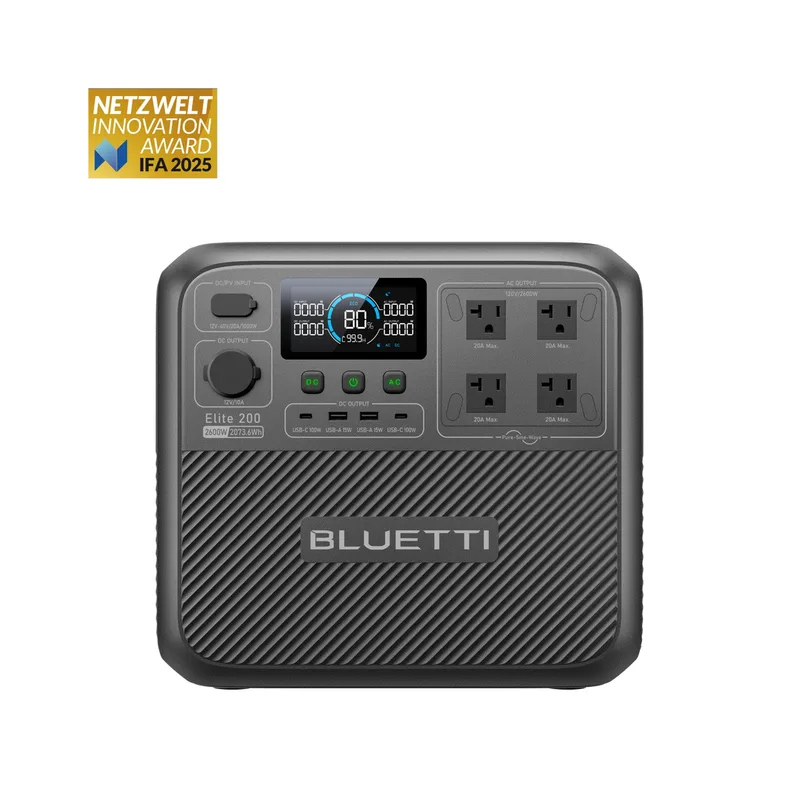 Bluetti Bluetti Elite 200 V2 | 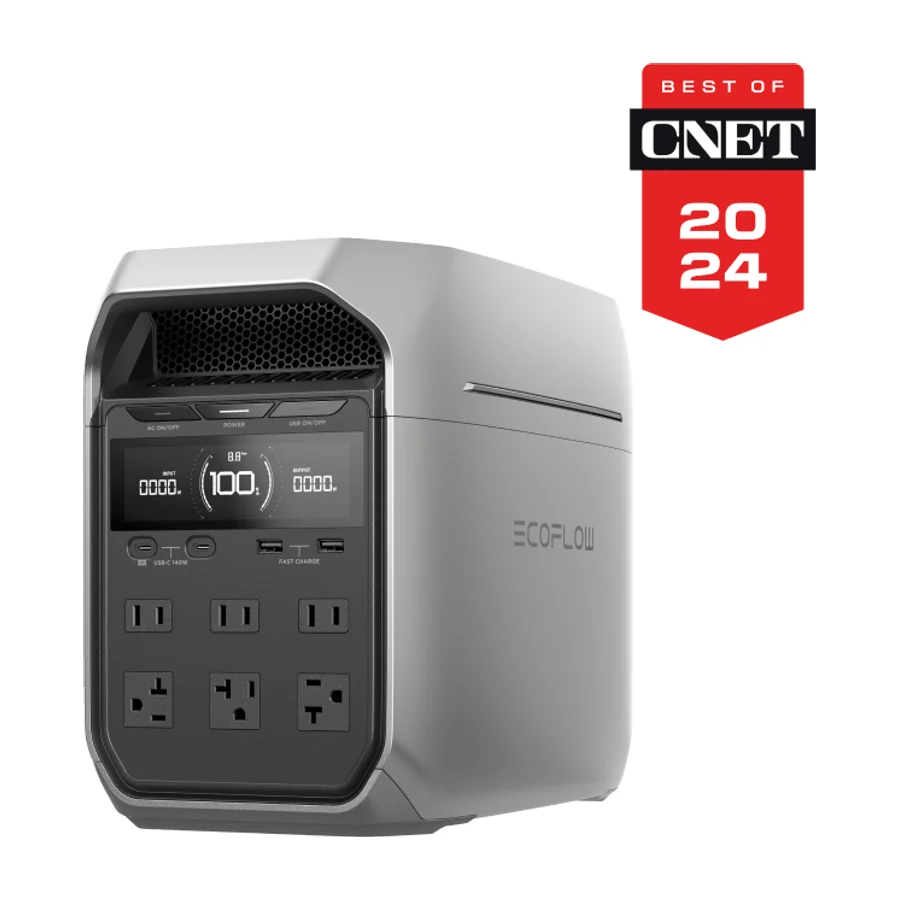 EcoFlow EcoFlow Delta 3 Plus | 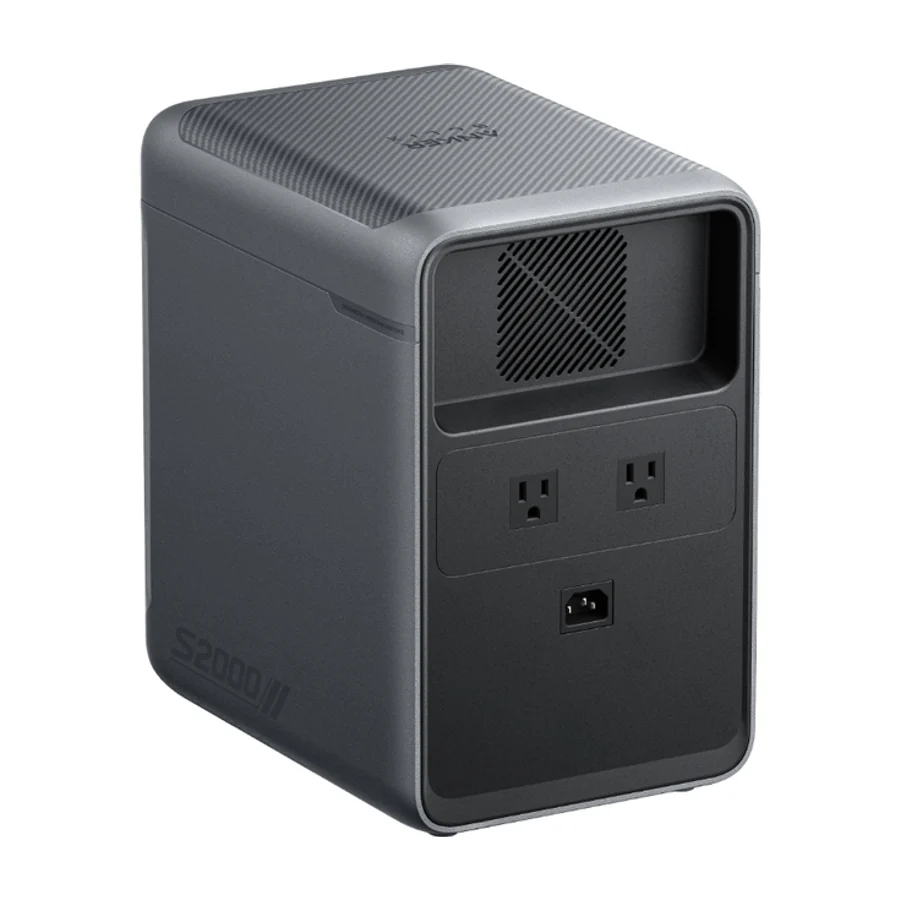 Anker Anker SOLIX S2000 | 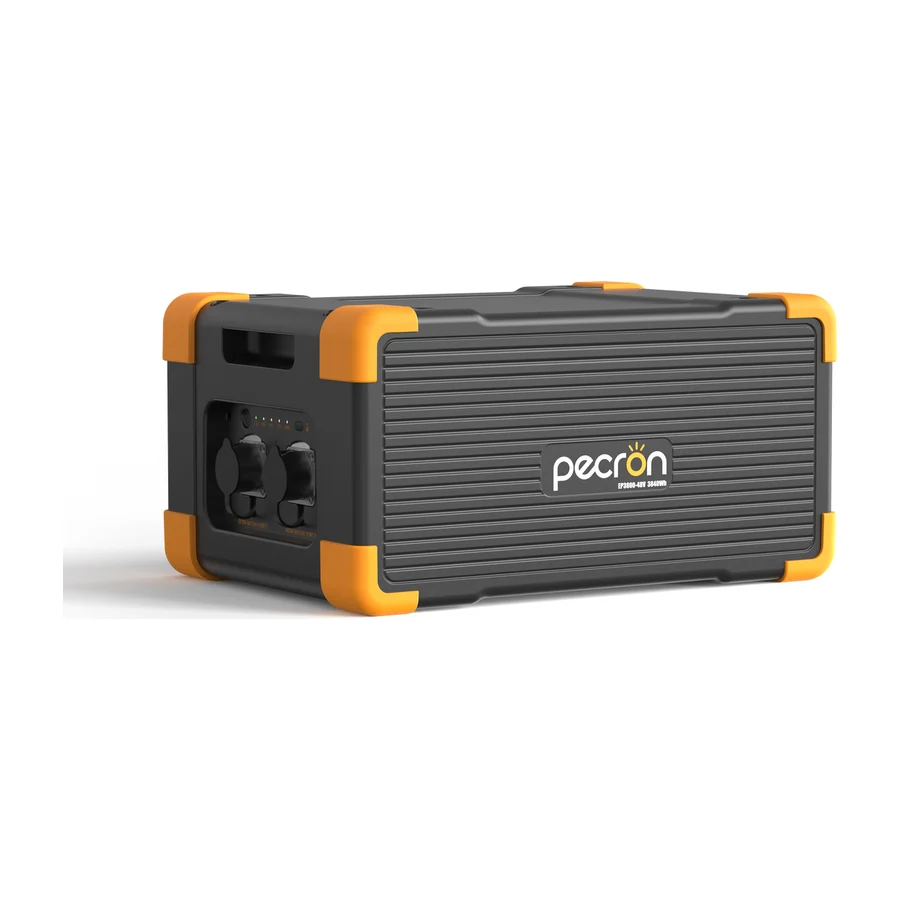 Pecron Pecron E1500LFP | 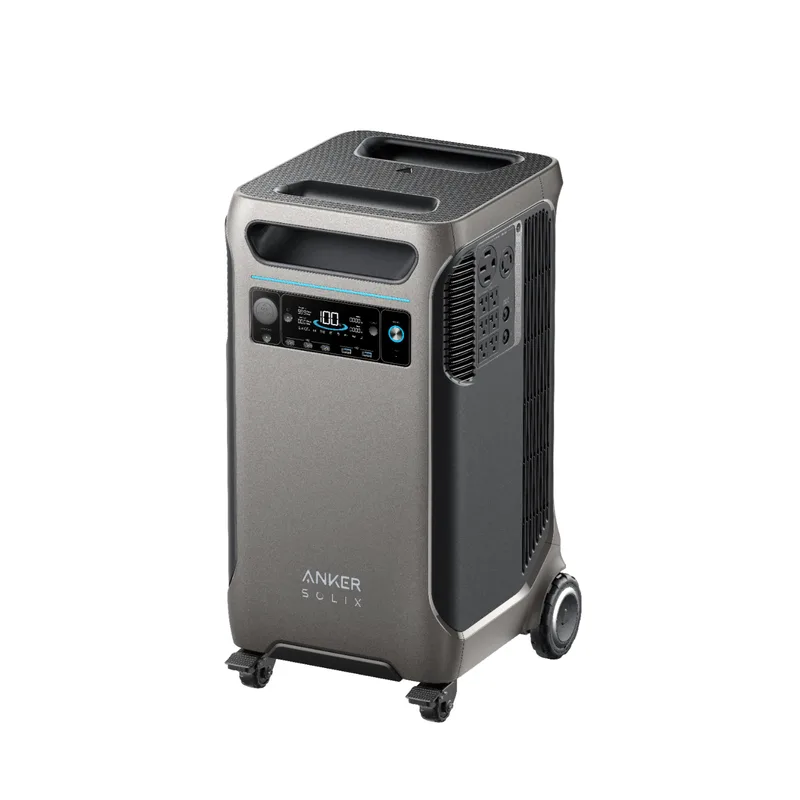 Anker Anker SOLIX F3800 Plus | 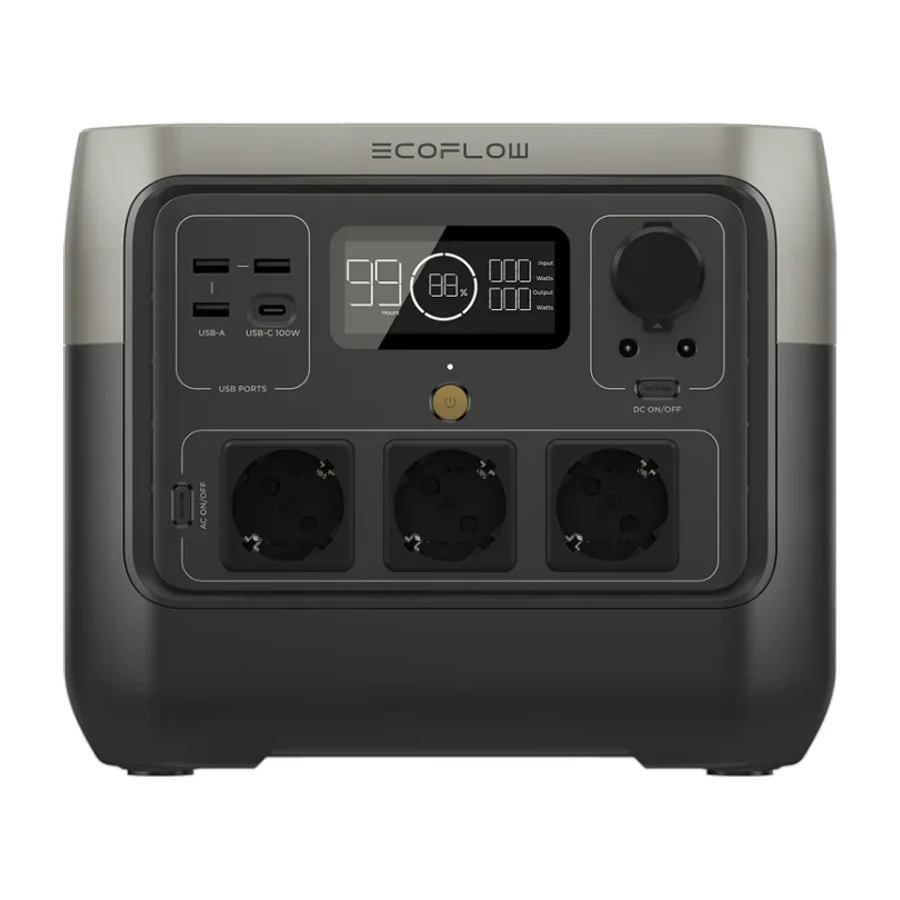 EcoFlow EcoFlow RIVER 2 Pro | 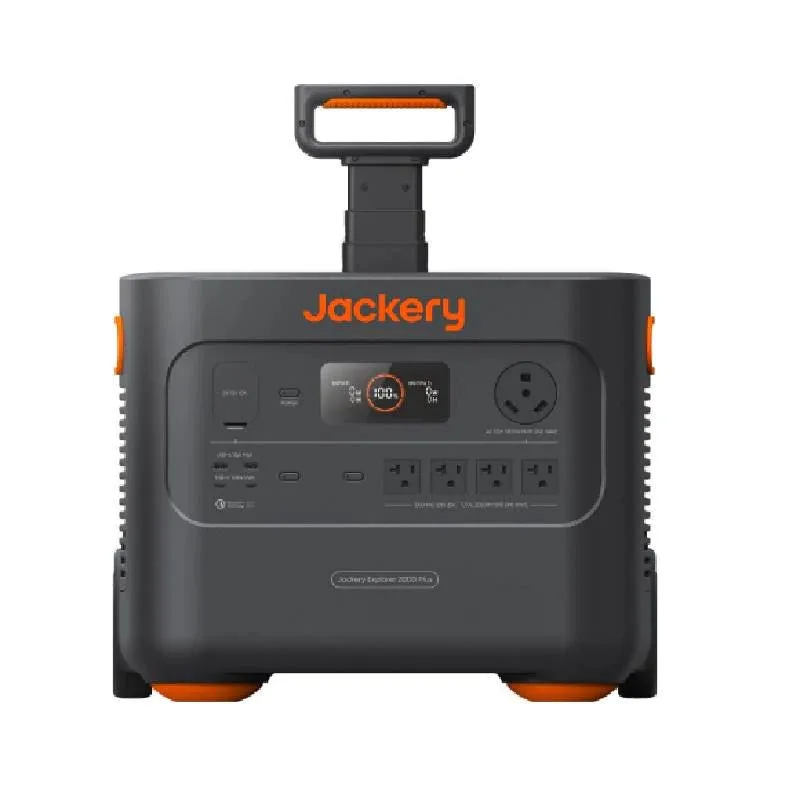 Jackery Jackery Explorer 2000 v2 | 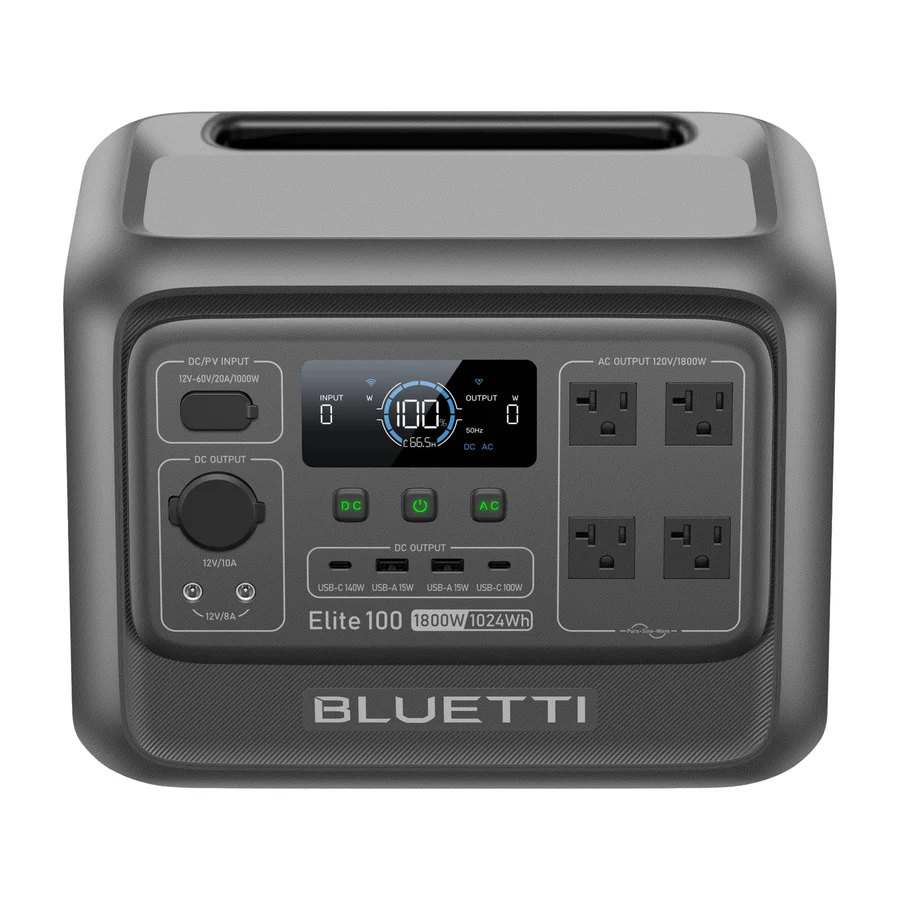 Bluetti Bluetti Elite 100 V2 | 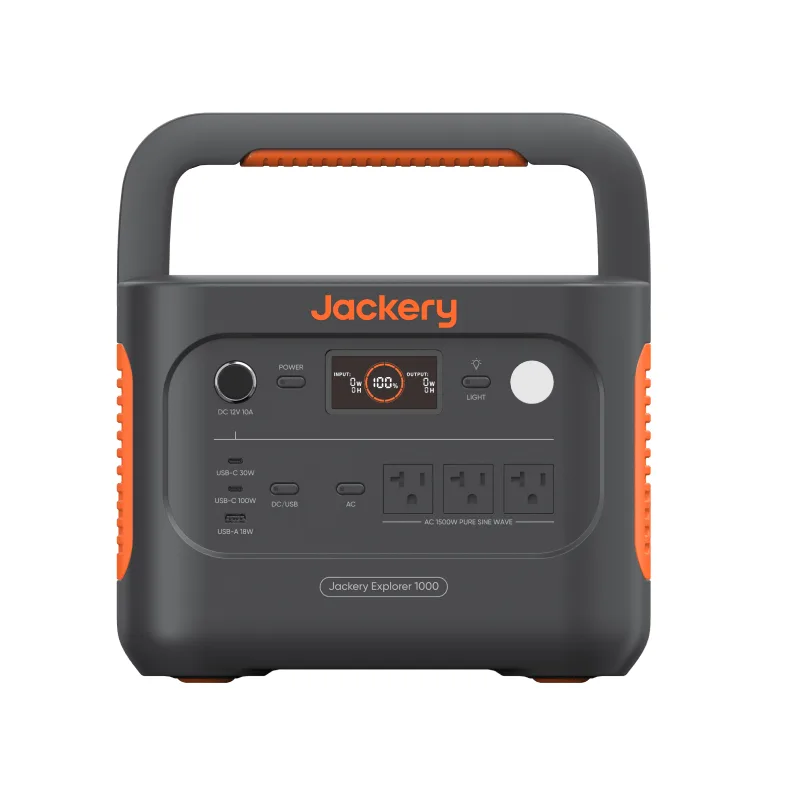 Jackery Jackery Explorer 1000 v2 | 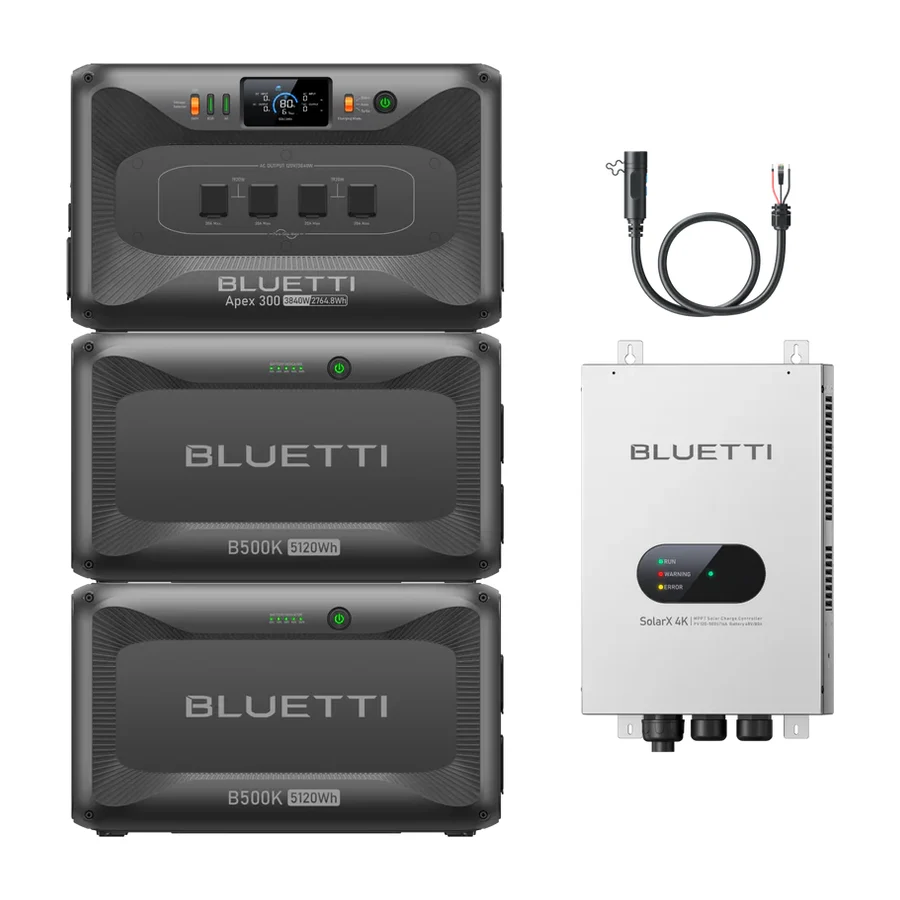 Bluetti Bluetti Apex 300 | 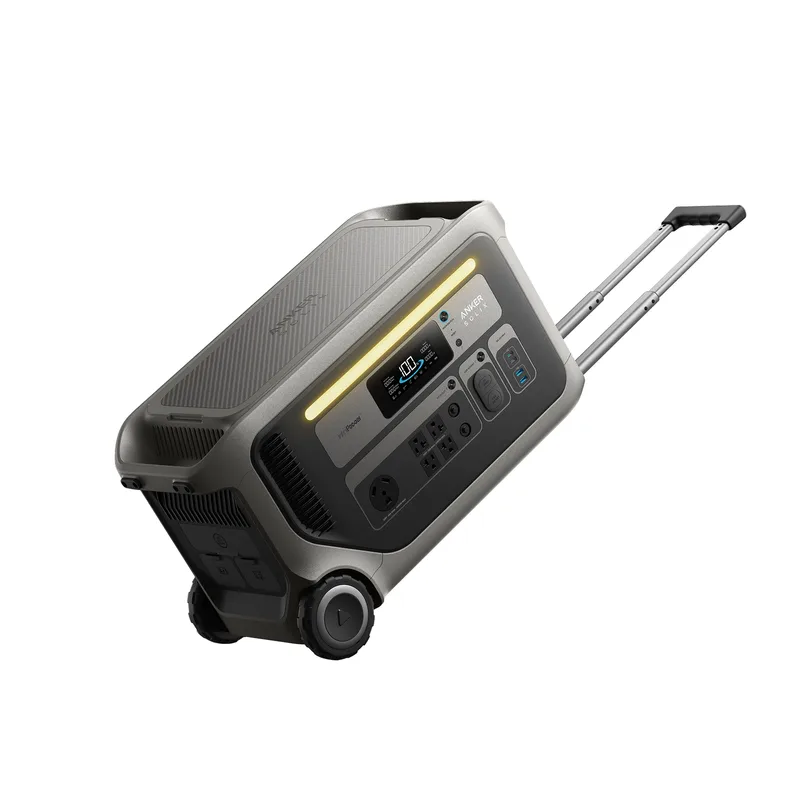 Anker Anker SOLIX F3000 | 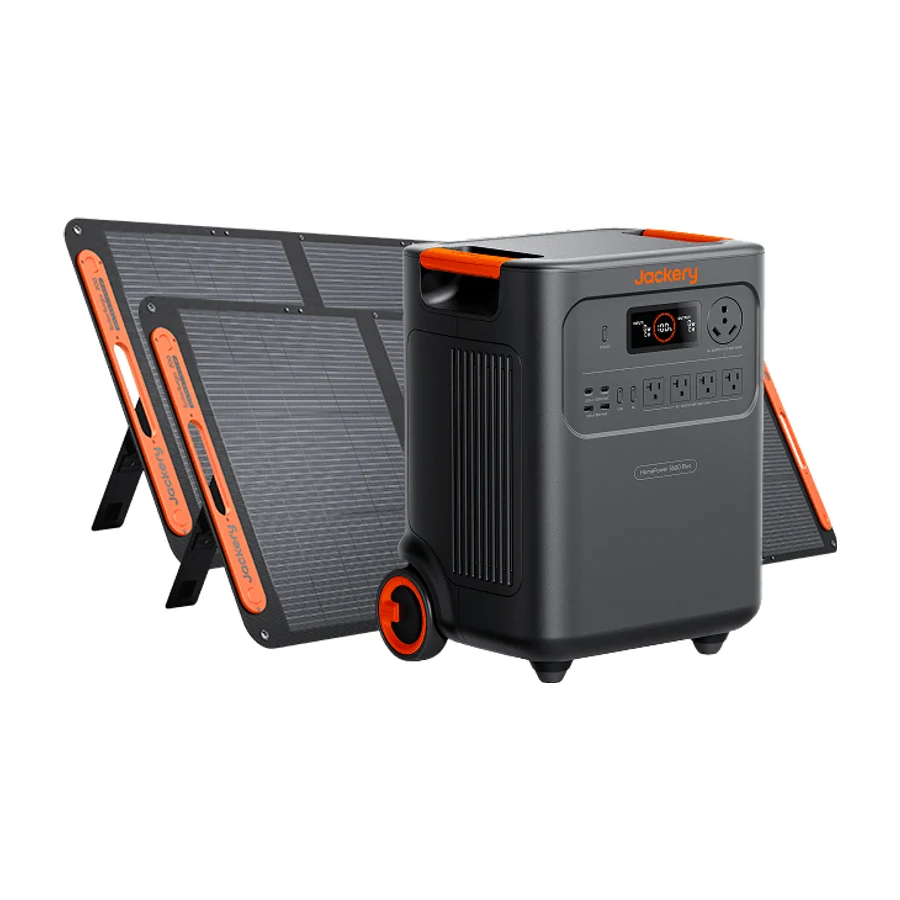 Jackery Jackery HomePower 3600 Plus | 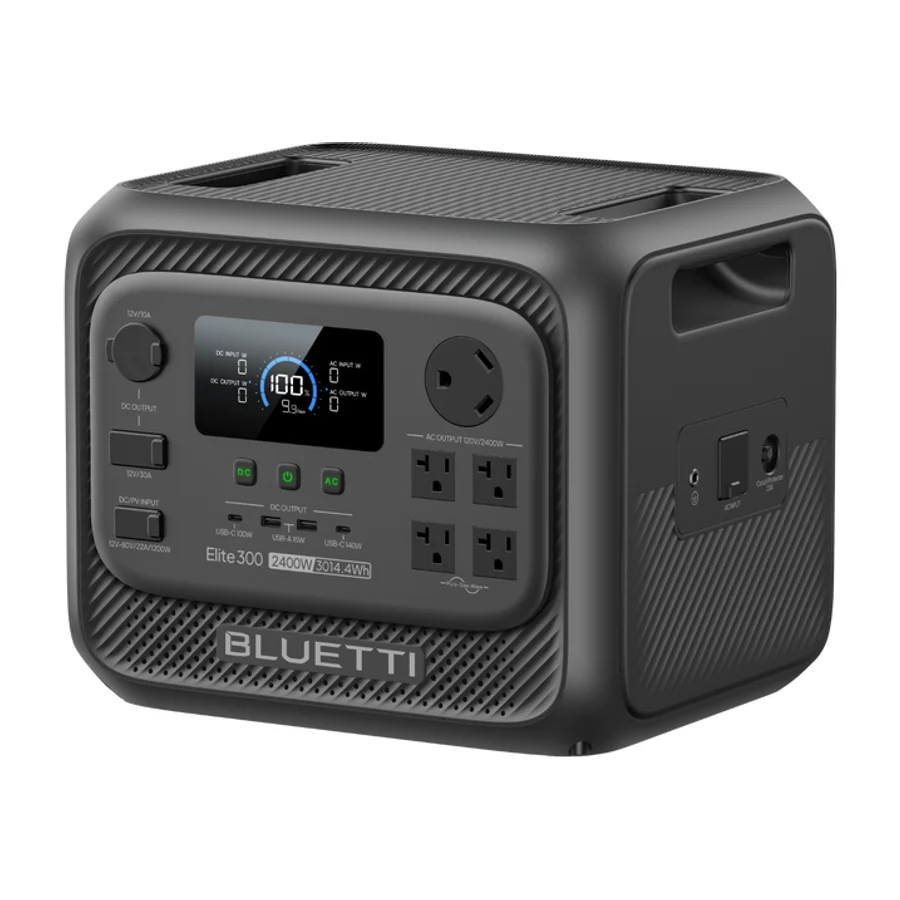 Bluetti Bluetti Elite 300 | 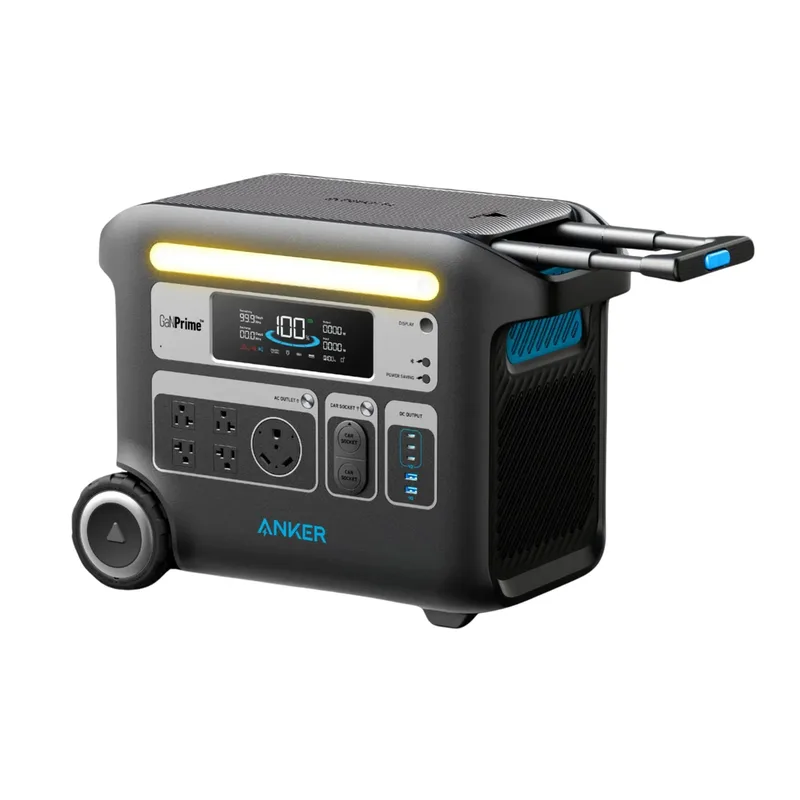 Anker Anker SOLIX F2000 | 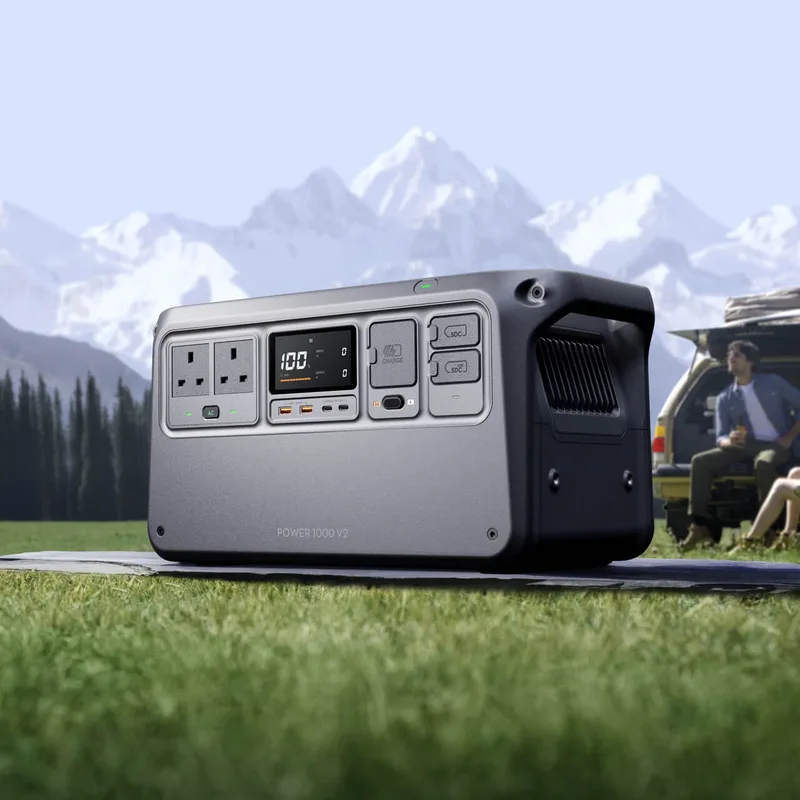 DJI DJI Power 1000 V2 | 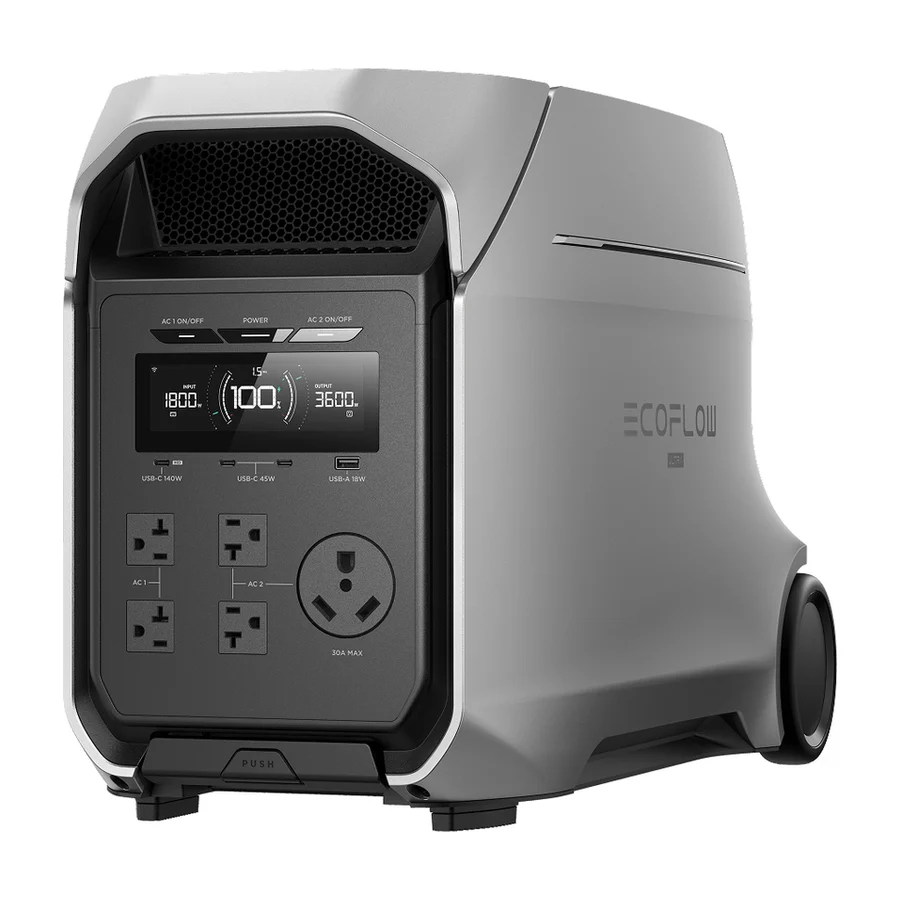 EcoFlow EcoFlow DELTA Pro 3 | 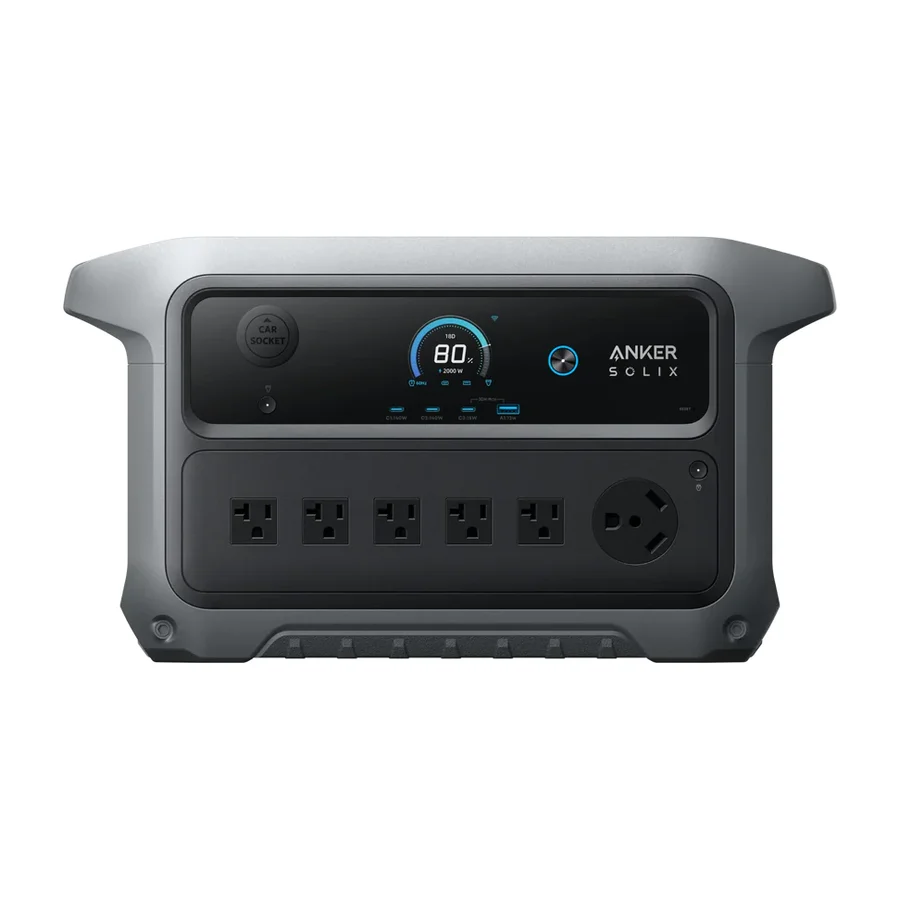 Anker Anker SOLIX C2000 Gen 2 | 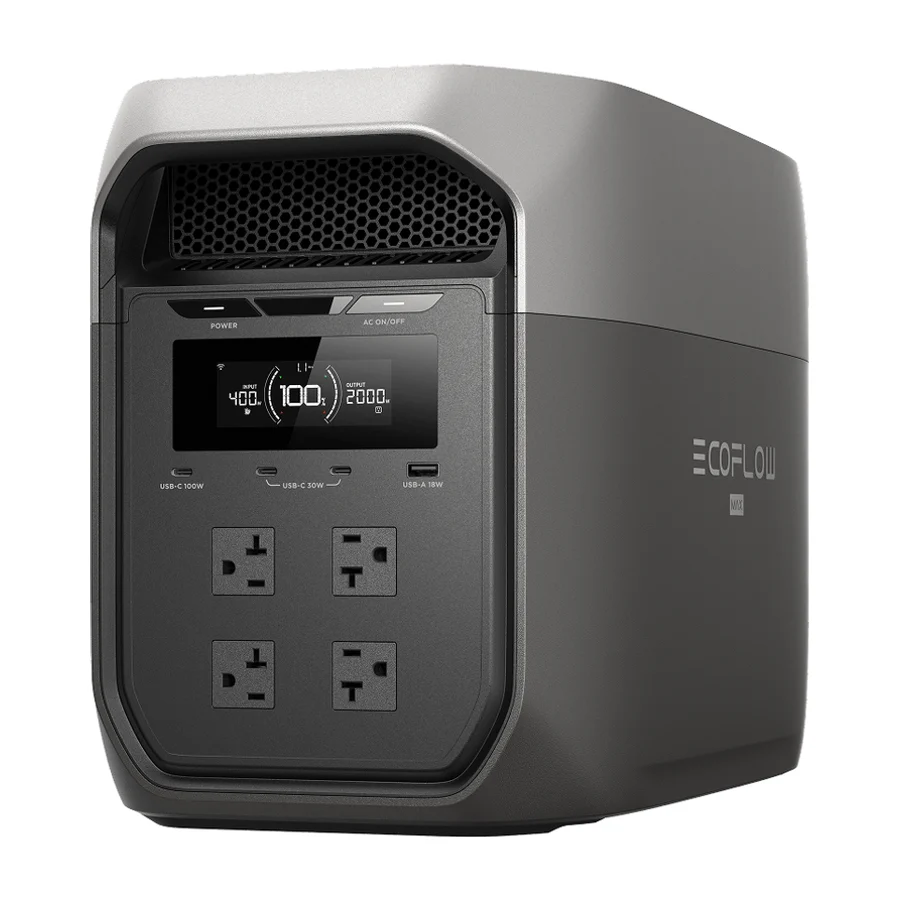 EcoFlow EcoFlow DELTA 3 Max Plus | 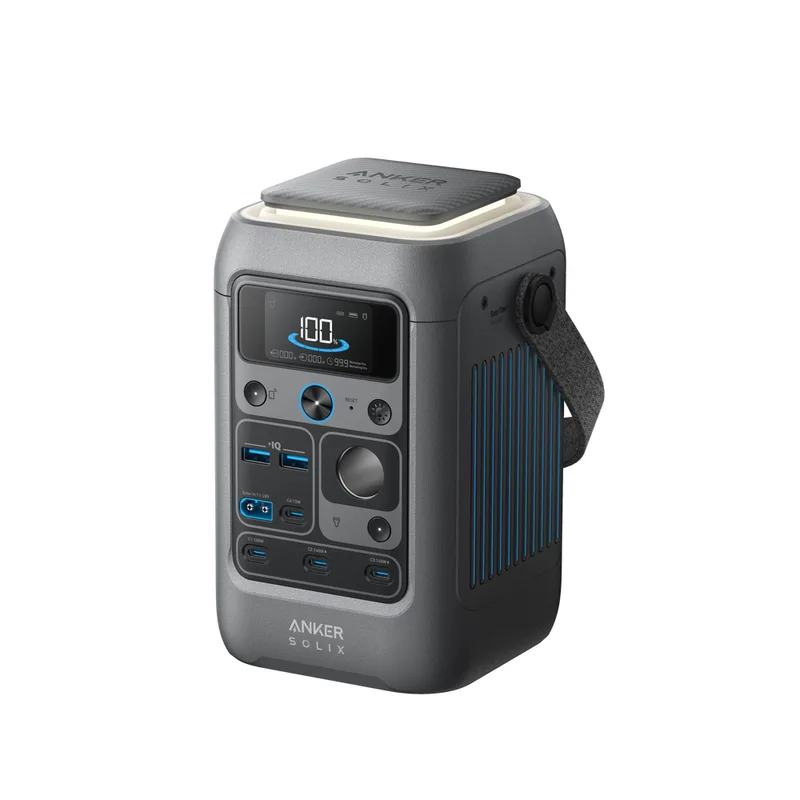 Anker Anker SOLIX C300 DC | 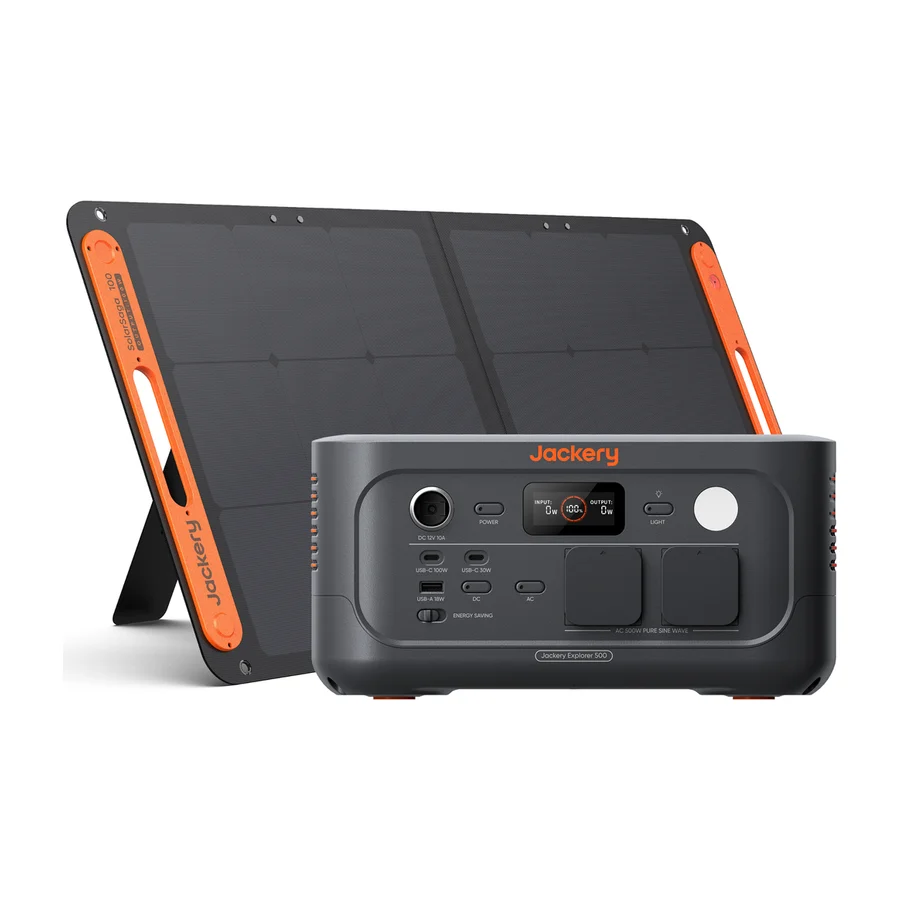 Jackery Jackery Explorer 500 v2 | 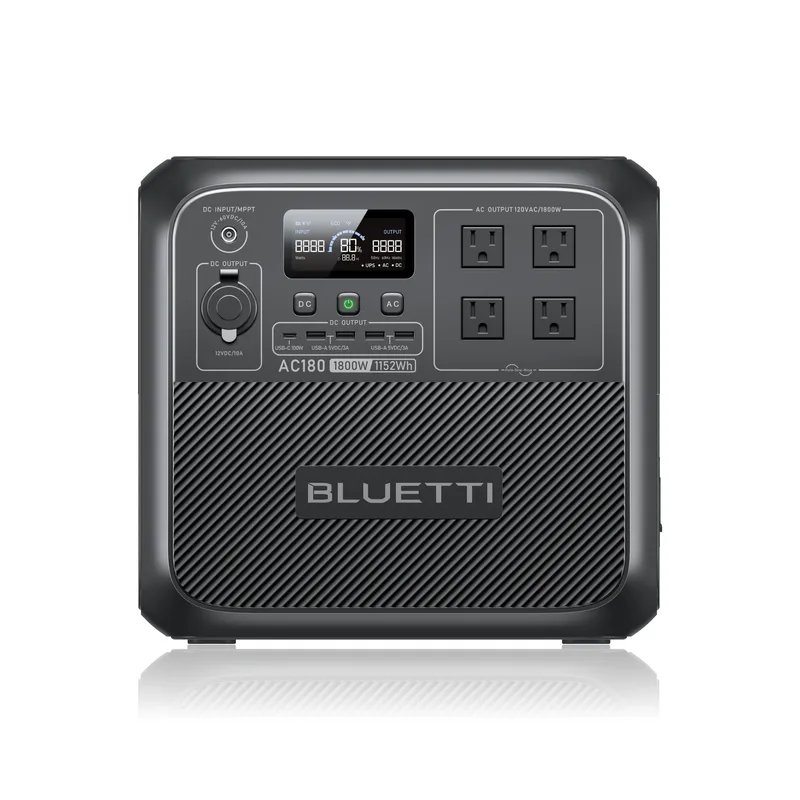 Bluetti Bluetti AC180 | 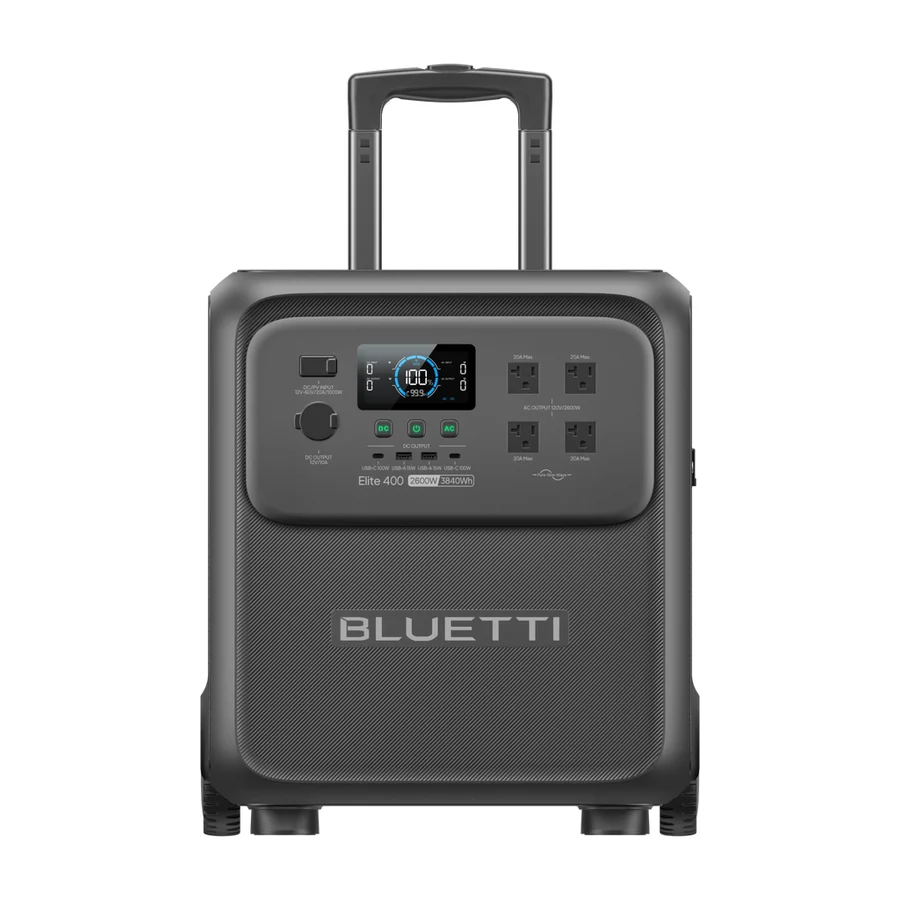 Bluetti Bluetti Elite 400 | 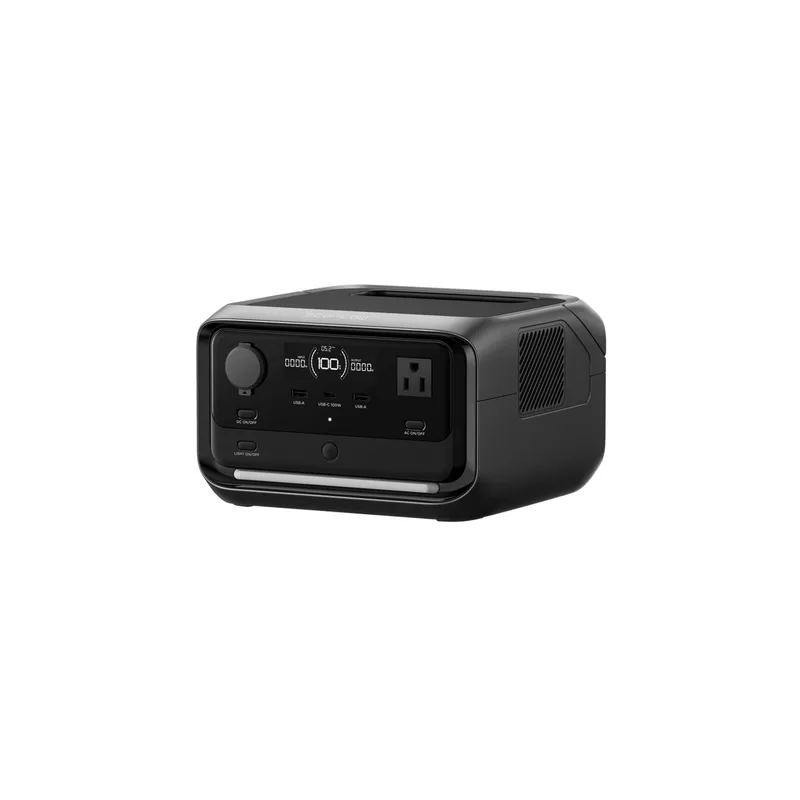 EcoFlow EcoFlow RIVER 3 Plus | 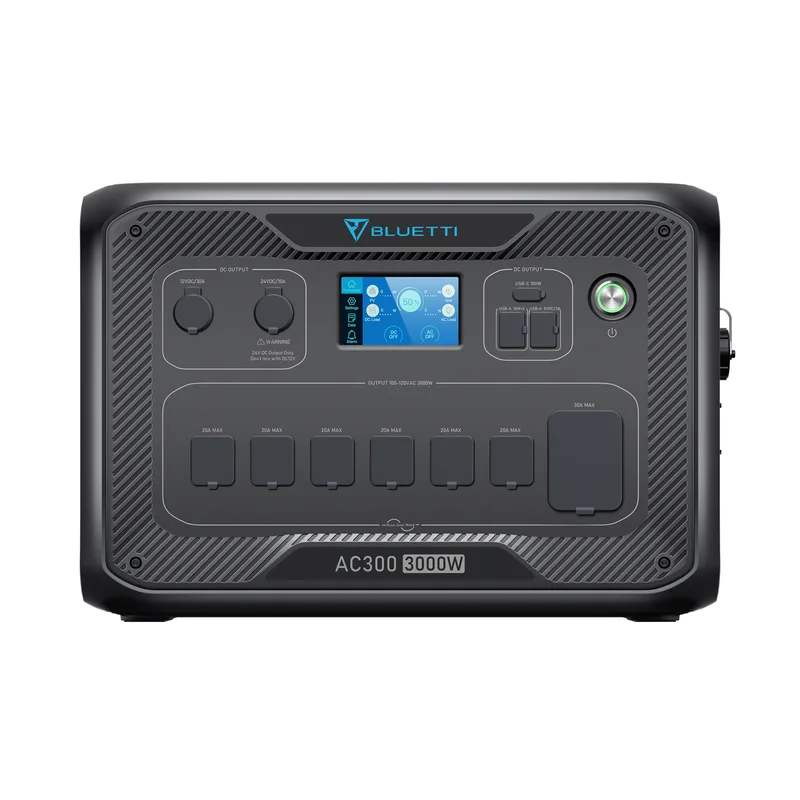 Bluetti Bluetti AC300 | 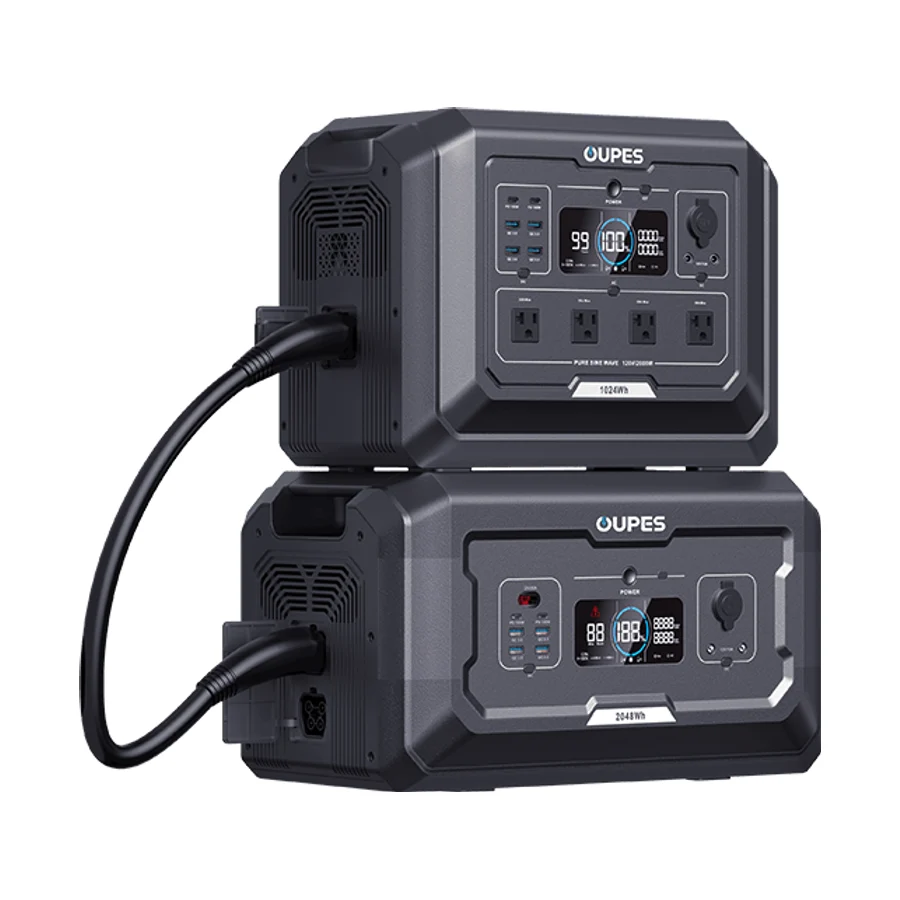 Oupes Oupes Mega 1 | 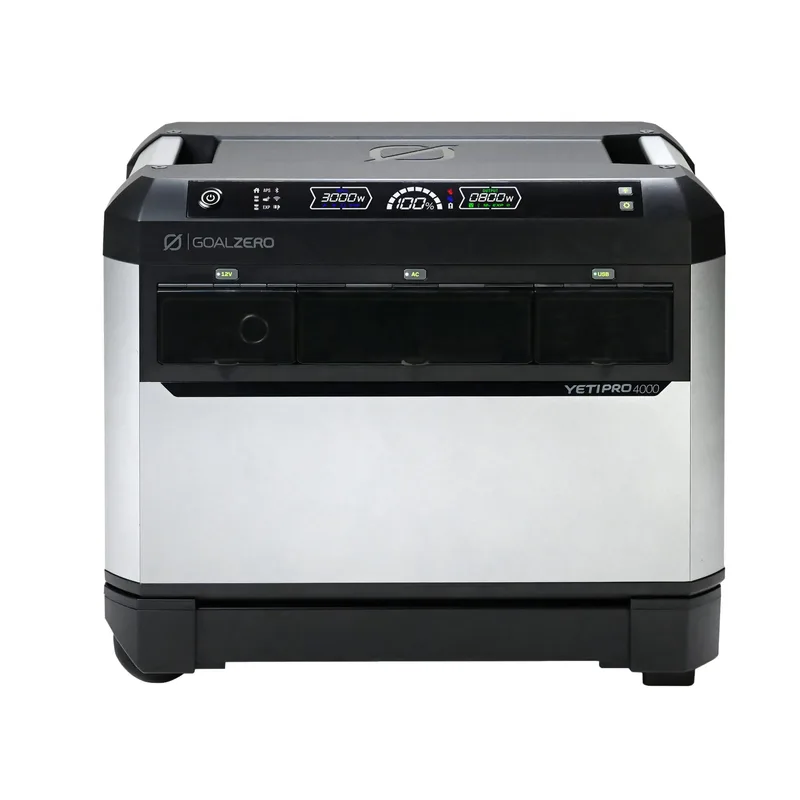 Goal Zero Goal Zero Yeti Pro 4000 | 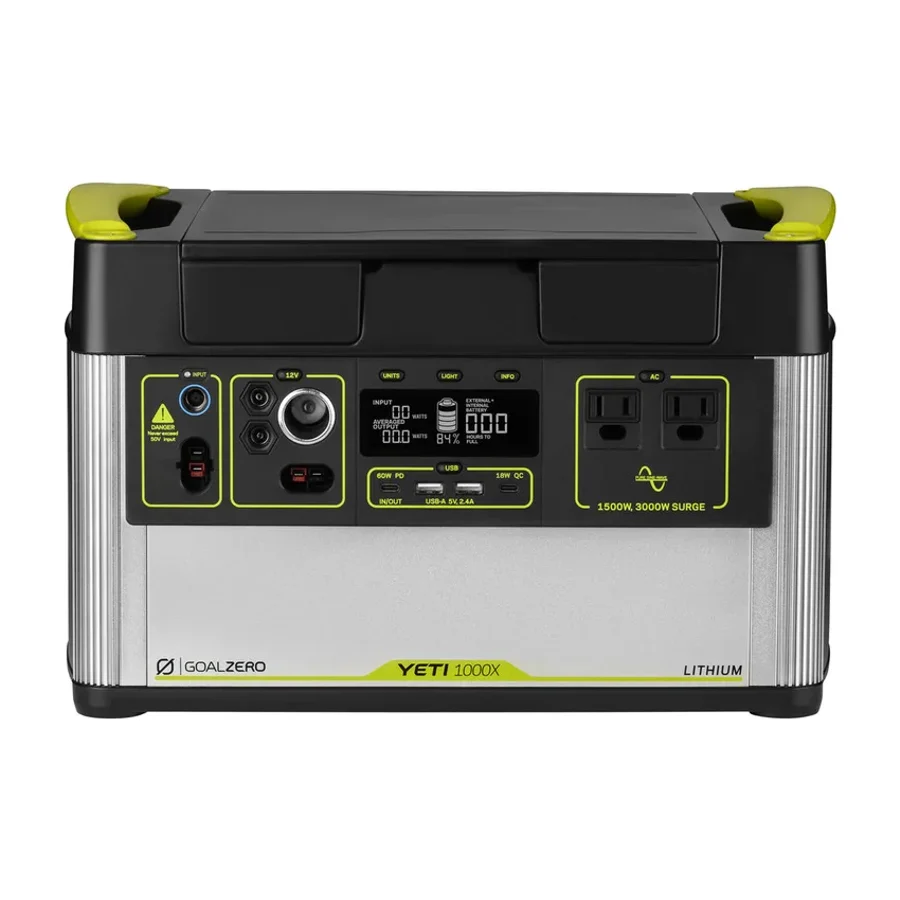 Goal Zero Goal Zero Yeti 1000X |  Yoshino Yoshino Power B4000 SST | 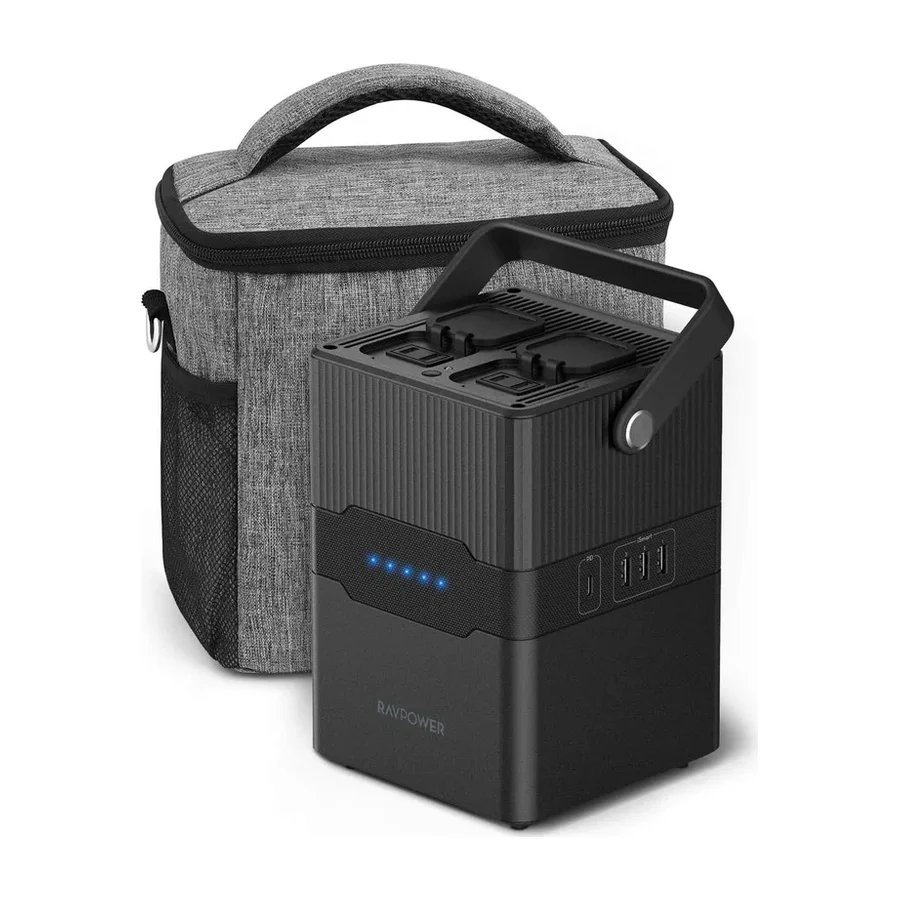 RAVPower RAVPower Portable Power Station 252.7Wh Power House | 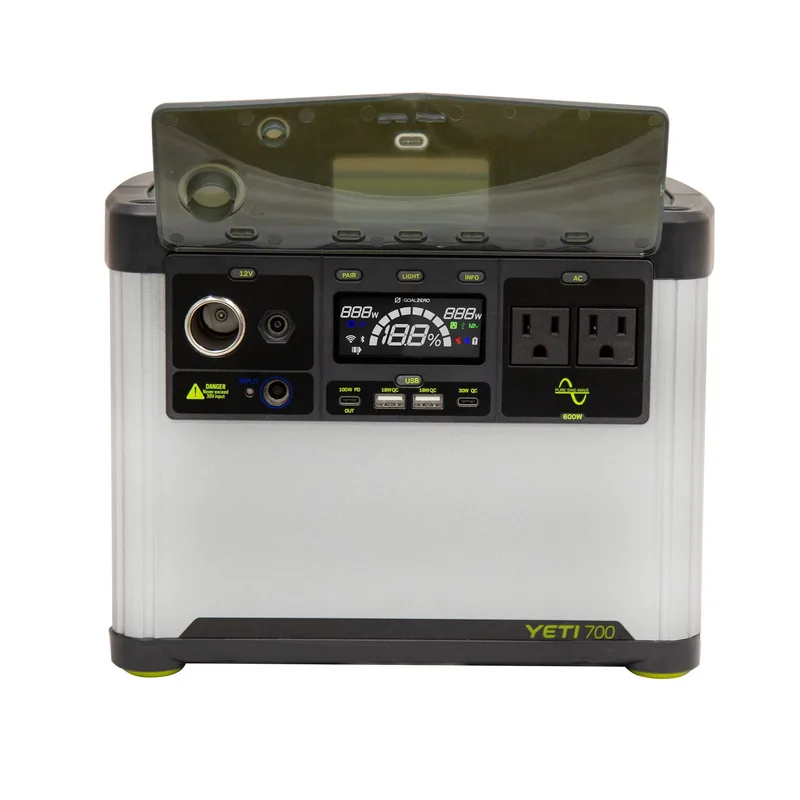 Goal Zero Goal Zero Yeti 700 | 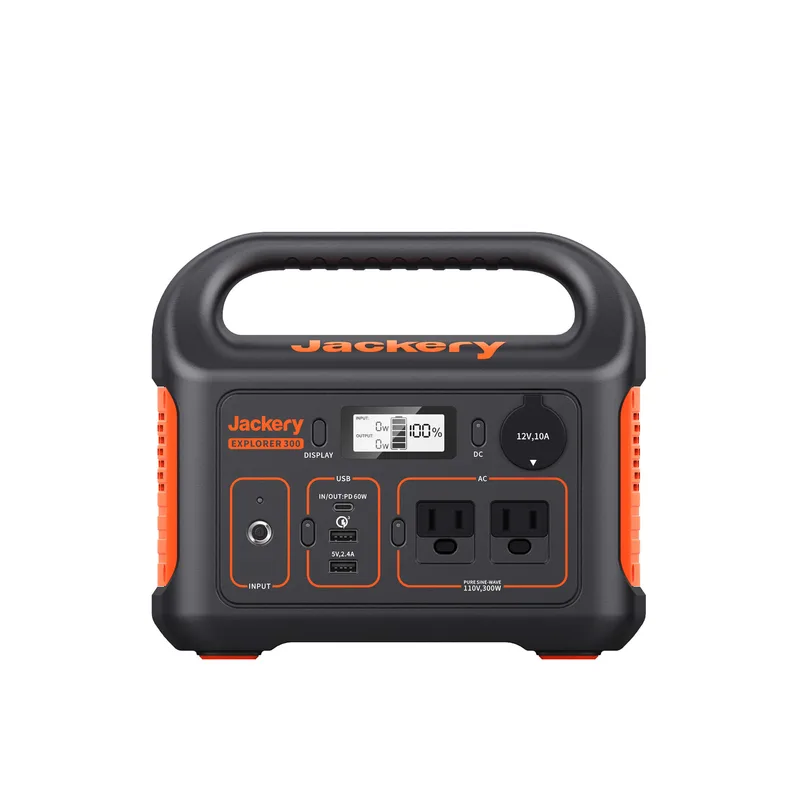 Jackery Jackery Explorer 300 |
|---|---|---|---|---|---|---|---|---|---|---|---|---|---|---|---|---|---|---|---|---|---|---|---|---|---|---|---|---|---|---|---|---|
| Tier | S | A | A | A | B | B | B | B | B | B | B | B | B | B | B | C | C | C | C | C | D | D | D | D | D | D | D | D | F | F | F | F |
| Rank on this board | 1 of 32 | 2 of 32 | 3 of 32 | 4 of 32 | 5 of 32 | 6 of 32 | 7 of 32 | 8 of 32 | 9 of 32 | 10 of 32 | 11 of 32 | 12 of 32 | 13 of 32 | 14 of 32 | 15 of 32 | 16 of 32 | 17 of 32 | 18 of 32 | 19 of 32 | 20 of 32 | 21 of 32 | 22 of 32 | 23 of 32 | 24 of 32 | 25 of 32 | 26 of 32 | 27 of 32 | 28 of 32 | 29 of 32 | 30 of 32 | 31 of 32 | 32 of 32 |
| Ladder points | 976 LP | 780 LP | 769 LP | 697 LP | 643 LP | 618 LP | 594 LP | 583 LP | 576 LP | 574 LP | 568 LP | 547 LP | 530 LP | 518 LP | 511 LP | 498 LP | 491 LP | 488 LP | 461 LP | 367 LP | 352 LP | 344 LP | 340 LP | 317 LP | 299 LP | 281 LP | 261 LP | 226 LP | 191 LP | 173 LP | 169 LP | 138 LP |
| Our verdict | Anker's 10-year design-life engineering and the category's best support reputation make it the strongest long-ownership bet, held back from first only by a shorter large-scale field track record than the River 2 Pro. | Big LFP capacity with high cycle life from an established brand. A set-and-forget unit whose platform has years of field history behind it. | The strongest firmware and app ecosystem in the category means this unit actually improves over time, and EcoFlow's service network is broad. | Four separate positive reviews from major 2026 outlets make it the most validated new entrant in the category. | Outside's Best Value award for 1.5kWh of capacity says it all. The cheapest way into serious capacity, and the lens's archetype. | The Solar Lab's own value verdict is "a steal": flagship-class whole-home output at a mid-tier commitment, exactly what this lens rewards. | The most proven product on the board: Wirecutter's sustained top pick across multiple guide cycles, LFP chemistry, and a huge owner base with a clean reliability record. Ownership over years is exactly what it is bought for. | The LFP v2 fixes the chemistry of the old model and pairs it with Jackery's long field-reliability record and 5-year warranty. | The single best performance-per-unit-of-spend on the board: a 1,024Wh battery, 1,800W inverter and fast recharging that multiple outlets independently call the best value they have tested at this capacity. | Business Insider's top pick on the current generation, combining Jackery's clean failure-rate reputation with modern LFP chemistry. | PCMag's Editors' Choice for the best overall balance of power, efficiency and expandability. You pay more than the Elite units but get expandability they lack. | The value gateway to 3kWh expandable power. Mid-pack here only because most buyers do not need this much battery. | Excellent UPS performance and strong verdicts from PCMag and The Solar Lab, ranked here because it is newer and has less multi-year field data than the units above. | Over 3kWh and 2,400W in the most compact body in its class, with outlet after outlet calling it the best bang-for-buck big station. | Aging but proven, with years of owner data and full Anker support behind it. Buy only at a discount now that the Gen 2 line exists. | Excellent engineering and build, but DJI's power-station service infrastructure is young, and proven support is what counts for a purchase this size. | The home-backup benchmark with deep expansion and active software support. Ranked below the mid-size picks because its ownership case only makes sense if you need whole-home capacity. | Flawless marks from The Gadgeteer and 9to5Toys on a current-generation platform, with slightly thinner top-outlet coverage than the units above it. | PCMag's excellent UPS verdict plus the DELTA 3 platform's high-cycle LFP battery make it the best daily-cycling workhorse here. | Perfect at its narrow job. That narrowness caps it at the bottom of the picks. | TechRadar and T3 both endorse the current model, and Jackery reliability plus LFP make it durability-safe, but its small capacity limits what years of ownership can look like. | Superseded by its own successor and the Elite line. It survives on its old budget-king reputation while the Bluetti Elite 100 V2 and the AC180T beat it on capacity, charging and flexibility. | The lightest unit on the market for its storage capacity makes it superb value per watt-hour, held back one spot by an inverter that is modest for the class. | A fine small unit miscast in this category. Buyers needing real backup will outgrow its sub-300Wh capacity immediately. | Cannot even power a device without a separately purchased battery module. The opposite of something that simply works out of the box. | Spec-sheet value that depends entirely on an unproven warranty and service operation. Exactly the kind of buy to be wary of. | Honestly built but outclassed: flagship pricing without flagship performance, output, or support speed. The Anker F3800 Plus or Delta Pro 3 give you more for less. | It works fine out of the box, which earns it this spot over the other traps, but you are paying flagship money for 2019 performance. Buy the Delta 3 Plus. | The worst value on the board: solid-state hype pricing for capacity and weight that mainstream LFP rivals beat at a fraction of the cost. Buy the EcoFlow DELTA Pro 3 or Anker SOLIX F3000 instead. | Weak output, dated design, and a brand whose support infrastructure has effectively evaporated. Do not buy at any price. | The classic brand-name tax: it went through OutdoorGearLab's head-to-head but wins no current expert honors, and newer LiFePO4 rivals from Bluetti and EcoFlow outclass it per watt-hour. | Big-view real-world test proves the tiny unit punches above its weight, but it's a niche creator-workload endorsement. |
| What reviewers rate |
|
|
|
|
|
|
|
|
|
|
|
|
|
|
|
|
|
|
| Nothing recorded |
|
|
|
| Nothing recorded |
|
| Nothing recorded |
| Nothing recorded |
|
|
| Where it falls short | Nothing recorded |
| Nothing recorded |
|
|
|
| Nothing recorded |
|
|
|
|
|
|
|
|
|
|
| Nothing recorded |
|
|
|
| Nothing recorded |
|
| Nothing recorded |
| Nothing recorded |
|
|
| Evidence behind it | 68 sources across 56 outlets | 80 sources across 62 outlets | 24 sources across 19 outlets | 72 sources across 47 outlets | 21 sources across 16 outlets | 52 sources across 40 outlets | 60 sources across 43 outlets | 48 sources across 35 outlets | 14 sources across 13 outlets | 71 sources across 51 outlets | 109 sources across 68 outlets | 67 sources across 43 outlets | 14 sources across 12 outlets | 116 sources across 82 outlets | 46 sources across 33 outlets | 70 sources across 52 outlets | 90 sources across 54 outlets | 51 sources across 43 outlets | 7 sources across 6 outlets | 67 sources across 52 outlets | 6 sources across 6 outlets | 88 sources across 65 outlets | 51 sources across 41 outlets | 58 sources across 39 outlets | 56 sources across 42 outlets | 59 sources across 40 outlets | 13 sources across 12 outlets | 10 sources across 9 outlets | 3 sources across 3 outlets | 1 source across 1 outlet Thin sourcing, read it as provisional | 13 sources across 11 outlets | 45 sources across 37 outlets |
| Flagged as one to avoid | Not flagged | Not flagged | Not flagged | Not flagged | Not flagged | Not flagged | Not flagged | 1 of 8 research runs | Not flagged | Not flagged | Not flagged | Not flagged | Not flagged | Not flagged | Not flagged | Not flagged | Not flagged | Not flagged | Not flagged | Not flagged | 1 of 2 research runs | 2 of 7 research runs | Not flagged | 2 of 6 research runs | Not flagged | 1 of 3 research runs | 3 of 7 research runs | Not flagged | 2 of 4 research runs | Not flagged | 1 of 3 research runs | Not flagged |
| Announced | Not recorded | Not recorded | Not recorded | Not recorded | Not recorded | Not recorded | Not recorded | Not recorded | Not recorded | Not recorded | Not recorded | Not recorded | Not recorded | Not recorded | Not recorded | Not recorded | Not recorded | Not recorded | Not recorded | Not recorded | Not recorded | Not recorded | Not recorded | Not recorded | Not recorded | Not recorded | Not recorded | Not recorded | Not recorded | Not recorded | Not recorded | Not recorded |
| Where to buy | Check it | Check it | Check it | Check it | Check it | Check it | Check it | Check it | Check it | Check it | Check it | Check it | Check it | Check it | Check it | Check it | Check it | Check it | Check it | Check it | Check it | Check it | Check it | Check it | Check it | Check it | Check it | Check it | Check it | Check it | Check it | Check it |
Every column is the same research that built the board. Nothing here is a specification sheet copied from a maker. Read how we rank for what a tier and a ladder point mean.