Compare Graphics Cards
15 ranked products · Two to 4 at a time · Updated 25 Aug 2026
Pick any two to four of the 15 ranked graphics cards and read them side by side. This page opens on the board's top 3, AMD Radeon RX 9070 XT, Nvidia GeForce RTX 5070 Ti and AMD Radeon RX 9070.
Choose what to compare
3 of 4 chosen
S
A
B
C
D
F
| Measure | 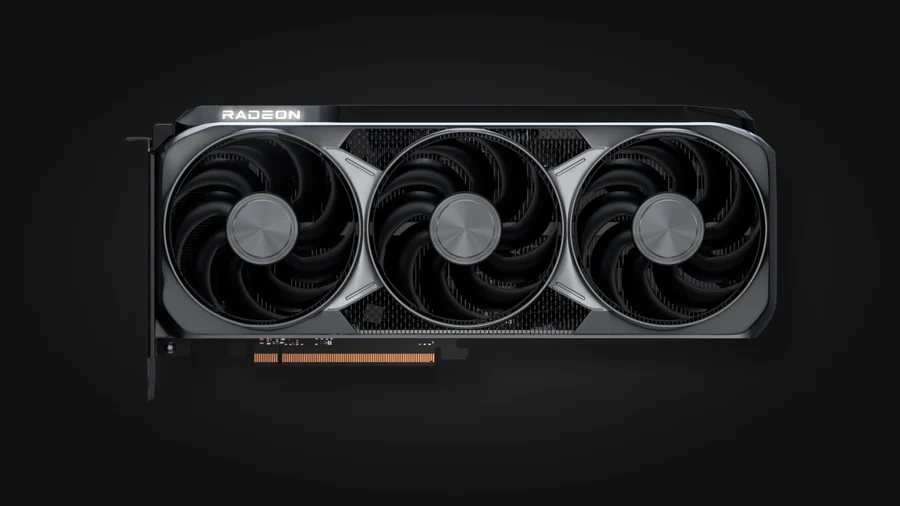 AMD AMD Radeon RX 9070 XT AMD AMD Radeon RX 9070 XT | 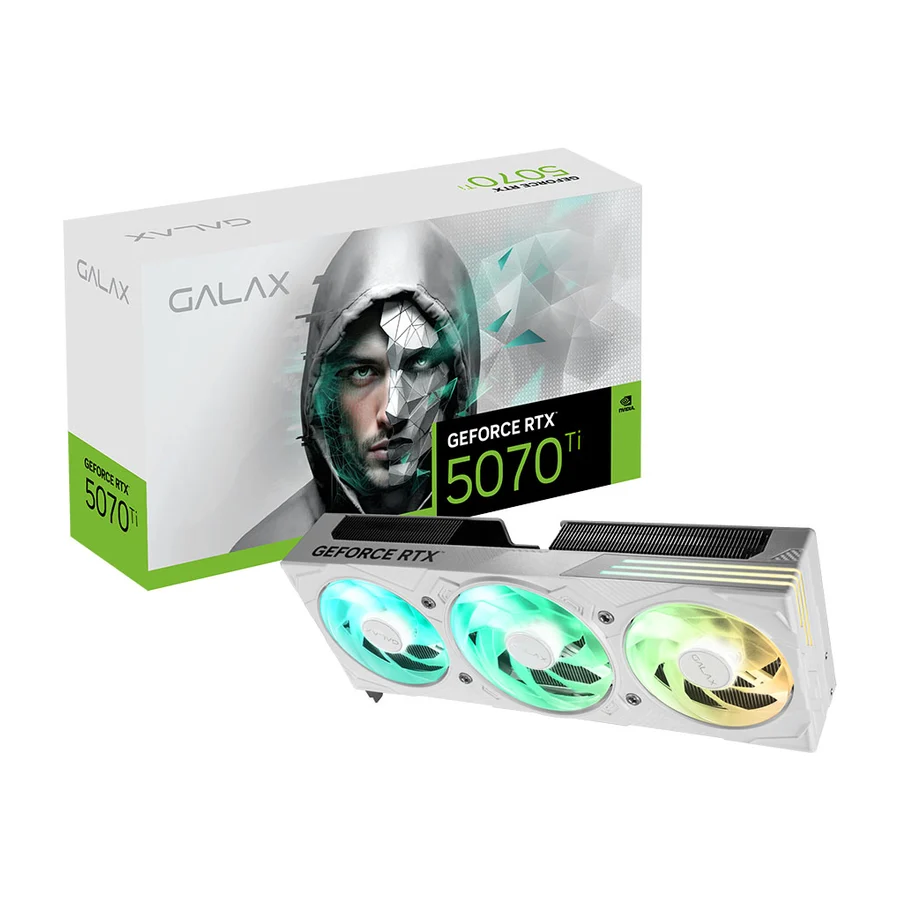 Nvidia Nvidia GeForce RTX 5070 Ti Nvidia Nvidia GeForce RTX 5070 Ti | 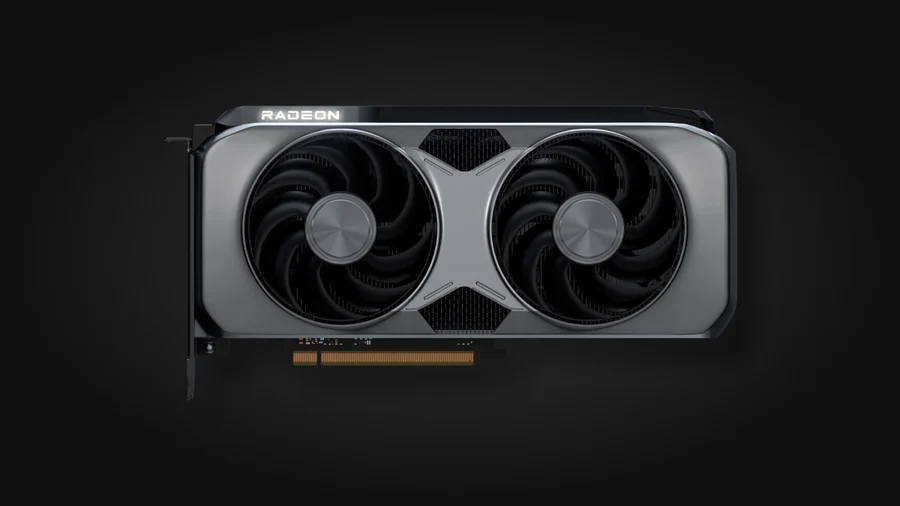 AMD AMD Radeon RX 9070 AMD AMD Radeon RX 9070 | 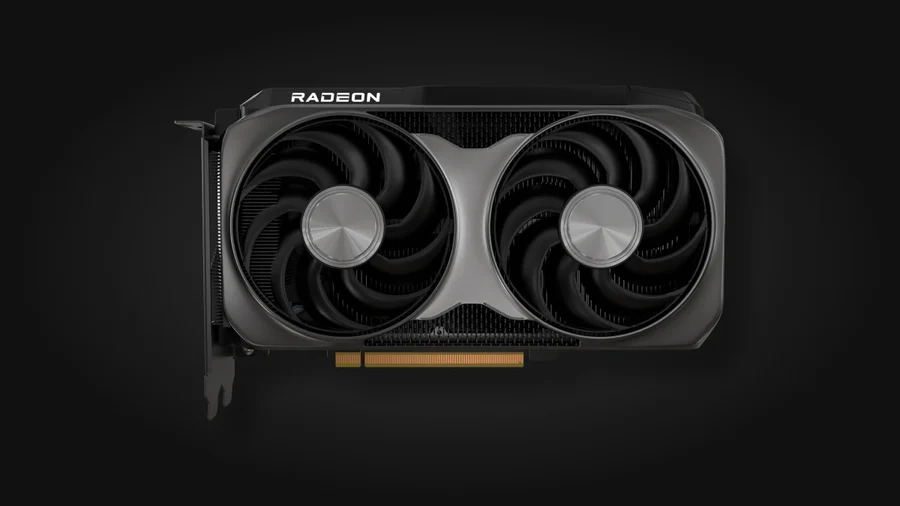 AMD AMD Radeon RX 9060 XT 16GB AMD AMD Radeon RX 9060 XT 16GB | 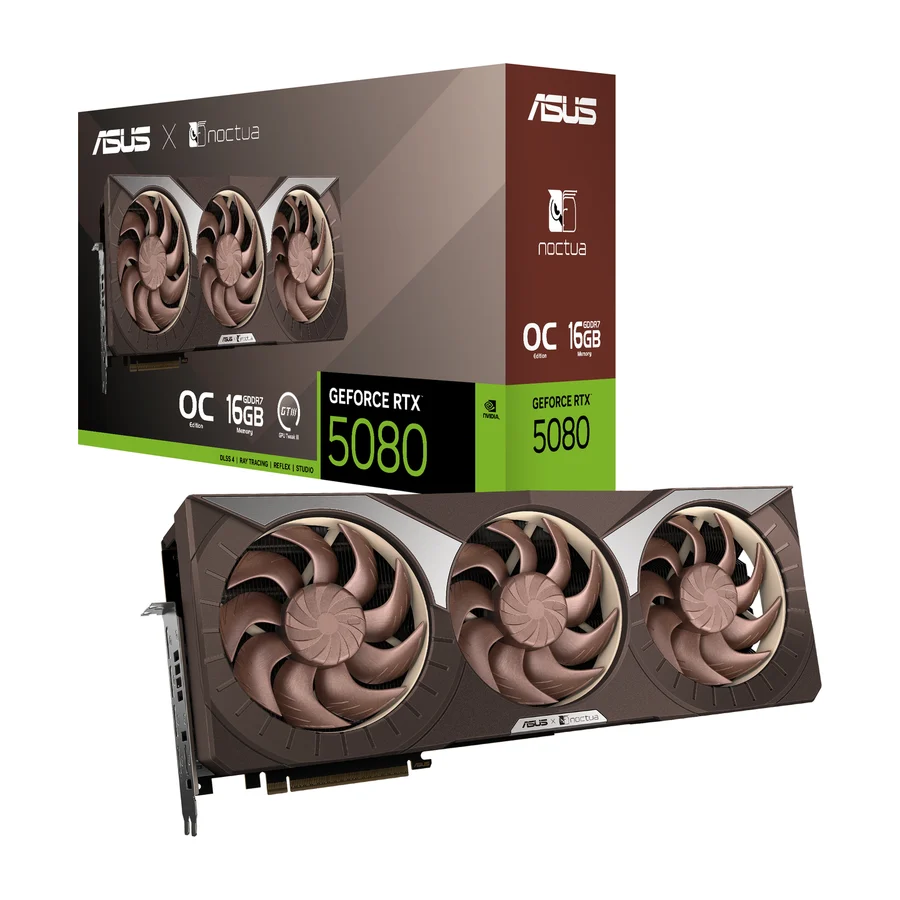 Nvidia Nvidia GeForce RTX 5080 Nvidia Nvidia GeForce RTX 5080 | 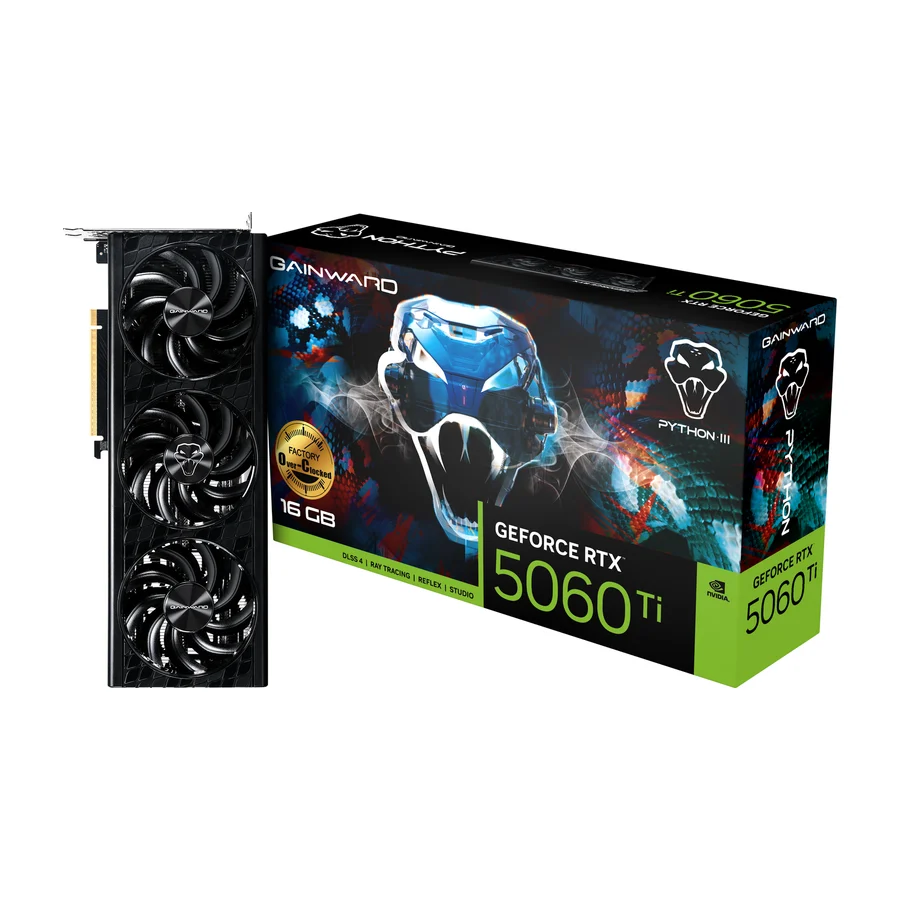 Nvidia Nvidia GeForce RTX 5060 Ti 16GB Nvidia Nvidia GeForce RTX 5060 Ti 16GB | 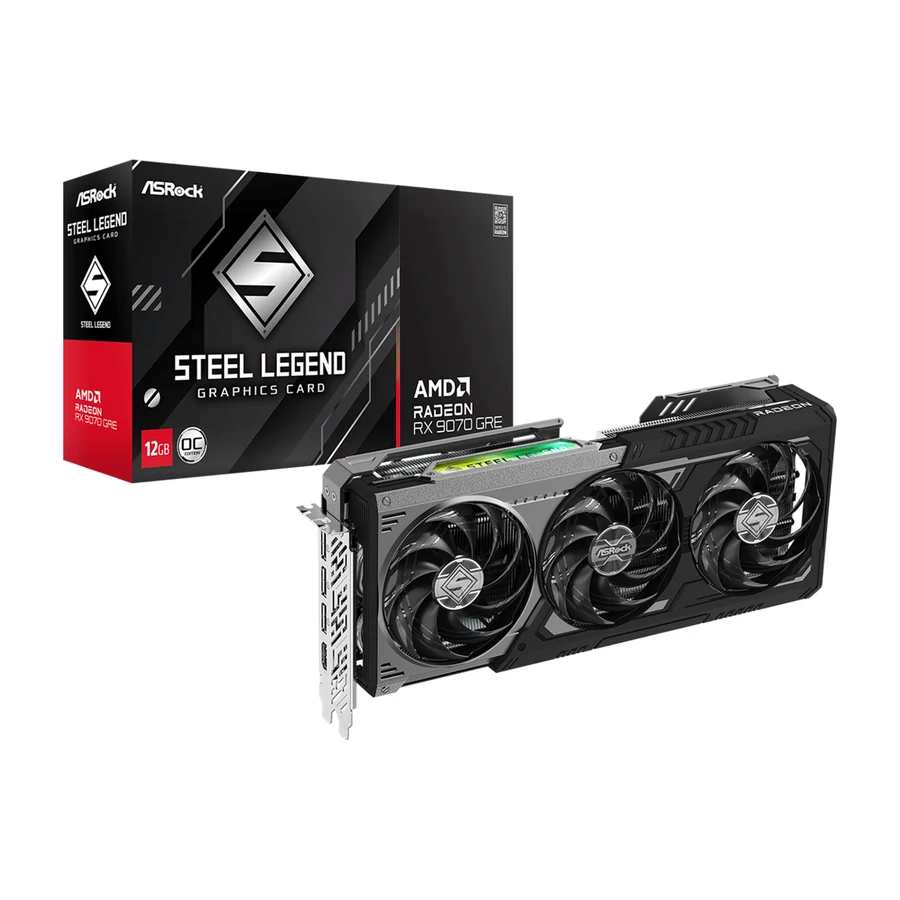 AMD AMD Radeon RX 9070 GRE AMD AMD Radeon RX 9070 GRE | 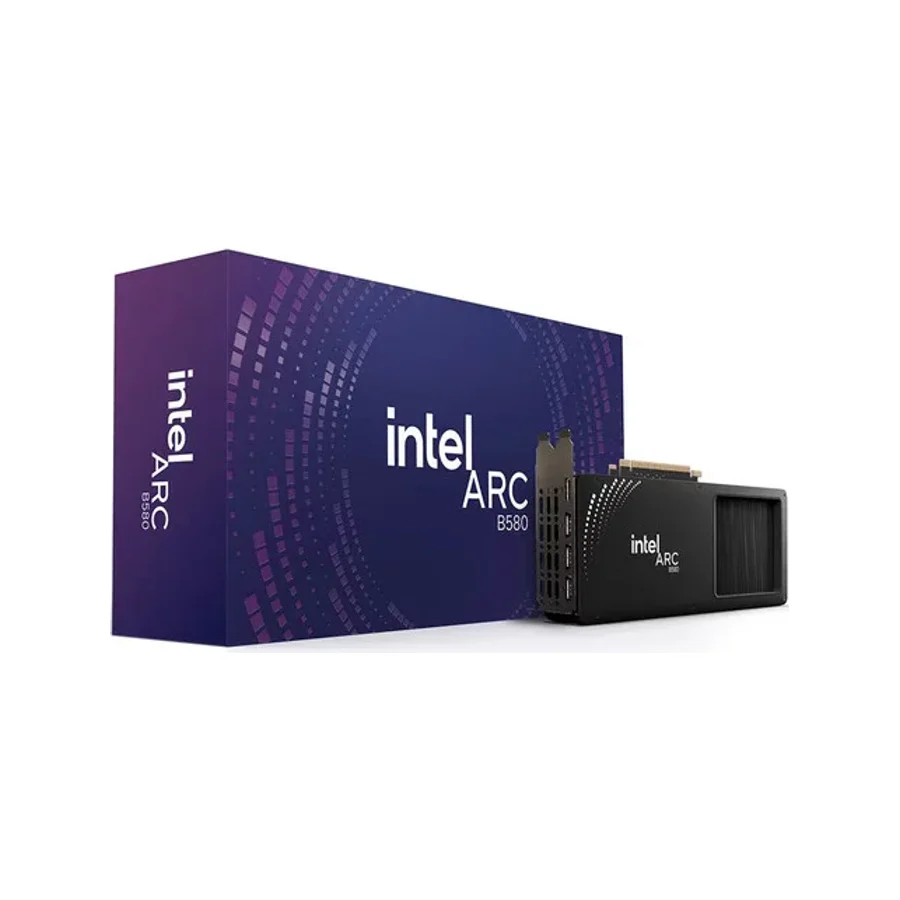 Intel Intel Arc B580 Intel Intel Arc B580 | 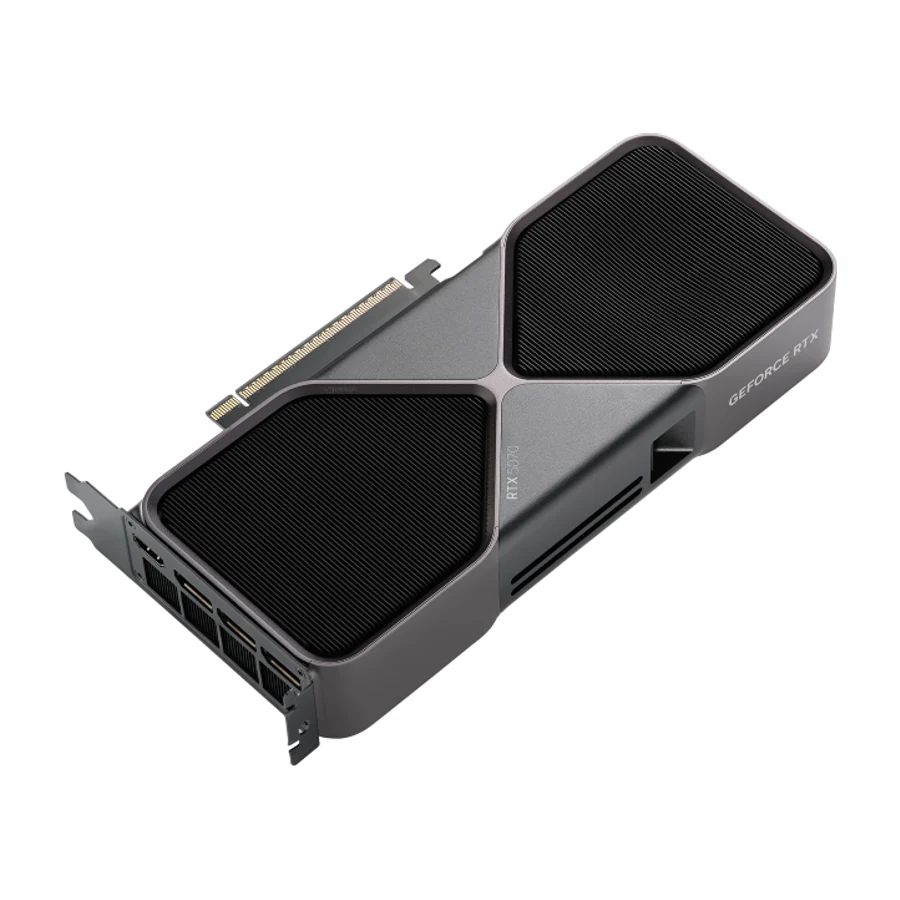 Nvidia Nvidia GeForce RTX 5070 Nvidia Nvidia GeForce RTX 5070 | 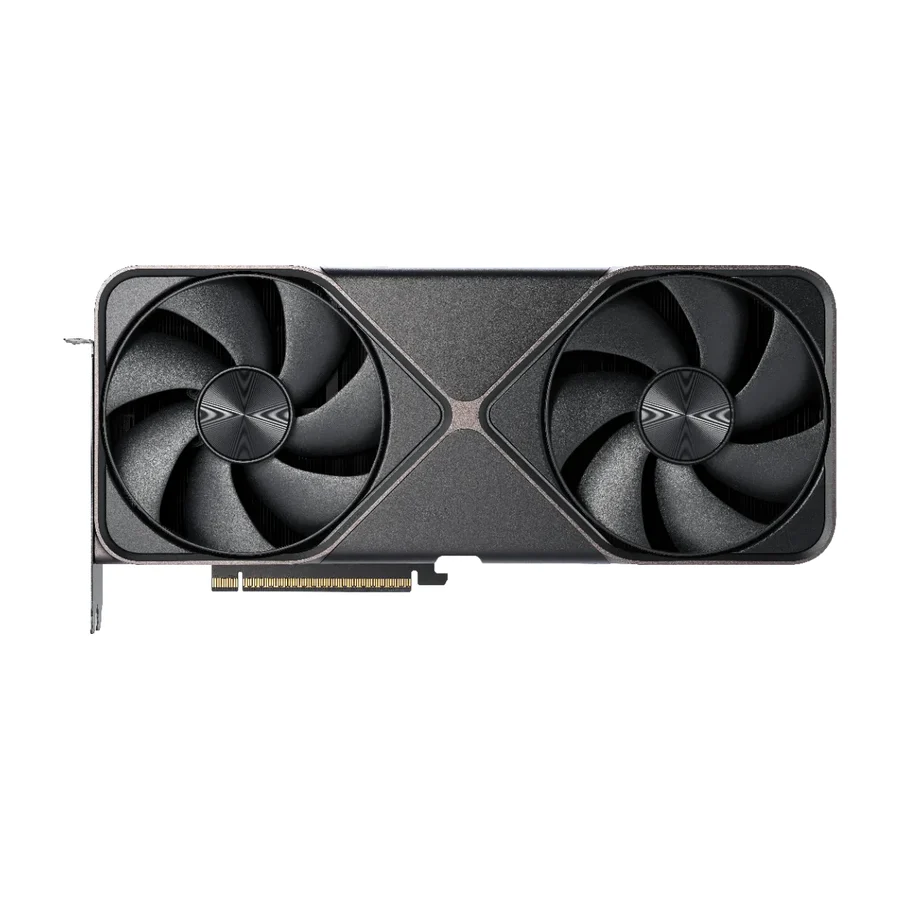 Nvidia Nvidia GeForce RTX 5090 Nvidia Nvidia GeForce RTX 5090 | 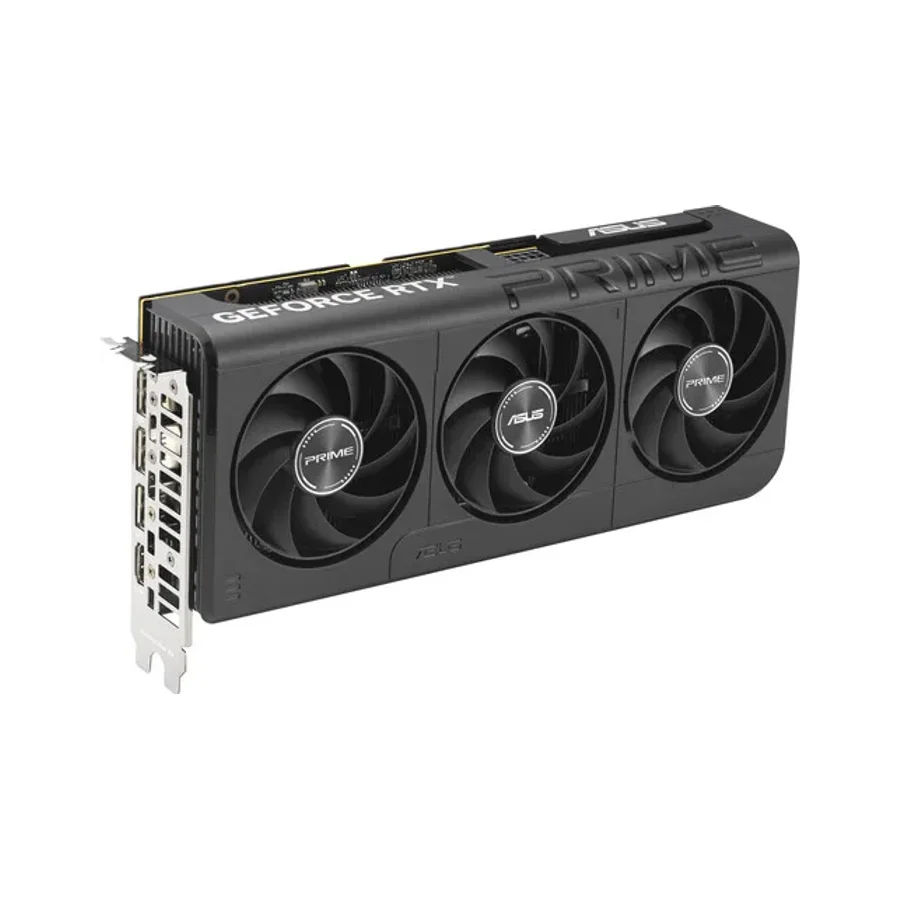 Nvidia Nvidia GeForce RTX 5060 Nvidia Nvidia GeForce RTX 5060 | 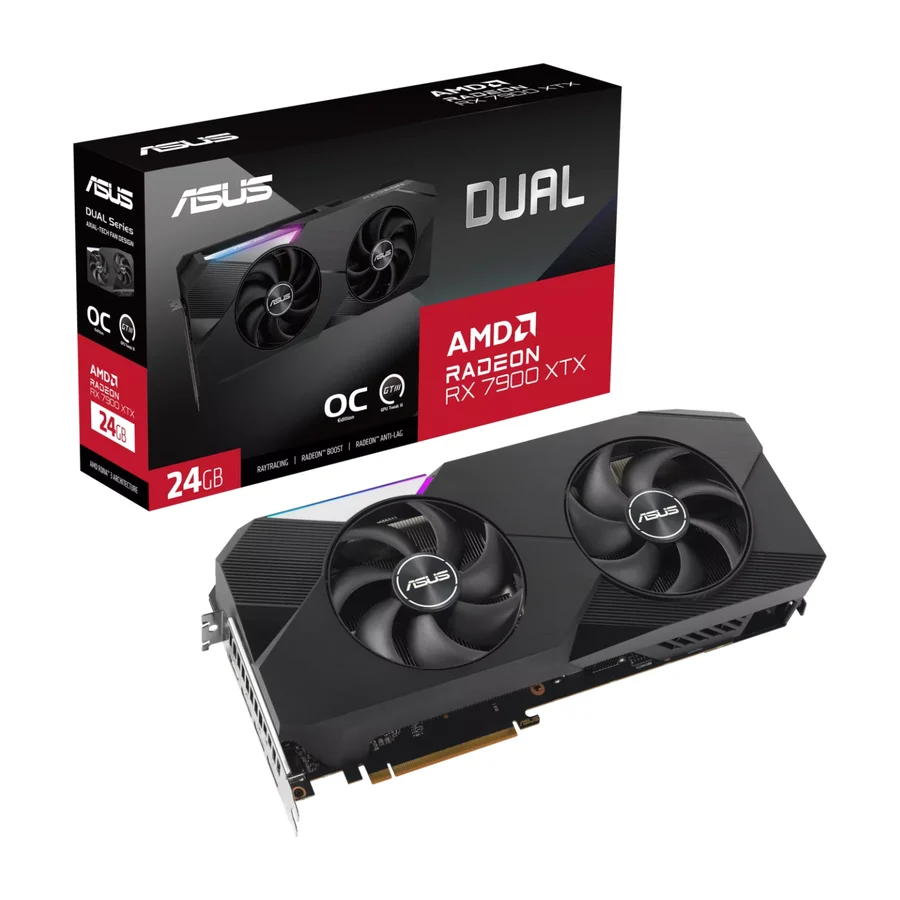 AMD AMD Radeon RX 7900 XTX AMD AMD Radeon RX 7900 XTX | 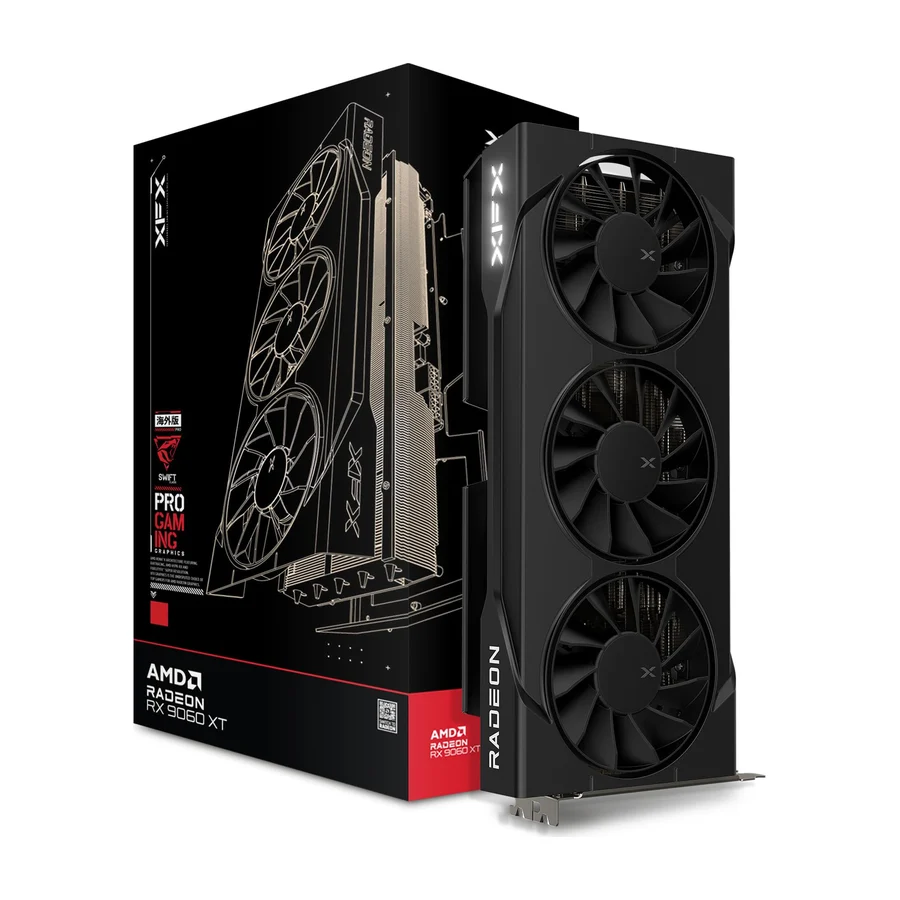 AMD AMD Radeon RX 9060 XT 8GB AMD AMD Radeon RX 9060 XT 8GB | 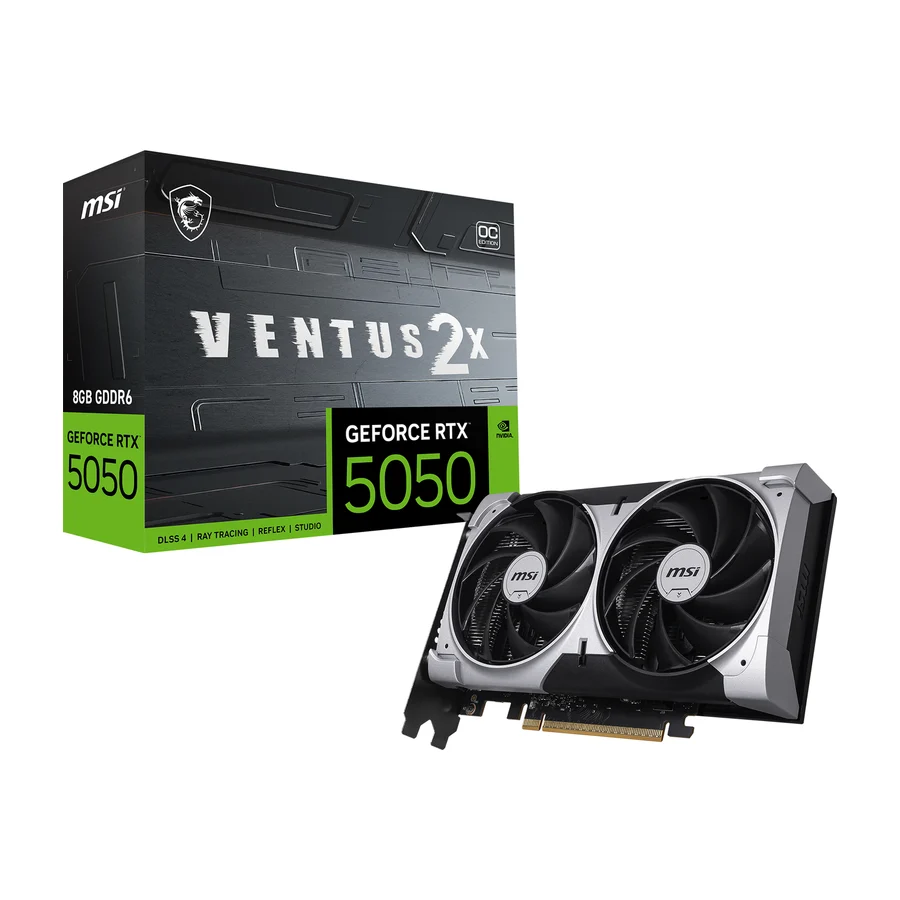 Nvidia Nvidia GeForce RTX 5050 Nvidia Nvidia GeForce RTX 5050 | 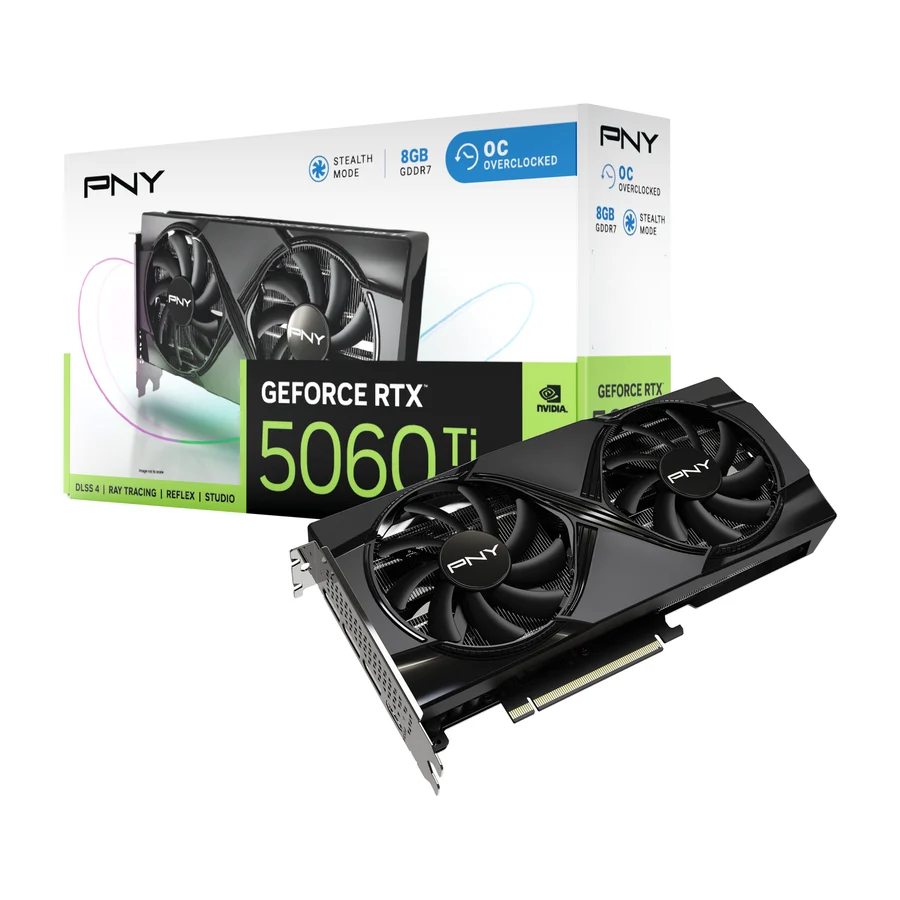 Nvidia Nvidia GeForce RTX 5060 Ti 8GB Nvidia Nvidia GeForce RTX 5060 Ti 8GB |
|---|---|---|---|---|---|---|---|---|---|---|---|---|---|---|---|
| Tier | S | A | A | B | C | C | C | C | C | C | D | F | F | F | F |
| Rank on this board | 1 of 15 | 2 of 15 | 3 of 15 | 4 of 15 | 5 of 15 | 6 of 15 | 7 of 15 | 8 of 15 | 9 of 15 | 10 of 15 | 11 of 15 | 12 of 15 | 13 of 15 | 14 of 15 | 15 of 15 |
| Ladder points | 943 LP | 816 LP | 691 LP | 619 LP | 463 LP | 460 LP | 443 LP | 430 LP | 400 LP | 399 LP | 329 LP | 201 LP | 87 LP | 27 LP | 27 LP |
| Our verdict | Best performance-per-dollar of the generation with 16GB and FSR 4 longevity. Docked slightly for wider partner-card quality spread and some 12V-2x6 implementations. | The best long-term hold in the category: 16GB, mature board designs, efficient, and backed by the industry's longest driver support tail. | PC Gamer's best overall GPU, and its lower power draw is genuinely kinder to the silicon over years of use. | The value king of this generation, and 16GB at this price is the strongest aging insurance available in the mid-range. | A fine card at a bad price, outclassed as a purchase by the 5070 Ti below it and the 9070 XT across the aisle. Reviewers are openly telling people not to buy it at asking price. | The correct mainstream Nvidia buy. VRAM headroom plus DLSS longevity means it will still be competent in 2030. | Solid current-gen hardware hurt by awkward positioning and spotty availability. Buy only if priced well below the 9070. | The best hardware-per-dollar here, ranked ninth solely because Intel's long-term commitment to discrete GPU drivers is the biggest support-risk question in the category. | Excellent card, 12GB VRAM is a real but medium-term concern. Nvidia's software support keeps it above the AMD alternatives at its tier. | Unmatched performance saddled with a 575W power envelope, documented connector melting risk, and punishing thermals. An ownership headache only halo buyers should accept. | 8GB limits its ceiling, but it is cheap, cool, reliable, and will do its stated job for years. | Ranked honestly: on pure raster it beats everything below it on this list, but as a purchase today it is a last-gen card with no FSR 4 at a near-9070-XT price. Buy the RX 9070 XT. | The 8GB twin of the best value card on the market. It will hit VRAM walls years before its 16GB sibling, and the savings are trivial. Buy the 16GB version. | The weakest buy in the entire current lineup: 8GB, barely generational performance, and a price that sits within reach of genuinely better cards from Intel and AMD. | Same 8GB trap at a higher price than AMD's equivalent mistake. Exists to upsell you to the 16GB model, so just start there. |
| What reviewers rate |
|
|
|
|
|
|
|
|
|
|
|
|
|
|
|
| Where it falls short |
|
| Nothing recorded | Nothing recorded |
| Nothing recorded |
|
|
|
|
|
|
|
|
|
| Evidence behind it | 36 sources across 33 outlets | 41 sources across 36 outlets | 59 sources across 47 outlets | 21 sources across 21 outlets | 92 sources across 77 outlets | 18 sources across 17 outlets | 12 sources across 10 outlets | 65 sources across 47 outlets | 92 sources across 73 outlets | 103 sources across 80 outlets | 75 sources across 63 outlets | 32 sources across 32 outlets | 19 sources across 17 outlets | 79 sources across 67 outlets | 15 sources across 13 outlets |
| Flagged as one to avoid | Not flagged | Not flagged | Not flagged | Not flagged | 2 of 7 research runs | Not flagged | Not flagged | Not flagged | 1 of 7 research runs | Not flagged | Not flagged | 1 of 2 research runs | 3 of 6 research runs | 2 of 6 research runs | 3 of 7 research runs |
| Announced | Not recorded | Not recorded | Not recorded | Not recorded | Not recorded | Not recorded | Not recorded | Not recorded | Not recorded | Not recorded | Not recorded | Not recorded | Not recorded | Not recorded | Not recorded |
| Where to buy | Check it | Check it | Check it | Check it | Check it | Check it | Check it | Check it | Check it | Check it | Check it | Check it | Check it | Check it | Check it |
Every column is the same research that built the board. Nothing here is a specification sheet copied from a maker. Read how we rank for what a tier and a ladder point mean.