Best Gaming Keyboards
17 products ranked across 572 cited reviews, videos and discussions · Updated 13 Sept 2026
On the stierproducts gaming keyboards board, Wooting 80HE ranks #1 in S tier, ahead of Wooting 60HE v2 (#2, A tier) and Lemokey P1 HE (#3, A tier). The board ranks 17 gaming keyboards from S (best) to F (avoid), last researched 13 Sept 2026, drawing on 572 cited reviews, videos and discussions. Placed in the bottom tiers as ones to avoid: Gamakay x NaughShark NS68, MonsGeek FUN60 Ultra, Asus ROG Falcata, and 5 others.
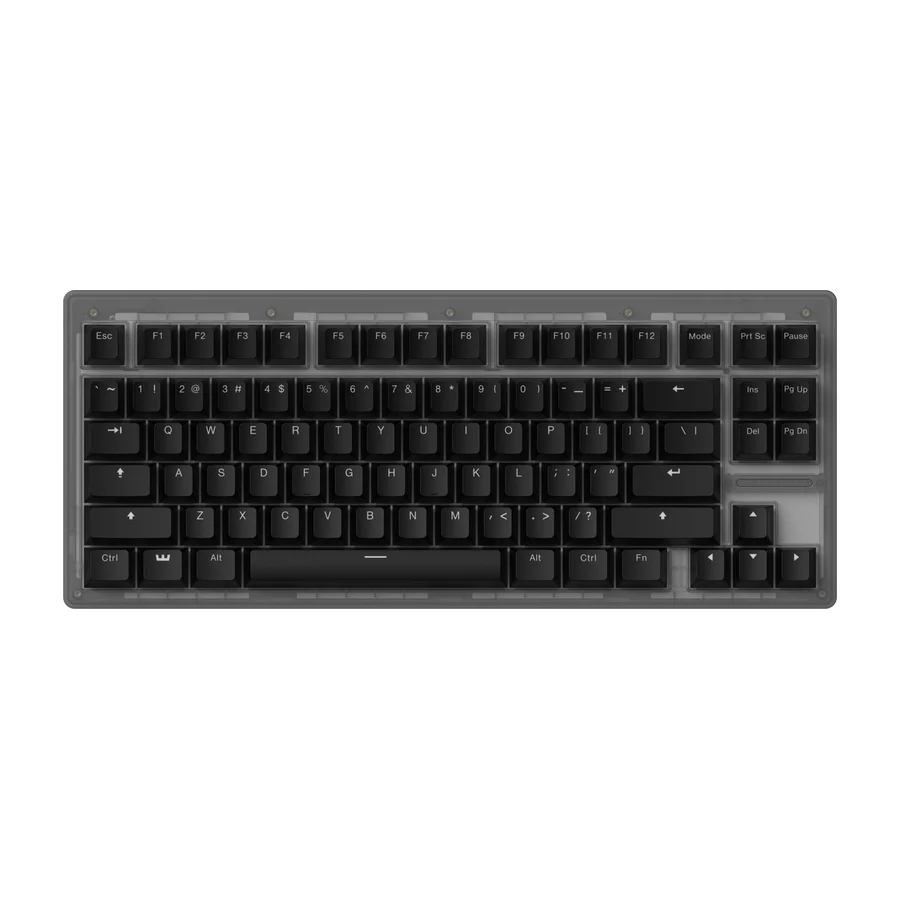
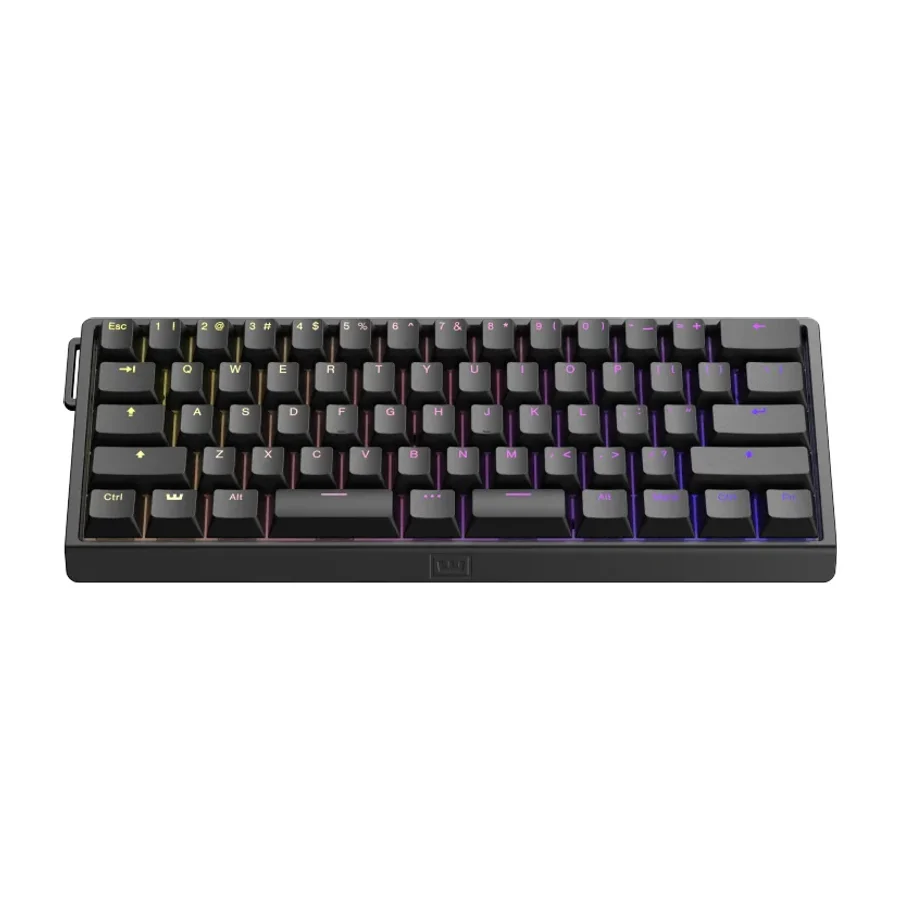
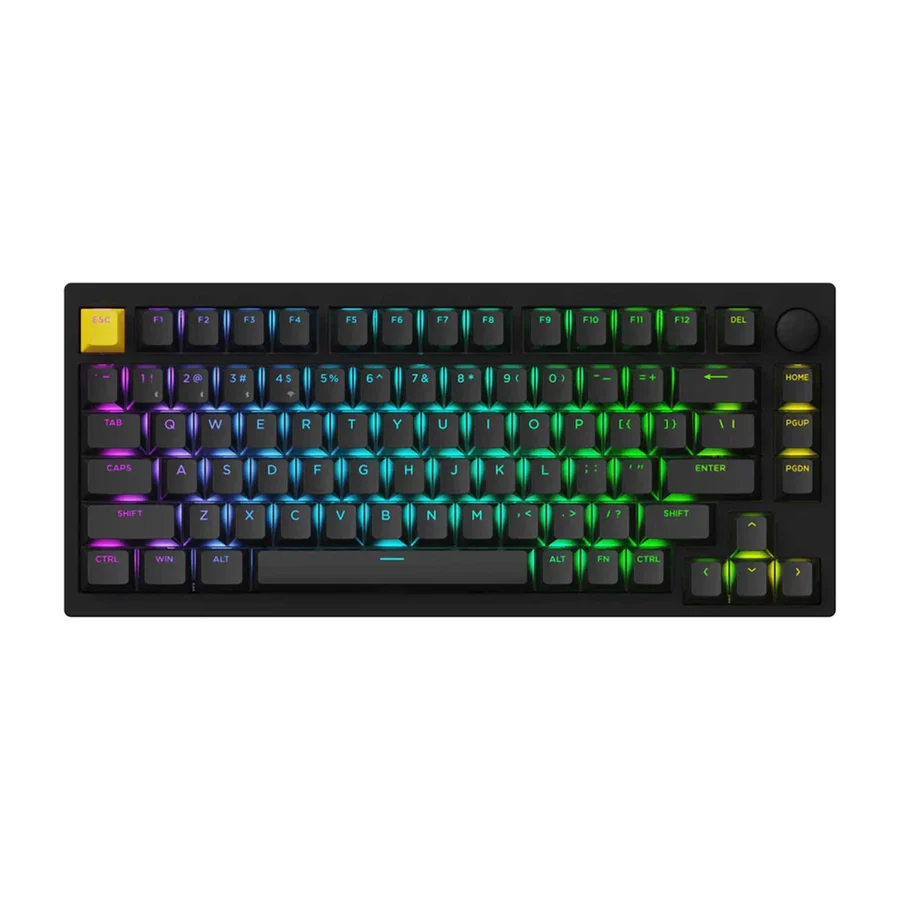
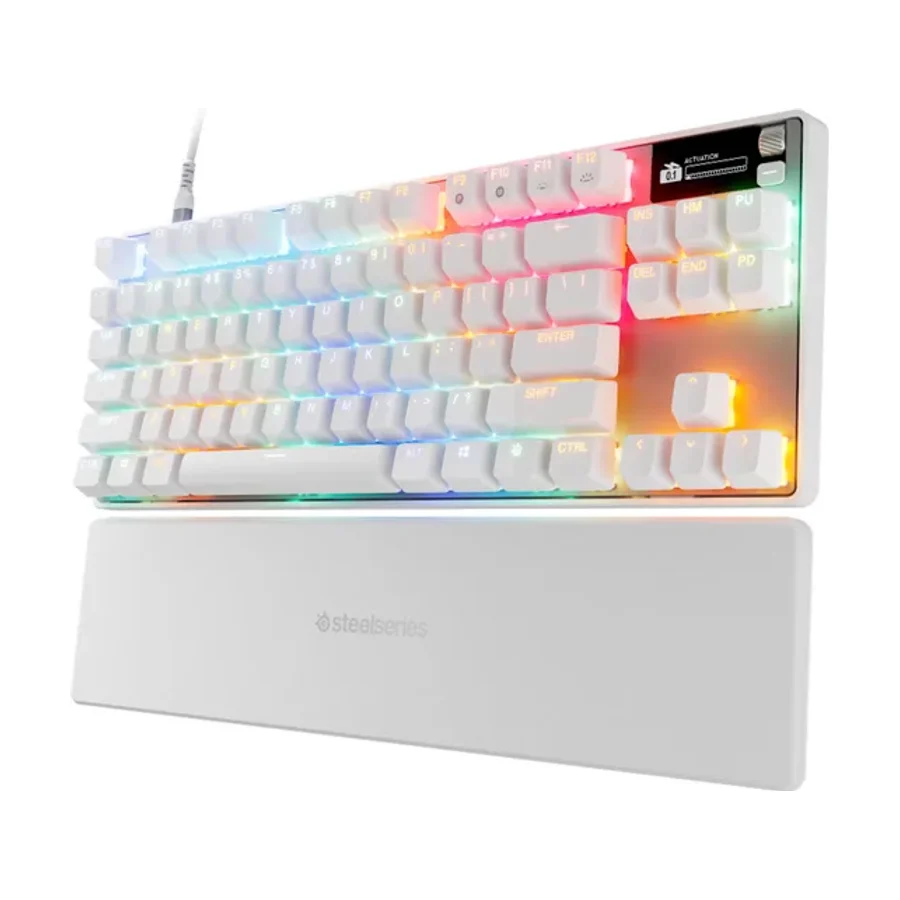
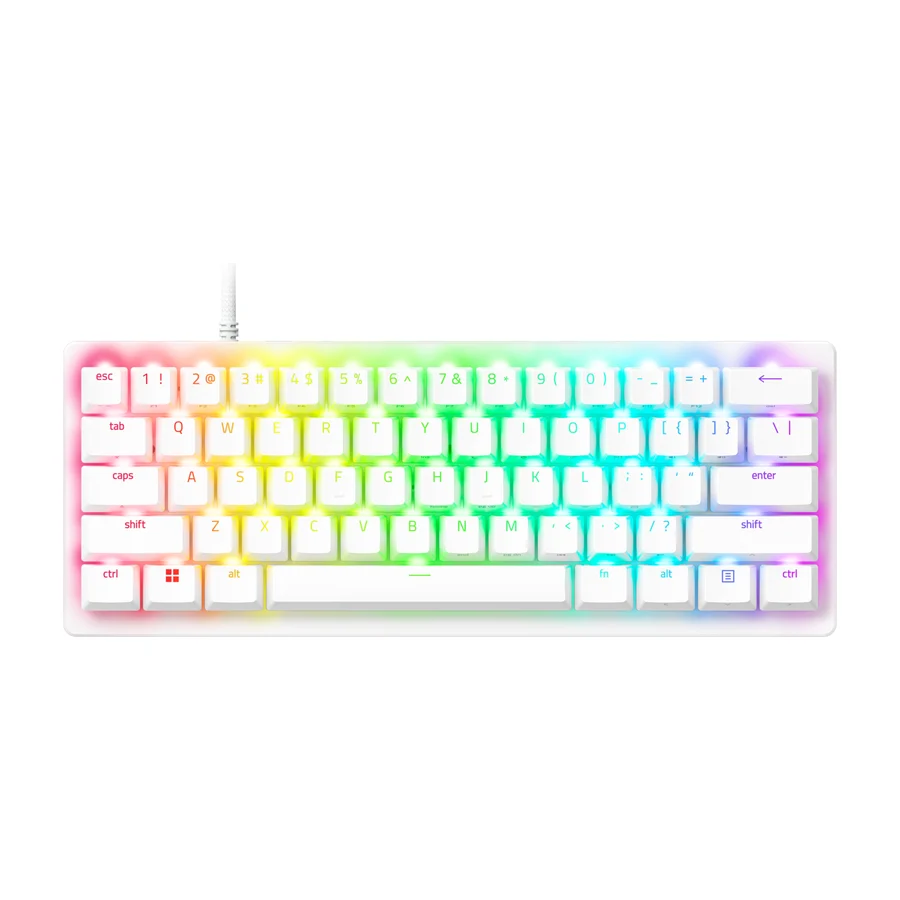
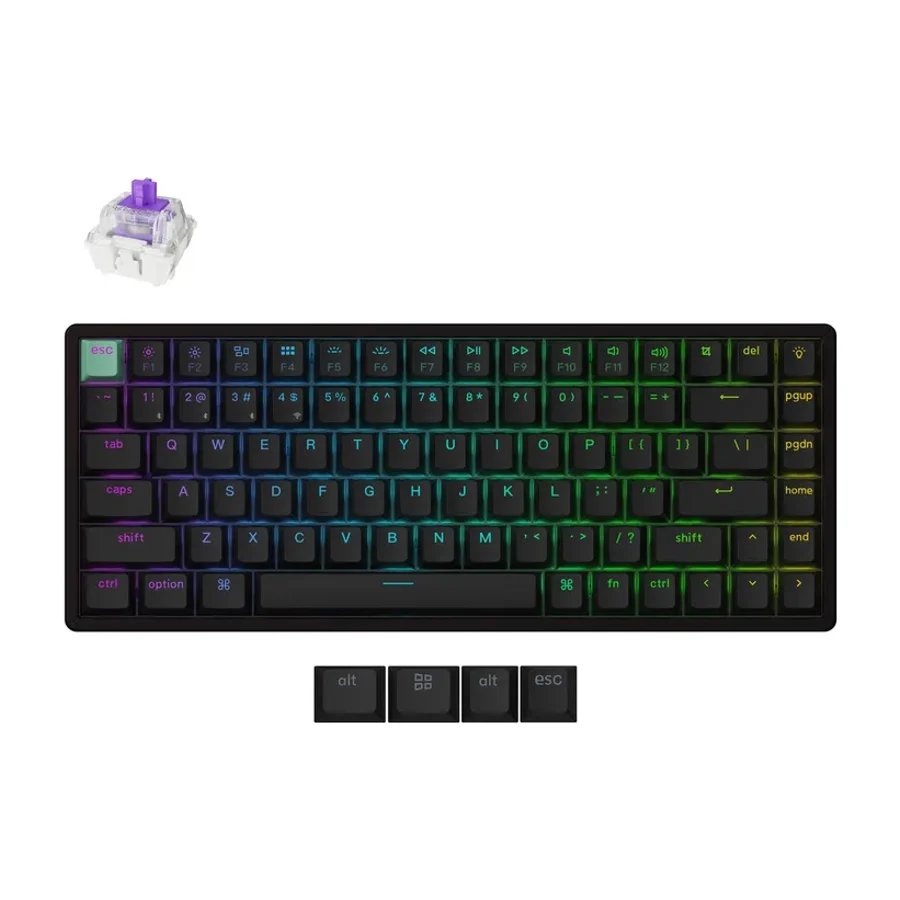
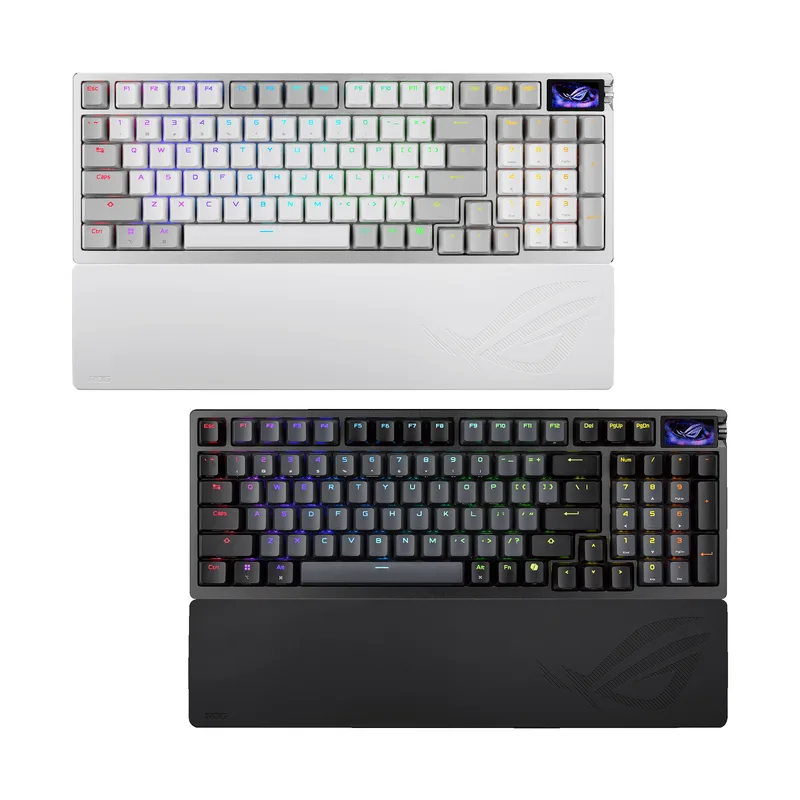
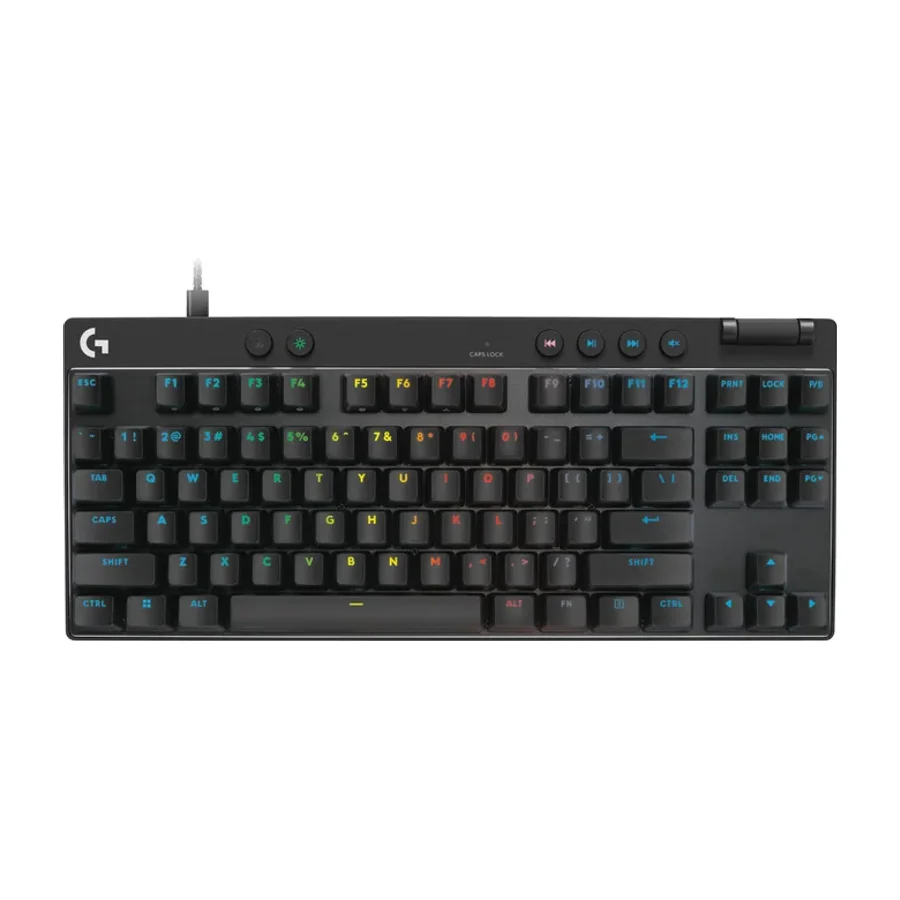
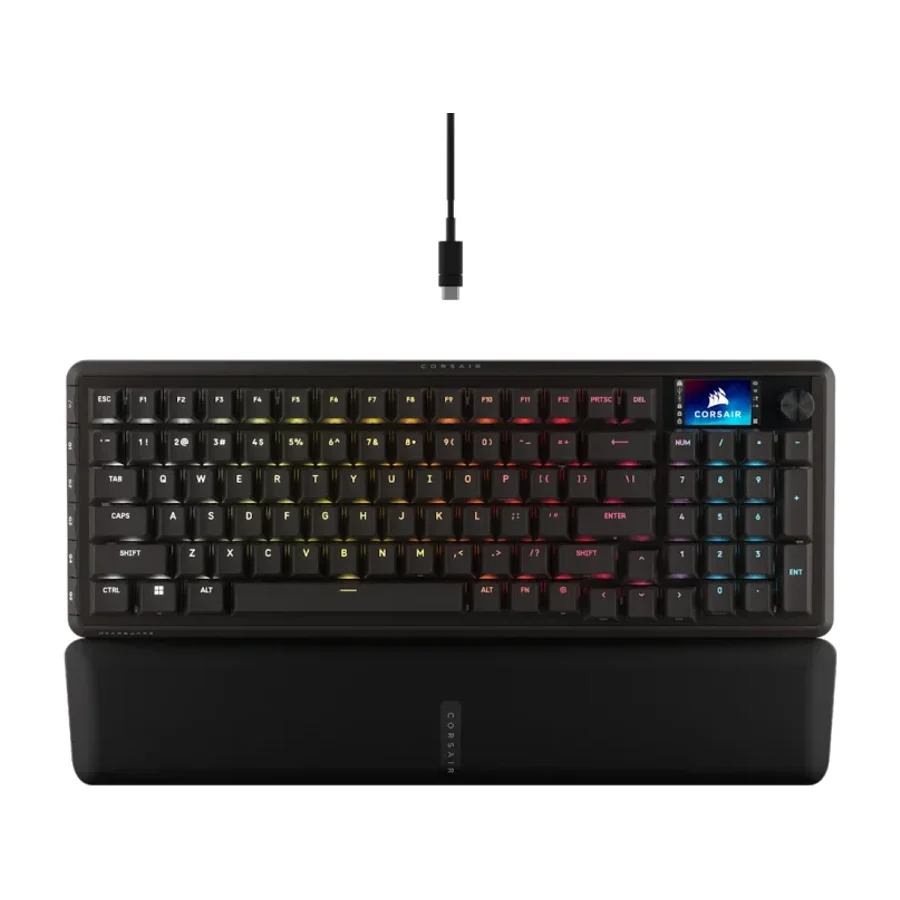
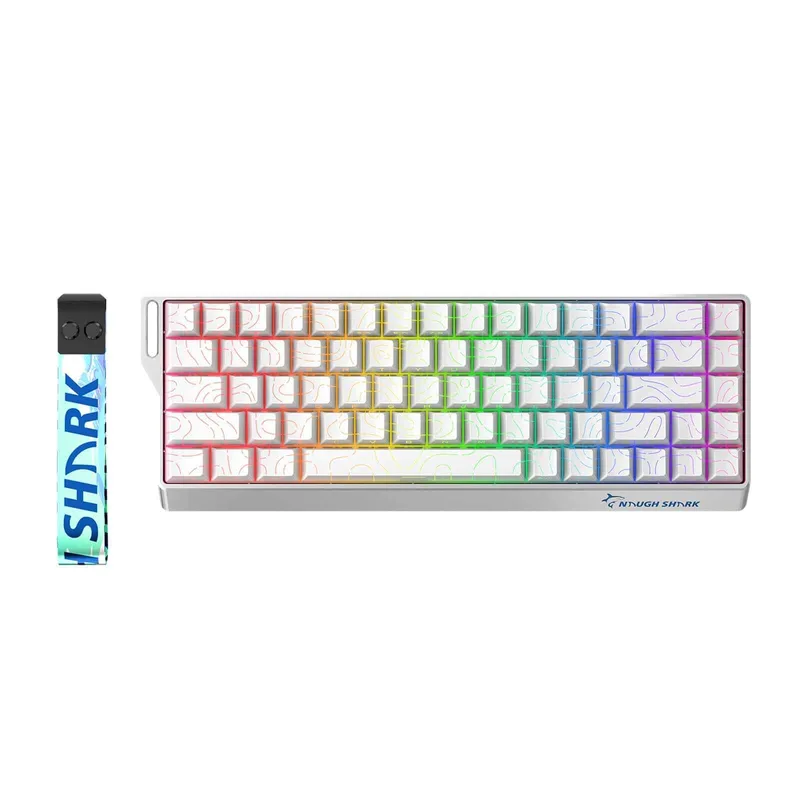 Moved down from C to D on 13 Sept 2026 #10
 Gamakay x NaughShark NS68
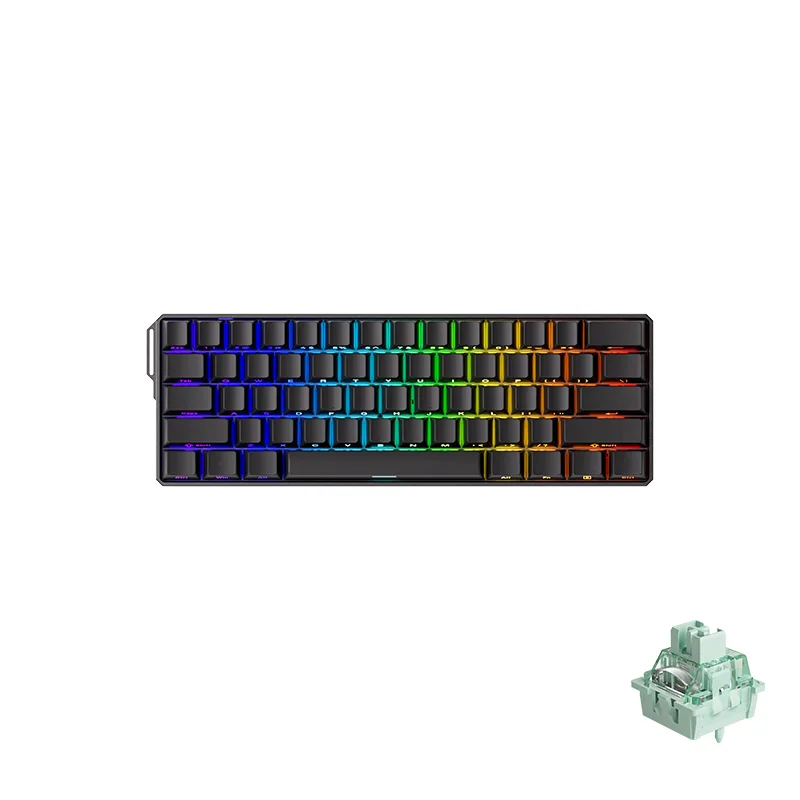 Moved down from C to D on 13 Sept 2026 #11 1 of 8 research runs entered this as a product to avoid rather than a pick.
 MonsGeek FUN60 Ultra
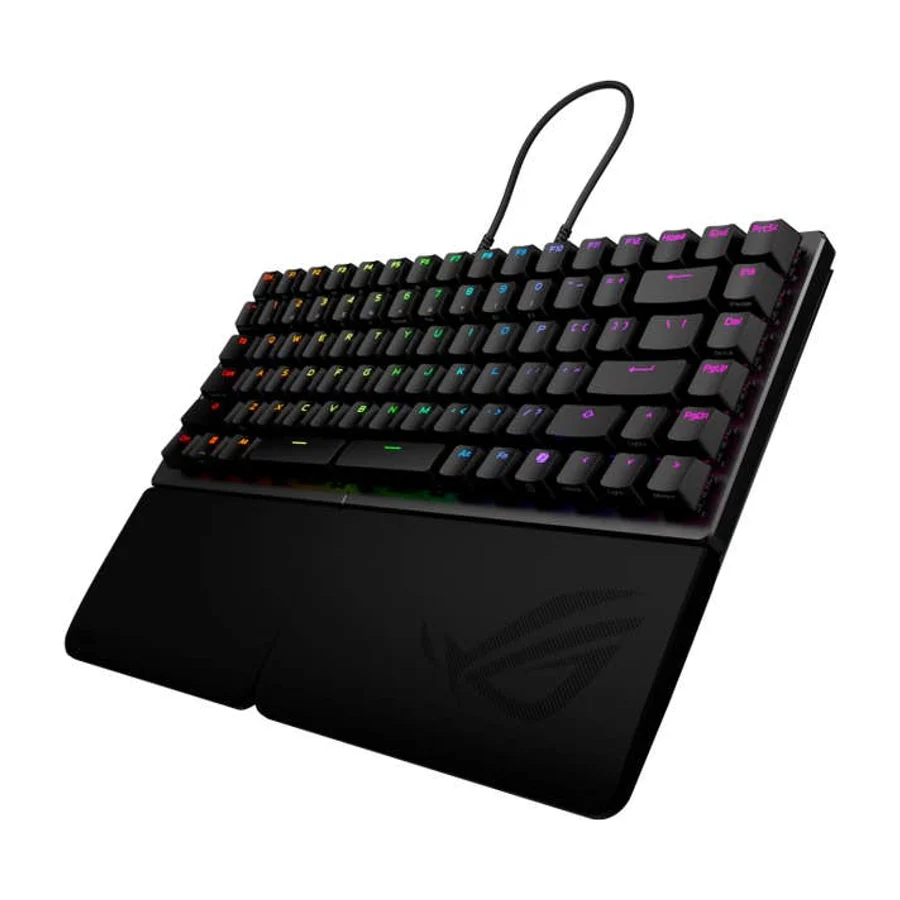 #12 1 of 5 research runs entered this as a product to avoid rather than a pick.
 Asus ROG Falcata
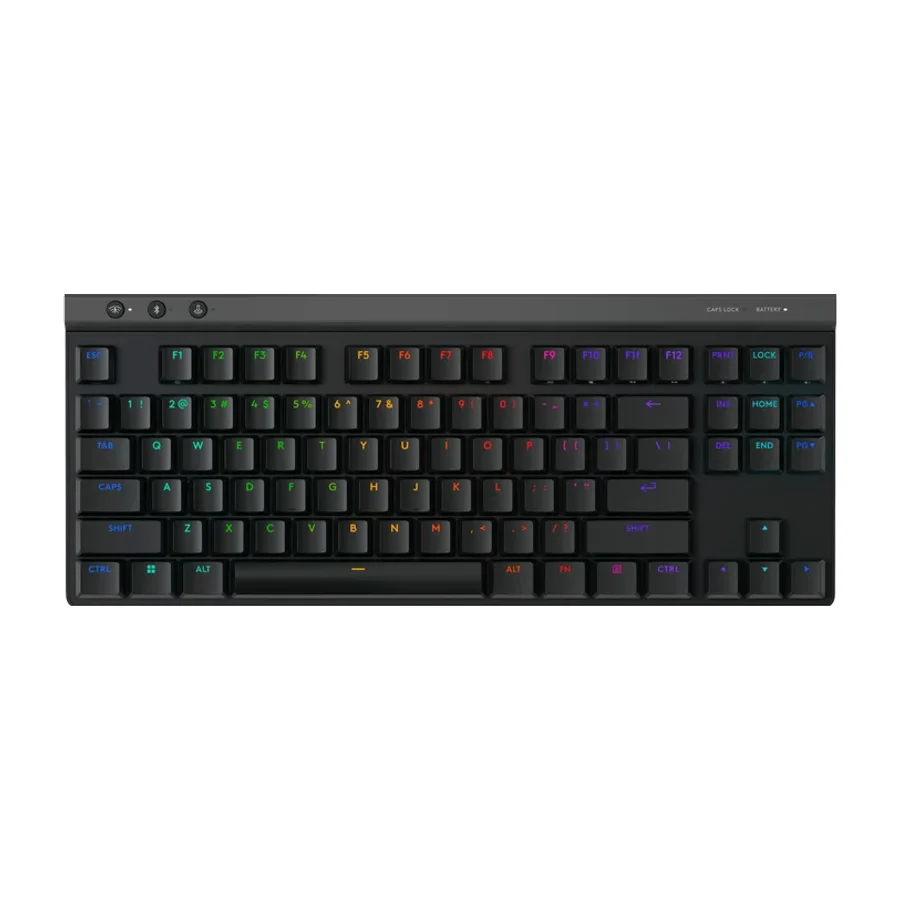 #13 3 of 5 research runs entered this as a product to avoid rather than a pick.
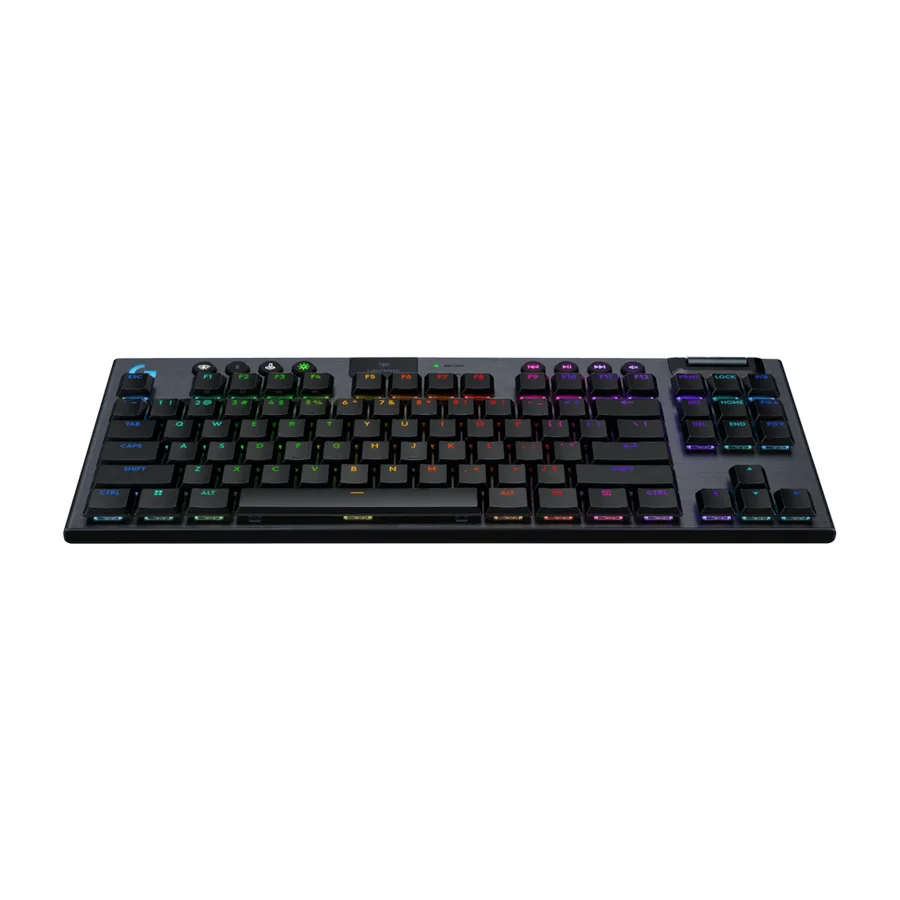
 Logitech G515 Lightspeed TKL
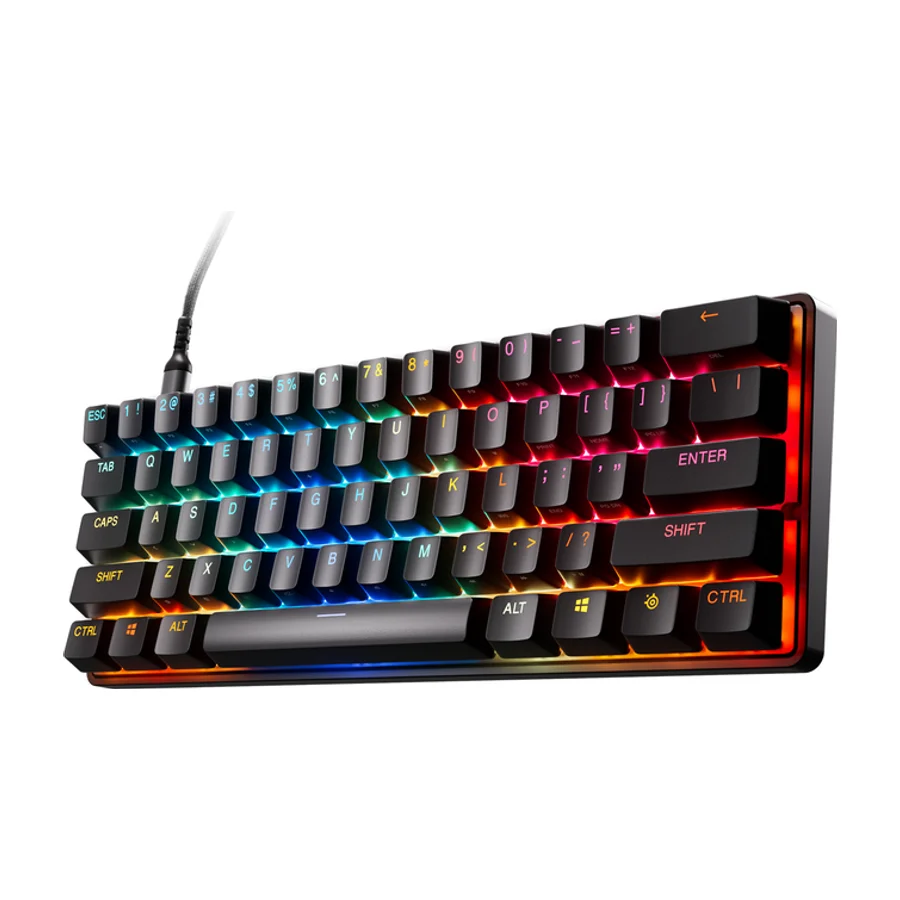 #14 4 of 6 research runs entered this as a product to avoid rather than a pick.
 SteelSeries Apex Pro Mini
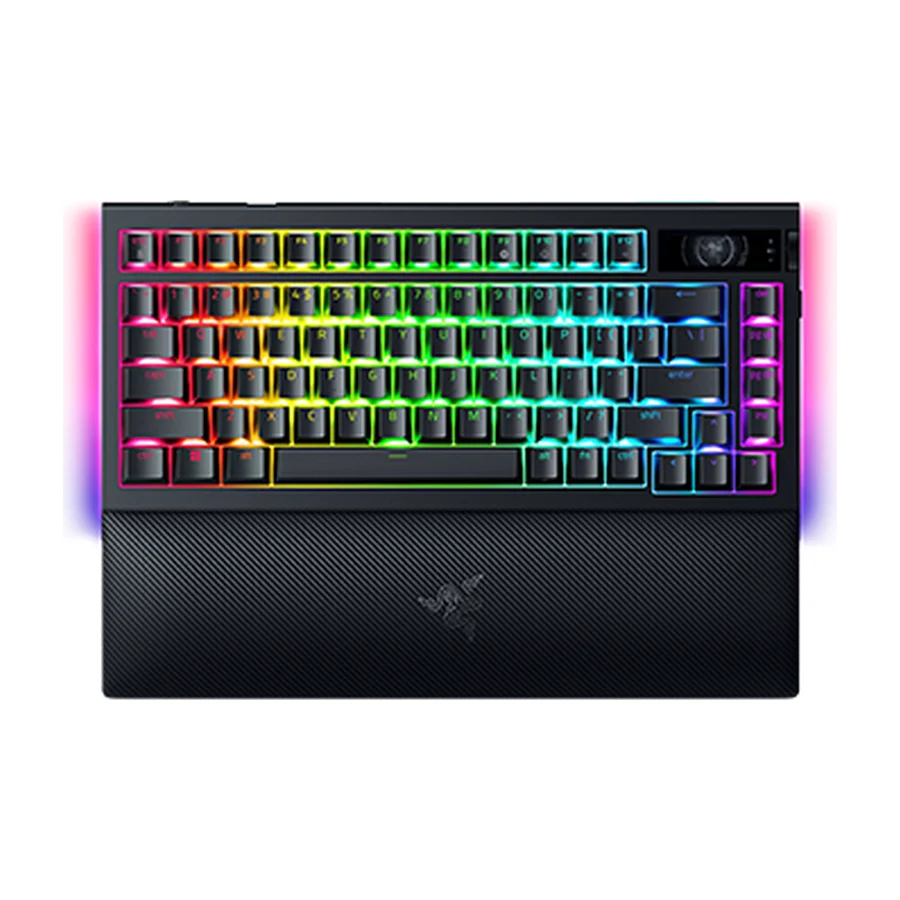 #15 4 of 8 research runs entered this as a product to avoid rather than a pick.
 Razer BlackWidow V4 Pro
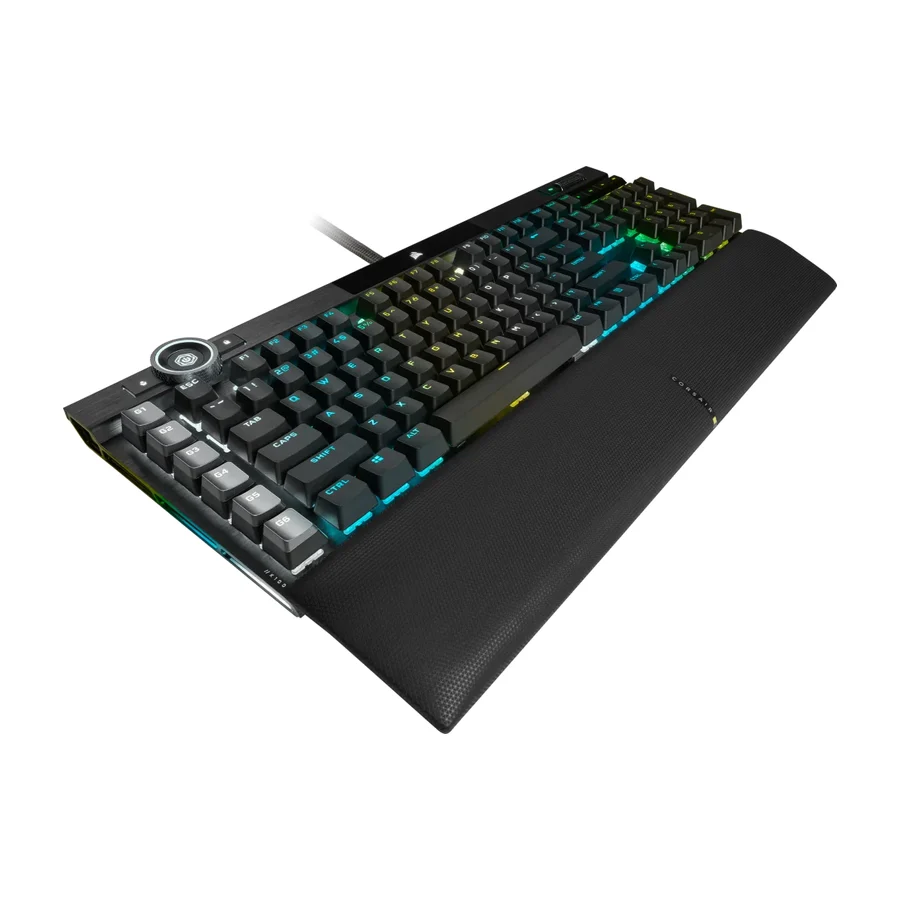 #16 3 of 6 research runs entered this as a product to avoid rather than a pick.
 Corsair K100 RGB
 #17 2 of 7 research runs entered this as a product to avoid rather than a pick.
 Logitech G915 Lightspeed
What moved on this board
23 tier changes recorded between 22 Jul 2026 and 14 Sept 2026. The 5 most recent are below.
- 13 Sept 2026 MonsGeek FUN60 Ultra moved down from C to D. 1 more research game. 1 source added.
- 13 Sept 2026 Gamakay x NaughShark NS68 moved down from C to D. 1 more research game. 2 sources added.
- 13 Sept 2026 Asus ROG Azoth 96 HE moved up from C to B. 2 more research games. 2 sources added.
- 13 Sept 2026 SteelSeries Apex Pro TKL Gen 3 moved down from A to B. 2 more research games. 3 sources added.
- 13 Sept 2026 Lemokey P1 HE moved up from B to A. 2 more research games. 3 sources added.
Each line shows what else changed at the same publish. It is not a statement of cause.
Frequently asked questions
Wooting 80HE sits at #1 in the S tier of our consolidated board, ranked across independent research runs over 572 cited reviews, videos and discussions. The most versatile Hall-effect deck with the lowest latency and fully adjustable actuation.
Wooting 60HE v2 ranks #2 (A tier). Compact version that keeps the same low-latency performance.
Our research places Gamakay x NaughShark NS68, MonsGeek FUN60 Ultra, Asus ROG Falcata, Logitech G515 Lightspeed TKL, SteelSeries Apex Pro Mini, Razer BlackWidow V4 Pro, Corsair K100 RGB, Logitech G915 Lightspeed in the bottom tiers (D/F). Gamakay x NaughShark NS68: Best 68-key option, but still behind the 96-percent and TKL leaders.
More in Computers
Cite this board as stierproducts, “Best Gaming Keyboards”, 13 Sept 2026. Free to quote with attribution and a link (terms).
Machine-readable: markdown · JSON · how we rank
Embed this board on your own site. The frame links back here, which is the attribution the terms ask for:
<iframe src="https://stierproducts.com/embed/gaming-keyboards" title="Best Gaming Keyboards, ranked by stierproducts" width="100%" height="456" loading="lazy" style="border:0"></iframe>