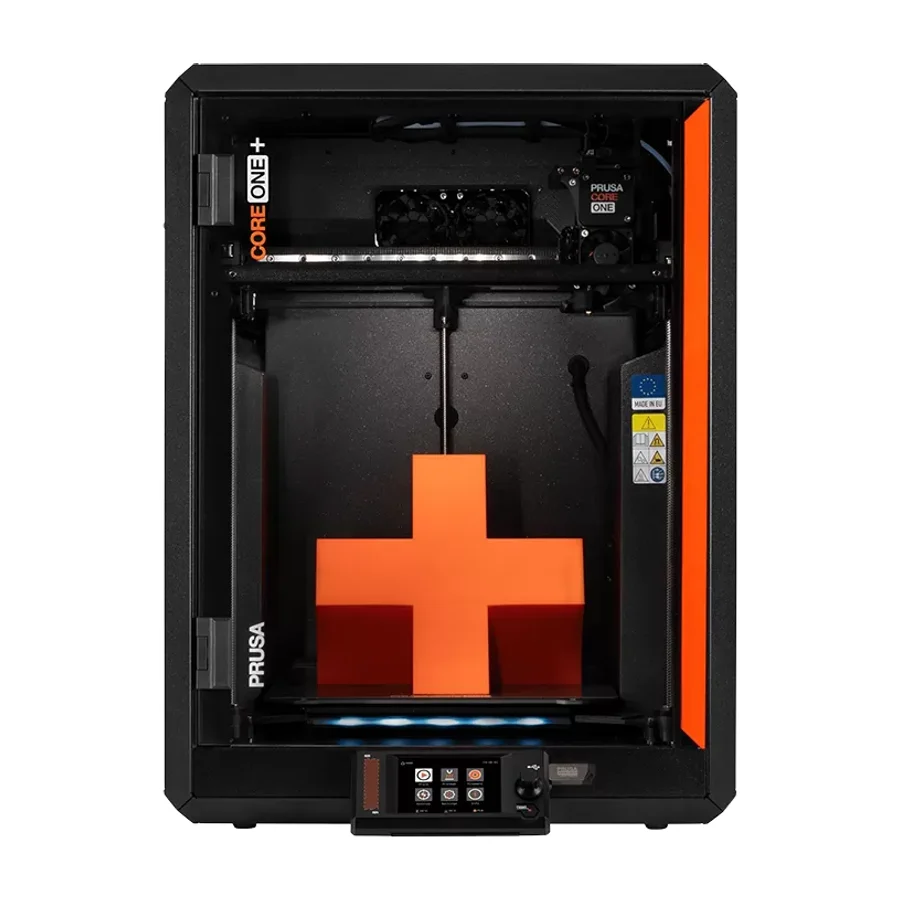
Prusa Core One
The strongest long-term ownership story in the category: open firmware maintained for years after release, a support reputation that is the industry reference point, and Tom's Hardware's best premium pick. Community guides call it the safest bet for a machine that still works years later. Nothing else here matches its year-five outlook.
Consolidated from 49 cited sources across 37 outlets
Where the cited sources landed, as we read them
- 2 enthusiastic sources
- 27 positive sources
- 17 mixed sources
We may earn a commission if you buy through this link.
Pros & cons
- ✓ Open firmware actively maintained for years after release
- ✓ Support reputation is the industry reference point
- ✓ Community buying guides call it the safest bet for long-term ownership
- ✓ Tom's Hardware's best premium 3D printer pick
- ✓ Safest bet with excellent long-term ownership
- ✗ Premium price over comparable Bambu P2S
- ✗ Carries a Prusa premium that weakens the value case
- ✗ Premium price over similar output from Bambu machines
The sources behind this ranking
We searched the web and YouTube for what has been published about this product, then read the articles, video transcripts and comments we found.
Evidence 12 articles, 33 video reviews and 4 community sources
2 enthusiastic sources
 Tom's Hardware Article · Feb 2025
 The sensor is connected to the nozzle, which allows the CORE One to physically tap the print surface for a more precise measurement. The sensor is also used to calculate Z height, and it does it so well that there is no need for human intervention. Of course, there’s still a live Z adjustment available in the menu should you need it. During testing, we did not.Read T
Tom's Hardware Article · Dec 2025 The CORE One L retails at $1,799 (including import duties and tariffs) and comes with 24/7 customer service and a complete ecosystem. This machine lives up to its reputation and is one of the best 3D printers we’ve tested to date.Read
27 positive sources
 CGMagazine Article · Oct 2025
 I’ll admit it—I’m sold on the Prusa experience, and the Prusa Core One is one of the best 3D printers I’ve tested to date. It’s fair to say the Core One won’t make sense for complete beginners watching the bottom line, and there are a few missing luxuries—better camera hardware, brighter enclosure lighting, and true remote-ready print farm tools may still be on some wish lists. But for users who want speed, reliability and the confidence to adapt their printer over time, the Core One delivers a well-rounded, practical package. It’s the clearest signal yet that desktop 3D printing is maturing—and doing so without losing the spirit of creative curiosity that sparked it in the first place.Read C
 CNC Kitchen CNC Kitchen · 752K subscribers · Nov 2025
 This is the new Prusa CORE One L — not that much bigger on the outside than its little brother, but with twice the print volume!Watch T
Tom's Hardware Article · Nov 2024 The CORE One is Prusa's first Core XY offering, and it does not disappoint. It's built for precision, and our tests prove it. It shares most of the same parts and has a similar size and build volume as the MK4S , but it is 20% faster and has an enclosed chamber that can reach up to 50 degrees Celsius to work with all types of filaments. You can get it fully assembled for $1,199 (that's just $100 more than the MK4) or save $250 and get the kit. A conversion kit is available for MK4S owners for $450 .Read 3
 3D Printing Nerd 3D Printing Nerd · 701K subscribers · Dec 2025
 This is incredible. The Core One, obviously your foray into the Core XY machines, very popular, high print quality. I like mine. Now though, eight heads? I am super excited. You know, we've been we've been doing the multi-material multi-color for 9 years now. You know, we started with MMU1.Watch T
 TechRadar Article · Dec 2022
 The Original Prusa Core One stands out for businesses for its professional-grade reliability, ease of integration into larger systems, and of course the pure speed and quality of the prints. In our testing experience, it delivers the best print quality you can get from an FDM printer, with excellent mechanical stability, and a workflow that enables you to adapt and add to the printer to suit the needs of your business.Read T
 The Real Sam Prentice
Review unit from Prusa The Real Sam Prentice · 209K subscribers · Mar 2026
The Real Sam Prentice
Review unit from Prusa The Real Sam Prentice · 209K subscribers · Mar 2026 Rather than forcing existing owners to buy a new printer, Prusa offer an official upgrade kit that brings your original Core One up to the Core One Plus spec. Same philosophy that they've had for years. If you've got a machine that's mechanically sound, you shouldn't need to replace it.Watch P
 PrintSignals Article
 The CORE One+ is Prusa's enclosed machine, built to do two jobs that don't usually sit together. It gets a first-time owner to a good print in under fifteen minutes, and it opens up the warp-prone materials an open-frame printer can't hold. It launched recently, so real-world feedback is still filling in, but the early picture is strong.Read T
The Real Sam Prentice The Real Sam Prentice · 193K subscribers · Nov 2025 >> The unboxing was in fact pretty uneventful, but in a good way. Everything's safe, secure, and incredibly well packed. It's a box inside of a box with layers of foam protection and even printed instructions right on the cardboard. It's a nice touch that makes the setup almost foolproof.Watch [
 [Assembled Version] Article
 The Prusa CORE One L is the larger sibling of the proven Prusa CORE One with DOUBLE the print volume! Easy to set up and built to last, this rugged machine is perfect for any workshop or business. Unpack & Print. Designed and manufactured in the EU.Read F
 FauxHammer FauxHammer · 153K subscribers · Feb 2026
 I love the brand. I love what they stand for. There's just something about them. And don't take my word for it. I'm going to ask my fellow Prusser owners to verify this in the comments. There's just something about Prusser printers that draws you in. An aura, a certain genocire that compels you to print on a Prussa machine. And when a print finishes, it pulls you straight back in.Watch P r/prusa3d u/curiosity-42 · owner
Mine prints fine, no different from my core one, except it’s quieter cause it comes with an accelerometer built in to the print head so you can phase step it without needing the extra kit the core one needsRead thread A
 Aurora Tech Aurora Tech · 124K subscribers · Mar 2025
 The heated bed alone can raise the internal temperature to as high as 55°, which is great for materials like ABS, ASA, PC, and nylon that require a stable, warm environment. When printing PLA, TPU, or PETG in a fully enclosed machine, you usually need to open the door and top cover. But with the Core 1's dual exhaust fans and vented top design, you can print most materials without opening the enclWatch H
 How-To Geek Tim Brookes · reviewer · Mar 2026
 Unlike the old “bedslinger” designs, the print bed remains still on the horizontal axes, which allows for faster printing and better print quality.Read L Lost In Tech Review unit from Prusa Lost In Tech · 77.3K subscribers · Feb 2025
Today we're looking at the Prusa CORE One! And why this could be the most open printer out there from a user perspective. Spoiler, we're looking at the GPIO board and some other stuff! :)Watch J
 Jacobsimeone Article
 The Prusa Core One is a fantastic printer, packed full of new features from Prusa.Read L
 Lost In Tech Lost In Tech · 76K subscribers · Dec 2025
 Although I have to say after using the L for the last few weeks, I kind of feel like it's a nicer size for most people if you can afford it. More about that later. Might as well start with the biggest thing for me on the Core 1L. It is right in front of our eyes. Or it is if you take off the print sheet. This is exactly what it looks like. A very thick slab of aluminum.Watch B BuildDanielBuild Review unit from Prusa BuildDanielBuild · 35.9K subscribers · Sept 2025
Unboxing the brand new Prusa Core One 3D printer! This machine is well-built, insanely precise, and makes the cleanest prints i've ever seenWatch 3
 3DJake 3DJake · 33.7K subscribers · Apr 2025
 Regarding the slicer, we normally use Orca Slicer in the office, but I have obviously been using Prushia Slicer again with the core one, first time in years actually, and I'm pretty happy with it. Normally I don't like manufacturer slicers pushing their own models and hosting sites but because we use printables so much and the slicer just has a window for printables.Watch 3
3DJake 3DJake · 33.7K subscribers · Aug 2025 Uh, and so far the push core one has made the cut. By the way, this isn't a recommendation or a drecommendation video. I'm just stating how our experience has been over the last 3 months. I have printed a bunch of stuff on the Core 1. It's mostly been PLA, but there's been some TPU and ABS and a little bit of PETG2. First up is what I changed. So, one was the fan grill.Watch S
 Steve Builds Steve Builds · 15.4K subscribers · Dec 2025
 This will make sure everything runs smoothly. This is really what I wanted. Uh I mean for for something that's not a kit, I'm not complaining. Oh, what do we got here? Hardened nozzle. Did not realize. Did not realize that that was an insert style. Maybe it's because I've only had the E3D variations. This is the other. Interesting. Okay. Harden, but I don't think it's high flow. Let's see.Watch R
 Rad Dad's Print Lab Rad Dad's Print Lab · 14.7K subscribers · Mar 2026
 The Prusa Core One is already a really solid printer, but one of the best parts about owning a Prusa machine is the community around it.Watch N
 Noizie Works Noizie Works · 12.6K subscribers · May 2025
 Everything you need to know about the kit, first look and problems on the Prusa Core One.Watch 1
 123-3D 123-3D · 8.4K subscribers · Mar 2026
 But yeah, we're really really keen to get hold of this, get cracking on with it because I've said it time and time and time again, tool changes are the most efficient and waste limiting component within 3D printing at the moment. This is what every manufacturer should strive for. Get rid of the AMS unit. Get rid of your Race Pro unit.Watch 1
123-3D 123-3D · 8.4K subscribers · Feb 2026 And I can assure you, we have thoroughly abused the machine in the best possible way. Of course, Joseph, don't think for a second that we're like other people that review Prusser products, run them over, throw them off cliffs. Testament to the Czech build quality. Initial unboxing.Watch U
 UNgineering UNgineering · 1.7K subscribers · Jun 2026
 Zero smell from the Core 1 L. Remarkable. The filter is a separate purchase. The reasoning remains mysterious. Although I'll take the salt separately over Bambu's approach, which was to ship a placebo and call it filtration. It's also quieter than the X1C. Not silent, but quiet enough that I can convince people I'm paying attention during a Zoom meeting.Watch S Shreyash Gupta Shreyash Gupta · 1.5K subscribers · Aug 2025
I built the Prusa Core One from a kit and share the real, unfiltered experience—ordering delays, the multi-day build, the stripped screw disaster, the stellar Prusa support, and the final “first Benchy” moment. If you’re a tinkerer, homelab builder, or desk-setup optimizer who cares about reliability, repairability, and learning your machine inside-out, this one’s for youWatch T
 The Printing Pilot The Printing Pilot · 560 subscribers · Dec 2025
 And I think they sell it for about 10 or 12 bucks uh because we don't have a lot of parts there, but the functionality this update is going to add is very exciting. So, let's talk about this upgrade. So, first upgrade going to be automating the top vent. Now, this top vent needs to be open and closed. Depends on what material you're printing with and what you're trying to achieve.Watch
17 mixed sources
While Prusa printers are reliable, that doesn't mean perfection, and there are plenty of places where users and filament manufacturers can make mistakes. There's probably more they could do with the loadcell and the Buddy camera, and perhaps they could add a few more sensors in the future. Being able to detect failure is something where their competition is admittedly doing a better job.Read thread 3
3D Printing Nerd 3D Printing Nerd · 701K subscribers · Dec 2025 I think for now we're making really good progress and using the instructions that Prussa provides is great because it's not as complex as I was thinking. So, I'm going to keep going. This is the back part and it's it's doing pretty good. Um, these feet are terrible. That adhesive just doesn't do the trick. I know there's a mod and maybe we'll do that later, but for now, feet are falling off.Watch B
 Bambu Lab Community Forum Kukuschi · reviewer · May 2026
 The Core One was interesting because I got to build it but required a couple of months of fiddling before it worked consistently. It’s reliable but simple, like my ‘71 Volkwagen Kombi or my Linux workstation. It’s fun to drive but I can’t take it on the highway. The H2D, I pulled out of the box, turned it on and it just works. Like my Tesla or my iPhone.Read 3
3D Printing Nerd 3D Printing Nerd · 701K subscribers · Jan 2026 I really enjoy printing with this thing, but it comes with quite possibly one of the most terrible ways of putting it on a surface. And I'm not even joking. This is real. >> The feet on the machine are lovely. Don't get me wrong. nice and squishy and rubbery and stuff, but the problem is the sticky stuff that they have on these feet don't hold it to the machine worth beans.Watch M
 Make: DIY Projects and Ideas for Makers Matt Stultz · reviewer · Jan 2026
 On the downside, some of my issues with the Core One persist. I’d really like to see them upgrade the clear panels (to thicker acrylic or better yet glass) and ditch the plastic pop rivets, and the firmware had more crashes than I’d expect (though I’m sure Prusa will have fixed some of these by the time you read this).Read T
 The Next Layer The Next Layer · 281K subscribers · Jul 2026
 10,000 tool changes. I've been counting, and in the 100-plus hours of torture testing the eight-tool Prusa Core One Index Founder's Edition, it hasn't missed once. Not once.Watch H Hacker News Hacker News thread
IMO the main drawback of consumer Prusa offerings is the lack of good chamber heating for more advanced materials. I can print PC on my Core One+ in the summer with the chamber at 45℃ (good enough for most uses, but 60 would be better), but in the winter it becomes a lot harder.Read thread F
FauxHammer FauxHammer · 153K subscribers · May 2025 When it comes to the raw practical user experience, you know, the things I focus my reviews on, I have to be real and say it's missing a few elements I've come to expect from far more basic printer brands. Yet, for a very particular reason, I've been compelled to come back to this and print more and more on it than most of the printers I've touched recently.Watch M
 Medium Article
 All that aside, I have to wonder if Prusa is losing ground.Read M
 M.M's Prop Shop M.M's Prop Shop · 124K subscribers · Sept 2025
 My initial impression of the machine was a little lukewarm, but since then there have been some major changes and improvements take place. So today I want to take you through what the last six months with this machine have been like, what I love, what I think could be improved on, and if the improvements that were made were enough for me to now fully recommend this 3D printer.Watch 2
 247printing 247printing · 77.6K subscribers · Jul 2025
 It can be relaxing. It can be stressful. It can be pure pain or just pure fun. And most importantly, it's always a chance to learn. When you build a Puscha printer, your expectations go up. You expect excellent instructions, smart design choices, and maybe a bit of that classic charm from the Czech Republic.Watch N
 NeoKoi Prints NeoKoi Prints · 15.4K subscribers · Feb 2026
 Prusset does a very good job of this with the fully assembled Core One Plus. The first thing you see when you open the box is your power cord, a description of what the plus upgrades are, a thank you letter along with a parts list, the most important thing in this box, a smooth PEI build plate, a USB flash drive, a 3D printing guide, and a spool of their galaxy black filament.Watch D
 Directed T3CH Directed T3CH · 9.7K subscribers · Nov 2025
 Obviously, I've not used one, but it seems like it's going to be in kind of in the way of the build plate and and stuff like that. So, here you can see a little uh animated video or GIF or whatever you want to call it of the uh printer printing and you've got all these eight tool heads up in front.Watch T
 The Scrappy Creative The Scrappy Creative · 3.6K subscribers · Jul 2025
 But I'm not going to take it easy on Prussa because it's been about 6 months since the Core One started shipping. And initially, everybody had nothing but great things to say. All the reviewers said, "This printer is finally something amazing from Prussa." And I didn't really see a ton of the issues that people now are starting to talk about.Watch S
 Shreyash Gupta Shreyash Gupta · 1.3K subscribers · Jan 2026
 I own a Prussa Core 1 3D printer and I have some frustrations.Watch V
 Verified Reviews Verified Reviews · 1.1K subscribers · Nov 2025
 Out of the box, the Core One pushed that same bracket out in just under six hours with noticeably cleaner overhangs and sharper text than my tuned older machine.Watch C
 CoExtrusionPodcast CoExtrusionPodcast · channel · Mar 2026
 Actually, like that's kind of dumb. But at the same time, like that's kind of cute. >> Yeah. It's one of those like it's such a simple solution, but it works. So, it's like Yeah. >> Yeah. I No, I mean adding it in as a as just a an added extra is is wonderful, but I In the back of my head, I'm just thinking that is so stupid. But I know for a fact that I wouldn't be going and opening aWatch
3 stance not read sources
The second part sounds more like the Prusa CORE One kit (build volume is not a perfect match).Read thread M
 Made with Layers (Thomas Sanladerer) Made with Layers (Thomas Sanladerer) · 533K subscribers · Feb 2025
 But because I now got a little extra time to use the Core One, I get to cover the things that might have been missed in the first round of content.Watch V
 Voxel3D Voxel3D · 1.6K subscribers · Apr 2026
 Next to me I have the Prusa Core One L which was sent to me free of charge by Prusa, but this is not a review. Instead I want to take you under the hood and give you a genuine insight into the engineering behind the success of Prusa 3D printers. Here, with Voxel 3D.Watch
Frequently asked questions
It ranks #3 of 20 on our 3D printers tier list, in S tier. That placement draws on 49 cited sources across 37 outlets.
None of the 46 sources with a clear view is critical of it. Premium price over comparable Bambu P2S. Carries a Prusa premium that weakens the value case. Premium price over similar output from Bambu machines.
Ranked nearby in 3D Printers
 S tier #1
 Bambu Lab X2D
 S tier #2 1 of 15 research runs entered this as a product to avoid rather than a pick.
 Bambu Lab P2S
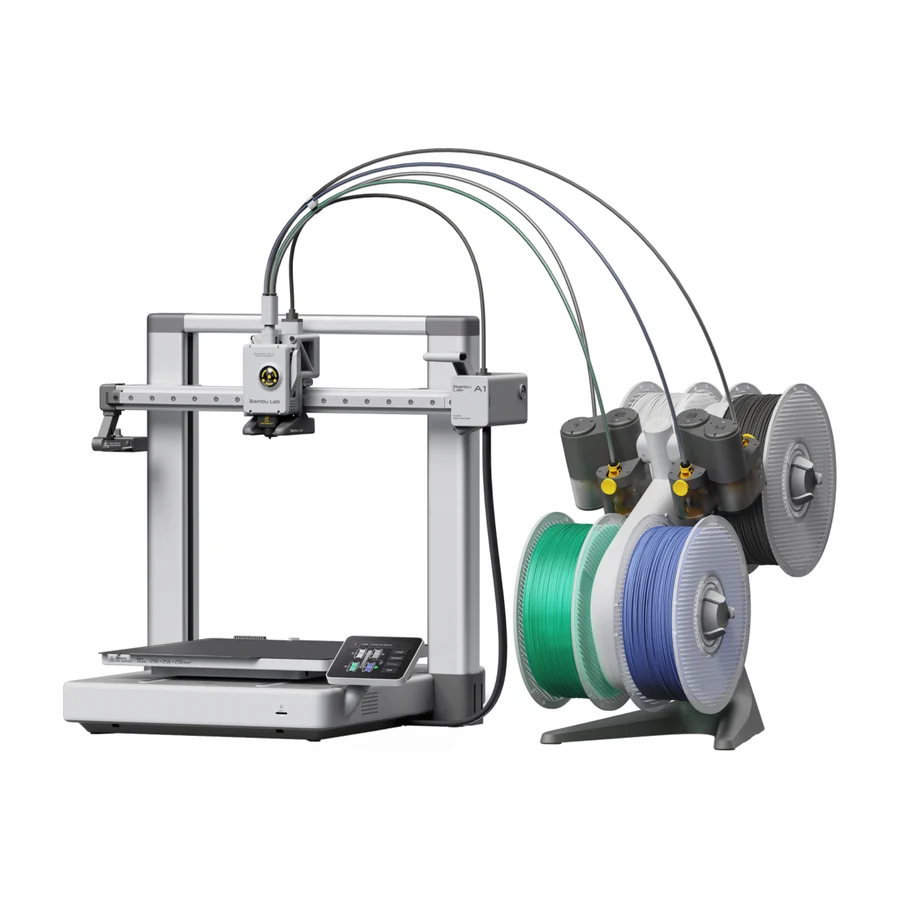 A tier #4
 Bambu Lab A1
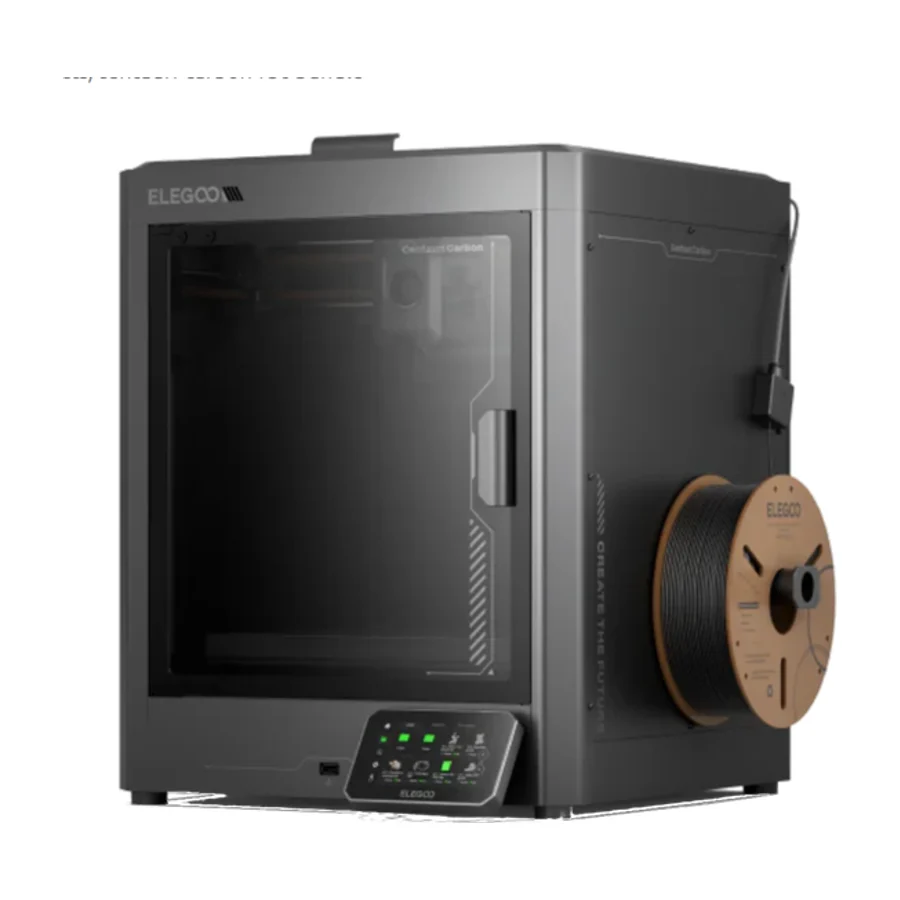 A tier #5
 Elegoo Centauri Carbon
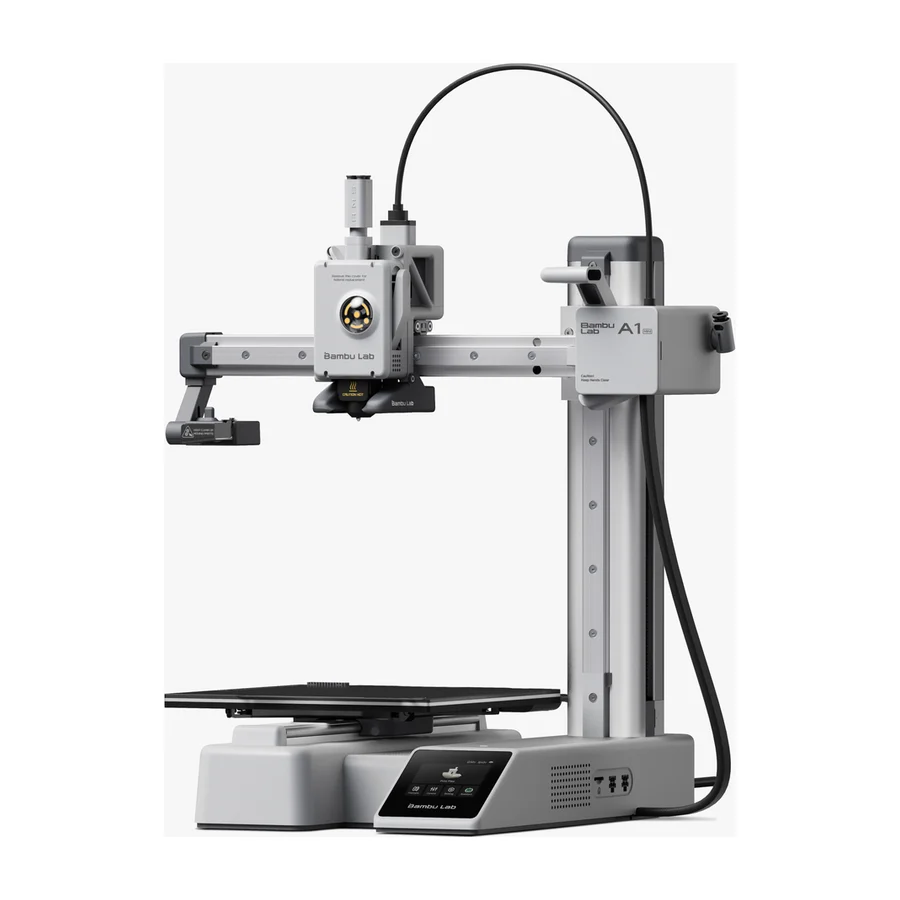 A tier #6
 Bambu Lab A1 Mini
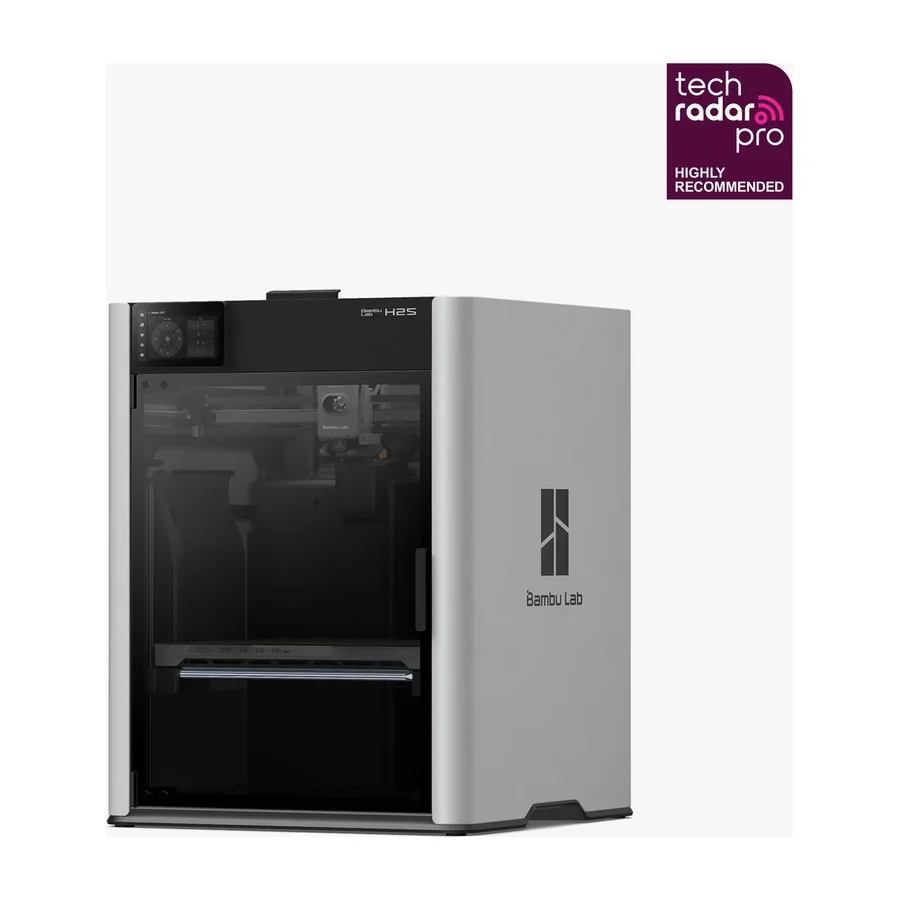 B tier #7 1 of 3 research runs entered this as a product to avoid rather than a pick.
 Bambu Lab H2S
 C tier #8
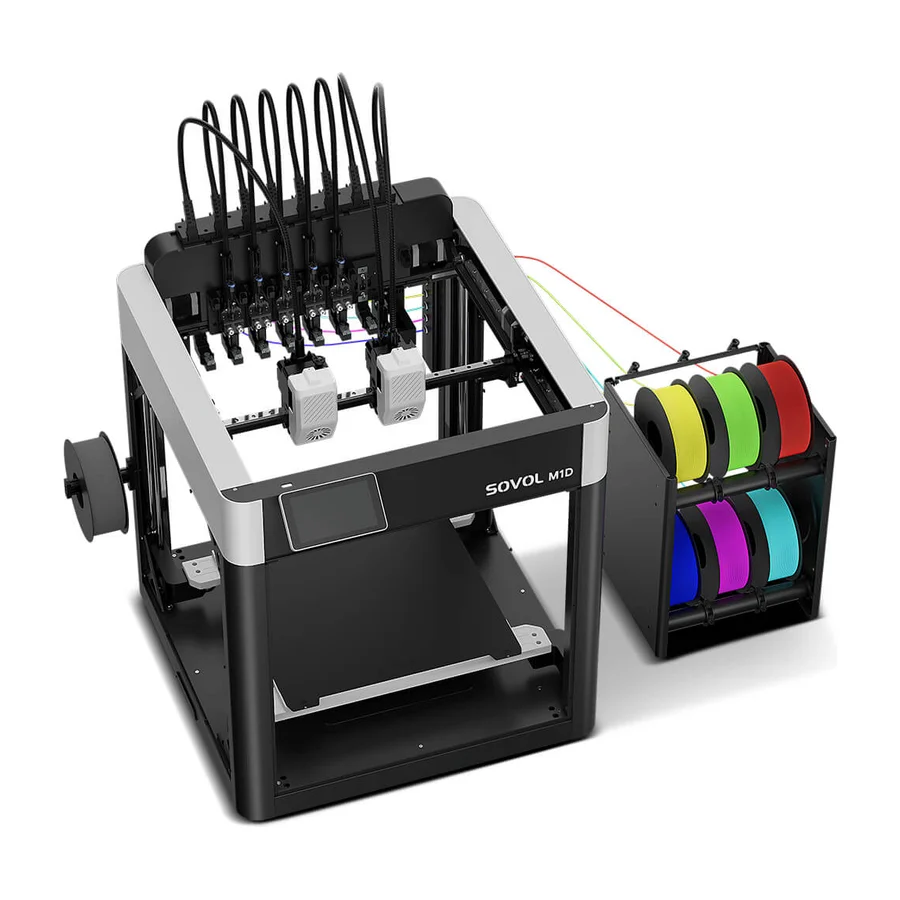
 Sovol M1D IDEX Toolchanger
 F tier #18 5 of 10 research runs entered this as a product to avoid rather than a pick.
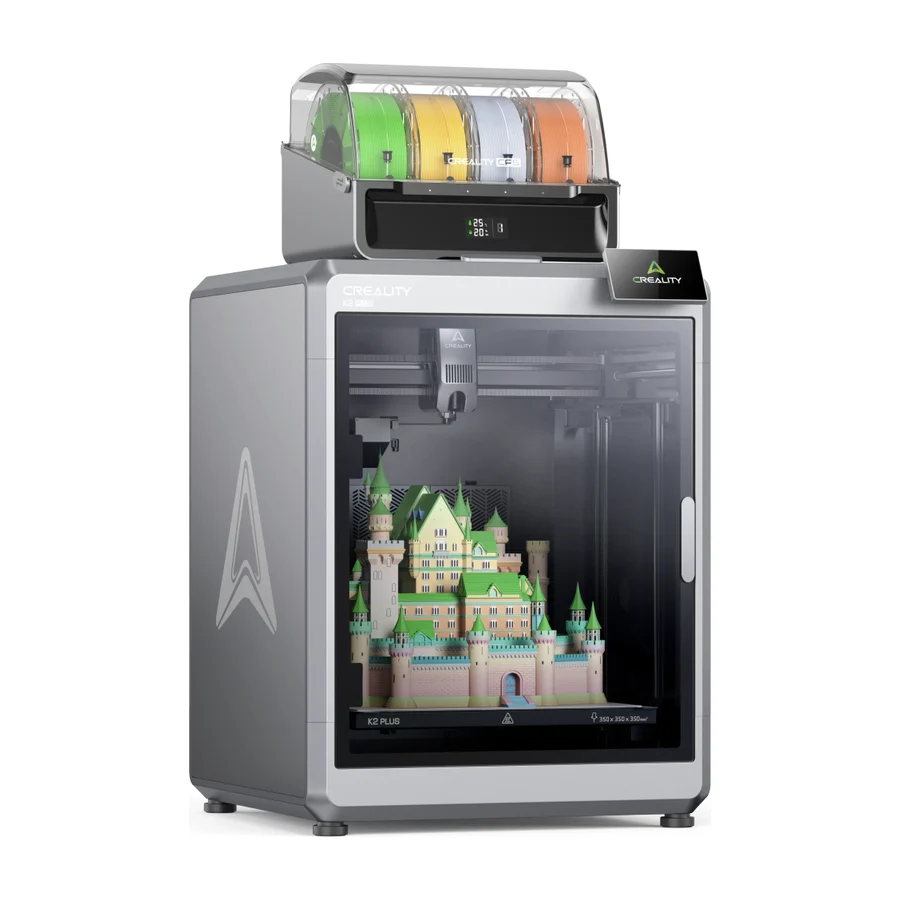
 Creality K2 Plus
 F tier #19 5 of 6 research runs entered this as a product to avoid rather than a pick.
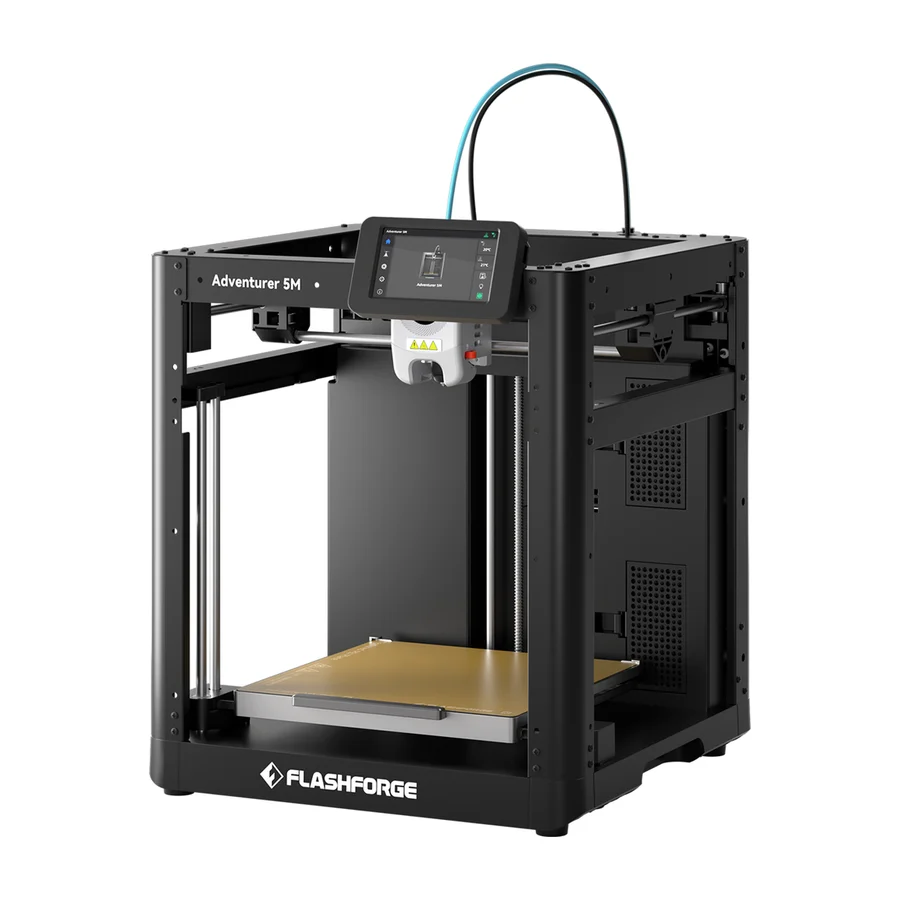
 Flashforge Adventurer 5M
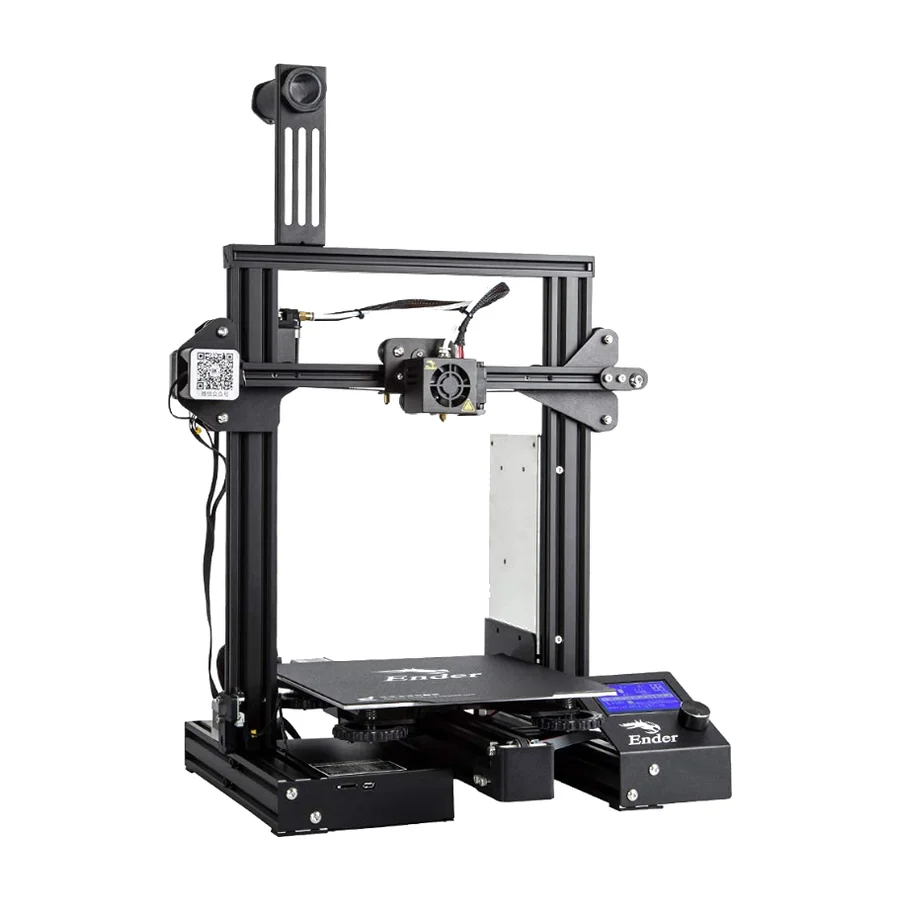 F tier #20 4 of 5 research runs entered this as a product to avoid rather than a pick.