Best Flashlights
17 products ranked across 249 cited reviews, videos and discussions · Updated 13 Sept 2026
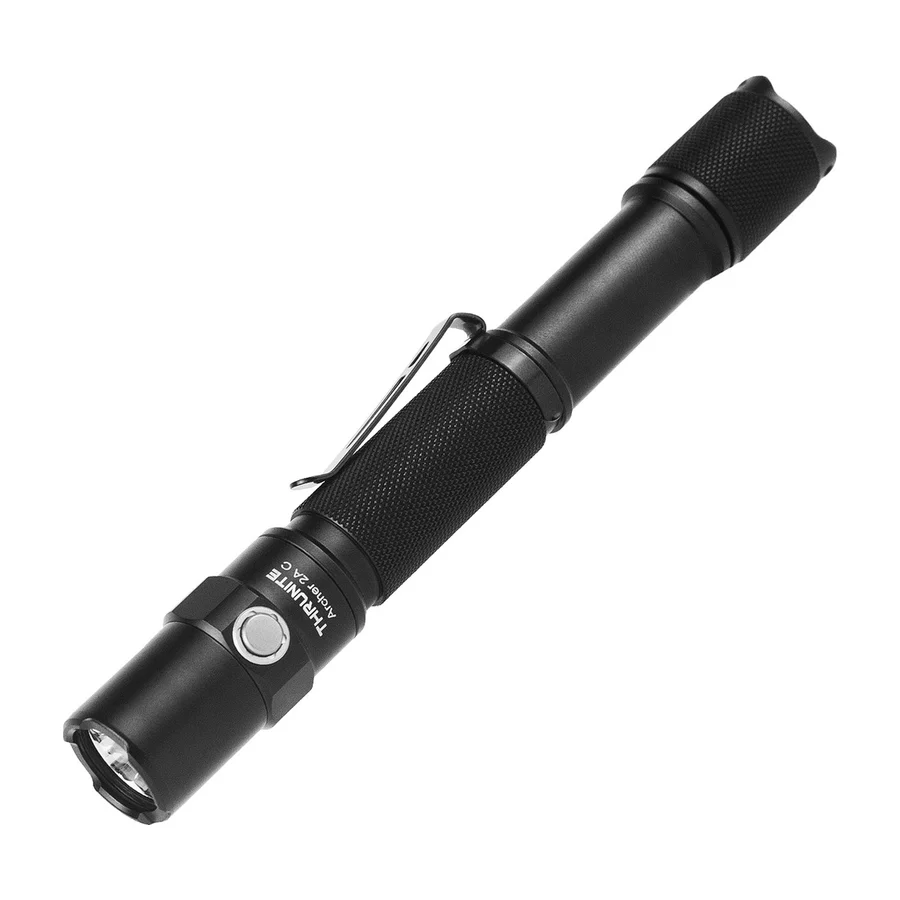
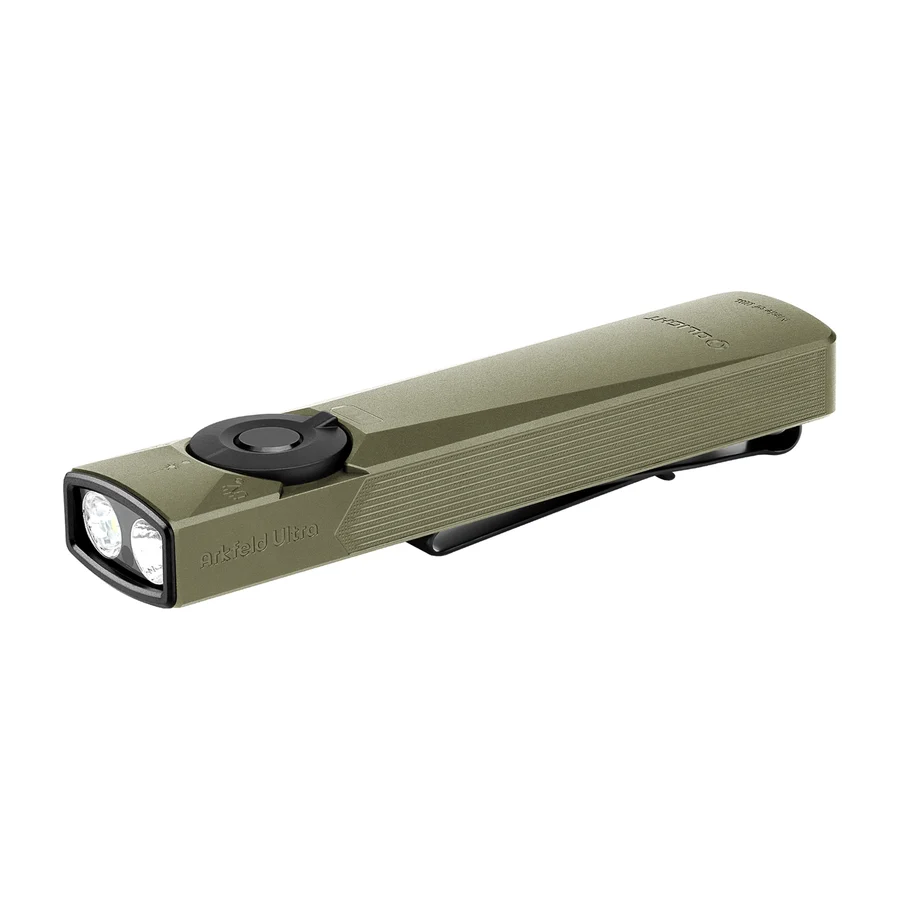
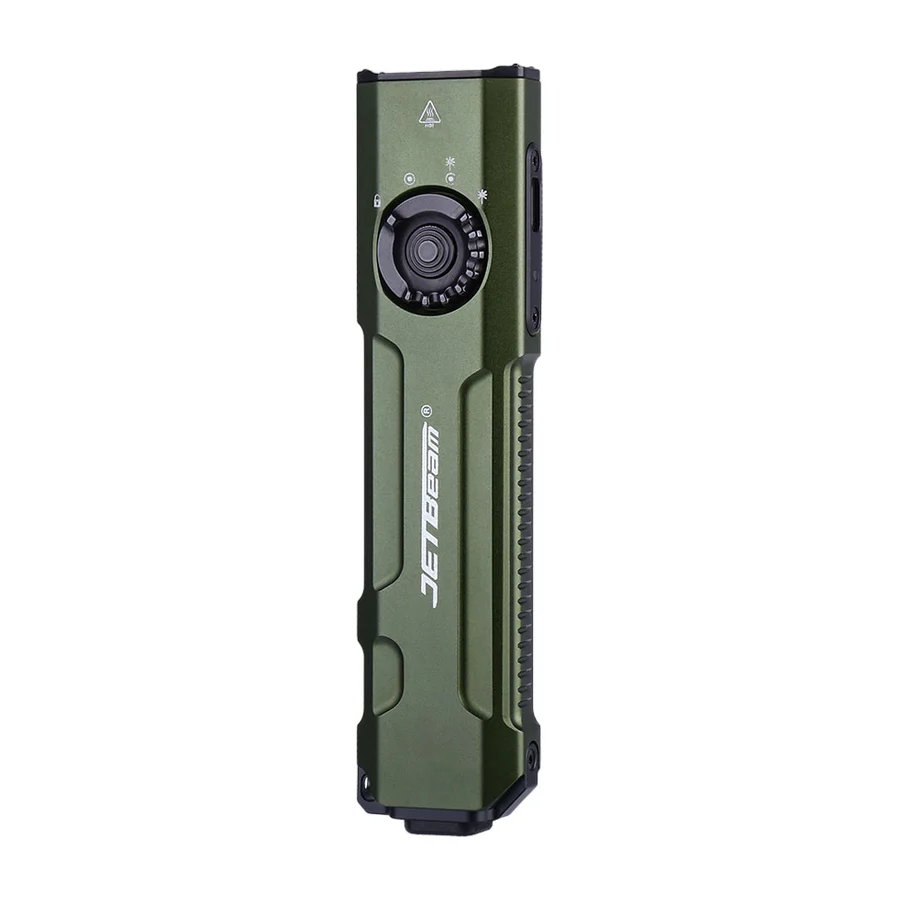
On the stierproducts flashlights board, ThruNite Archer 2A C ranks #1 in S tier, ahead of Olight Arkfeld Ultra (#2, S tier) and JetBeam E26 UV Kunai (#3, A tier). The board ranks 17 flashlights from S (best) to F (avoid), last researched 13 Sept 2026, drawing on 249 cited reviews, videos and discussions. Placed in the bottom tiers as ones to avoid: Nitecore EX7, Olight Warrior 3S, Streamlight Polytac X USB, and 3 others.
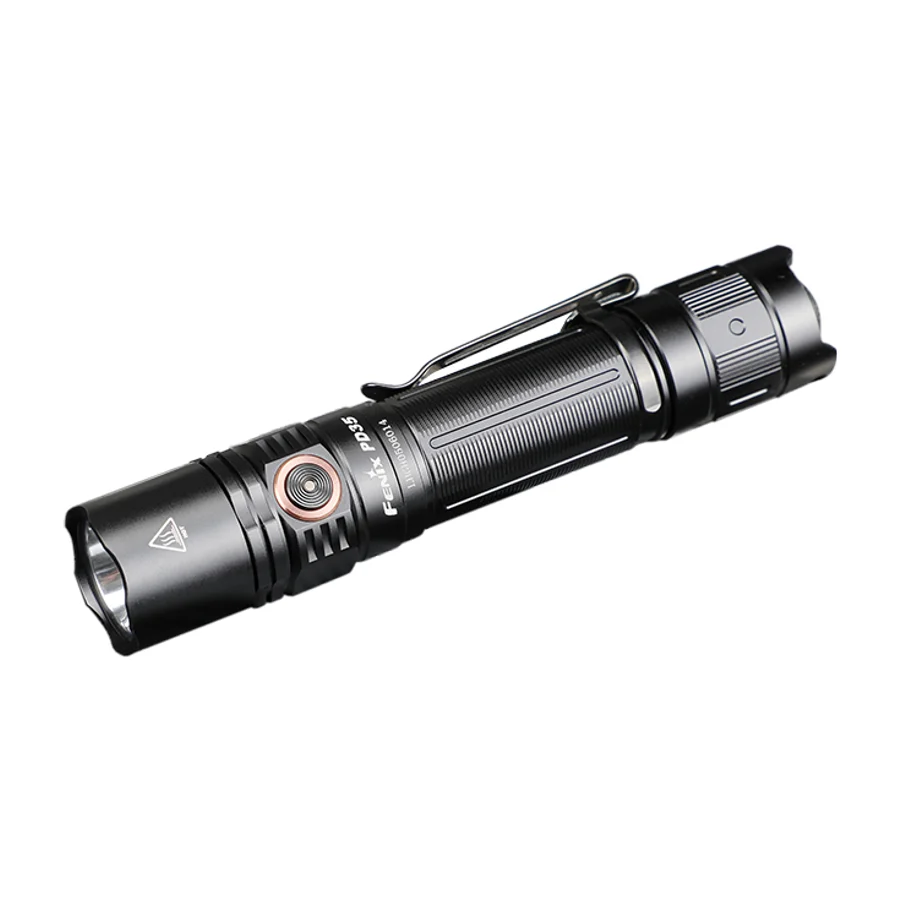 #4 1 of 9 research runs entered this as a product to avoid rather than a pick.
 Fenix PD35 v3.0
 Moved up from C to B on 13 Sept 2026 #5 1 of 3 research runs entered this as a product to avoid rather than a pick.
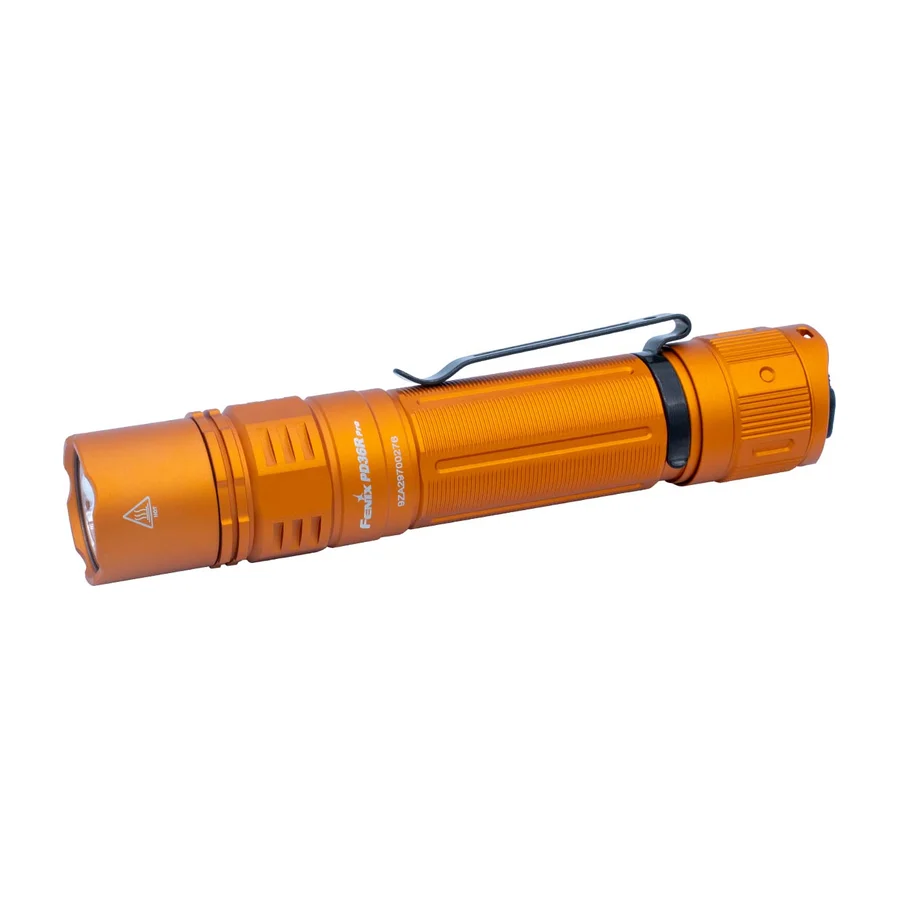
 Fenix PD36R Pro
 Moved up from D to B on 13 Sept 2026 #6 1 of 6 research runs entered this as a product to avoid rather than a pick.
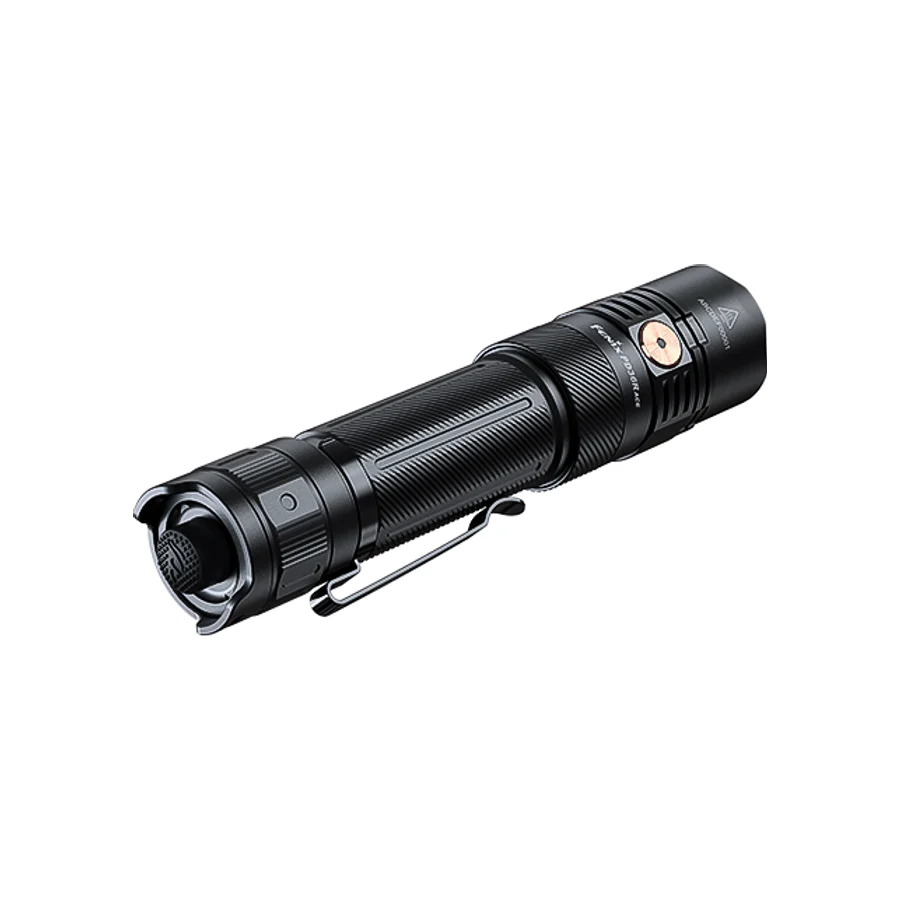
 Fenix PD36R Ace
 #7
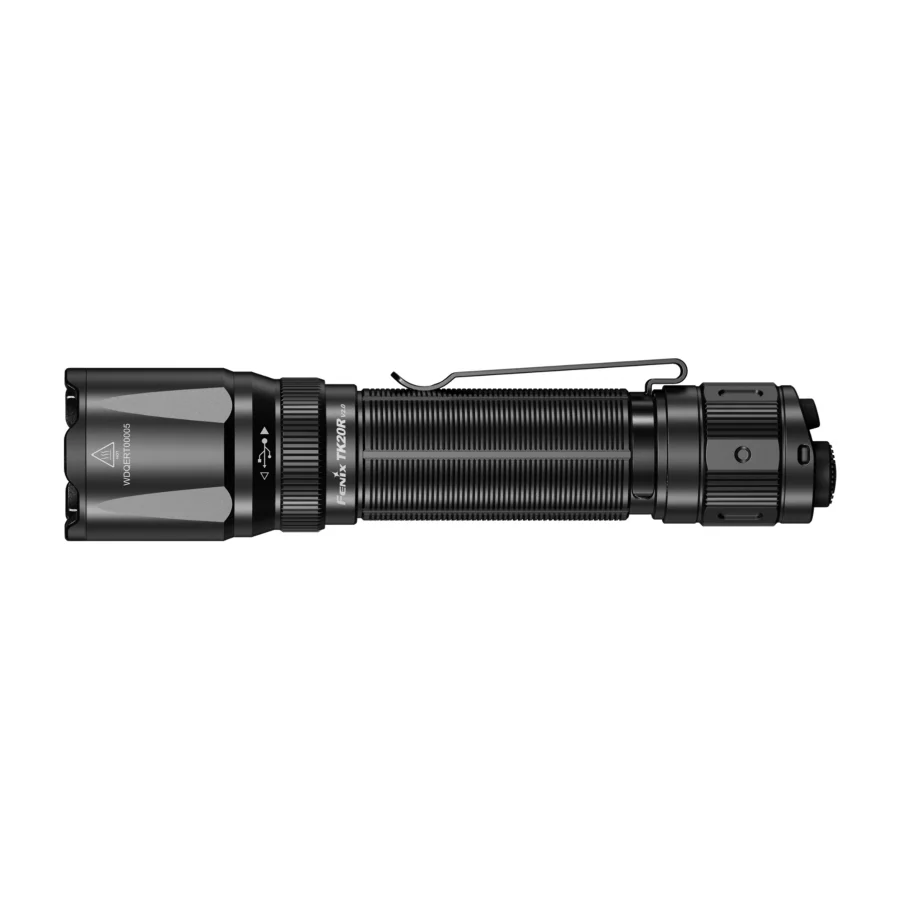
#7 Fenix TK20R V2.0
 #8 2 of 9 research runs entered this as a product to avoid rather than a pick.
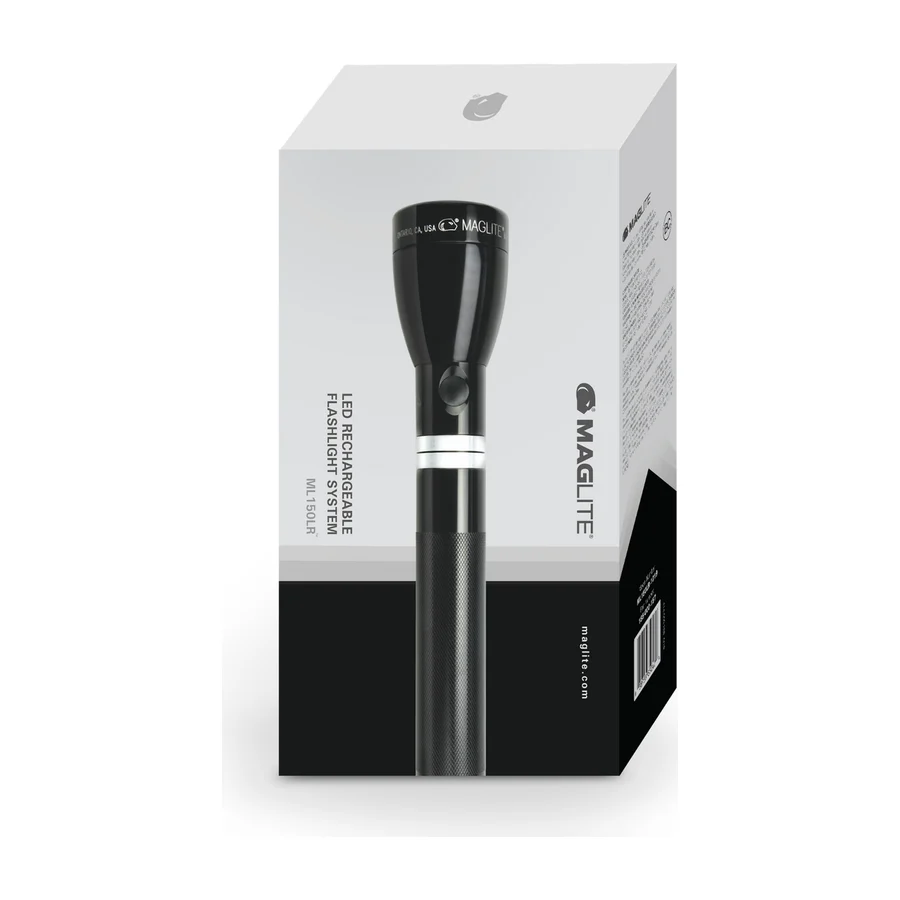
 Maglite ML150LR
 #9
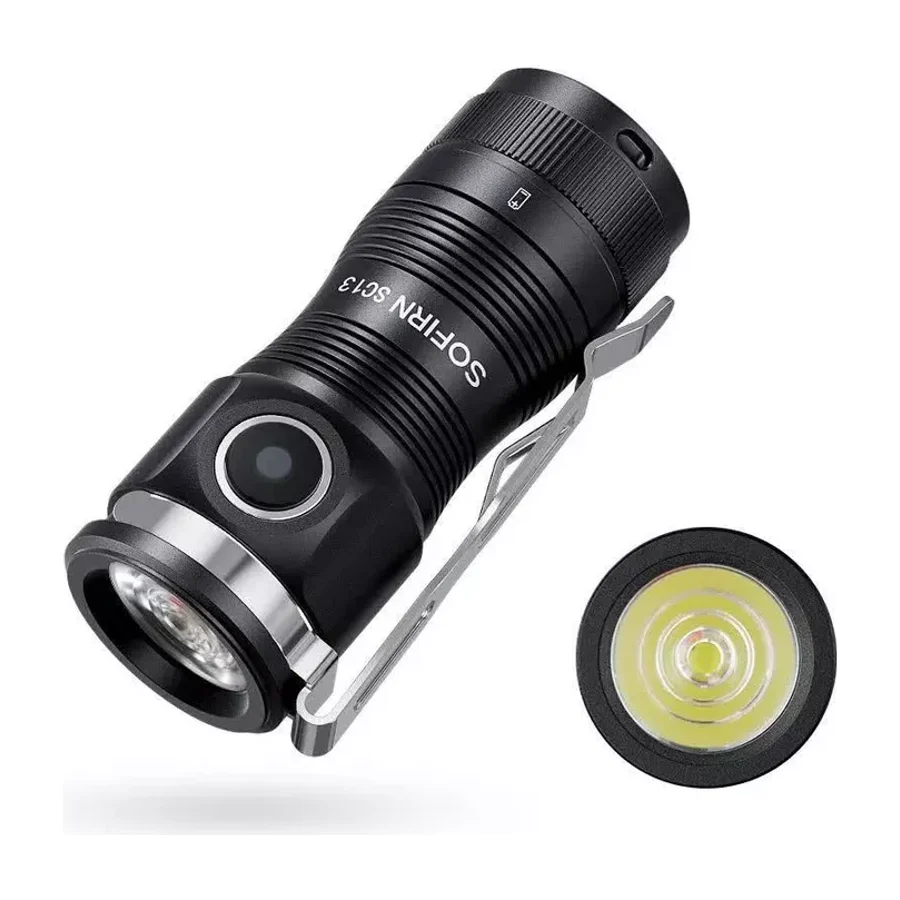
#9 Sofirn SC13
 #10 1 of 6 research runs entered this as a product to avoid rather than a pick.
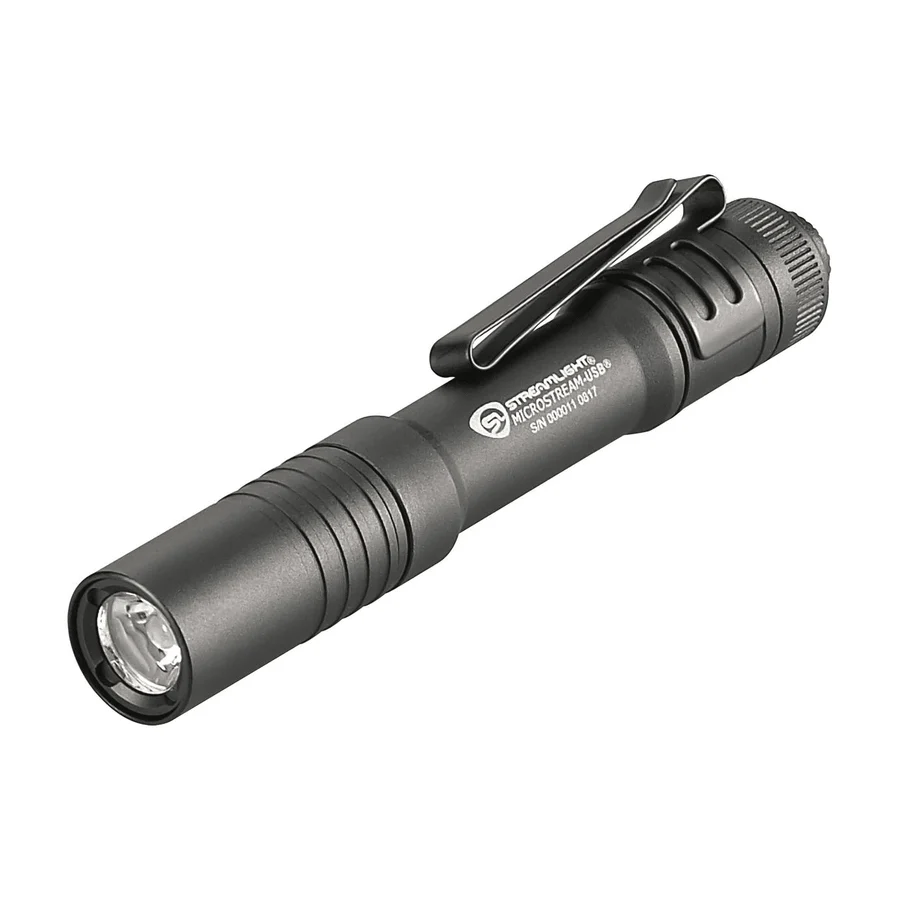
 Streamlight Microstream
 Moved up from D to C on 13 Sept 2026 #11 2 of 8 research runs entered this as a product to avoid rather than a pick.
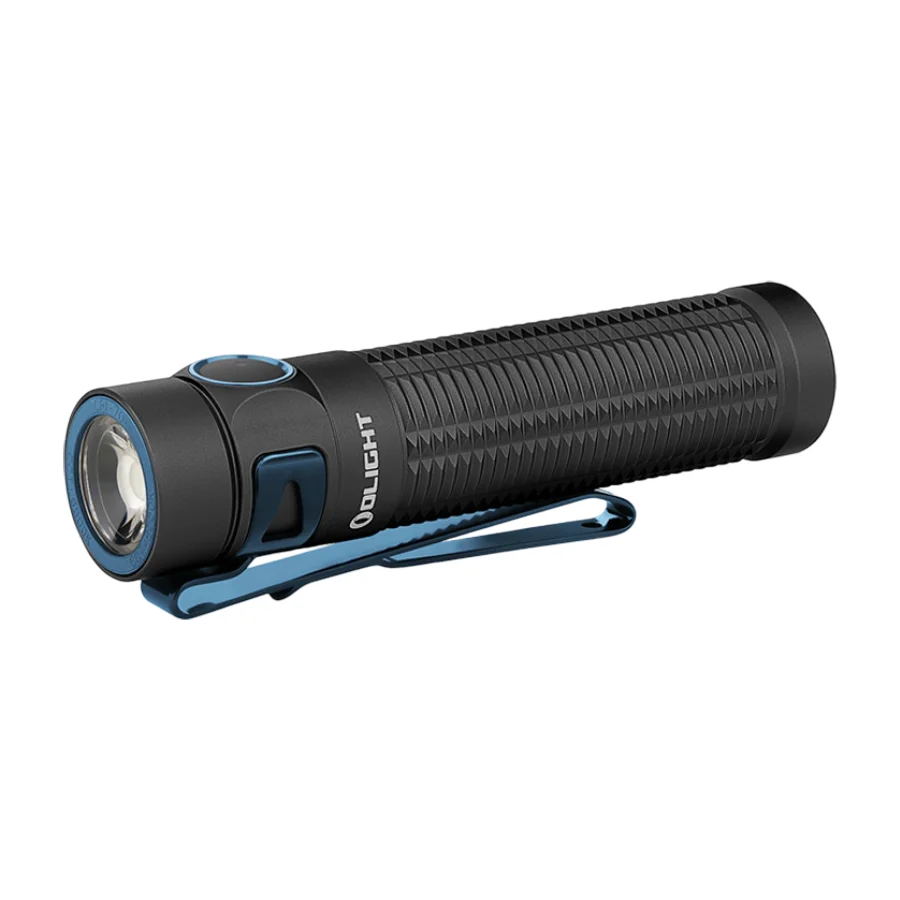
 Olight Baton 3 Pro
 Moved down from C to D on 13 Sept 2026 #12 1 of 3 research runs entered this as a product to avoid rather than a pick.
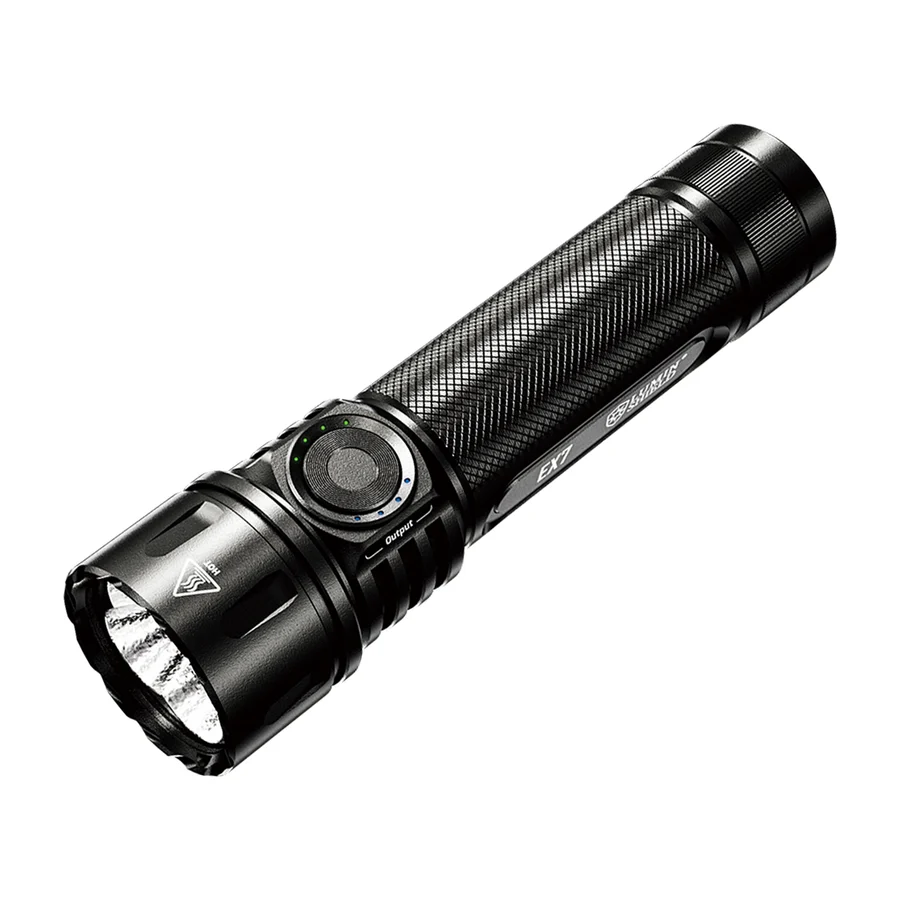
 Nitecore EX7
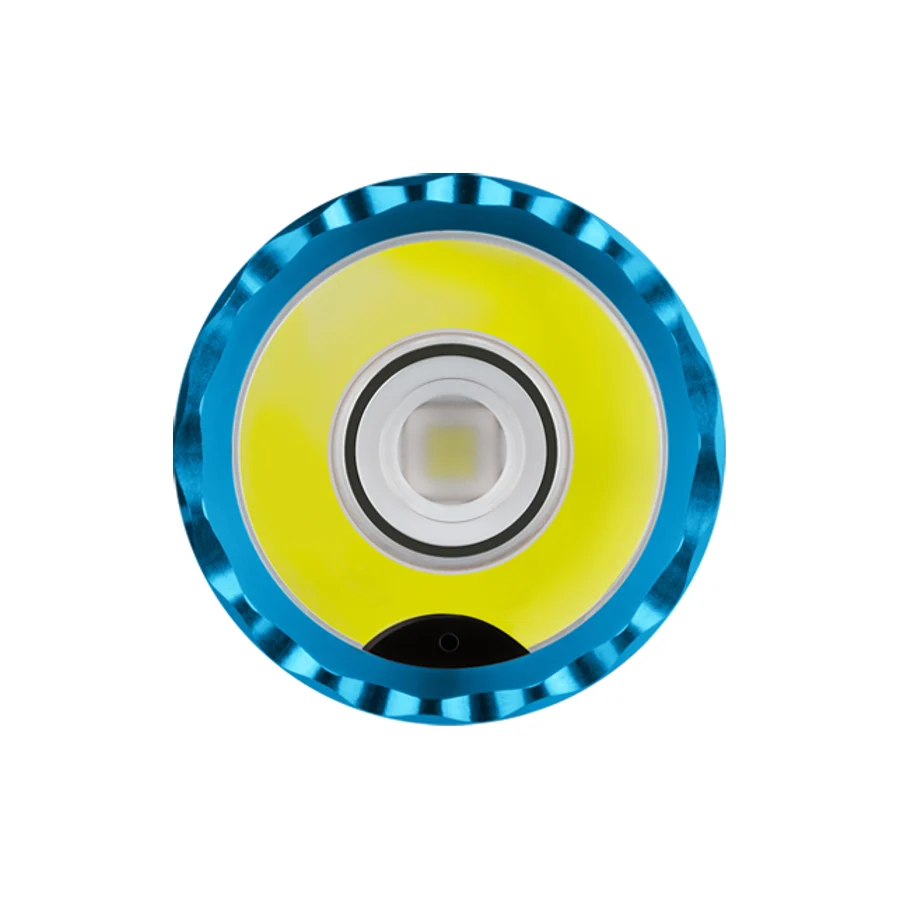 #13 1 of 3 research runs entered this as a product to avoid rather than a pick.
 Olight Warrior 3S
 #14 2 of 8 research runs entered this as a product to avoid rather than a pick.
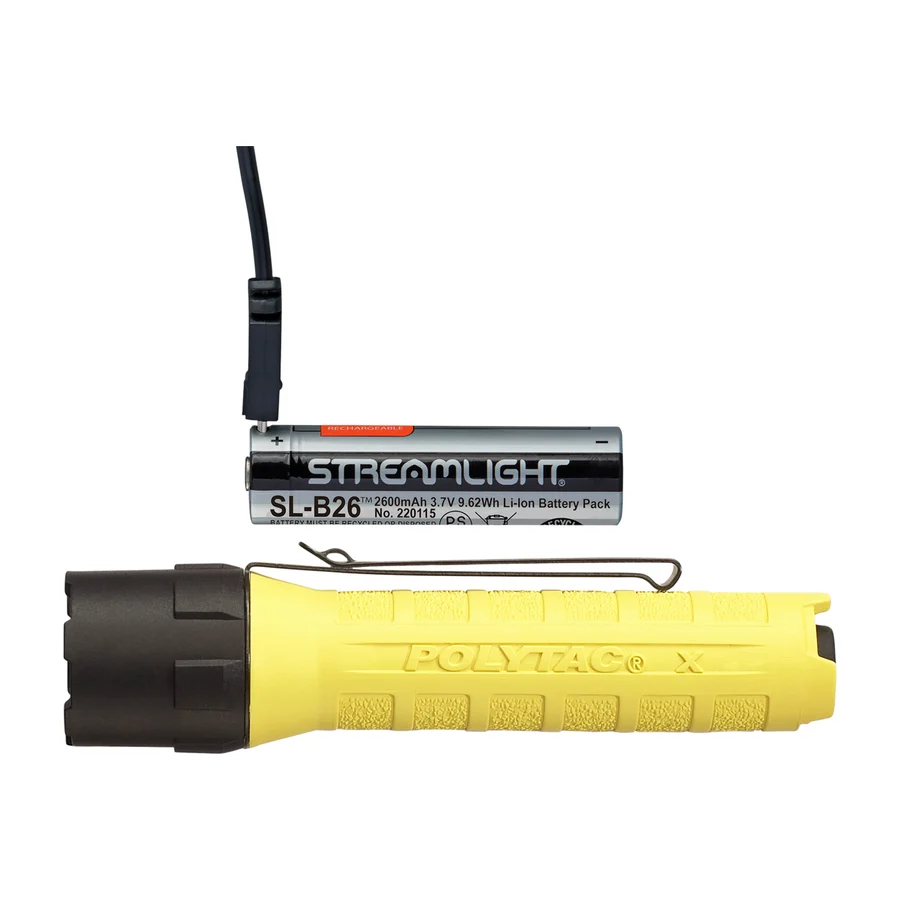
 Streamlight Polytac X USB
 Moved up from F to D on 13 Sept 2026 #15 3 of 6 research runs entered this as a product to avoid rather than a pick.
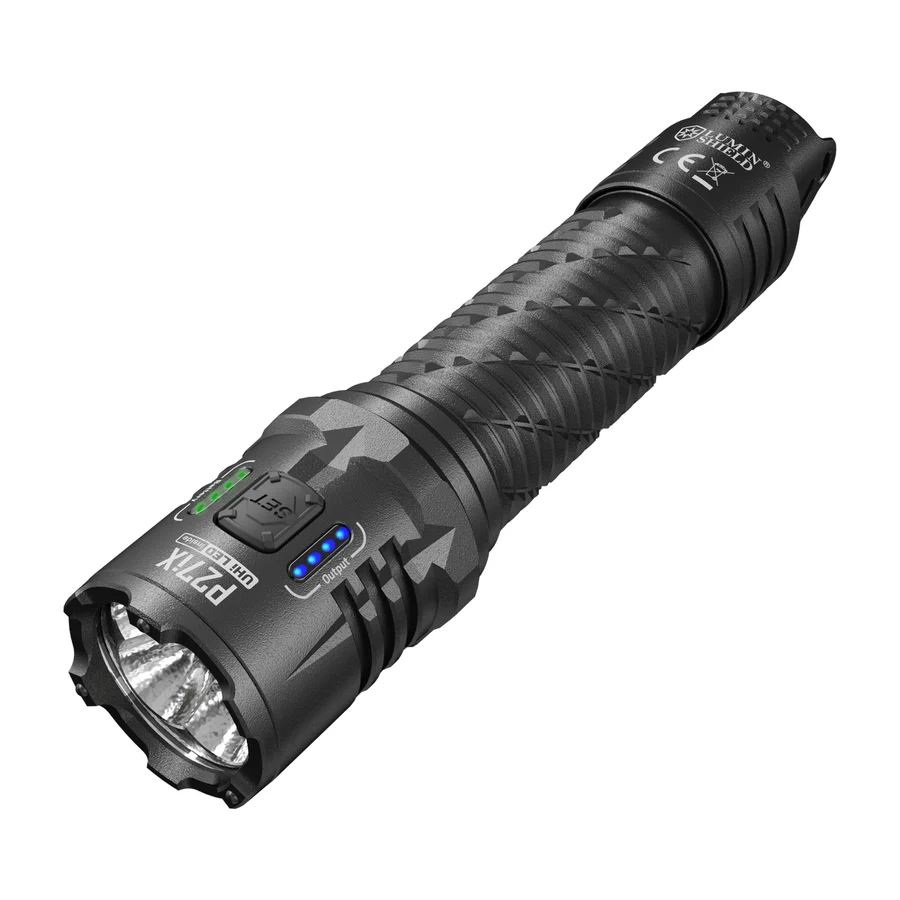
 Nitecore P27iX
What moved on this board
12 tier changes recorded between 28 Jul 2026 and 14 Sept 2026. The 5 most recent are below.
- 13 Sept 2026 Nitecore P27iX moved up from F to D. 1 more research game.
- 13 Sept 2026 Nitecore EX7 moved down from C to D. 1 more research game. 1 source added.
- 13 Sept 2026 Olight Baton 3 Pro moved up from D to C. 2 more research games. 3 sources added.
- 13 Sept 2026 Fenix PD36R Ace moved up from D to B. 2 more research games. 1 source added.
- 13 Sept 2026 Fenix PD36R Pro moved up from C to B. 1 more research game. 1 source added.
Each line shows what else changed at the same publish. It is not a statement of cause.
Frequently asked questions
ThruNite Archer 2A C sits at #1 in the S tier of our consolidated board, ranked across independent research runs over 249 cited reviews, videos and discussions. Best combination of high-end features at an affordable price and easy to use, making it the top pick for everyday use.
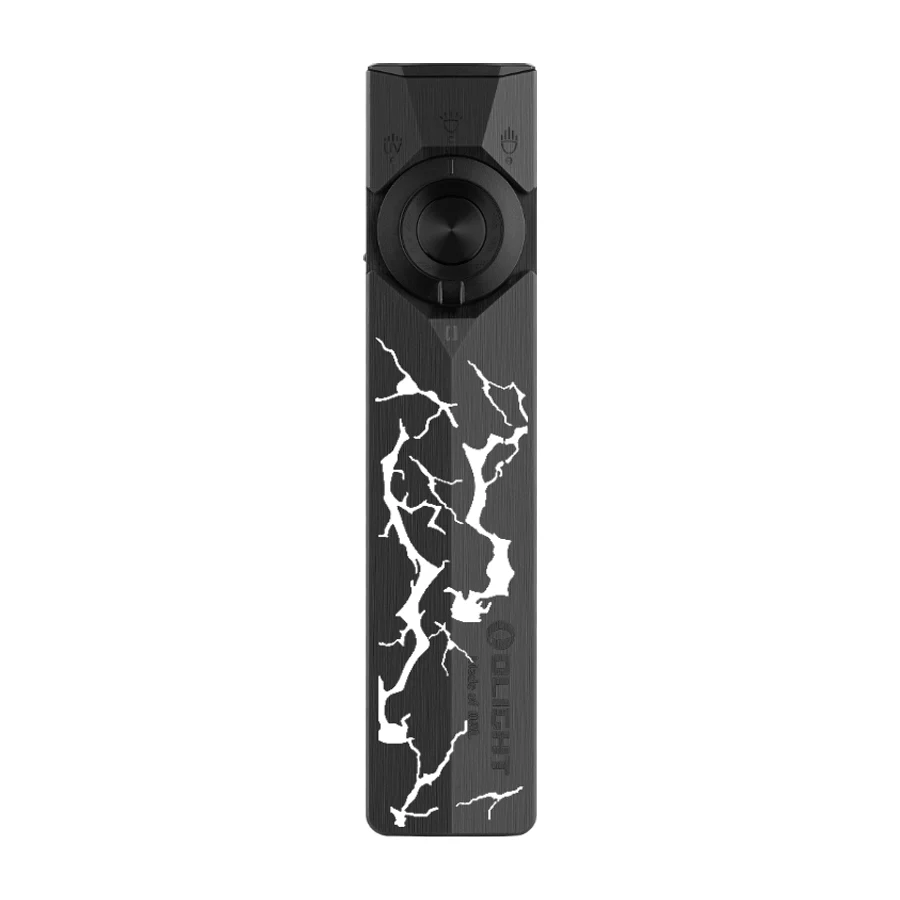
Olight Arkfeld Ultra ranks #2 (S tier). The Olight Arkfeld Ultra tops the list as the highest-peak tactical light, offering 4,500 lumens, a 400-meter throw, and dual-mode operation for versatile use.
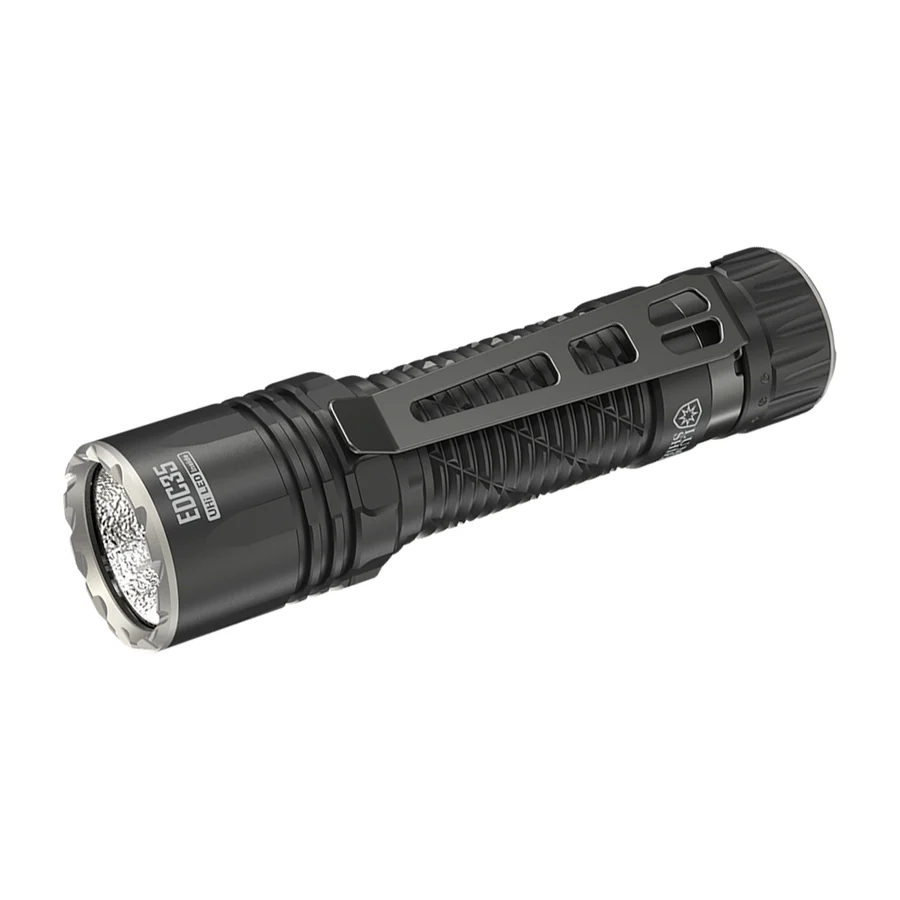
Our research places Nitecore EX7, Olight Warrior 3S, Streamlight Polytac X USB, Nitecore P27iX, Nitecore EDC35, Olight ArkPro Ultra in the bottom tiers (D/F). Nitecore EX7: Best battery-life in a 2026 review, excellent throw and easy to use.
More in Outdoors & Sports
Cite this board as stierproducts, “Best Flashlights”, 13 Sept 2026. Free to quote with attribution and a link (terms).
Machine-readable: markdown · JSON · how we rank
Embed this board on your own site. The frame links back here, which is the attribution the terms ask for:
<iframe src="https://stierproducts.com/embed/flashlights" title="Best Flashlights, ranked by stierproducts" width="100%" height="456" loading="lazy" style="border:0"></iframe>