Compare Telescopes
15 ranked products · Two to 4 at a time · Updated 13 Sept 2026
Pick any two to four of the 15 ranked telescopes and read them side by side. This page opens on the board's top 3, Celestron NexStar 5SE, Celestron NexStar 4SE and Vaonis Vespera II.
Choose what to compare
3 of 4 chosen
S
A
B
C
D
F
| Measure | 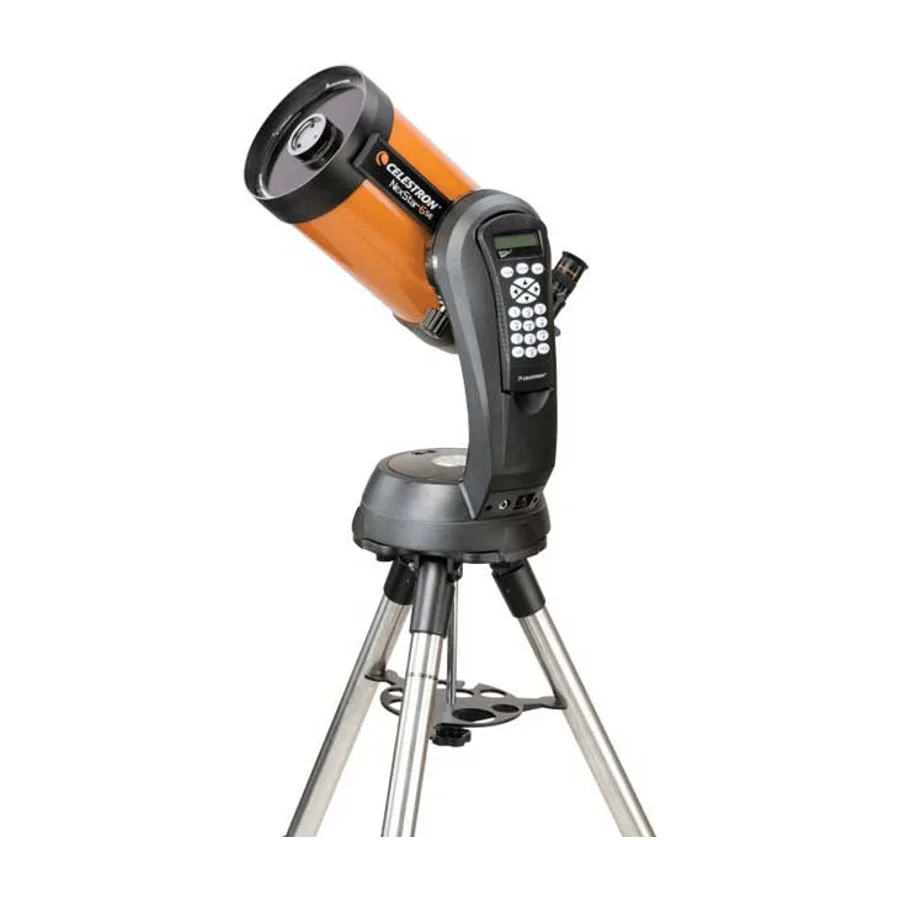 Celestron Celestron NexStar 5SE | 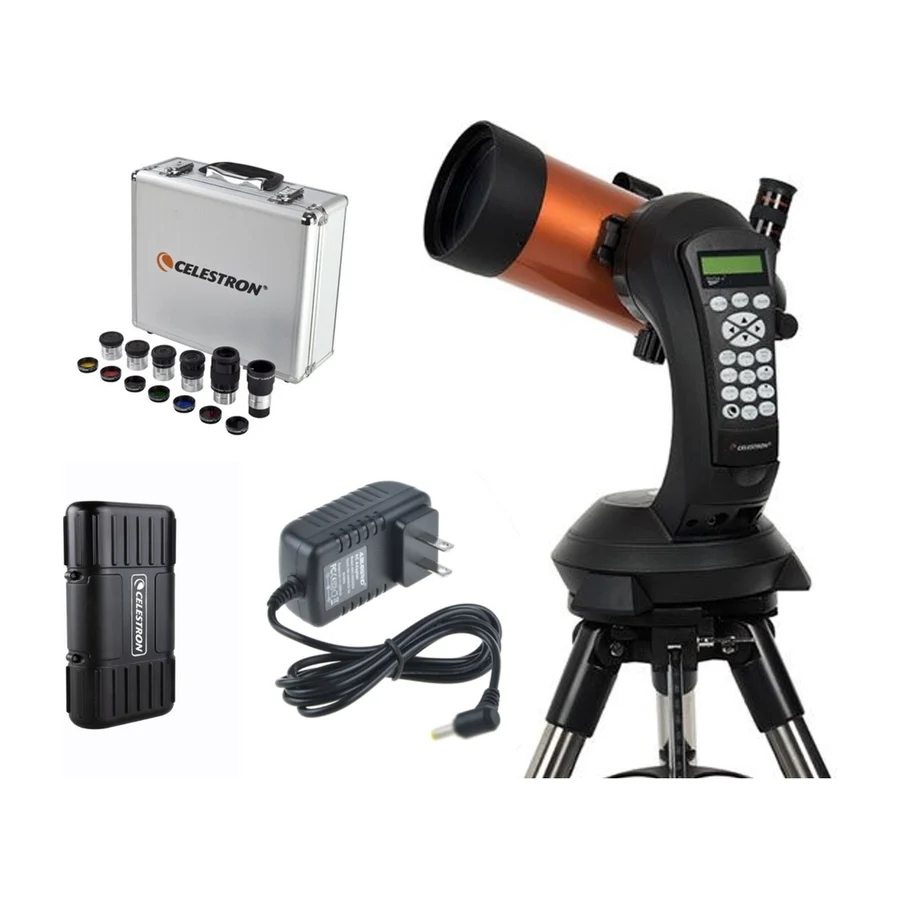 Celestron Celestron NexStar 4SE | 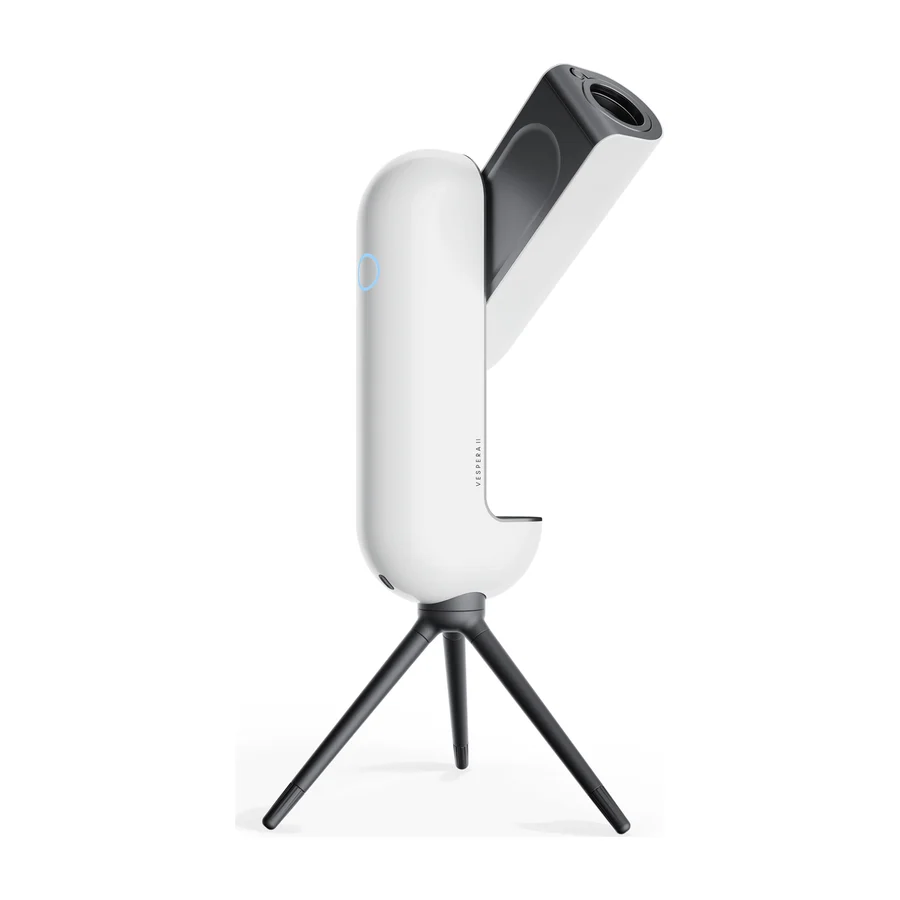 Vaonis Vaonis Vespera II | 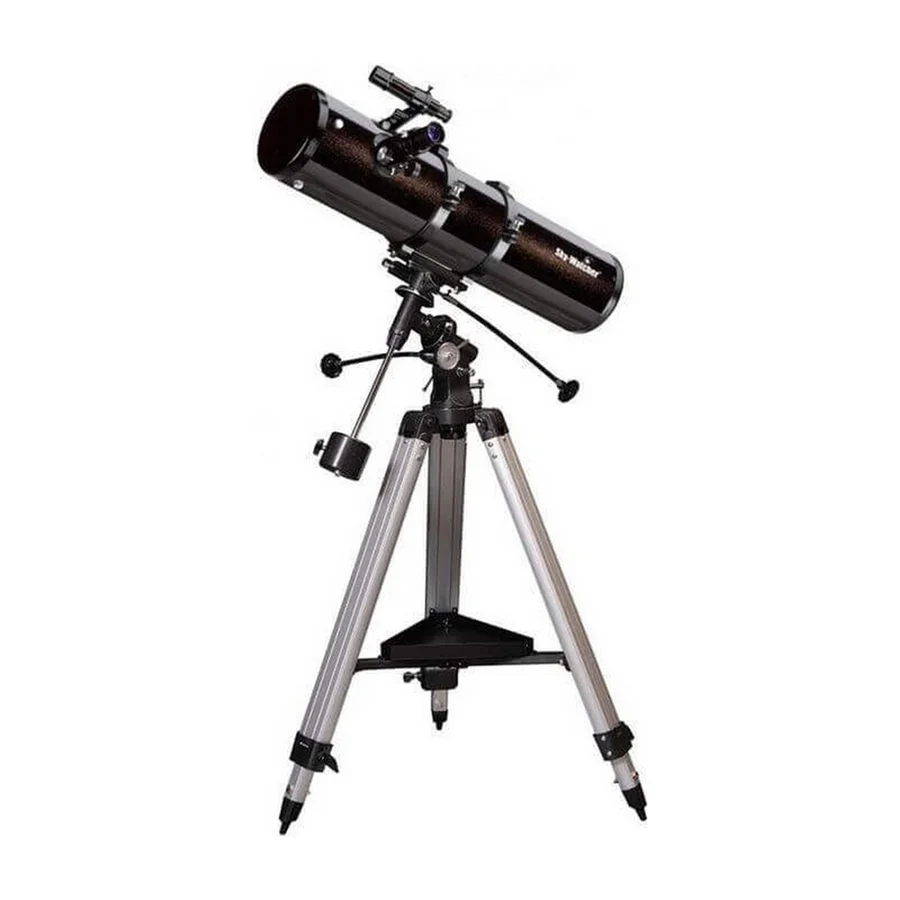 Sky-Watcher Sky-Watcher Explorer 130/900 EQ2 | 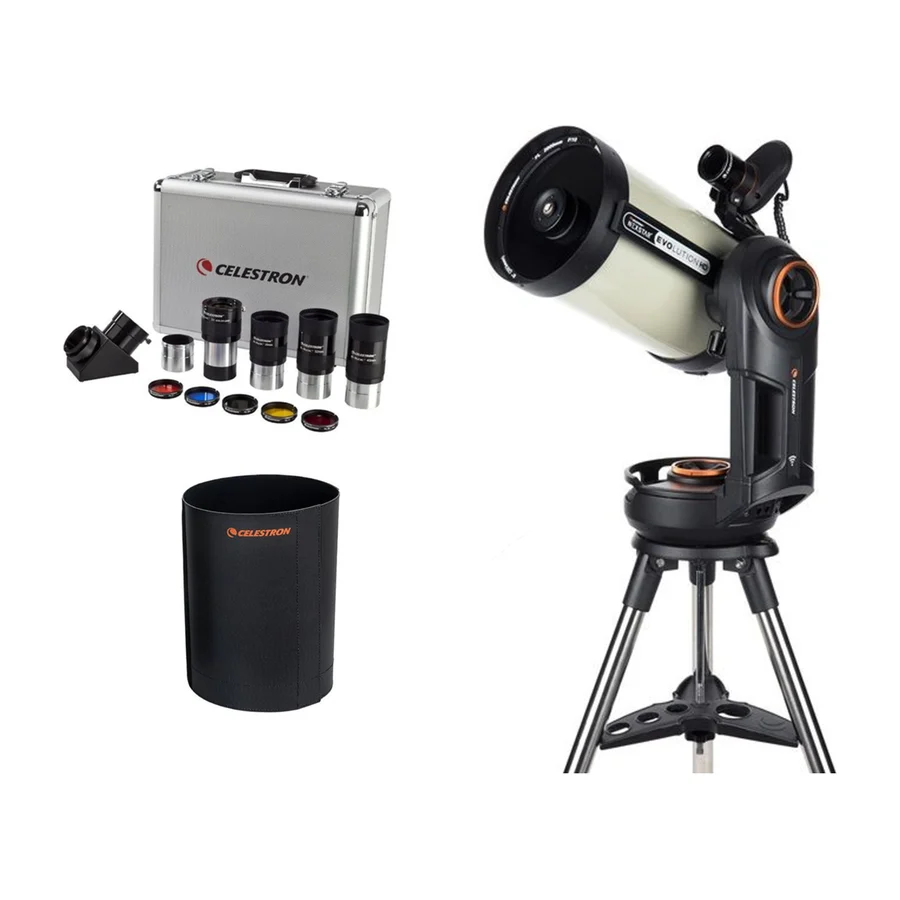 Celestron Celestron Edge HD 8 | 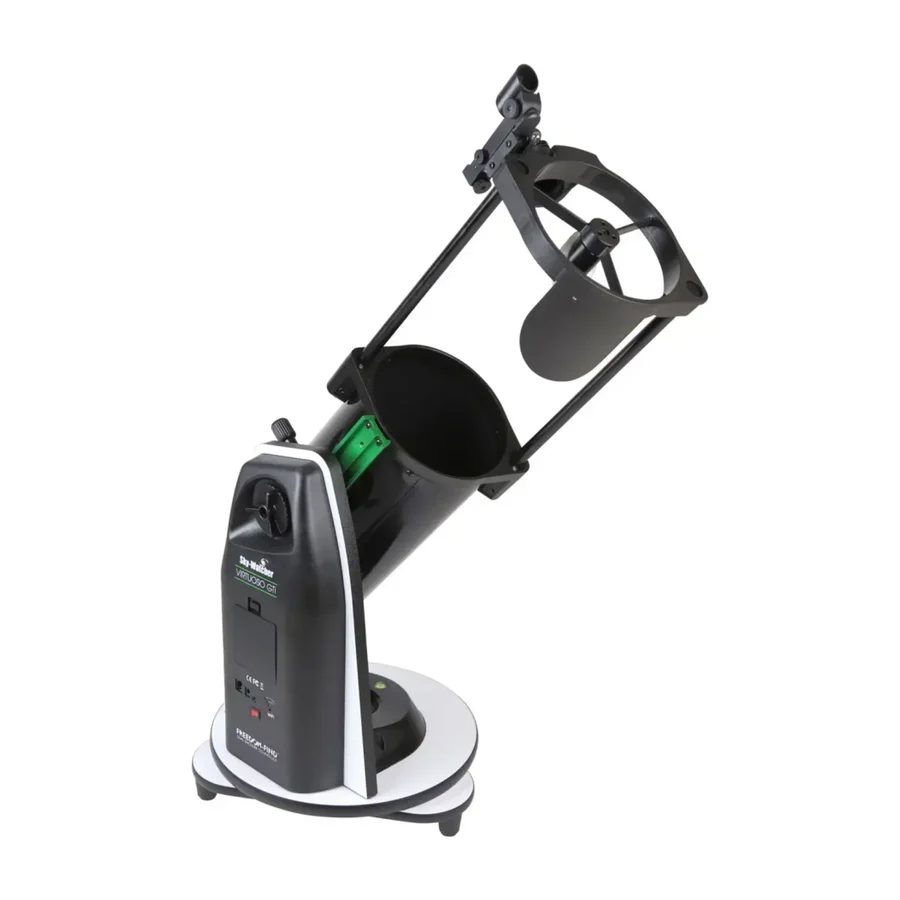 Virtuoso Virtuoso GTi 150P | 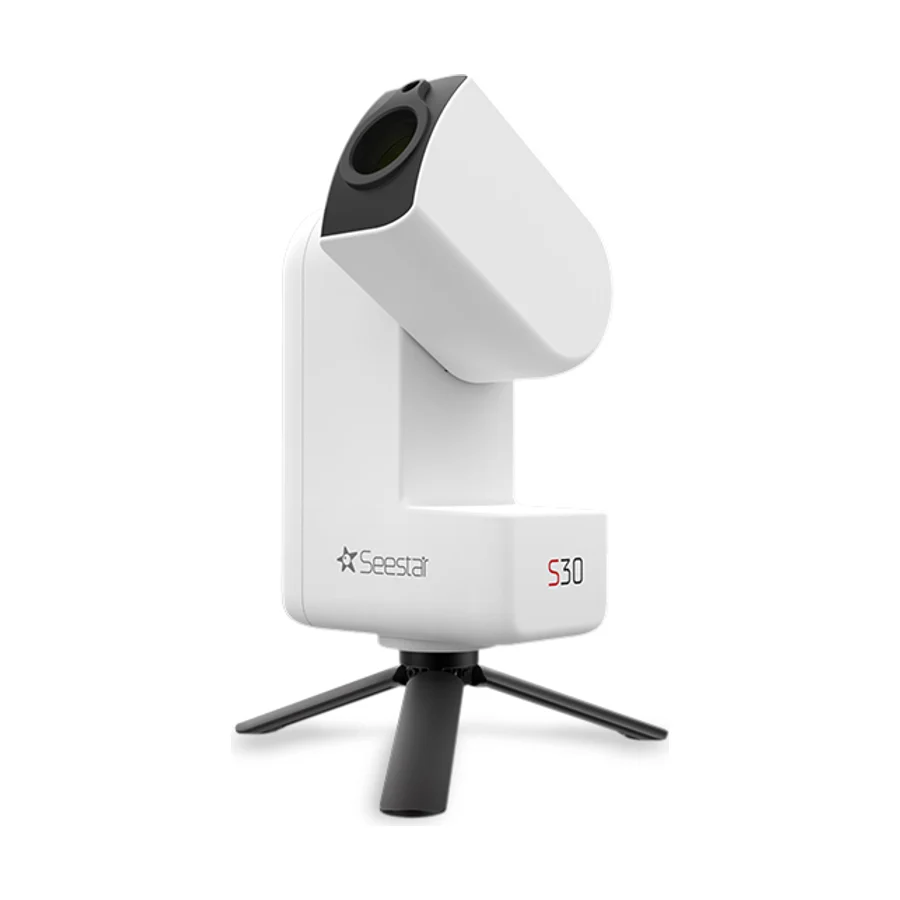 ZWO ZWO Seestar S30 | 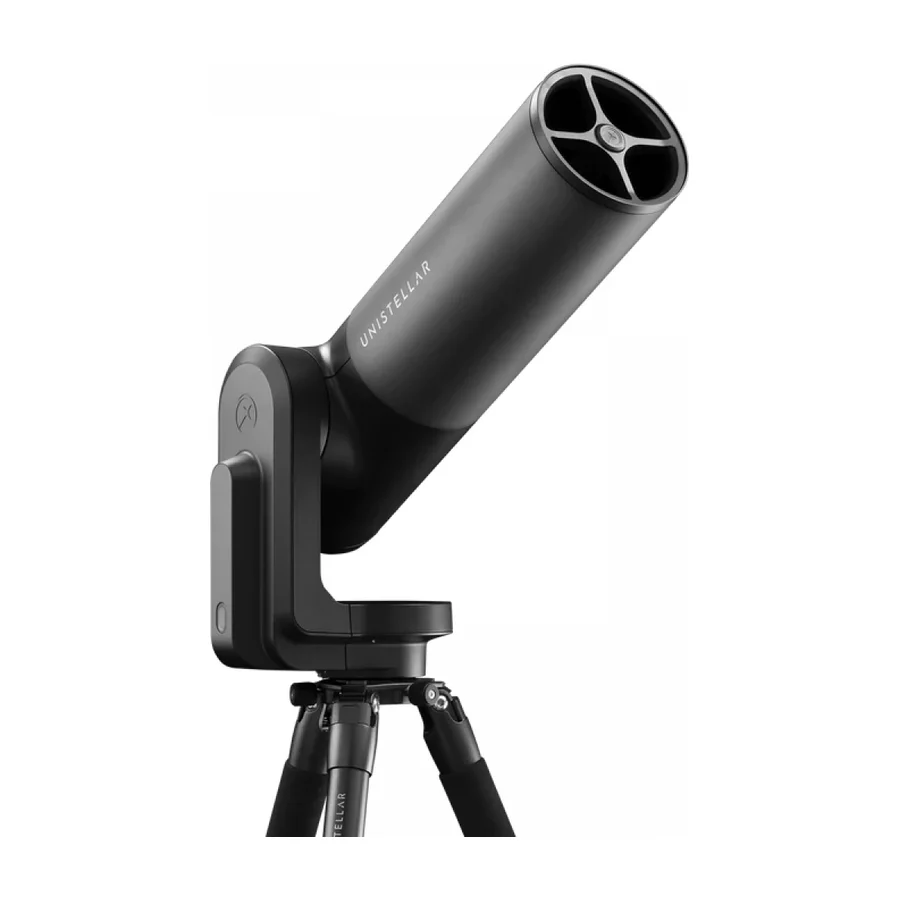 Unistellar Unistellar eQuinox 2 | 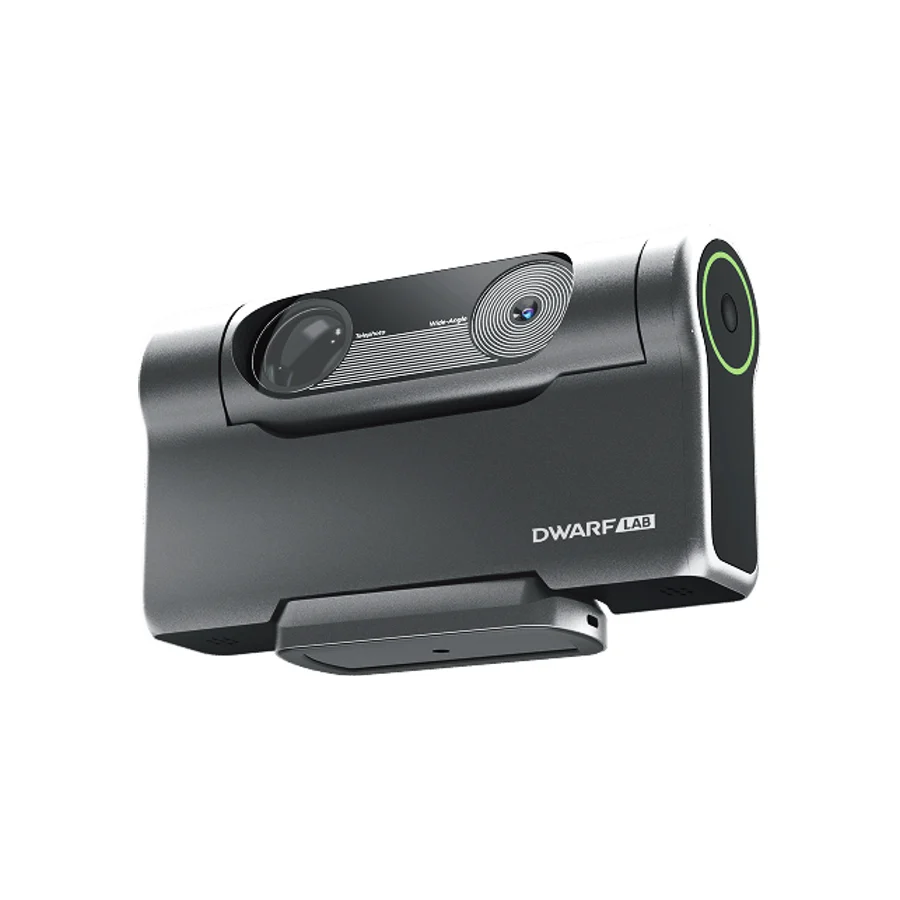 DwarfLab DwarfLab Dwarf 3 | 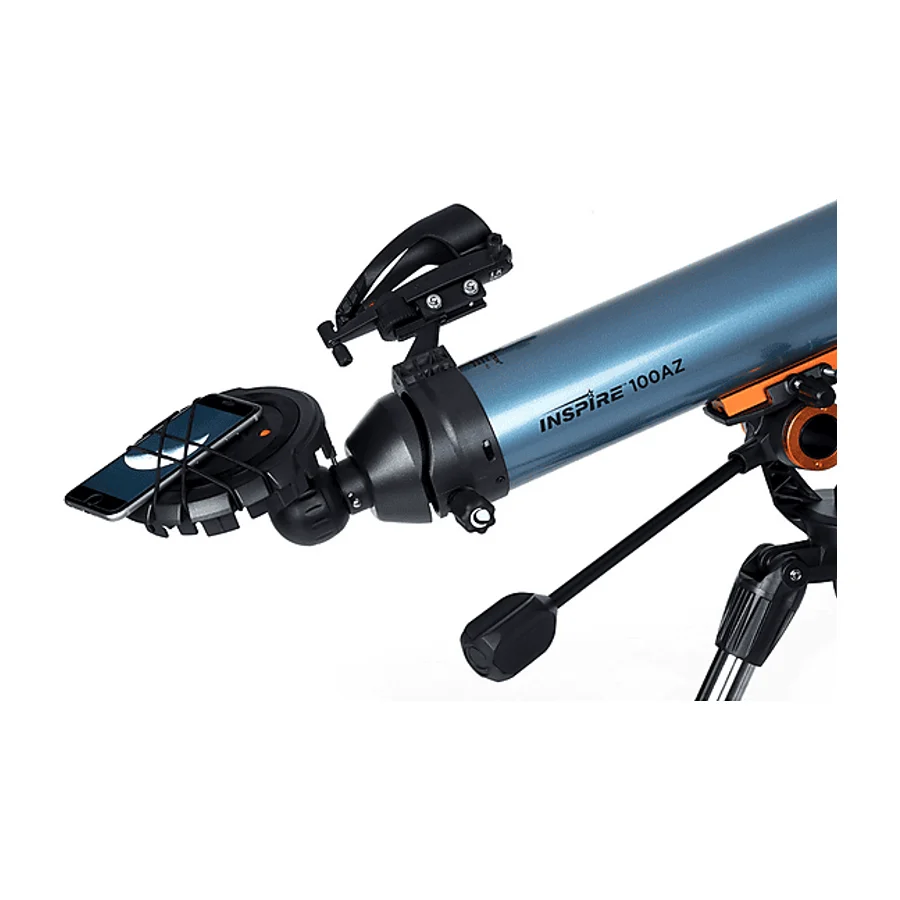 Celestron Celestron Inspire 100AZ | 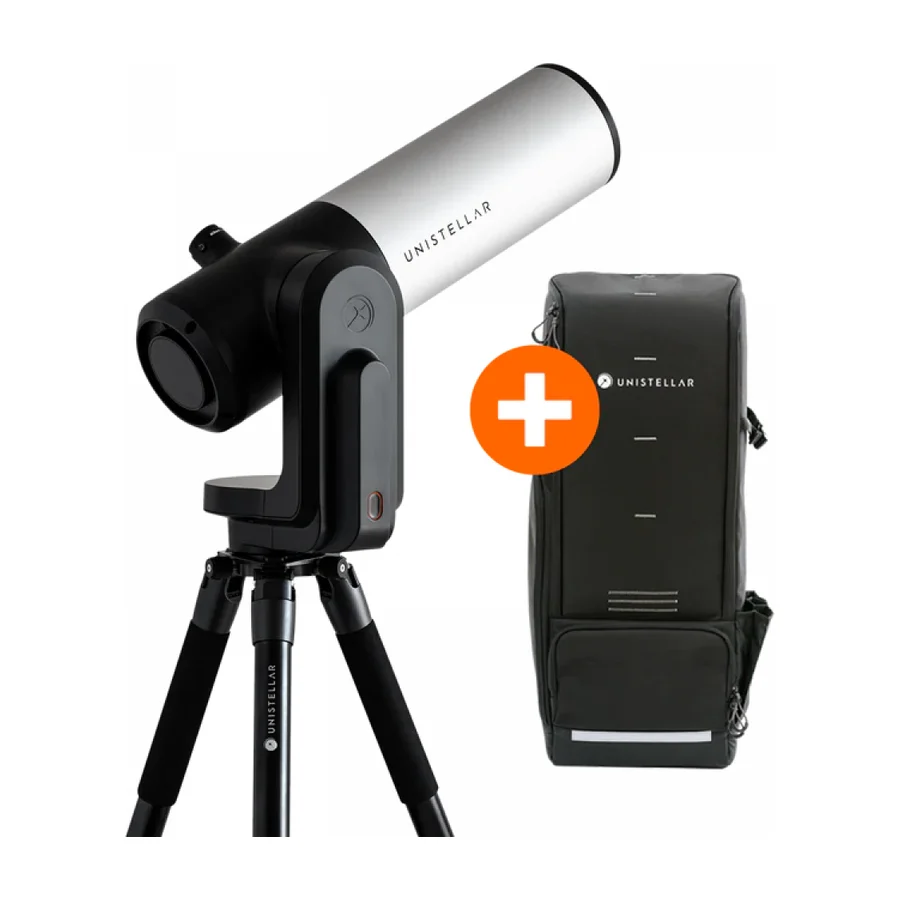 Unistellar Unistellar eVscope 2 | 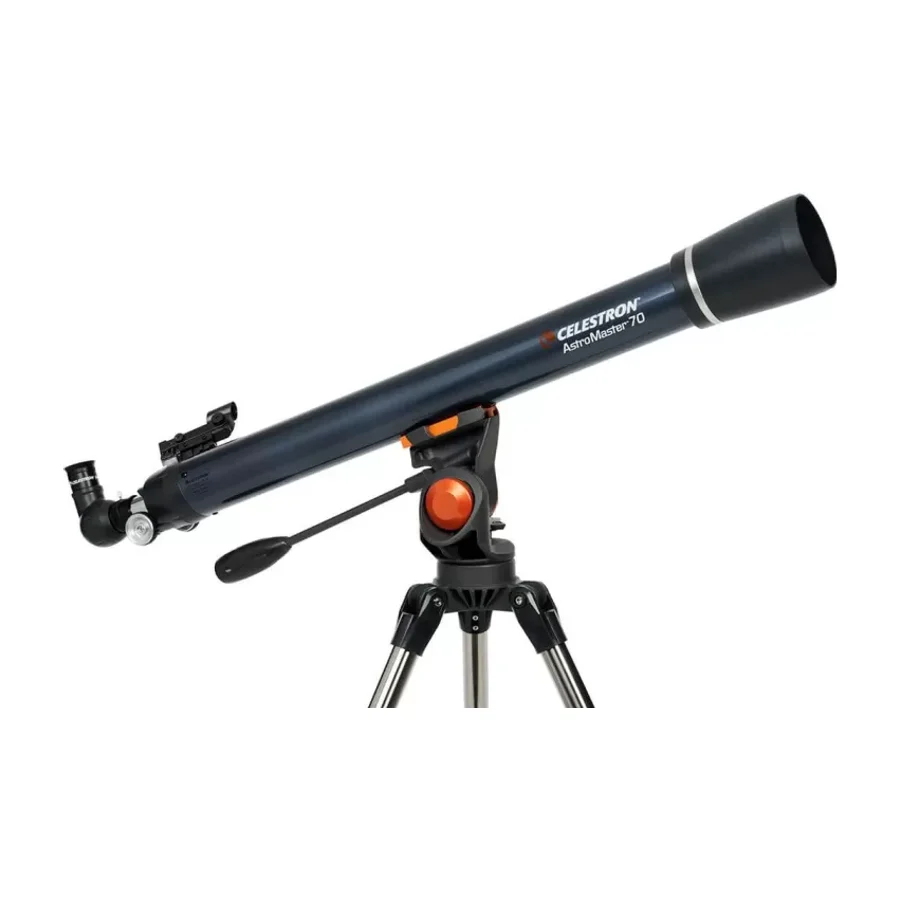 Celestron Celestron AstroMaster 70AZ | 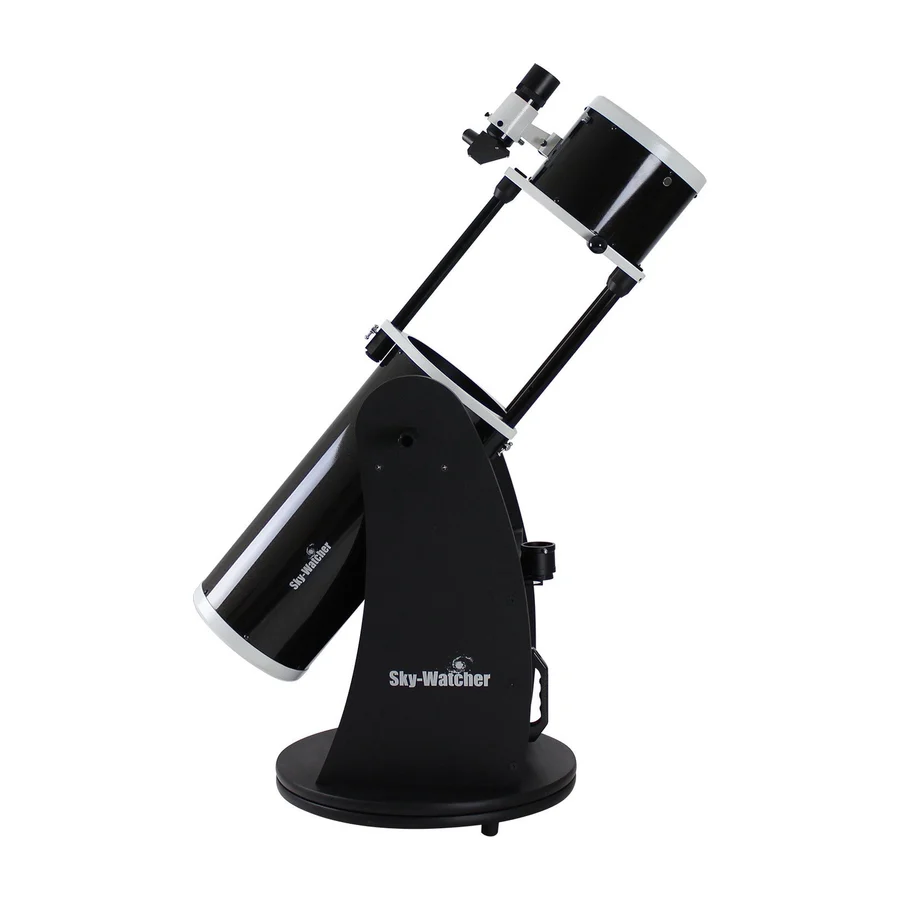 Sky-Watcher Sky-Watcher 6" Dobsonian | 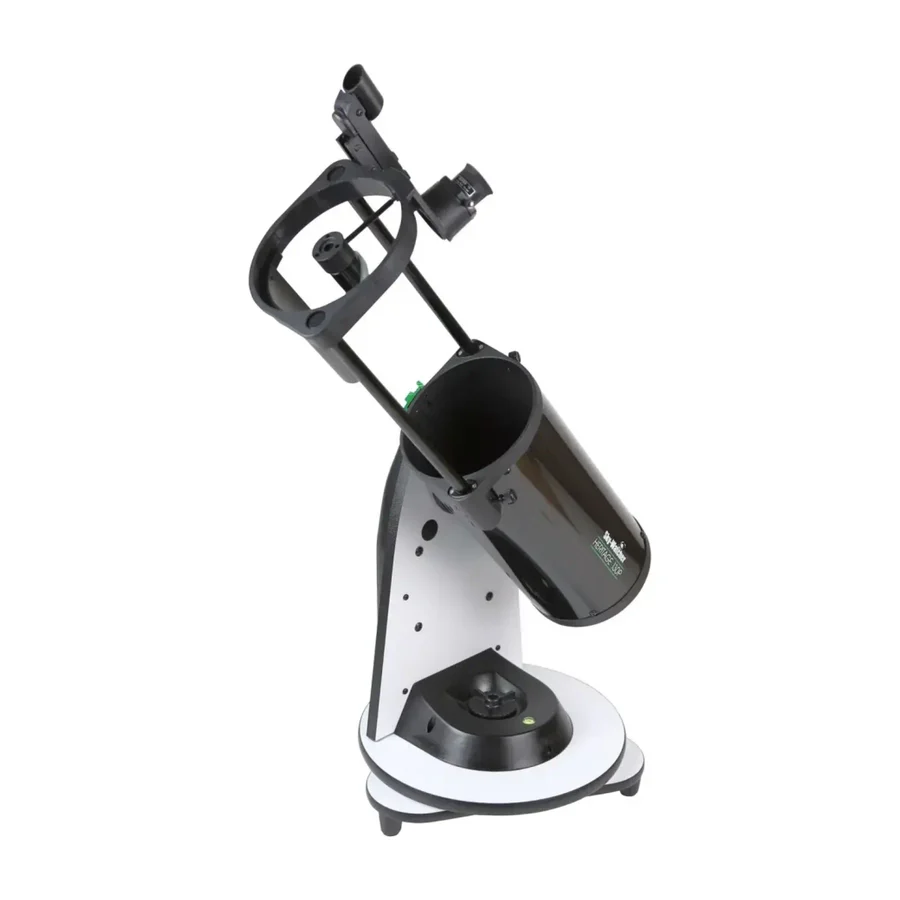 Sky-Watcher Sky-Watcher Heritage 130P | 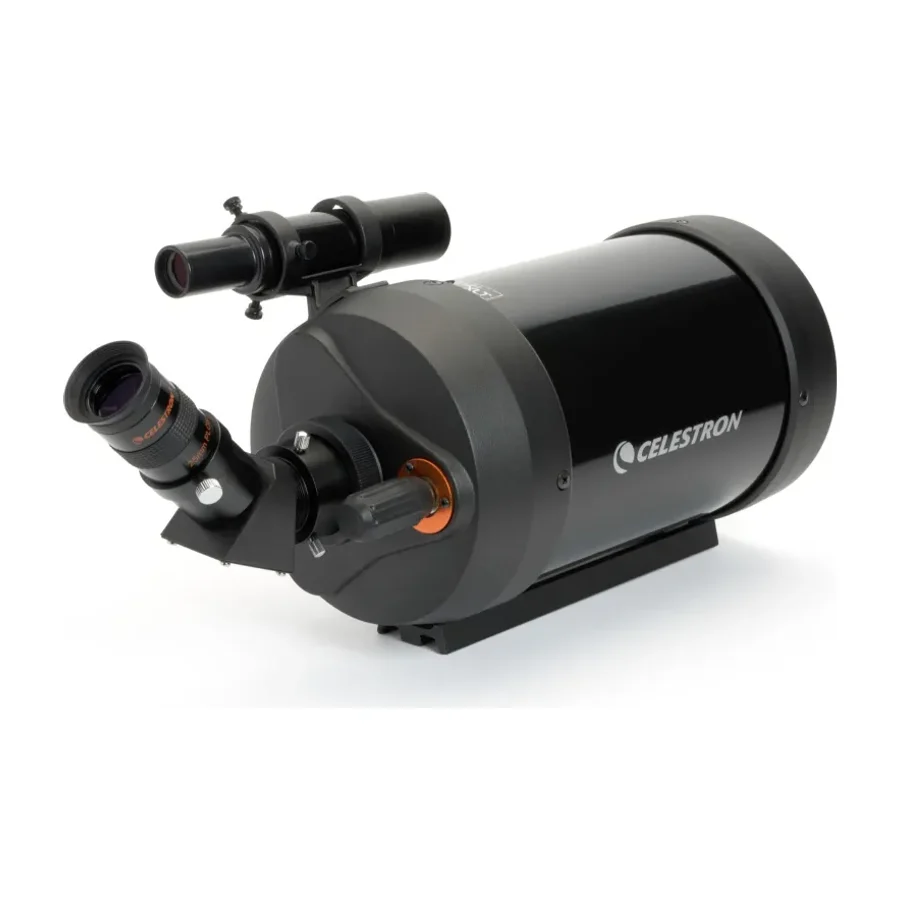 Celestron Celestron C5 |
|---|---|---|---|---|---|---|---|---|---|---|---|---|---|---|---|
| Tier | S | A | A | B | B | B | B | B | C | D | D | D | F | F | F |
| Rank on this board | 1 of 15 | 2 of 15 | 3 of 15 | 4 of 15 | 5 of 15 | 6 of 15 | 7 of 15 | 8 of 15 | 9 of 15 | 10 of 15 | 11 of 15 | 12 of 15 | 13 of 15 | 14 of 15 | 15 of 15 |
| Ladder points | 967 LP | 677 LP | 655 LP | 637 LP | 557 LP | 551 LP | 539 LP | 511 LP | 410 LP | 249 LP | 222 LP | 212 LP | 154 LP | 137 LP | 58 LP |
| Our verdict | The NexStar 5SE is praised for its plug-and-play design, a 5-inch aperture that delivers bright, sharp images, and a built-in GoTo mount that is accurate without extra tweaking. It is the most-recommended beginner scope in several 2026 buying guides. | The 4SE offers the same user-friendly GoTo system as the 5SE but in a lighter, more portable package. Reviewers note its quick setup and reliable tracking, making it ideal for casual stargazers who want a ready-to-use scope. | Smart, portable, and produces professional-level images in a single unit. | This 130 mm reflector with a 900 mm focal length and motor drive is lauded for its excellent optics, stable equatorial mount, and long-term value. It is the top pick for those who want a versatile scope that can handle both deep-sky and planetary work. | The Edge HD 8 is praised for its 8-inch aperture, high-quality optics, and user-friendly design. It is a favorite for astrophotography beginners who want a telescope that works well “out of the box.” | The model is being sold off by owners switching to smart scopes, suggesting it may lack modern features and performance. | Its inclusion in a “Top 5” list and focus on smart features positions it as a strong contender for those seeking modern telescope technology. | The eQuinox 2 is commended for its 2-inch aperture, integrated camera, and powerful software that turns a simple scope into a smart observatory. Reviewers note its ease of use and the ability to capture images without extra gear. | Compact and well-built, but its optics lag behind the 150 mm refractors above. | The Inspire 100AZ is highlighted as the most affordable beginner scope that still delivers clear, bright views. Its 100 mm aperture and simple Alt-Az mount make it a solid entry-level choice. | The eVscope 2 is a compact, 2-inch telescope that offers a built-in camera and a robust app for tracking and imaging. It is singled out for its portability and the fact that it “just works” for most users. | Reviewers note that the 70 mm AstroMaster offers a very light, easy-to-carry design with decent optics for a low price point, making it a good “starter” scope. | The 6-inch Dobsonian is praised for its portability, simple setup, and excellent light-gathering for its size. It is a go-to choice for casual observers who want a straightforward, no-frills scope. | The Heritage 130P is praised for its portability, but its optics lack the sharpness of other 130-mm scopes and its mount can feel unstable, making it a less compelling option for beginners. | The C5’s 5-inch aperture and need for frequent collimation make it less suitable for casual use, favoring more experienced users. |
| What reviewers rate |
|
|
|
|
|
|
|
|
|
|
|
|
|
|
|
| Where it falls short | Nothing recorded |
| Nothing recorded | Nothing recorded |
|
| Nothing recorded | Nothing recorded |
|
|
| Nothing recorded |
|
|
|
| Evidence behind it | 10 sources across 9 outlets | 15 sources across 13 outlets | 27 sources across 17 outlets | 3 sources across 3 outlets | 6 sources across 5 outlets | 9 sources across 6 outlets | 67 sources across 46 outlets | 13 sources across 9 outlets | 55 sources across 42 outlets | 17 sources across 10 outlets | 14 sources across 11 outlets | 20 sources across 17 outlets | 4 sources across 4 outlets | 7 sources across 7 outlets | 12 sources across 11 outlets |
| Flagged as one to avoid | Not flagged | 1 of 7 research runs | Not flagged | Not flagged | 1 of 5 research runs | 1 of 6 research runs | Not flagged | Not flagged | 1 of 8 research runs | 1 of 8 research runs | 2 of 3 research runs | Not flagged | 4 of 5 research runs | 1 of 6 research runs | 4 of 5 research runs |
| Announced | Not recorded | Not recorded | Not recorded | Not recorded | Not recorded | Not recorded | Not recorded | Not recorded | Not recorded | Not recorded | Not recorded | Not recorded | Not recorded | Not recorded | Not recorded |
| Where to buy | Check it | Check it | Check it | Check it | Check it | Check it | Check it | Check it | Check it | Check it | Check it | Check it | Check it | Check it | Check it |
Every column is the same research that built the board. Nothing here is a specification sheet copied from a maker. Read how we rank for what a tier and a ladder point mean.