Compare NAS Devices
22 ranked products · Two to 4 at a time · Updated 23 Sept 2026
Pick any two to four of the 22 ranked nas devices and read them side by side. This page opens on the board's top 3, Synology DiskStation DS225+, TerraMaster F4-424 Pro and Asustor Drivestor 4 Gen2 (AS1204T).
Choose what to compare
3 of 4 chosen
S
A
B
C
D
F
| Measure | 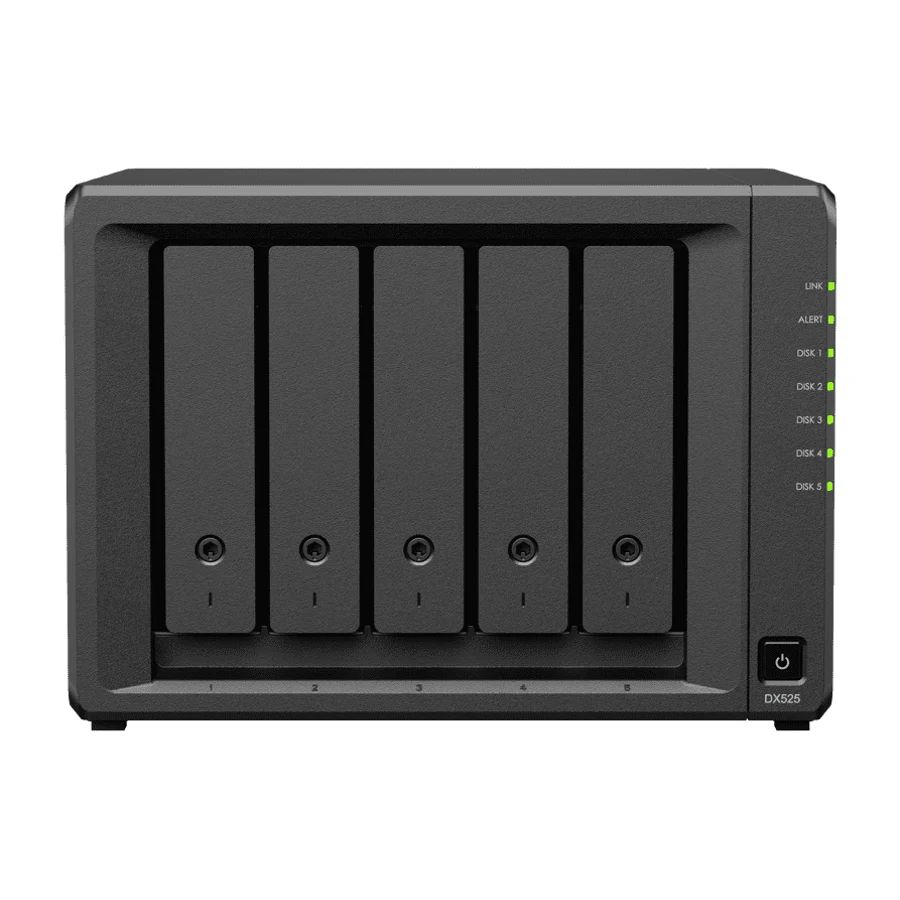 Synology Synology DiskStation DS225+ | 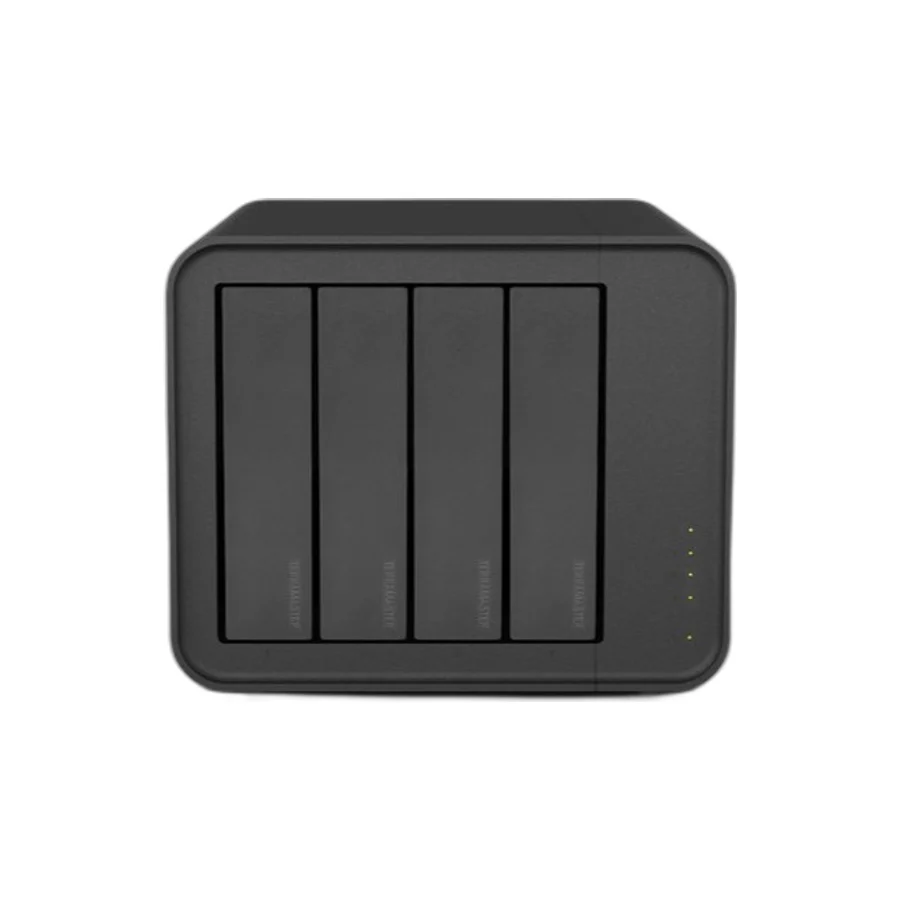 TerraMaster TerraMaster F4-424 Pro | 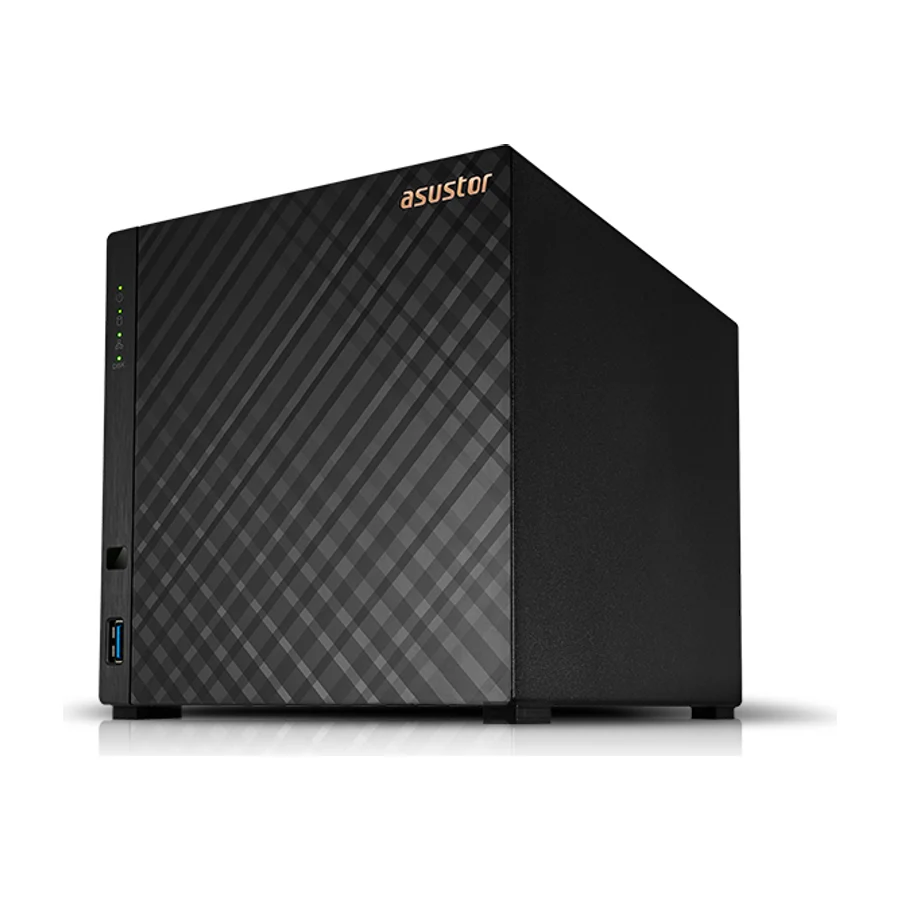 Asustor Asustor Drivestor 4 Gen2 (AS1204T) | 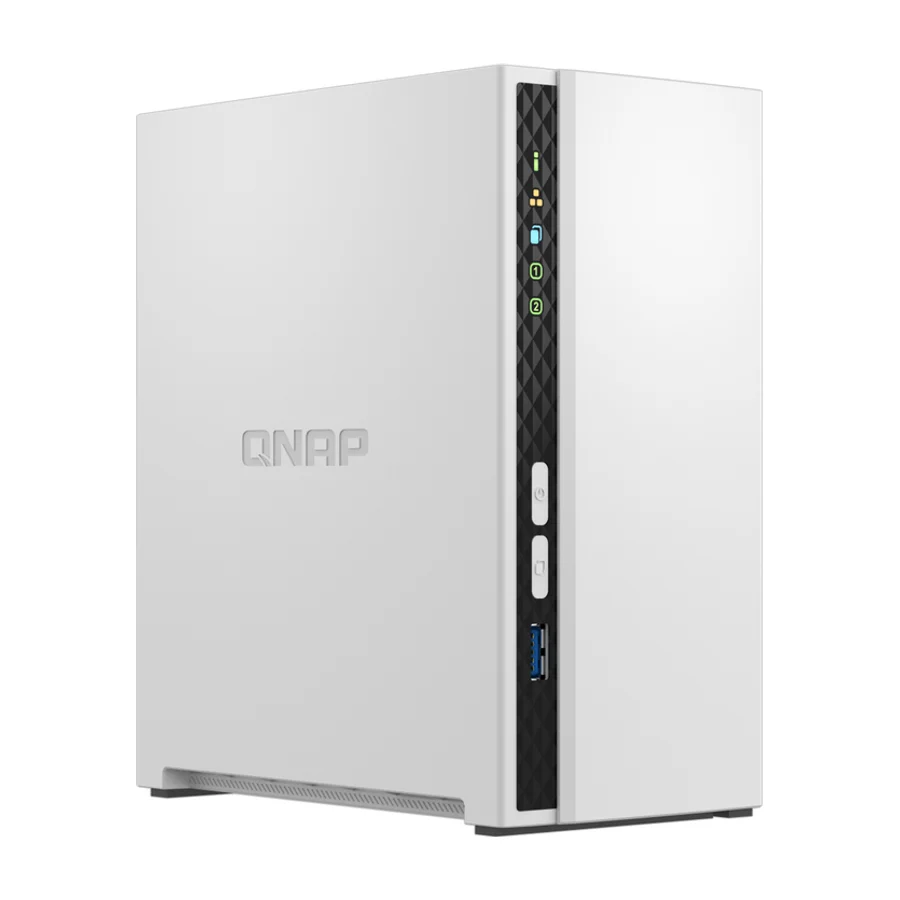 QNAP QNAP TS-233 | 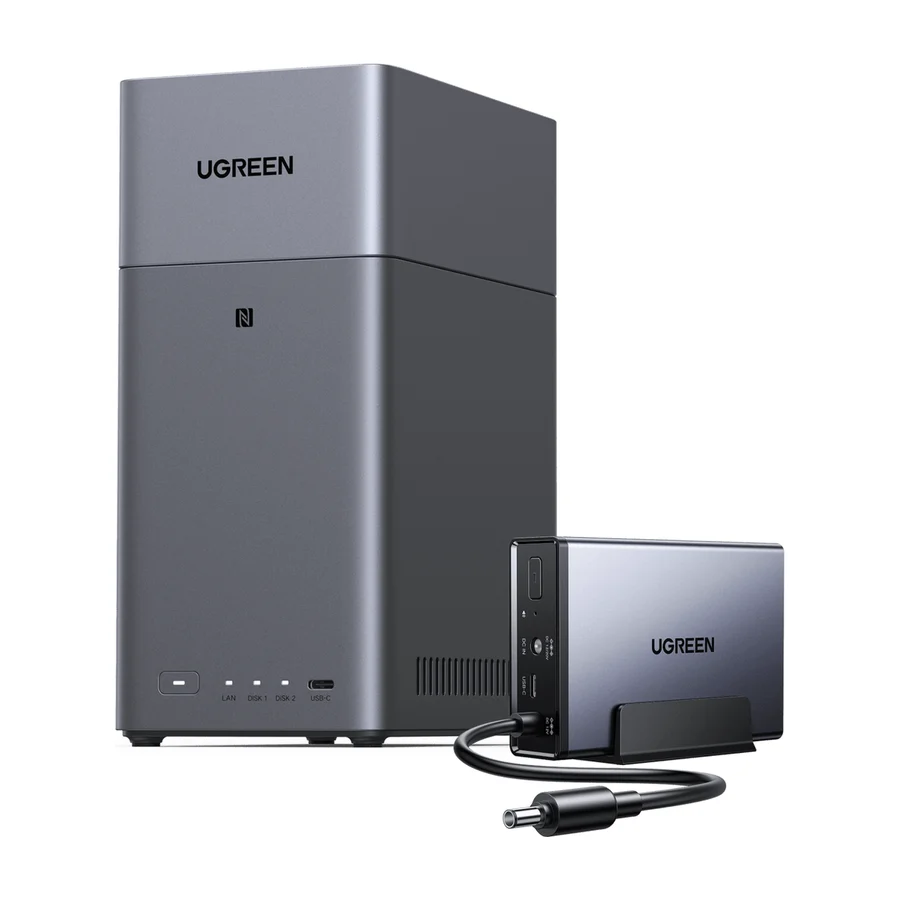 UGREEN UGREEN NASync DH2300 | 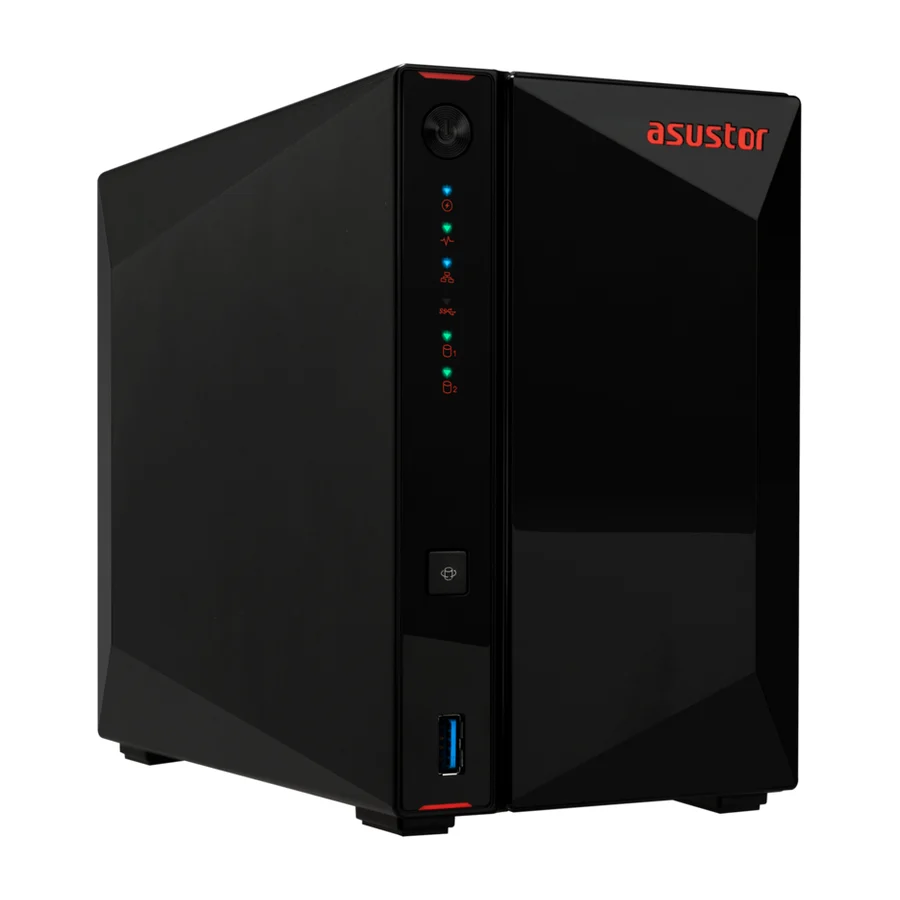 Asustor Asustor Nimbustor 2 Gen2 (AS5402T) | 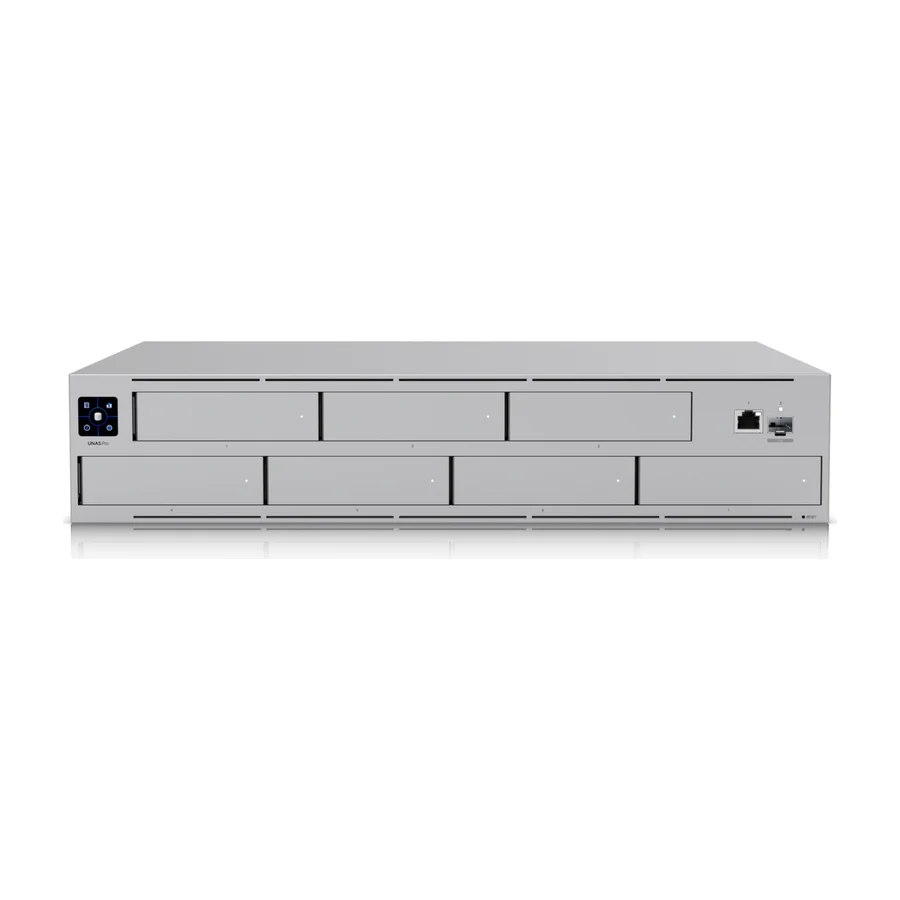 UniFi UniFi UNAS Pro | 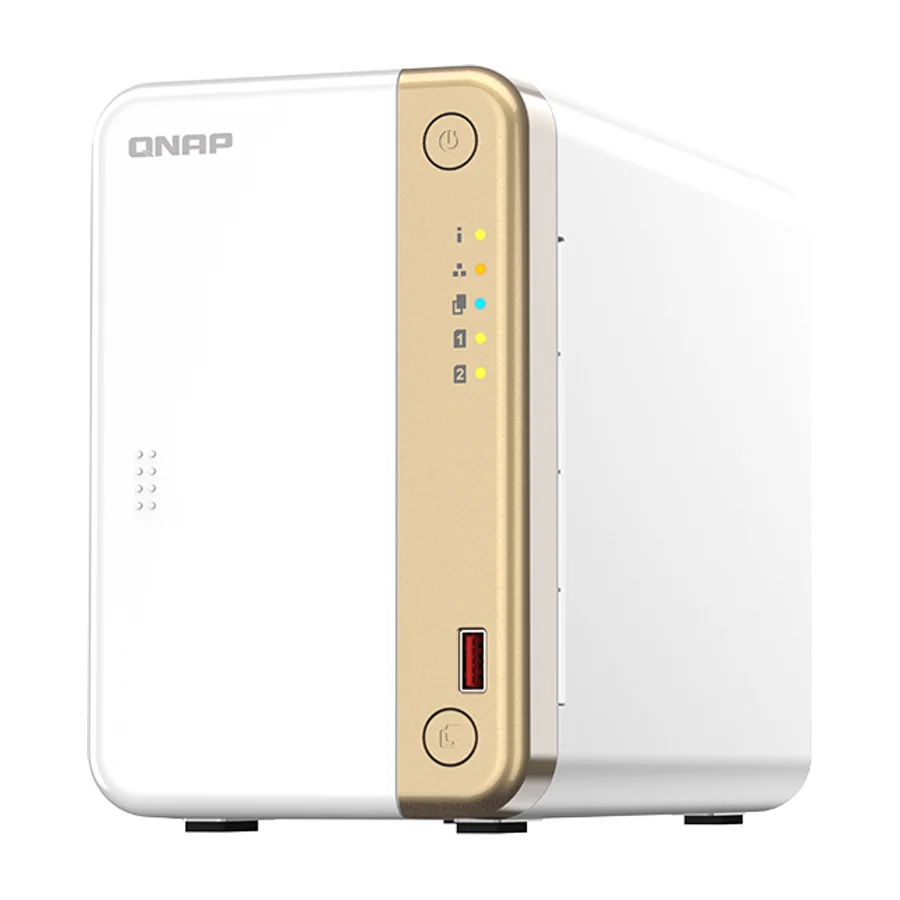 QNAP QNAP TS-216G | 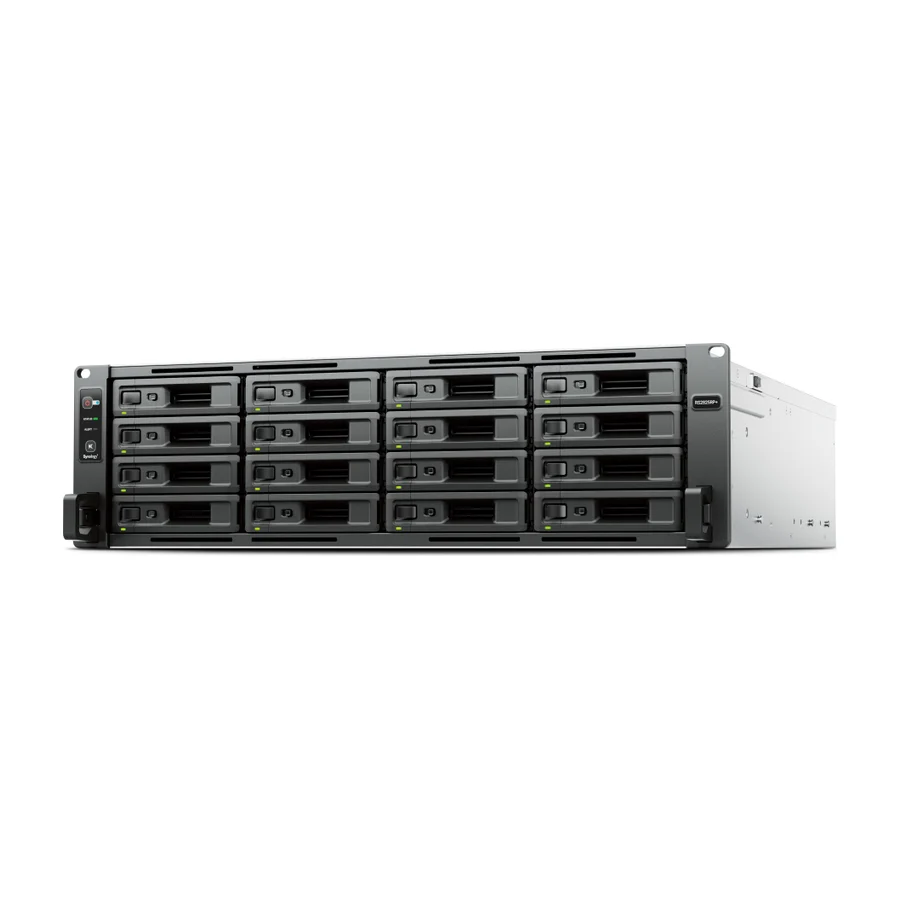 Synology Synology DiskStation DS925+ | 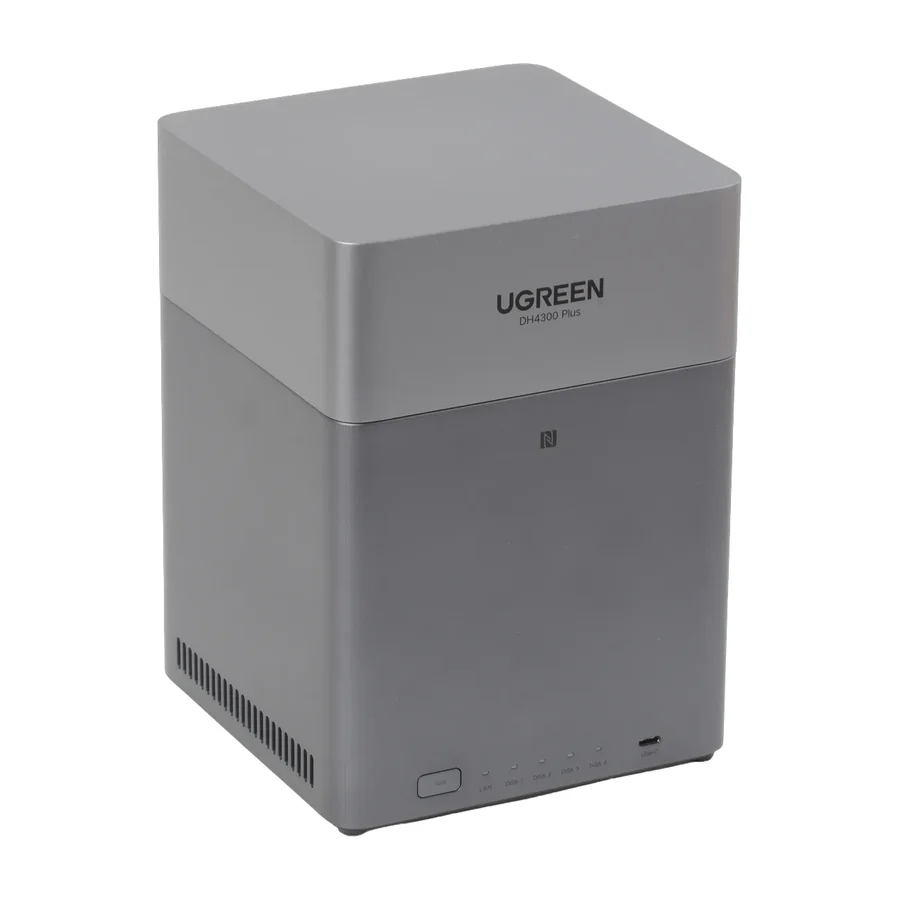 UGREEN UGREEN NASync DH4300 Plus | 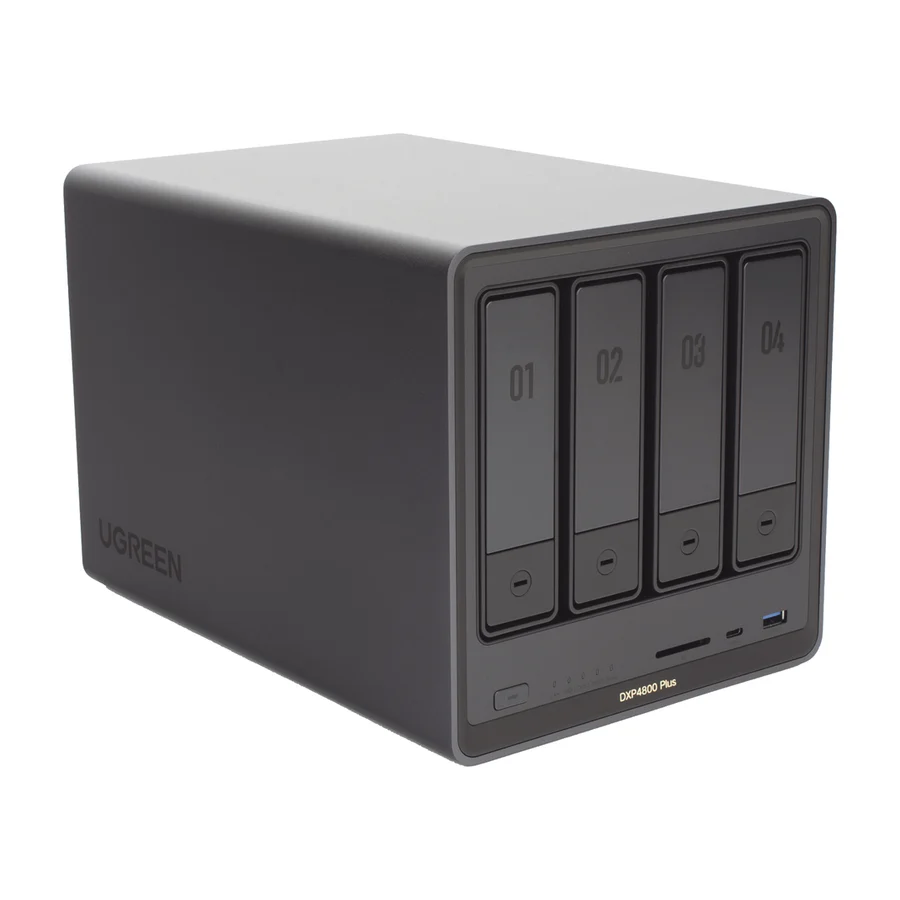 UGREEN UGREEN DXP4800 Plus | 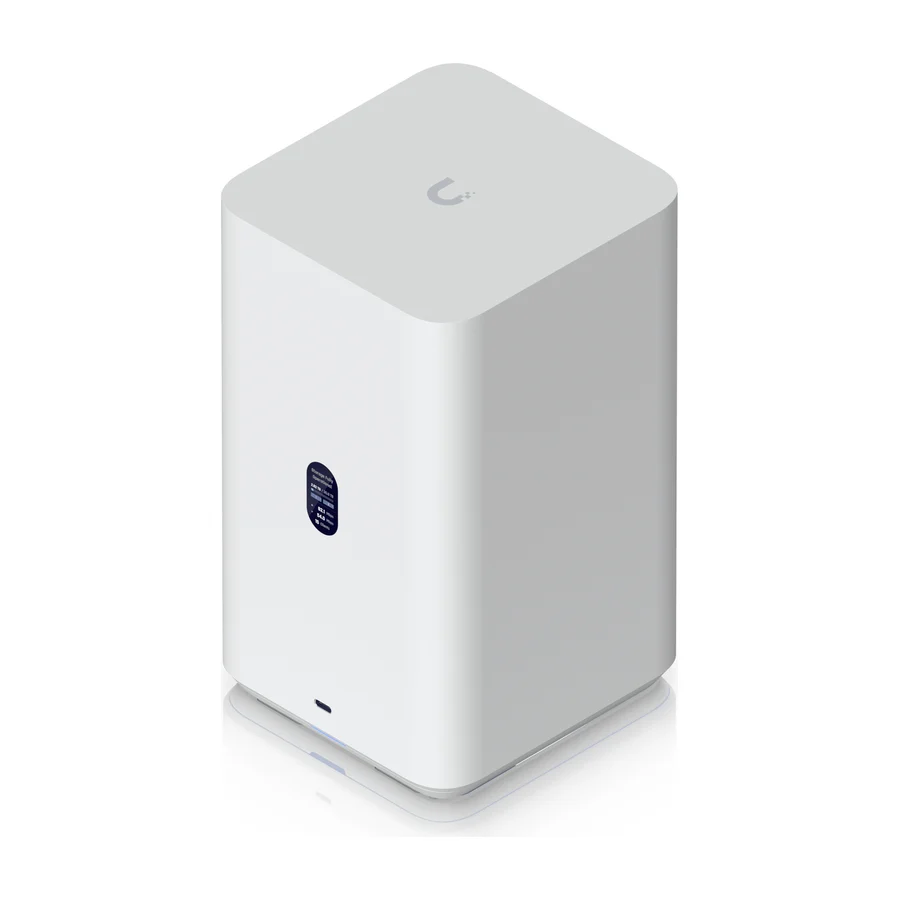 UniFi UniFi UNAS 2 | 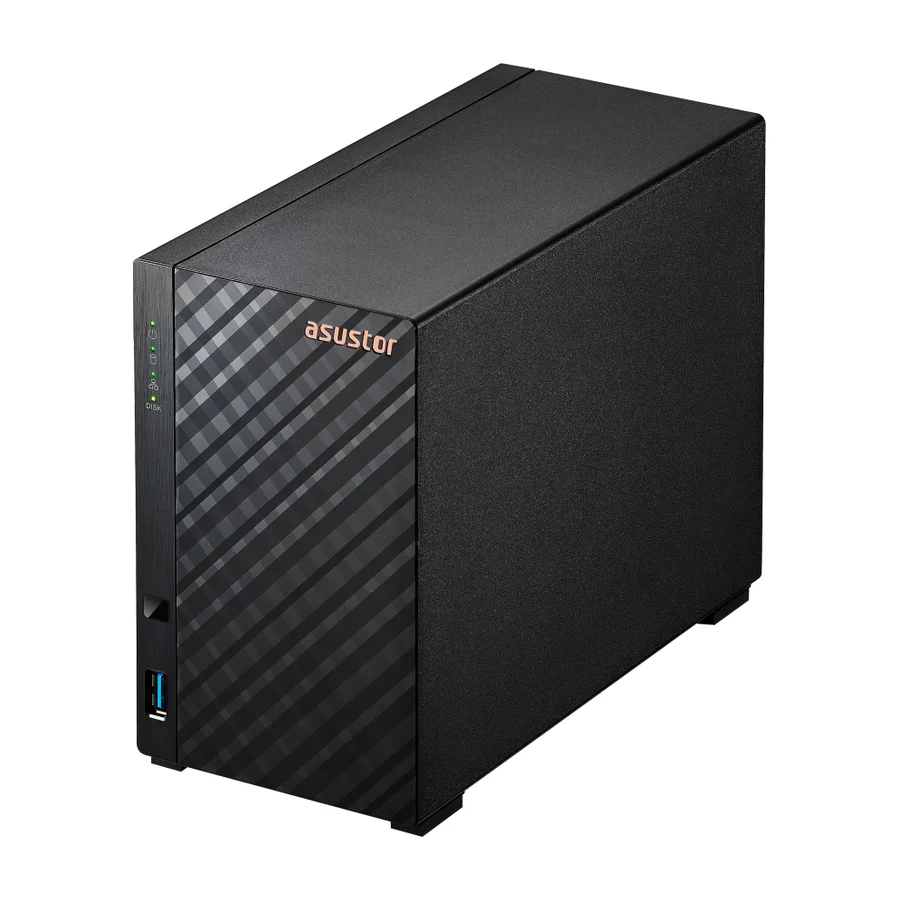 Asustor Asustor Drivestor 2 Gen2 (AS1202T) | 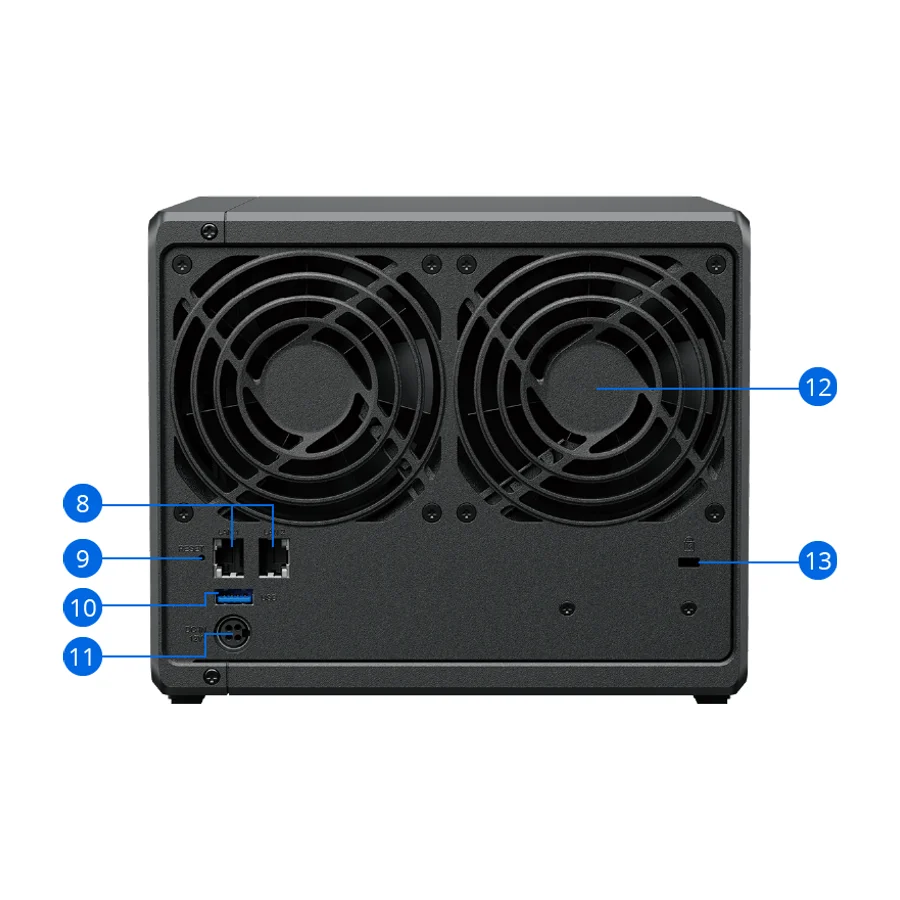 Synology Synology DiskStation DS423+ | 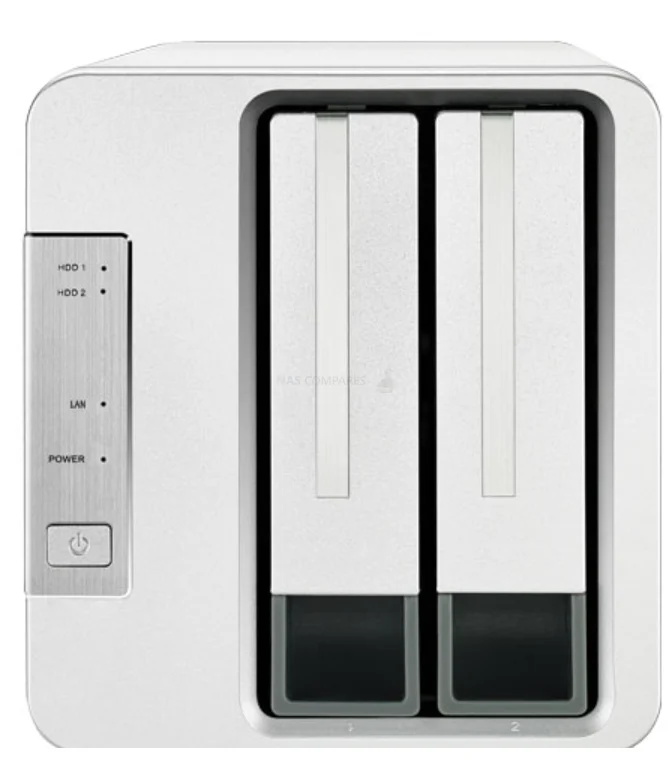 TerraMaster TerraMaster F2-223 |  Synology Synology BeeStation | 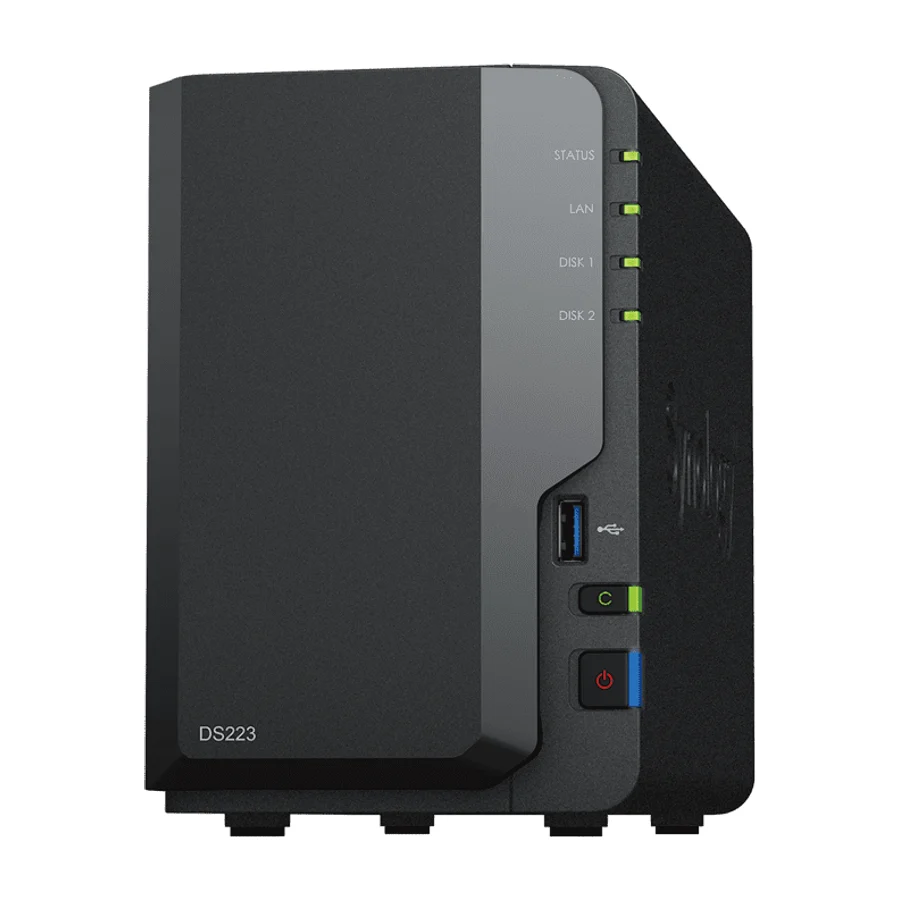 Synology Synology DiskStation DS224+ | 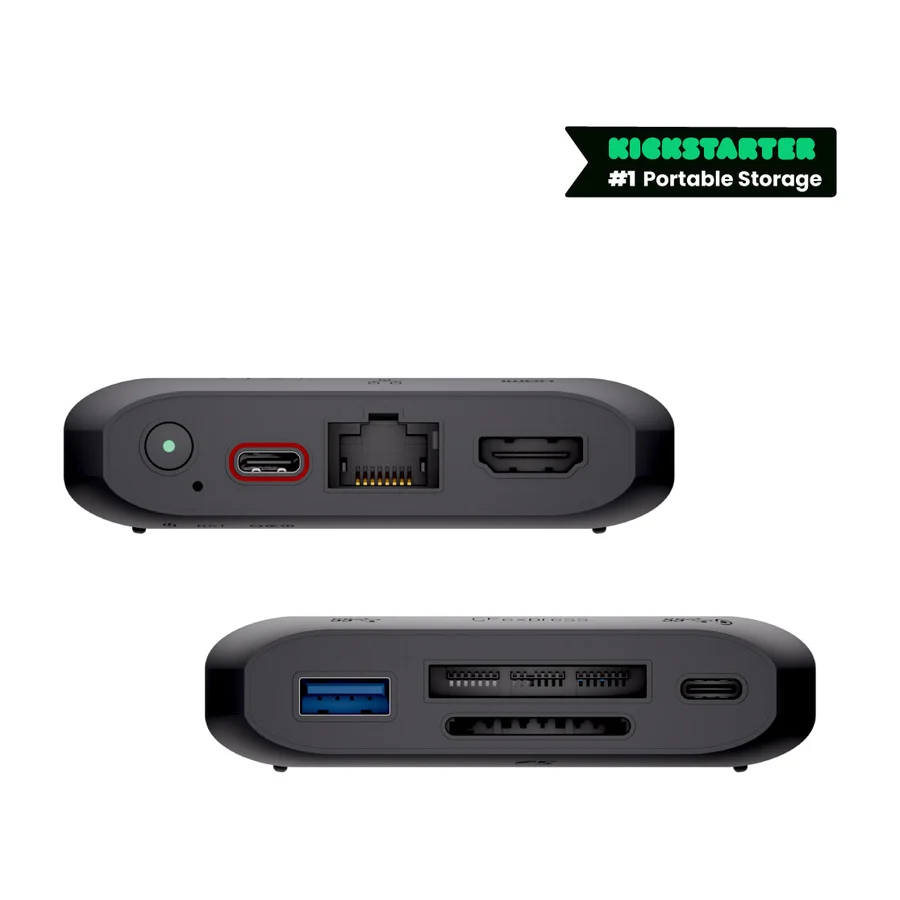 UnifyDrive UnifyDrive UT2 | 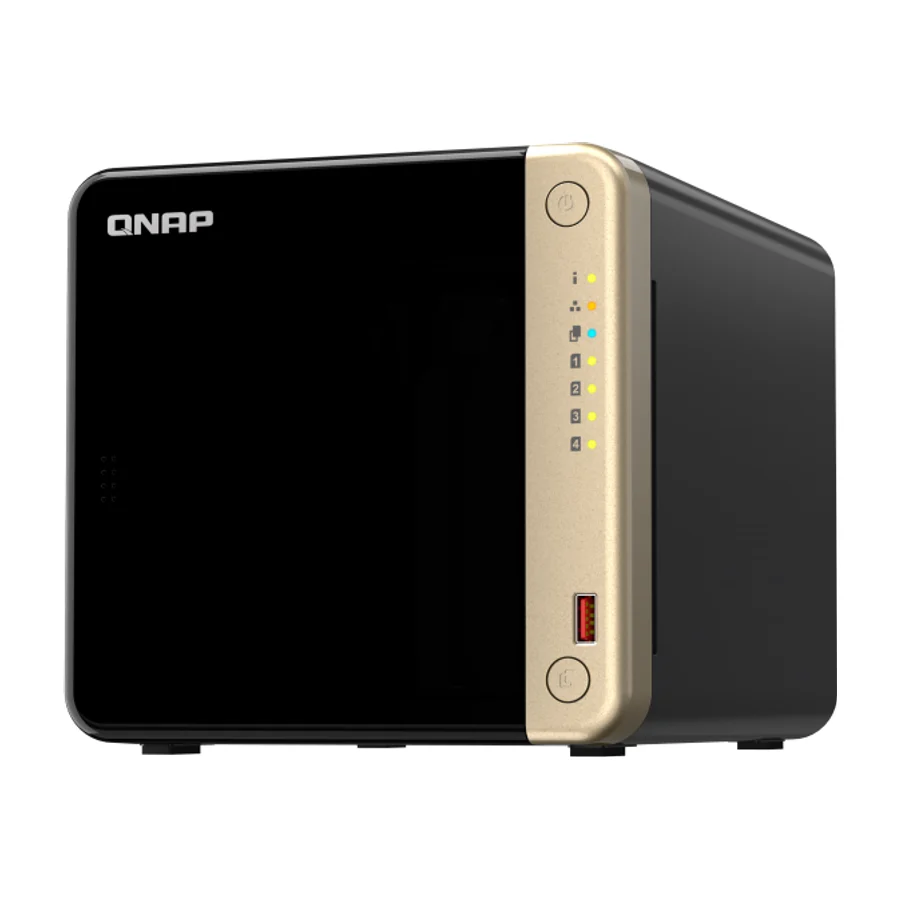 QNAP QNAP TS-464 | 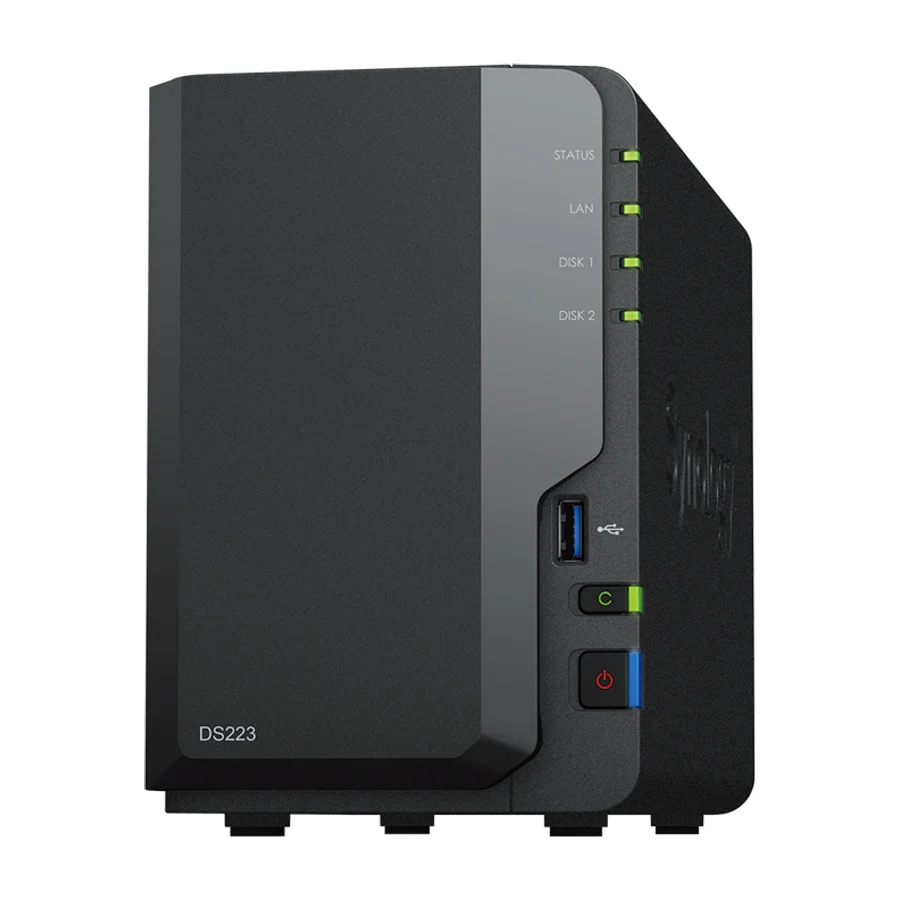 Synology Synology DiskStation DS223 | 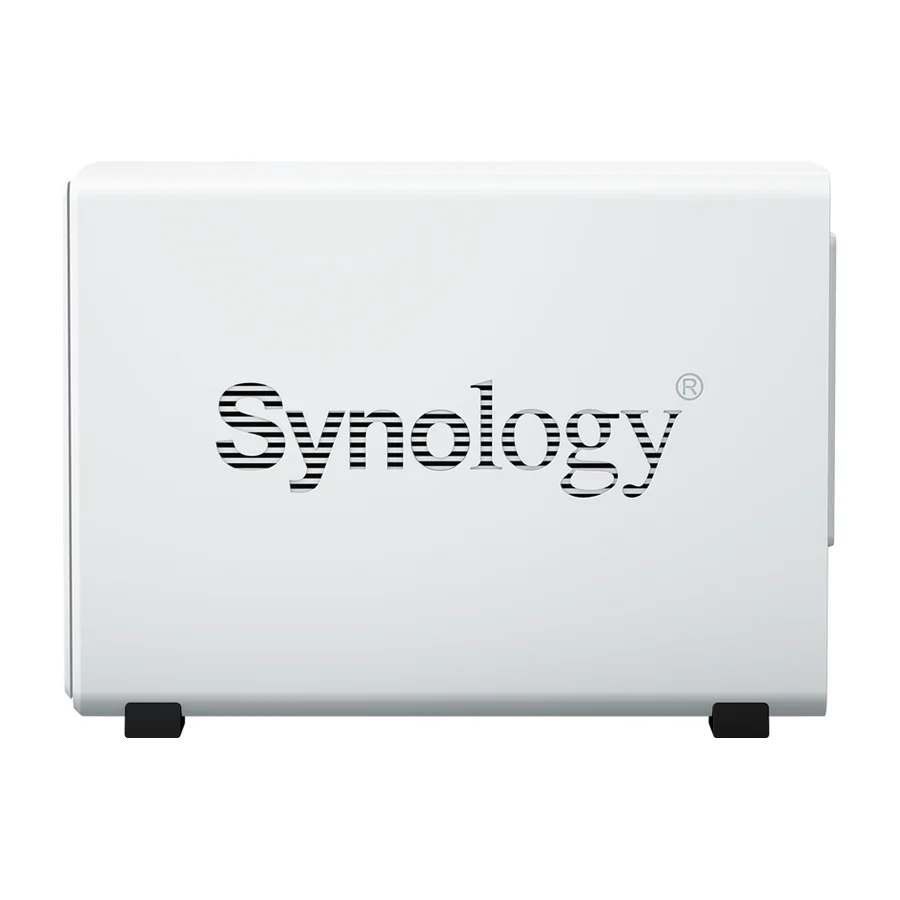 Synology Synology DS223j | 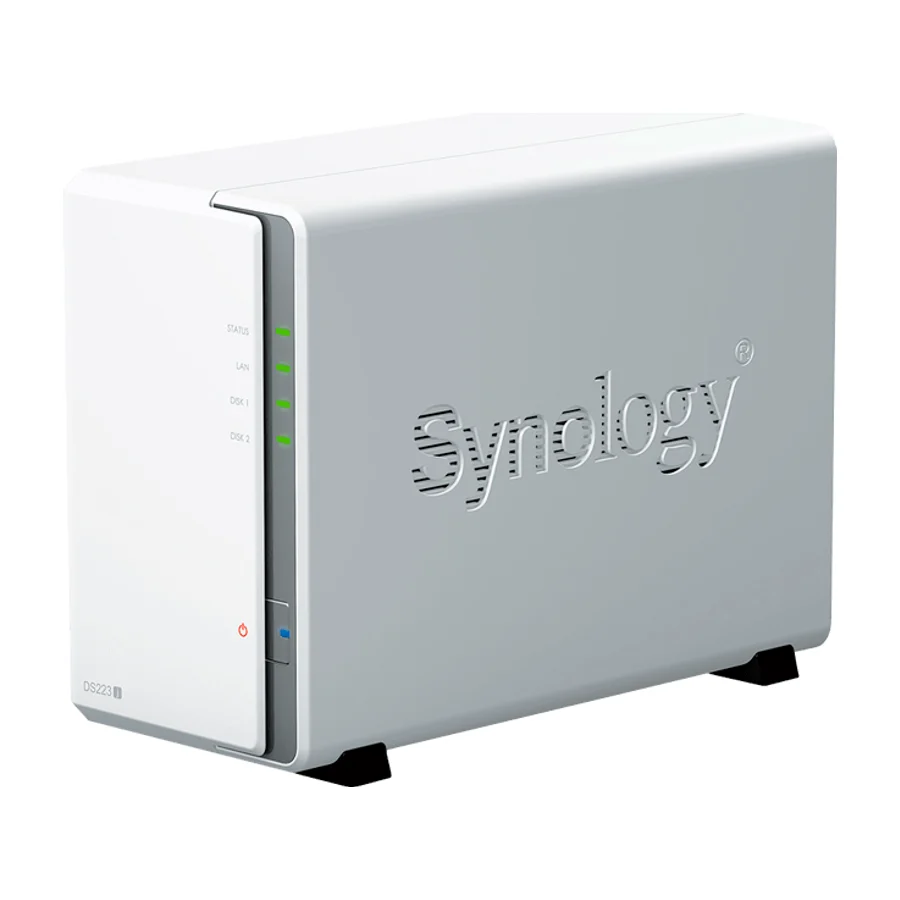 Synology Synology DiskStation DS223j |
|---|---|---|---|---|---|---|---|---|---|---|---|---|---|---|---|---|---|---|---|---|---|---|
| Tier | S | S | A | A | B | B | C | C | C | C | C | D | D | D | D | D | D | D | F | F | F | F |
| Rank on this board | 1 of 22 | 2 of 22 | 3 of 22 | 4 of 22 | 5 of 22 | 6 of 22 | 7 of 22 | 8 of 22 | 9 of 22 | 10 of 22 | 11 of 22 | 12 of 22 | 13 of 22 | 14 of 22 | 15 of 22 | 16 of 22 | 17 of 22 | 18 of 22 | 19 of 22 | 20 of 22 | 21 of 22 | 22 of 22 |
| Ladder points | 1108 LP | 1033 LP | 723 LP | 706 LP | 574 LP | 505 LP | 478 LP | 470 LP | 423 LP | 419 LP | 395 LP | 360 LP | 347 LP | 254 LP | 245 LP | 244 LP | 231 LP | 227 LP | 175 LP | 169 LP | 89 LP | 58 LP |
| Our verdict | Wirecutter's current top pick and the best-supported firmware platform in the class. The safest device to own for a decade. | TechRadar's top choice for most users: "the TerraMaster F4-424 Pro is our top choice for most users. During tests, we found this model delivered fast, secure file transfer." Four bays, modern Intel-class silicon and 2.5 GbE give it hardware headroom that the budget Synology boxes lack, and TechRadar's testing verdict is emphatic. It sits below the Synology plus boxes here because TerraMaster's TOS firmware and support track record is shorter and less proven over the long haul. | The budget four-bay entry in Asustor's current Drivestor Gen2 line. It is included on hardware merit under this lens: Asustor's ADM platform is mature and actively maintained, the Gen2 enclosures are decently built for the entry tier, and Asustor's support reputation avoids both QNAP's security history and Synology's new restrictions. No page in the retrieved evidence names the AS1204T directly, so it carries no citation. It is ranked last among the picks partly for that thinner evidence base. | PCMag's top two-bay pick for most people: "the QNAP TS-233 (for a two-bay" solution), and Medium's 2026 budget guide names it "Best Compact." r/HomeNAS also recommends it alongside the DS224+ for beginners. It makes the board because two bays means RAID 1 redundancy is on the table, which matters enormously over years. It ranks near the bottom of the picks because the ARM-class processor and minimal memory limit how long it stays pleasant to own, and it carries QNAP's software reputation. | Ranks second as the specialist outlet’s number-one cheap NAS, delivering modern hardware at the lowest market tier. | Android Central includes the AS5402T in its 2026 best home NAS lineup. Asustor's ADM is a mature, frequently updated platform, the Nimbustor Gen2 hardware is well built with upgrade-friendly internals, and Asustor has avoided both QNAP's security incidents and Synology's drive-lock-in controversy. A genuinely strong long-term owner that more buyers should shortlist. | A real specialist endorsement from NASCompares, but consensus is narrower because it only makes sense inside the UniFi ecosystem. | Uncited by the retrieved pages, ranked on its position as QNAP's current entry two-bay with modern 2.5GbE networking, in the bracket the community consistently recommends QNAP for. A defensible budget pick, but it carries no retrieved expert verdict, so it sits below every endorsed model. | Macworld lists it as "versatile and expandable" in its 2026 NAS picks for Mac, and it is the top of Synology's mainstream plus line. Under this lens it is the strongest long-horizon hardware Synology sells to homes and small offices: better build, better networking, and the same class-leading firmware longevity. It ranks below the DS225+ only because it is more machine than most home buyers need, not because it is a worse owner. | Ranks eighth as a four-bay newcomer praised for hardware value and selected as the pick for most people. | The category's loudest marketing push on the thinnest longevity record, with soldered memory and an unproven update commitment. Buy the DS225+ or TS-464 instead. | Ranks sixth thanks to its integrated software that eases setup and its recognition on multiple value-of-the-year lists. | Ranks fifth as the most affordable credible two-bay from Asustor, extending the value formula of its larger sibling. | An aging 4-bay Plus caught between the brand backlash How-To Geek documents and Macworld's redirection to the DS925+, with TechRadar's F4-424 Pro outclassing it on hardware. Buy the F4-424 Pro or DS925+. | Medium's 2026 budget guide names it "Best for Performance" in the entry tier. Two bays, a capable Intel-class CPU and TerraMaster's improving TOS software make it a reasonable long-term owner, but the platform is aging and TerraMaster's firmware longevity and support reputation still trail Synology and Asustor, so it ranks ninth. | PCMag's top single-drive pick ("the Synology BeeStation (for a single-drive solution with a prepopulated hard drive)") and Android Central reviews the BeeStation 4TB, so beginners cross-shop it constantly. Under this lens it is a dead end: one drive means one failure loses everything, there is no second bay to add redundancy later, and it runs Synology's locked-down consumer appliance software rather than DSM, so it cannot grow with you. It is the most trap-like product in the category precisely because the marketing and the roundups push it hardest at first-time buyers. Buy the DS223j or DS224+ instead and get real redundancy. | Still a mainstream recommendation: r/HomeNAS advice for 2025/2026 buyers points newcomers at "entry-level 2-bay NAS units like the Synology DS224+ or QNAP TS-233 - they're compact, beginner-friendly." It is the previous generation of Wirecutter's pick and has since been superseded by the DS225+, which is the only reason it ranks sixth rather than first. Everything about its ownership experience - DSM updates, support, build - is proven over years. | TechRadar's actively recommended alternative in its current guide. Newer to the consensus than the leaders, but the specialist outlet explicitly steers readers to it. | QNAP's own positioning is a "compact 4-bay NAS with superior performance," supporting up to 72 TB storage and 4 TB M.2 SSD caching, and the hardware genuinely is the most expandable in this class with PCIe and multi-gigabit networking. It ranks mid-board because QNAP's software and security history is the weak link: community consensus is that "QNAP has better hardware, but their software is horrible to the point that a synology with half the specs runs faster." Buy it for the hardware, and stay on top of firmware. | The worst value on the board: more money than the DS223j for almost nothing, in a brand whose mid-range case XDA and How-To Geek both argue has collapsed. Save with the DS223j or stretch to the DS225+. | The cheapest Synology, and it shows: slow UI, poor multi-connection handling, and weak hardware under a good operating system. Buy the DS225+ or the Drivestor 4 Gen2 instead. | Medium calls it "Best for Beginners" and Android Central reviews it, so it is the default cheap-Synology suggestion everywhere. It should not be bought: one gigabyte of non-upgradeable memory makes DSM 7 sluggish the day you install it and worse every year after, and it is the kind of box owners replace rather than keep. The DS224+ or DS225+ is the Synology experience this lens actually endorses. |
| What reviewers rate |
|
|
|
|
|
|
|
|
|
|
|
|
|
|
|
|
|
|
|
|
|
|
| Where it falls short |
|
|
|
|
|
|
|
|
|
|
|
|
|
|
|
|
|
|
|
|
|
|
| Evidence behind it | 25 sources across 22 outlets | 13 sources across 10 outlets | 4 sources across 3 outlets | 6 sources across 5 outlets | 25 sources across 24 outlets | 1 source across 1 outlet Thin sourcing, read it as provisional | 3 sources across 2 outlets | 4 sources across 4 outlets | 2 sources across 2 outlets | 10 sources across 9 outlets | 4 sources across 4 outlets | 4 sources across 4 outlets | 10 sources across 5 outlets | 4 sources across 4 outlets | 2 sources across 2 outlets | 6 sources across 6 outlets | 3 sources across 3 outlets | 1 source across 1 outlet Thin sourcing, read it as provisional | 3 sources across 2 outlets | 1 source across 1 outlet Thin sourcing, read it as provisional | 3 sources across 3 outlets | 2 sources across 2 outlets |
| Flagged as one to avoid | Not flagged | Not flagged | Not flagged | 1 of 12 research runs | 1 of 3 research runs | Not flagged | Not flagged | Not flagged | 5 of 12 research runs | Not flagged | 3 of 6 research runs | 1 of 3 research runs | Not flagged | 3 of 4 research runs | 1 of 2 research runs | 4 of 12 research runs | 5 of 9 research runs | 1 of 3 research runs | 5 of 10 research runs | 2 of 5 research runs | 2 of 7 research runs | 3 of 5 research runs |
| Announced | Not recorded | Not recorded | Not recorded | Not recorded | Not recorded | Not recorded | Not recorded | Not recorded | Not recorded | Not recorded | Not recorded | Not recorded | Not recorded | Not recorded | Not recorded | Not recorded | Not recorded | Not recorded | Not recorded | Not recorded | Not recorded | Not recorded |
| Where to buy | Check it | Check it | Check it | Check it | Check it | Check it | Check it | Check it | Check it | Check it | Check it | Check it | Check it | Check it | Check it | Check it | Check it | Check it | Check it | Check it | Check it | Check it |
Every column is the same research that built the board. Nothing here is a specification sheet copied from a maker. Read how we rank for what a tier and a ladder point mean.