Compare Motherboards
19 ranked products · Two to 4 at a time · Updated 20 Aug 2026
Pick any two to four of the 19 ranked motherboards and read them side by side. This page opens on the board's top 3, MSI MAG X870 Tomahawk WiFi, MSI MAG B850 Tomahawk Max WiFi II and MSI MAG X870E Tomahawk WiFi.
Choose what to compare
3 of 4 chosen
S
A
B
C
D
F
| Measure | 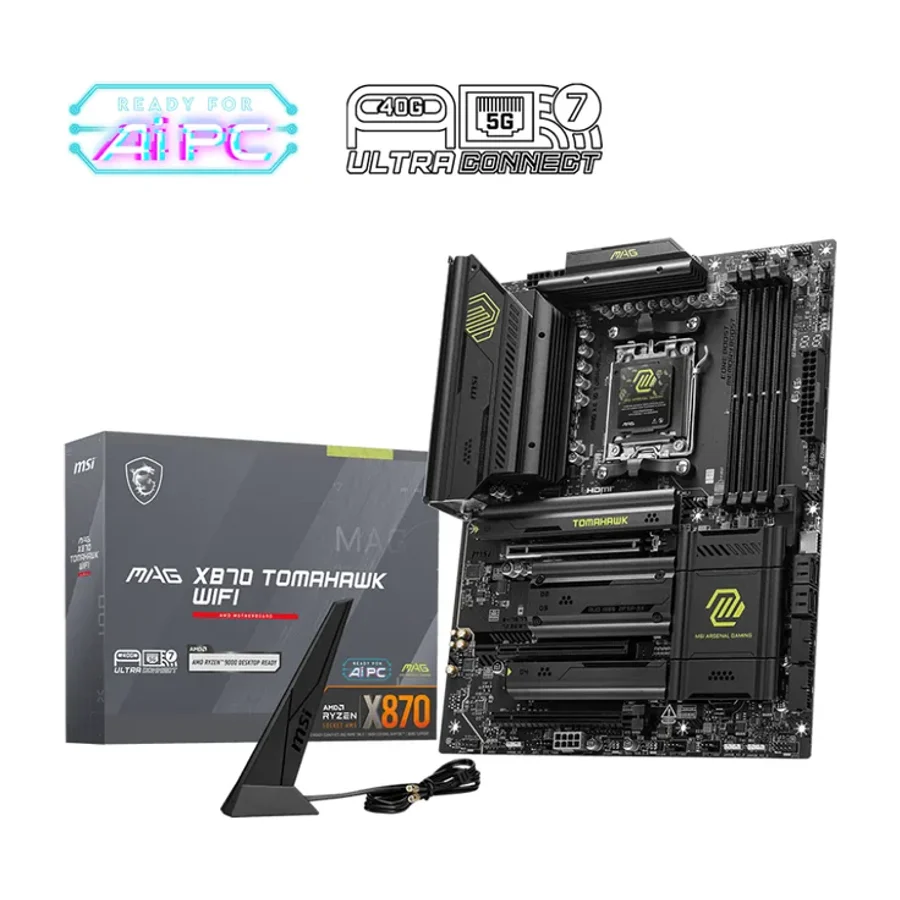 MSI MSI MAG X870 Tomahawk WiFi MSI MSI MAG X870 Tomahawk WiFi | 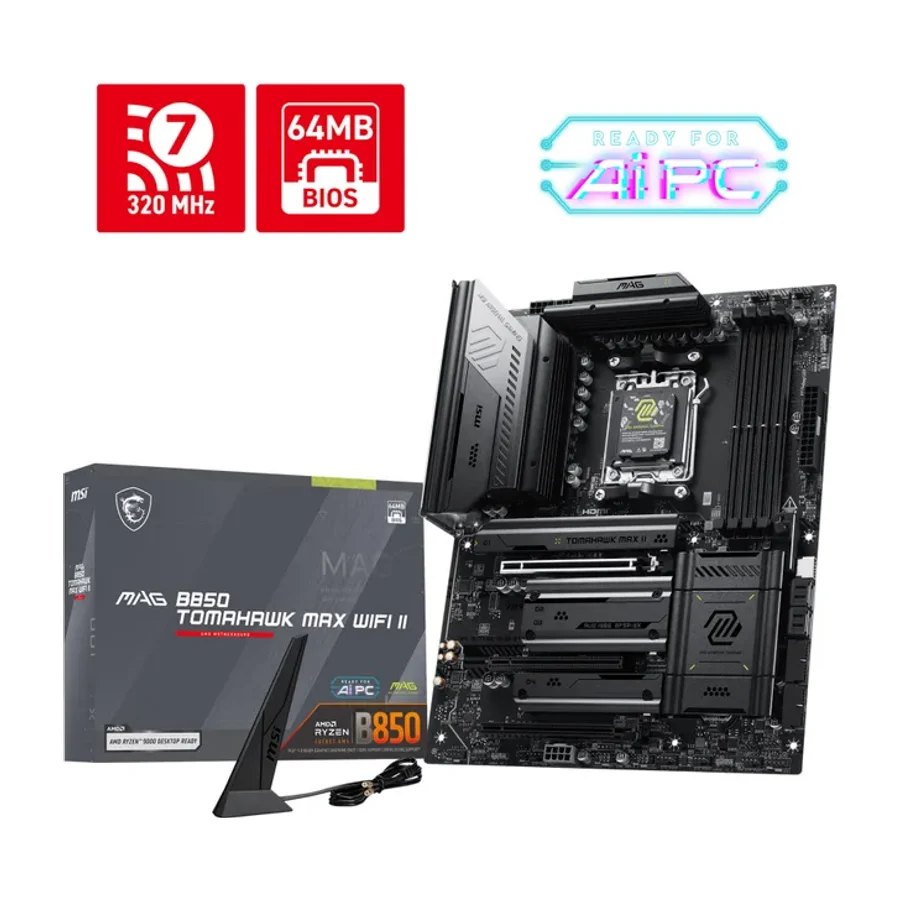 MSI MSI MAG B850 Tomahawk Max WiFi II MSI MSI MAG B850 Tomahawk Max WiFi II | 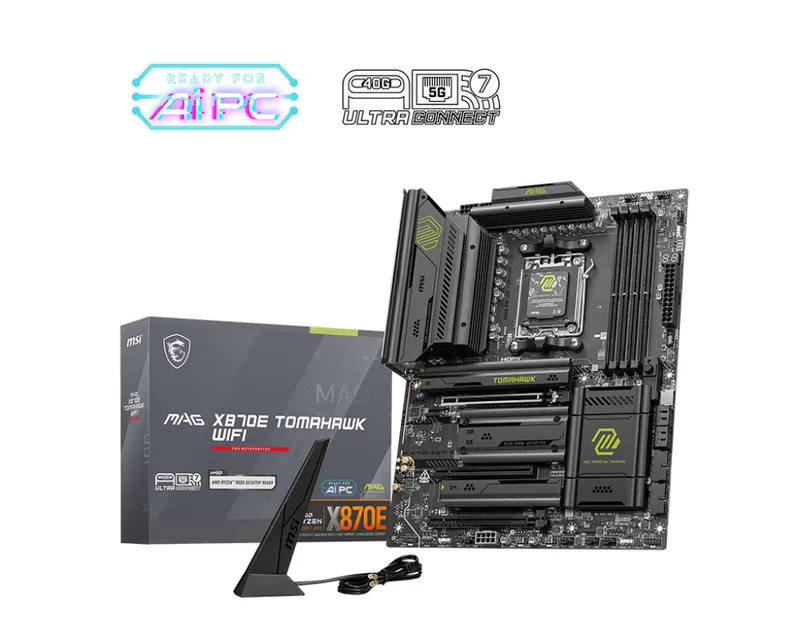 MSI MSI MAG X870E Tomahawk WiFi MSI MSI MAG X870E Tomahawk WiFi | 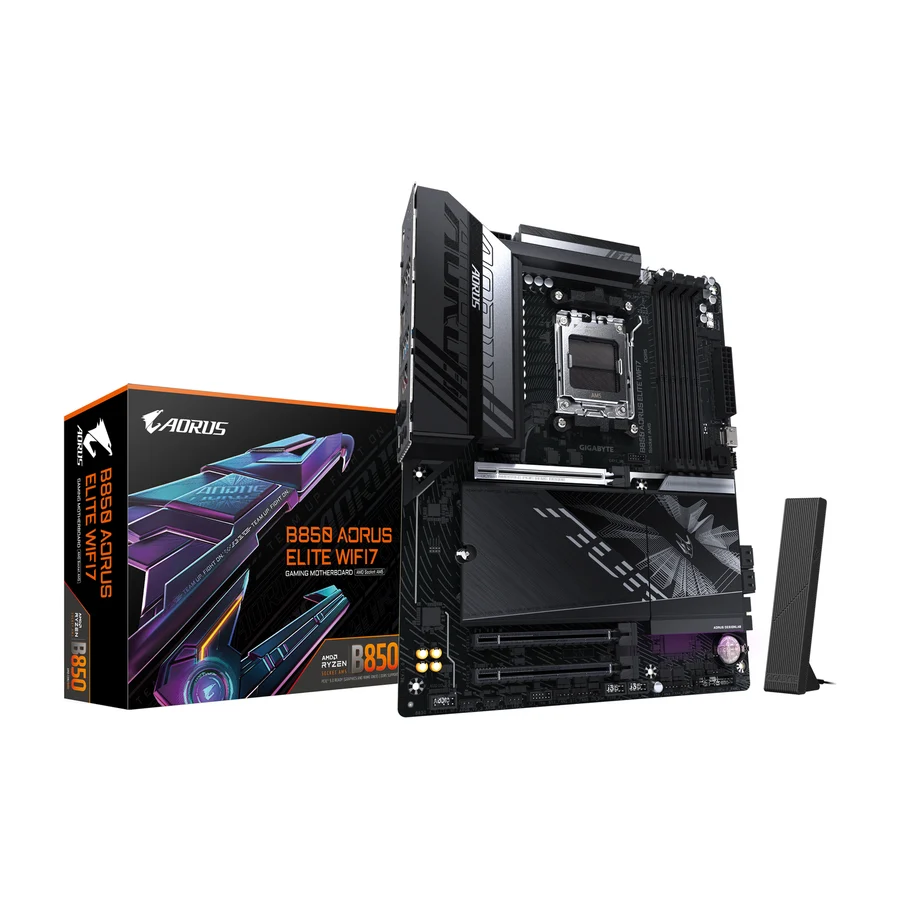 Gigabyte Gigabyte B850 Aorus Elite WiFi7 Gigabyte Gigabyte B850 Aorus Elite WiFi7 | 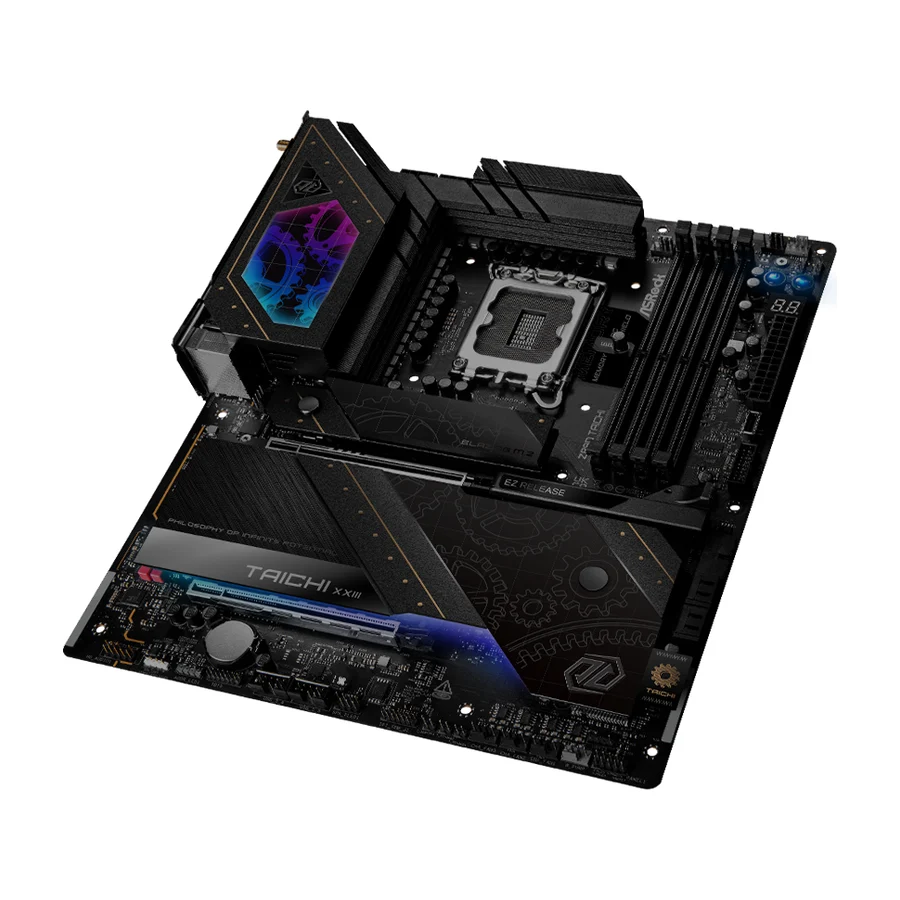 ASRock ASRock Z890 Taichi ASRock ASRock Z890 Taichi | 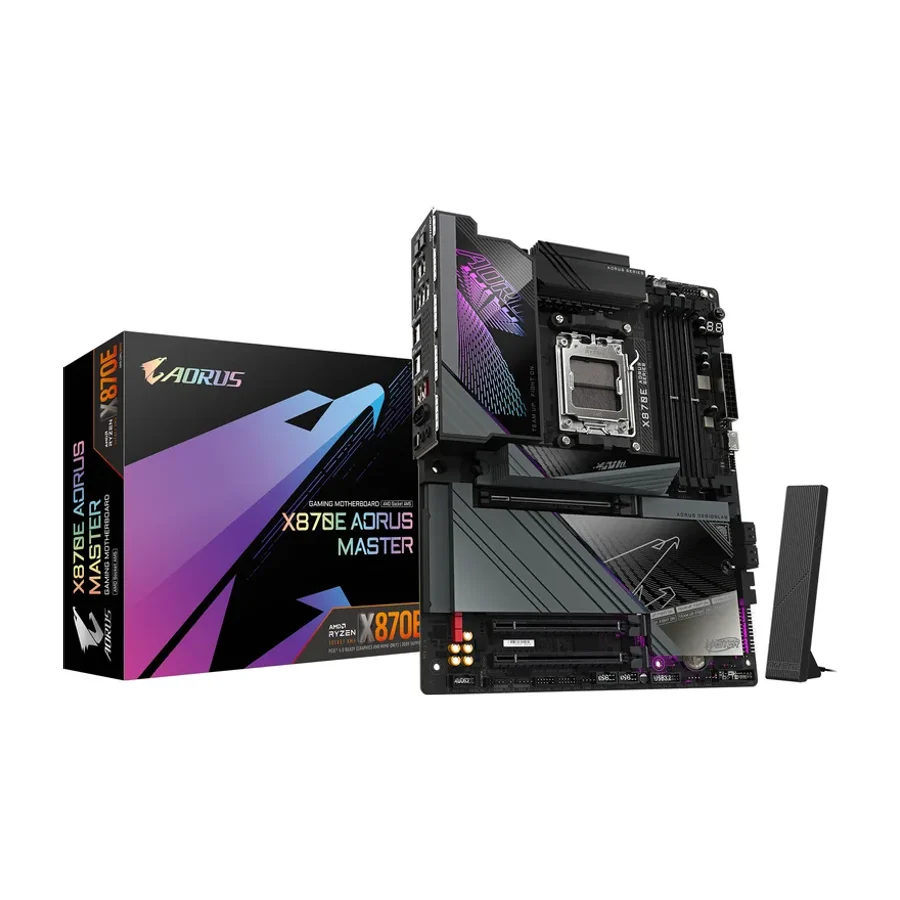 Gigabyte Gigabyte X870E Aorus Master Gigabyte Gigabyte X870E Aorus Master | 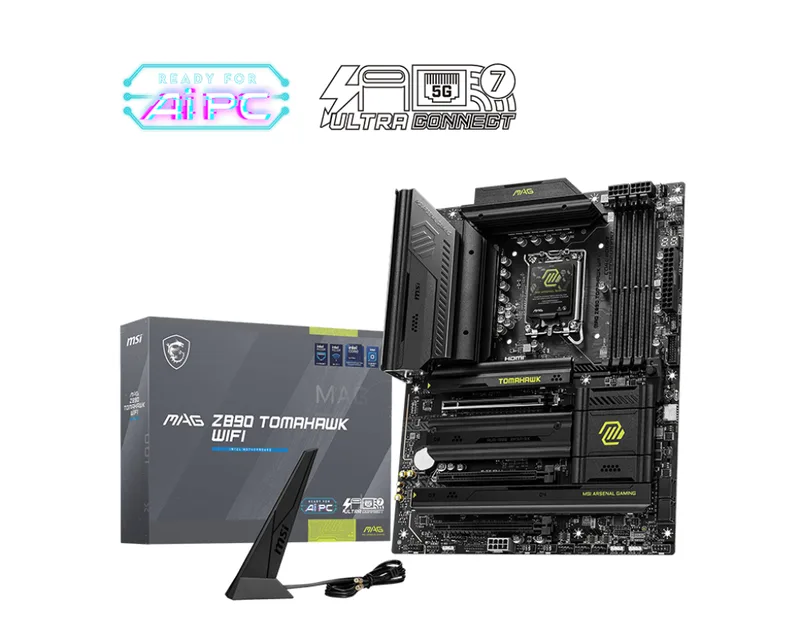 MSI MSI MAG Z890 Tomahawk WiFi MSI MSI MAG Z890 Tomahawk WiFi | 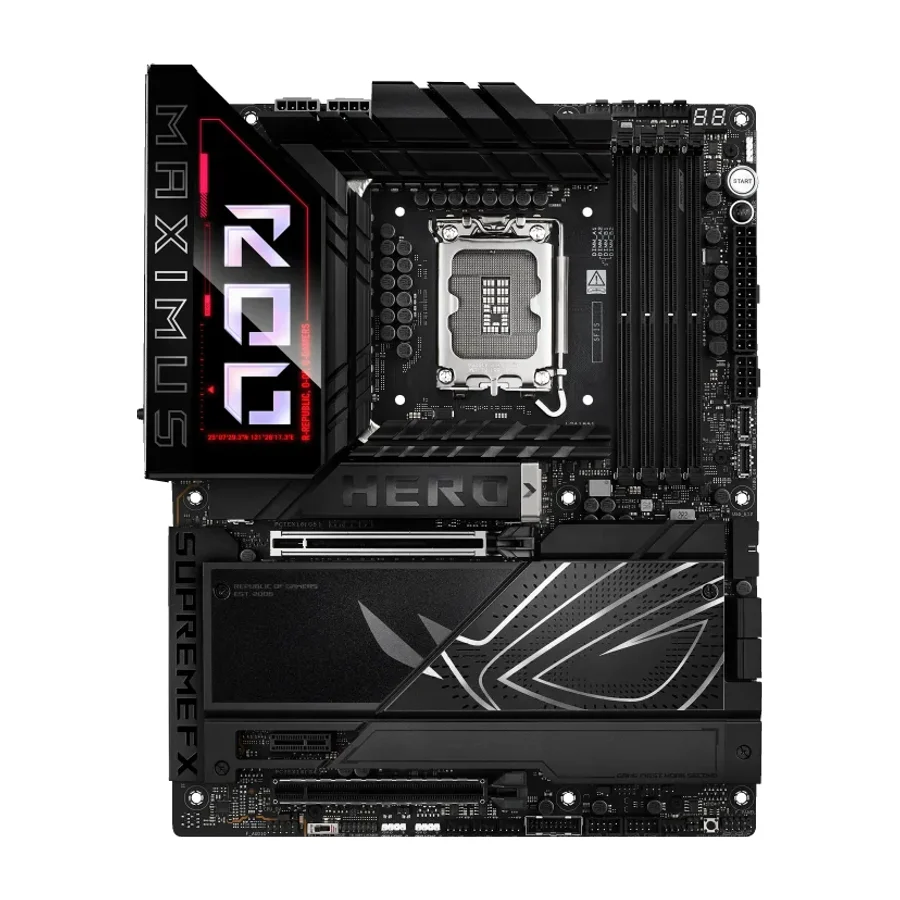 ASUS ASUS ROG Maximus Z890 Hero ASUS ASUS ROG Maximus Z890 Hero | 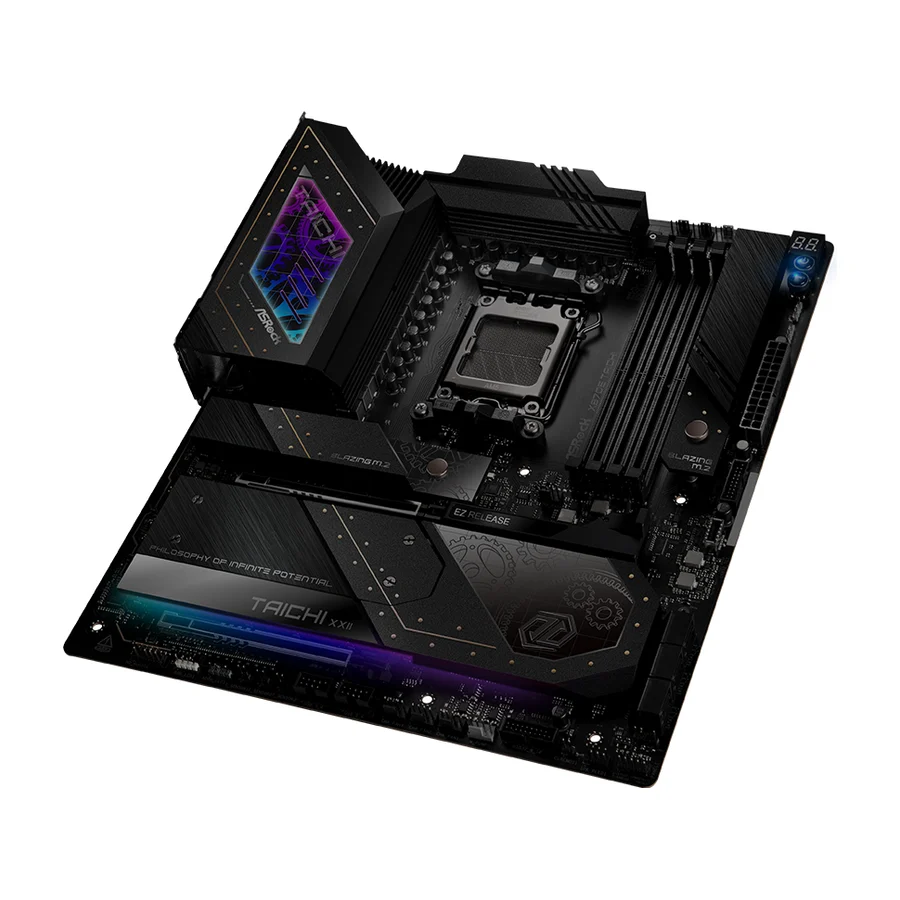 ASRock ASRock X870E Taichi ASRock ASRock X870E Taichi | 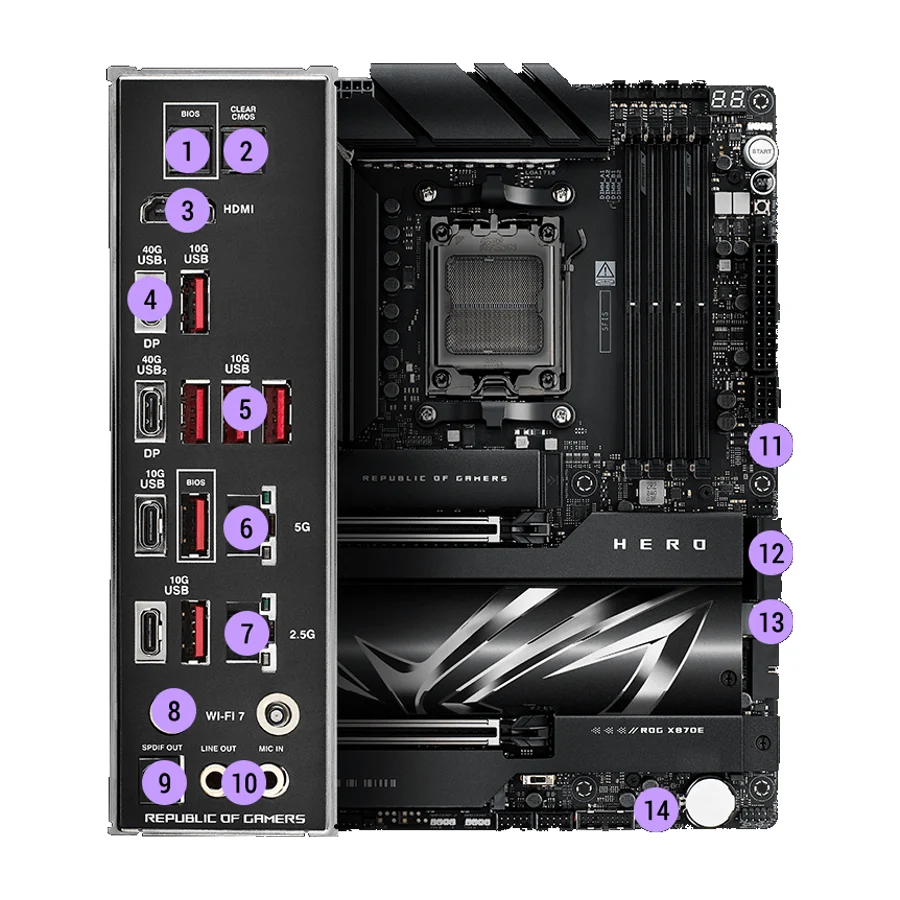 ASUS ASUS ROG Crosshair X870E Hero ASUS ASUS ROG Crosshair X870E Hero | 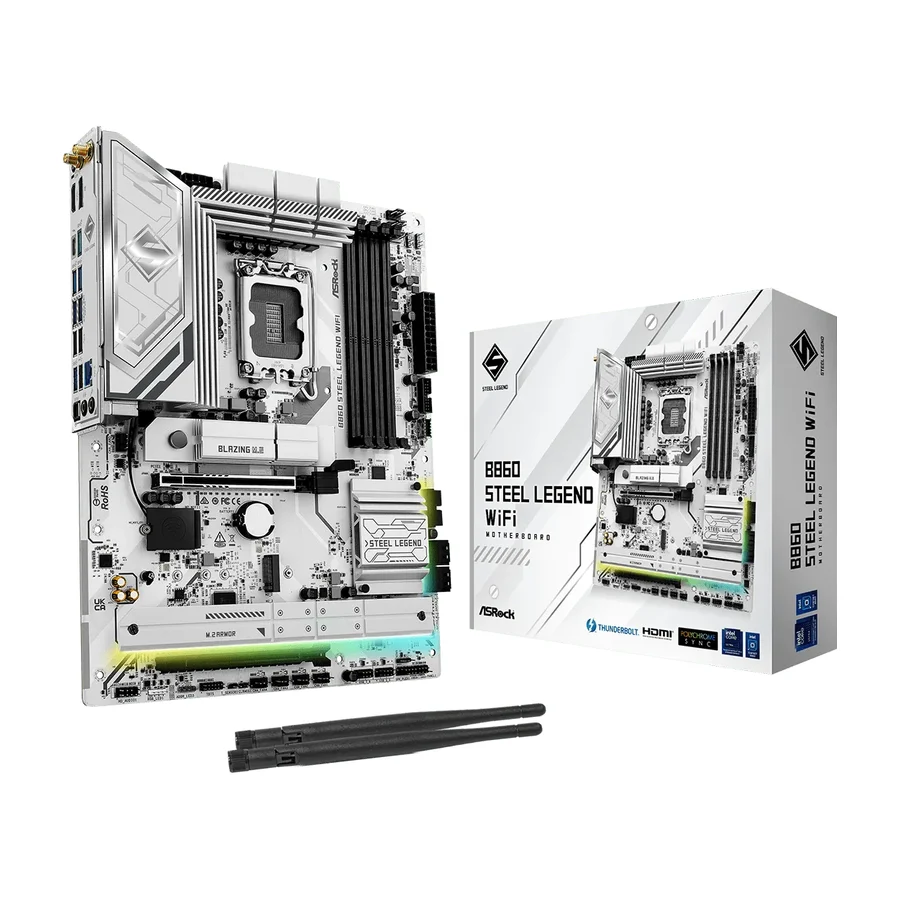 ASRock ASRock B860 Steel Legend WiFi ASRock ASRock B860 Steel Legend WiFi | 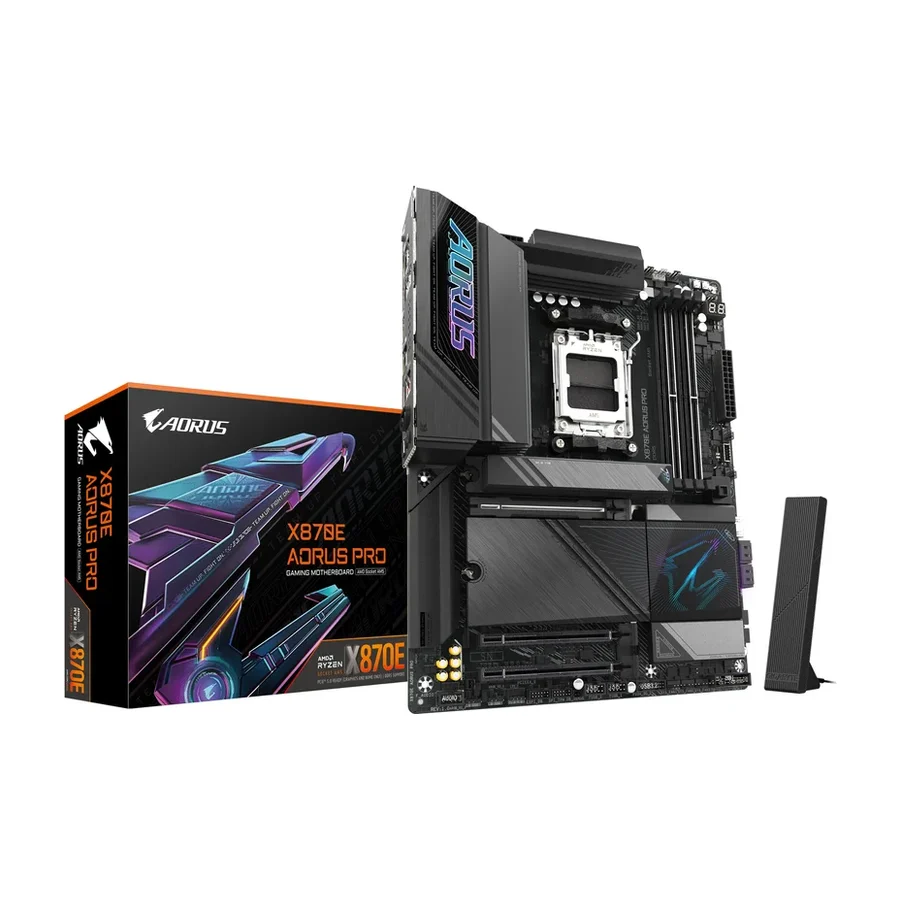 Gigabyte Gigabyte X870E Aorus Pro Gigabyte Gigabyte X870E Aorus Pro | 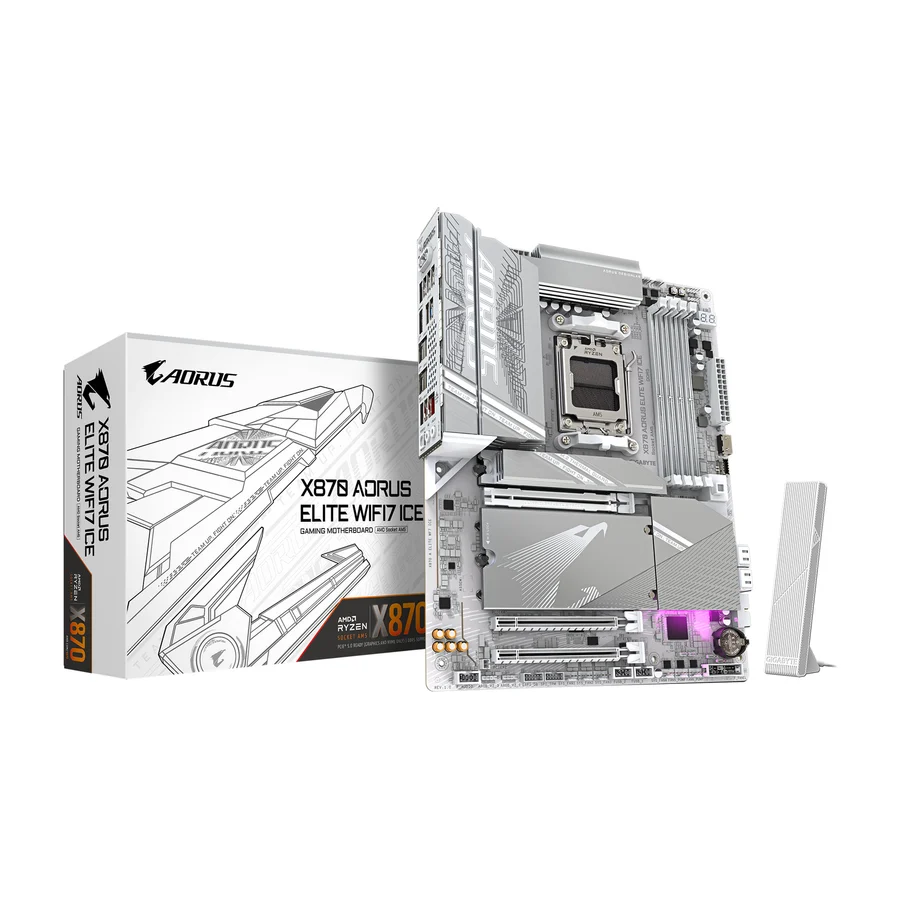 Gigabyte Gigabyte X870 Aorus Elite WiFi7 Gigabyte Gigabyte X870 Aorus Elite WiFi7 | 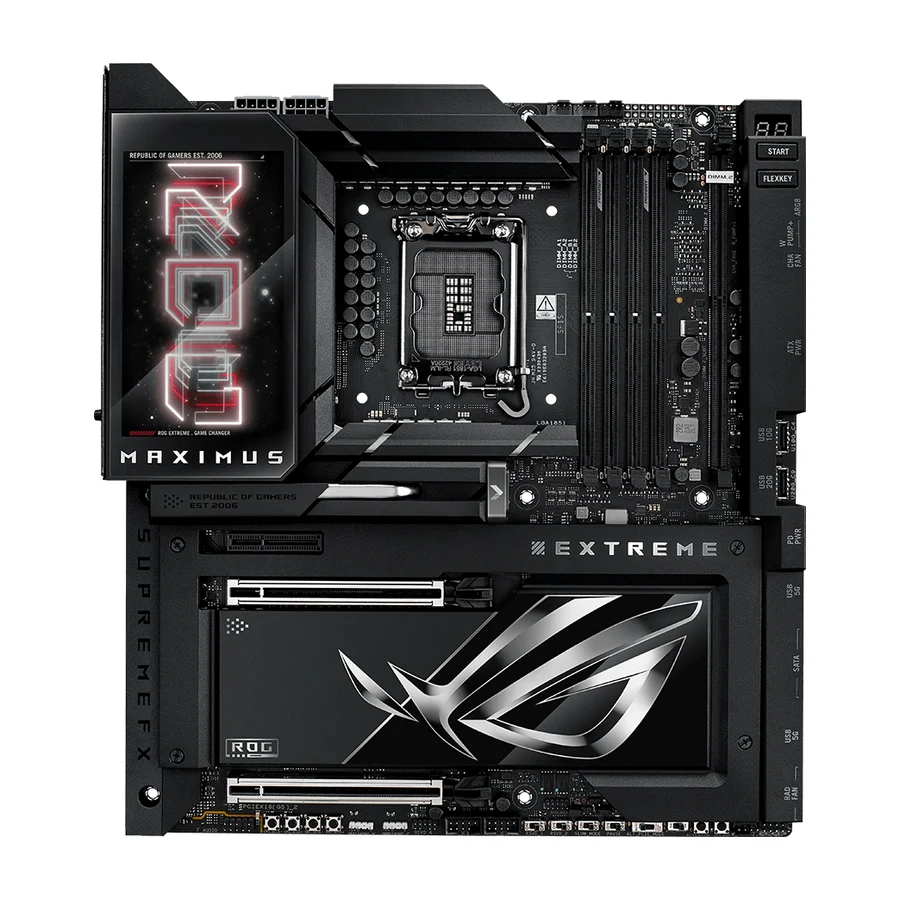 ASUS ASUS ROG Maximus Z890 Extreme ASUS ASUS ROG Maximus Z890 Extreme | 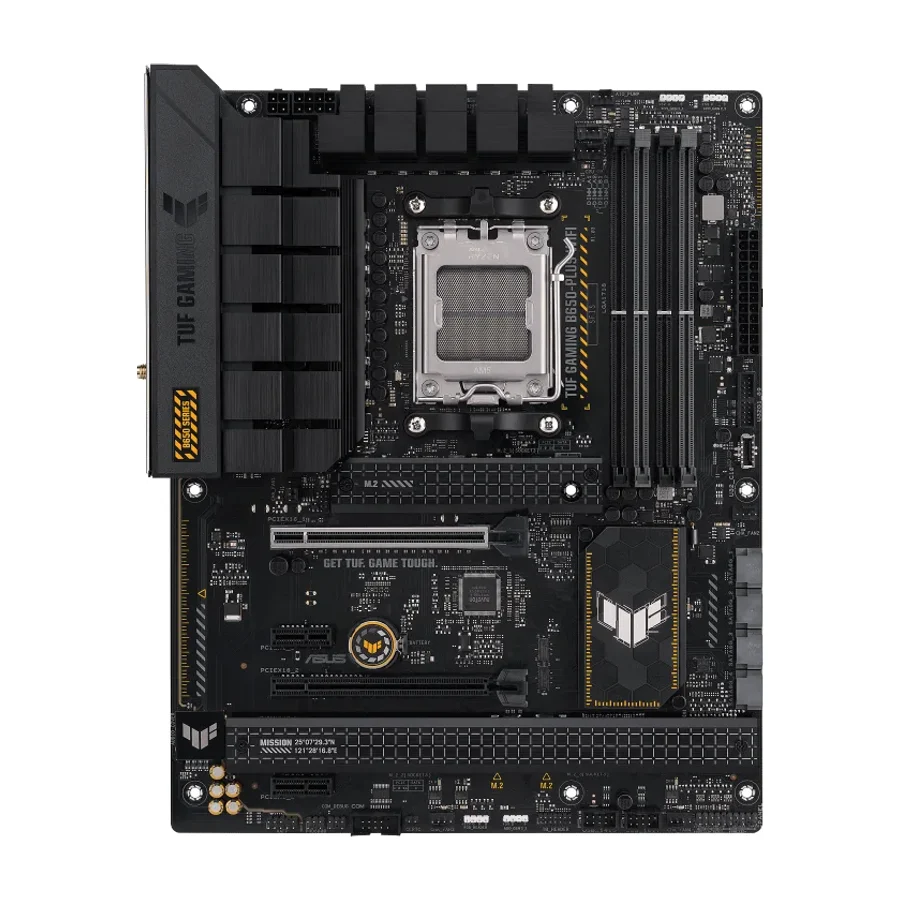 ASUS ASUS TUF Gaming B650-Plus WiFi ASUS ASUS TUF Gaming B650-Plus WiFi | 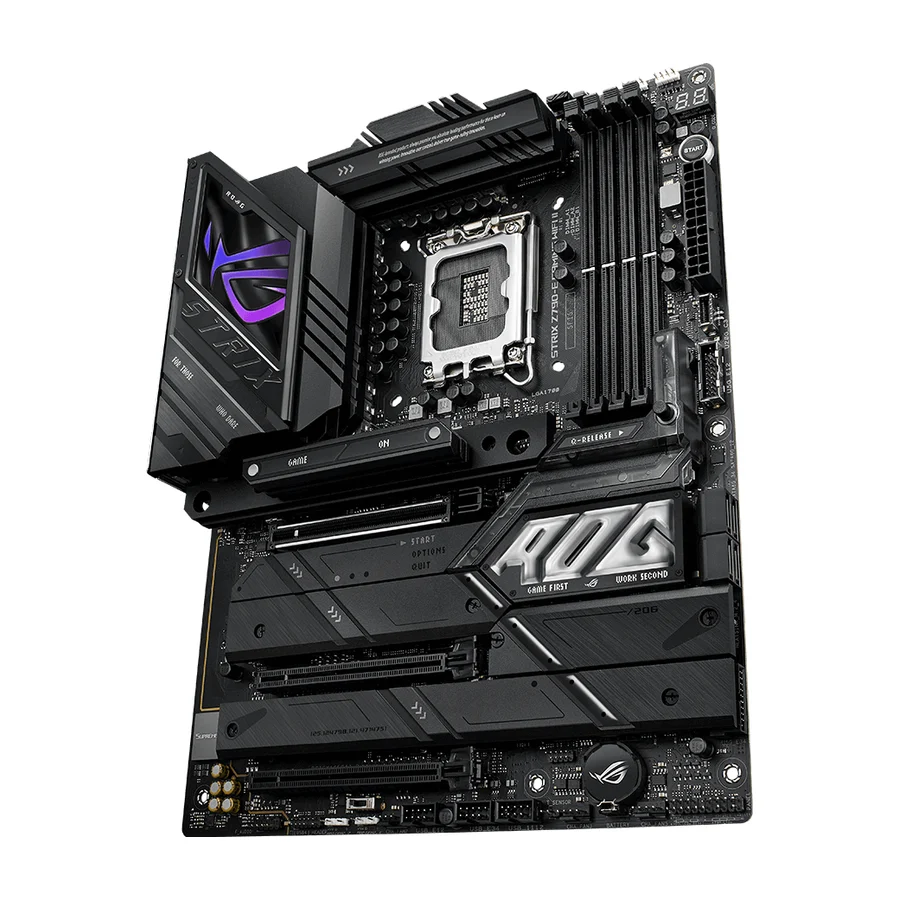 ASUS ASUS ROG Strix Z790-E Gaming WiFi II ASUS ASUS ROG Strix Z790-E Gaming WiFi II | 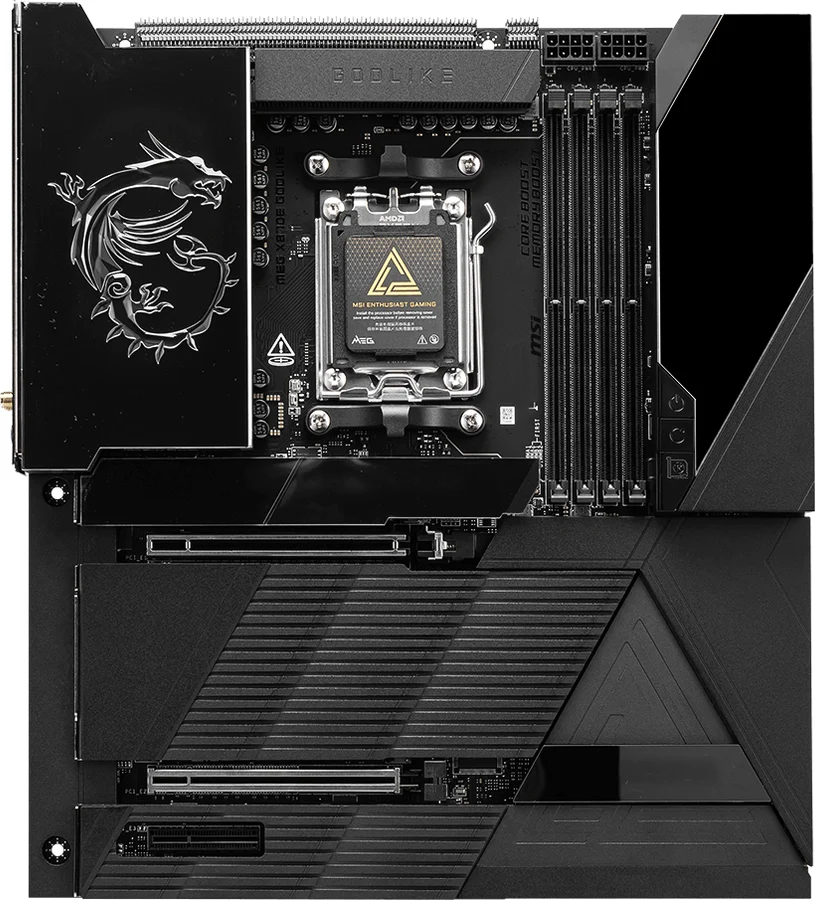 MSI MSI MEG X870E Godlike MSI MSI MEG X870E Godlike | 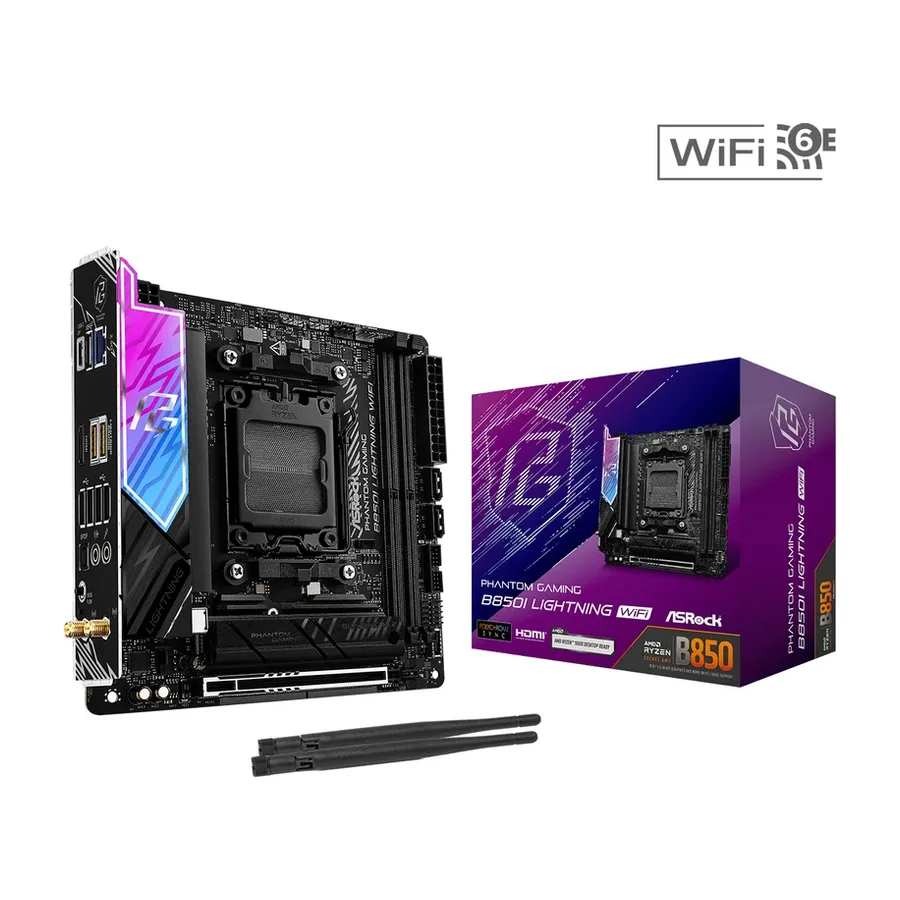 ASRock ASRock B850I Lightning WiFi ASRock ASRock B850I Lightning WiFi | 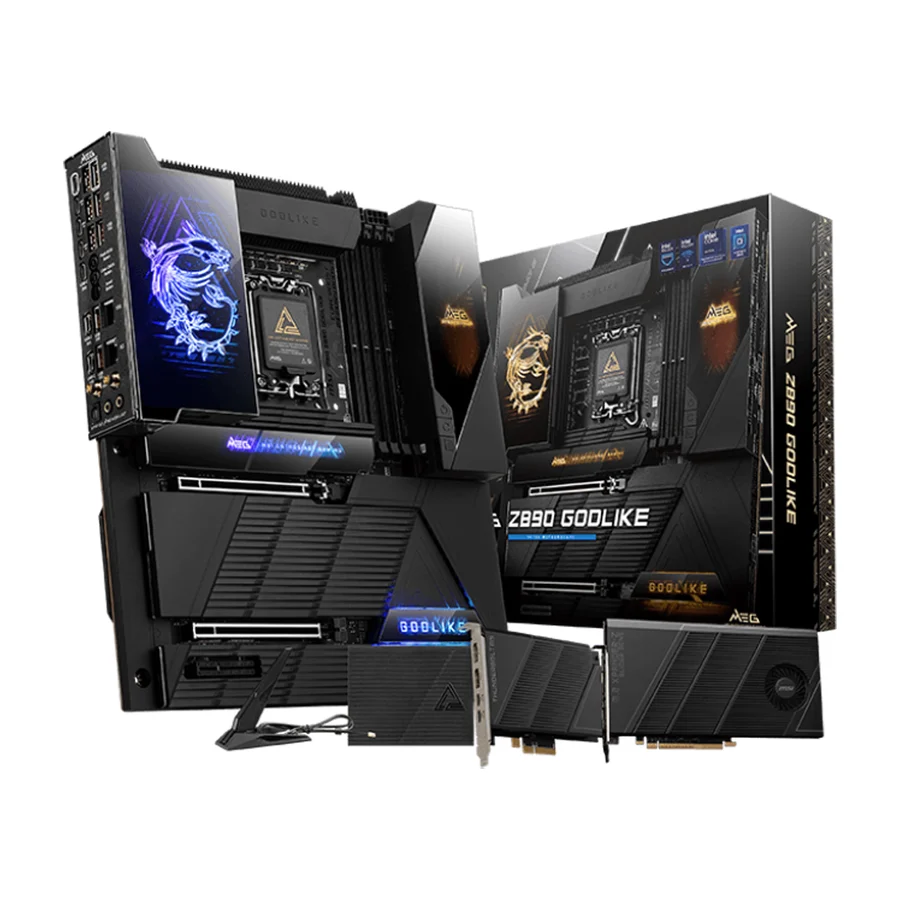 MSI MSI MEG Z890 Godlike MSI MSI MEG Z890 Godlike |
|---|---|---|---|---|---|---|---|---|---|---|---|---|---|---|---|---|---|---|---|
| Tier | S | A | A | A | B | B | C | C | D | D | D | D | D | F | F | F | F | F | F |
| Rank on this board | 1 of 19 | 2 of 19 | 3 of 19 | 4 of 19 | 5 of 19 | 6 of 19 | 7 of 19 | 8 of 19 | 9 of 19 | 10 of 19 | 11 of 19 | 12 of 19 | 13 of 19 | 14 of 19 | 15 of 19 | 16 of 19 | 17 of 19 | 18 of 19 | 19 of 19 |
| Ladder points | 988 LP | 777 LP | 697 LP | 671 LP | 626 LP | 622 LP | 487 LP | 428 LP | 353 LP | 327 LP | 278 LP | 271 LP | 235 LP | 207 LP | 207 LP | 187 LP | 186 LP | 157 LP | 145 LP |
| Our verdict | MSI’s flagship AM5 board delivers solid VRM, excellent BIOS and a long-term track record of reliability. | Strong overclocking potential on the B850 platform, with premium features like Wi-Fi 6E at a reasonable price. | The X870E variant adds PCIe 5.0 support and a refined power stage, keeping the same proven durability. | Strong Wi-Fi but weak VRM and infrequent firmware updates make it less reliable. | ASRock’s Taichi line is built on a proven PCB design and has shown low failure rates in long-term testing. | Gigabyte’s Master series is known for its solid build quality and long-term firmware support. | MSI’s Z890 board offers the same robust build quality as its X870 siblings, with added PCIe 5.0 lanes and a firmware that stays stable over time. | The Maximus Z890 is noted for its durable construction and firmware updates that keep it secure over years. | The X870E Taichi inherits the same robust power delivery and firmware longevity as its Z890 counterpart. | ASUS’s flagship Crosshair is praised for its firmware stability and long-term support, making it a reliable choice. | Inconsistent power delivery and lagging firmware updates make it less reliable. | The Pro variant offers the same durable construction as the Master but at a more accessible price point, with firmware that remains stable. | A reliable board trapped in a pointless chipset. The non-E X870 premium buys nothing a B850 lacks. | The worst combination in the category: maximum price, dead-end platform, and the industry's most-criticized support operation. Buy almost anything else on this list first. | Budget appeal but weaker firmware and higher failure risk. | Premium Z790 board with top-tier power delivery and features. Priced high, but still offers better performance per dollar than many flagship boards. | The MEG line is built for longevity. Its high-end VRM and extensive cooling options give it a reputation for lasting performance. | Compact size but limited expansion and sparse firmware updates raise reliability concerns. | A flagship-priced showcase on a socket with no future. Build quality is real, ownership value is not. Buy the Z890 Taichi or Z890 Tomahawk. |
| What reviewers rate |
|
|
|
|
|
|
|
|
|
|
|
|
|
|
|
|
|
|
|
| Where it falls short |
|
|
|
|
|
|
| Nothing recorded |
|
|
|
|
|
|
|
|
|
|
|
| Evidence behind it | 20 sources across 19 outlets | 44 sources across 37 outlets | 33 sources across 28 outlets | 34 sources across 29 outlets | 13 sources across 12 outlets | 29 sources across 25 outlets | 22 sources across 16 outlets | 9 sources across 9 outlets | 35 sources across 29 outlets | 8 sources across 8 outlets | 9 sources across 8 outlets | 27 sources across 26 outlets | 18 sources across 16 outlets | 4 sources across 4 outlets | 11 sources across 11 outlets | 6 sources across 5 outlets | 29 sources across 20 outlets | 10 sources across 9 outlets | 10 sources across 9 outlets |
| Flagged as one to avoid | Not flagged | Not flagged | 1 of 10 research runs | 1 of 9 research runs | Not flagged | Not flagged | Not flagged | Not flagged | 3 of 10 research runs | 2 of 11 research runs | 1 of 5 research runs | 2 of 9 research runs | 2 of 7 research runs | 3 of 6 research runs | 1 of 7 research runs | 1 of 5 research runs | 3 of 9 research runs | 1 of 6 research runs | 3 of 5 research runs |
| Announced | Not recorded | Not recorded | Not recorded | May 2026 | Not recorded | Sept 2025 | Not recorded | Oct 2024 | Not recorded | Apr 2025 | Not recorded | Sept 2025 | Sept 2024 | Oct 2024 | Oct 2022 | Oct 2023 | Not recorded | Not recorded | Not recorded |
| Where to buy | Check it | Check it | Check it | Check it | Check it | Check it | Check it | Check it | Check it | Check it | Check it | Check it | Check it | Check it | Check it | Check it | Check it | Check it | Check it |
Every column is the same research that built the board. Nothing here is a specification sheet copied from a maker. Read how we rank for what a tier and a ladder point mean.