Compare Fitness Trackers
16 ranked products · Two to 4 at a time · Updated 18 Oct 2026
Pick any two to four of the 16 ranked fitness trackers and read them side by side. This page opens on the board's top 3, Fitbit Charge 6, Fitbit Inspire 3 and Fitbit Air.
Choose what to compare
3 of 4 chosen
S
A
B
C
D
F
| Measure | 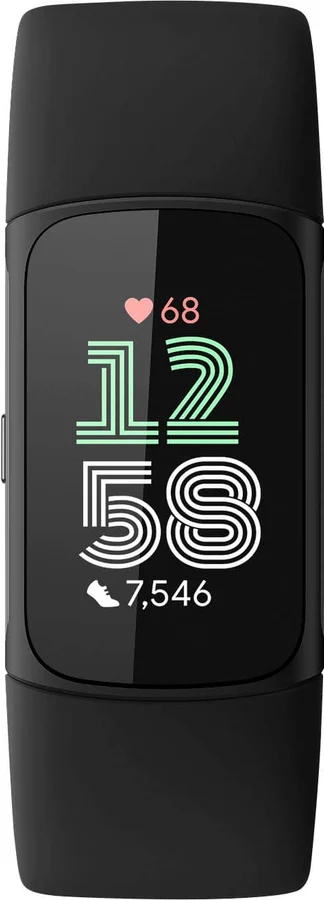 Fitbit Fitbit Charge 6 Fitbit Fitbit Charge 6 | 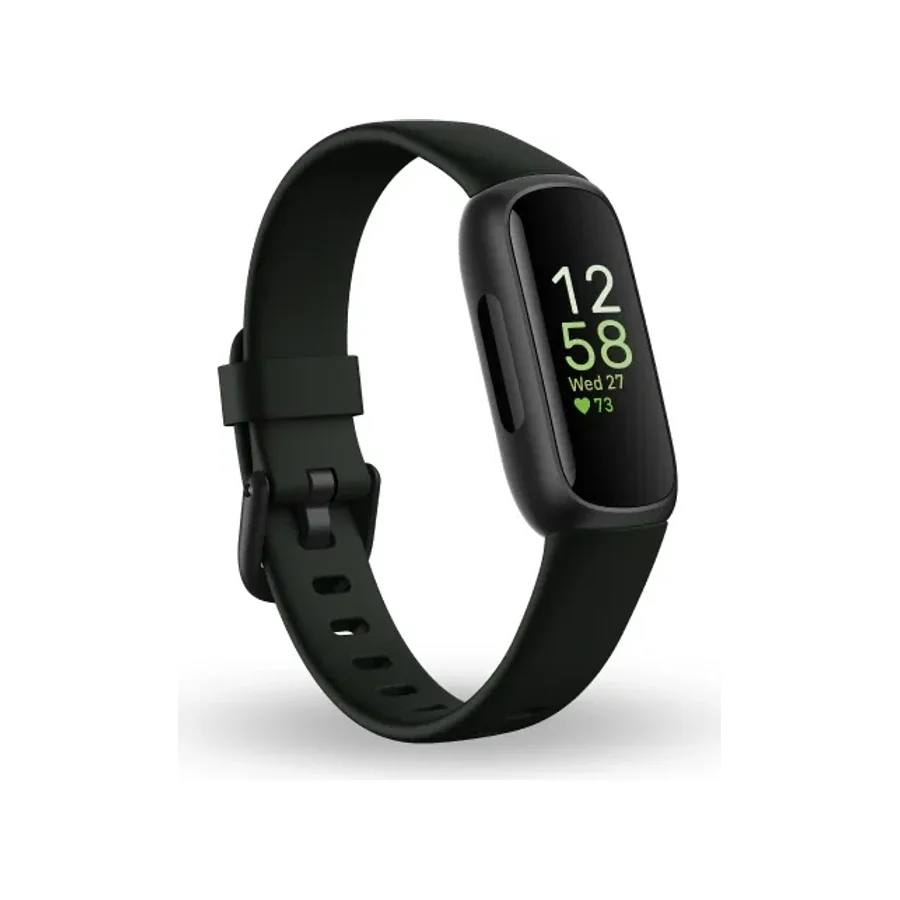 Fitbit Fitbit Inspire 3 Fitbit Fitbit Inspire 3 | 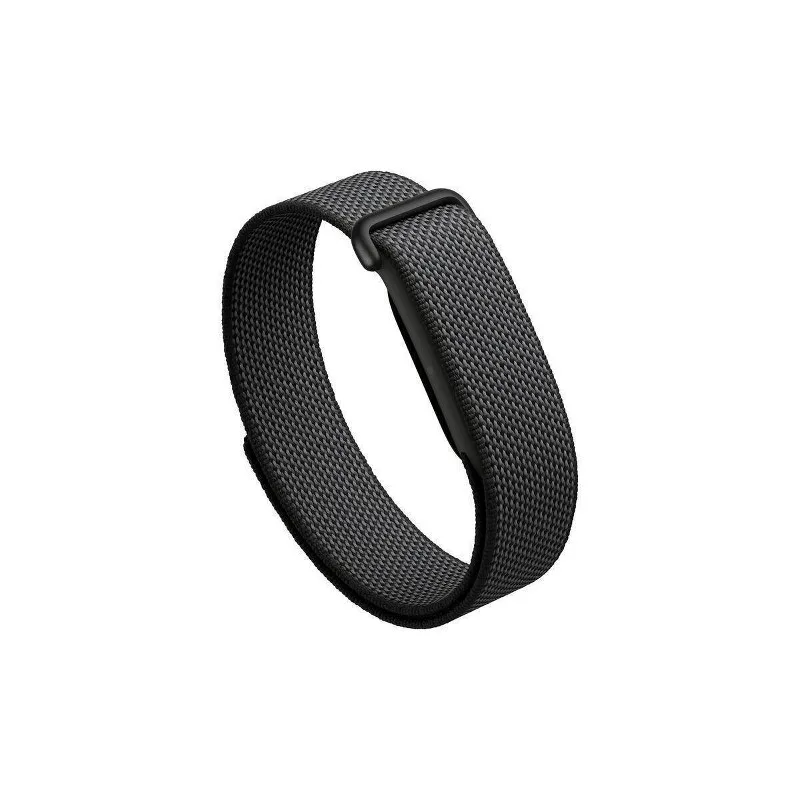 Fitbit Fitbit Air Fitbit Fitbit Air | 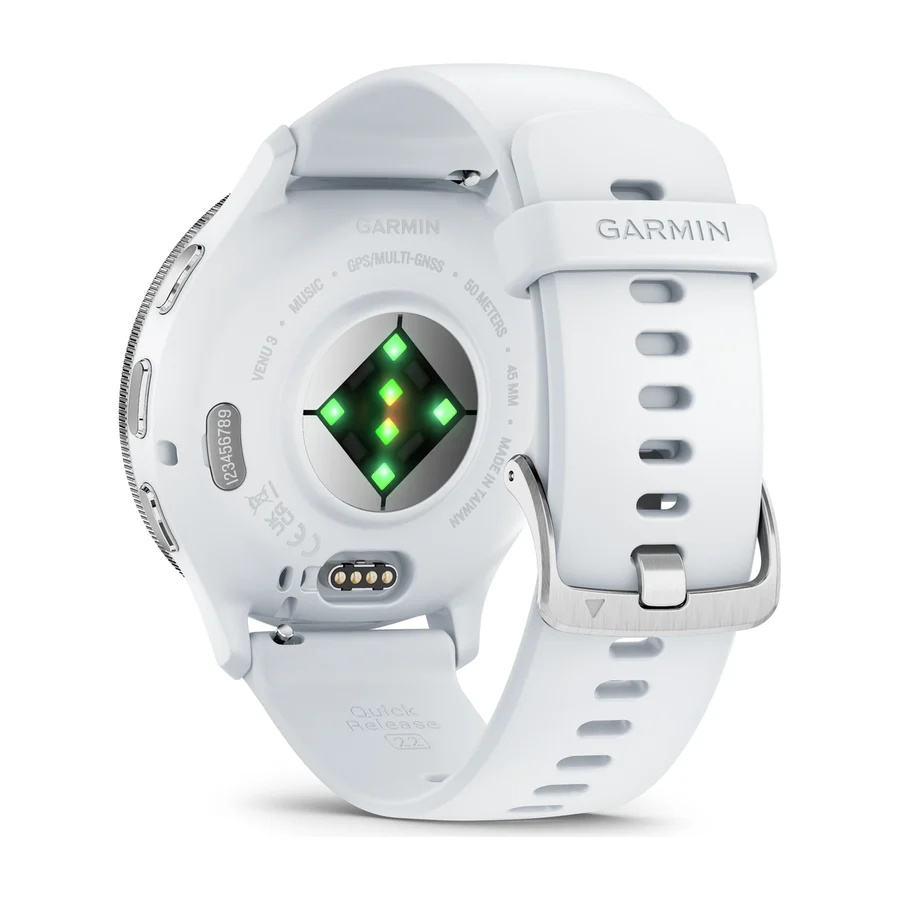 Garmin Garmin Venu 3 Garmin Garmin Venu 3 | 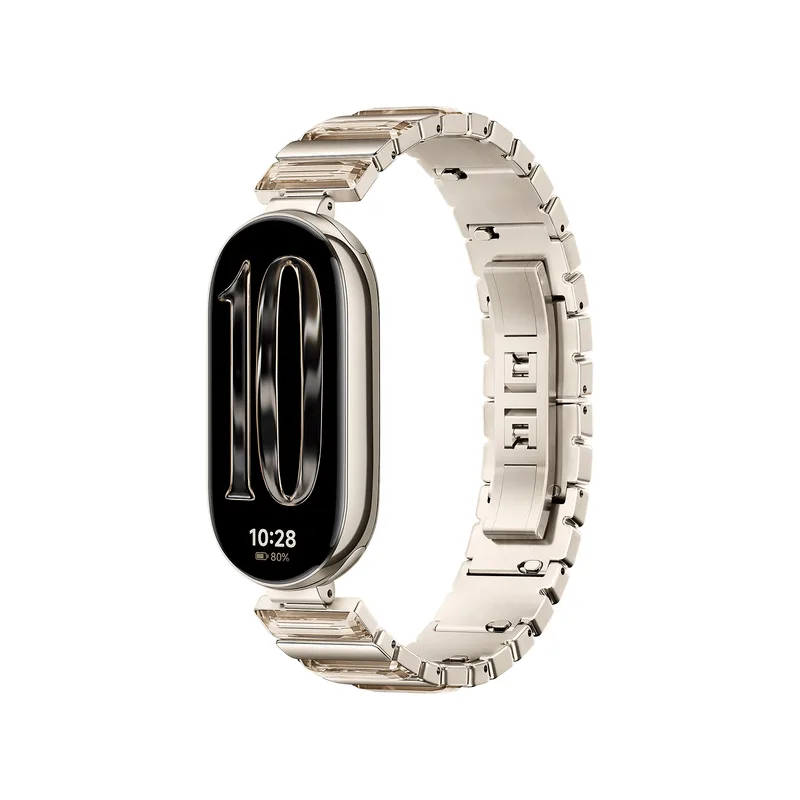 Xiaomi Xiaomi Smart Band 10 Xiaomi Xiaomi Smart Band 10 | 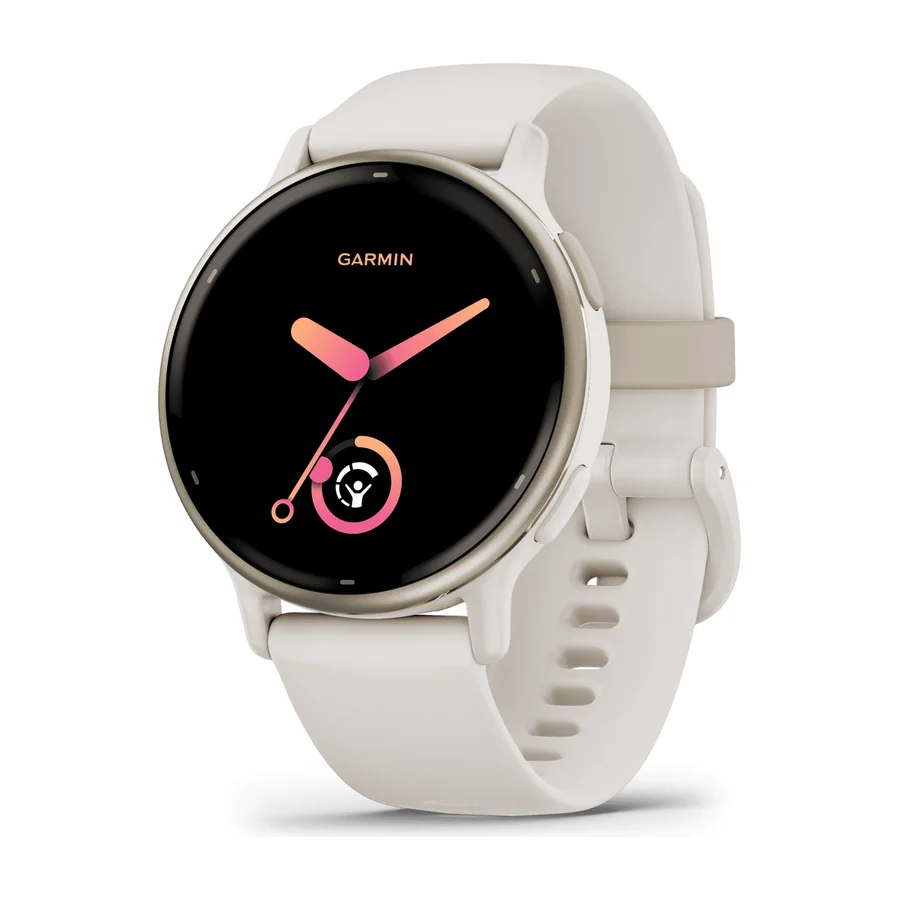 Garmin Garmin Vivoactive 5 Garmin Garmin Vivoactive 5 | 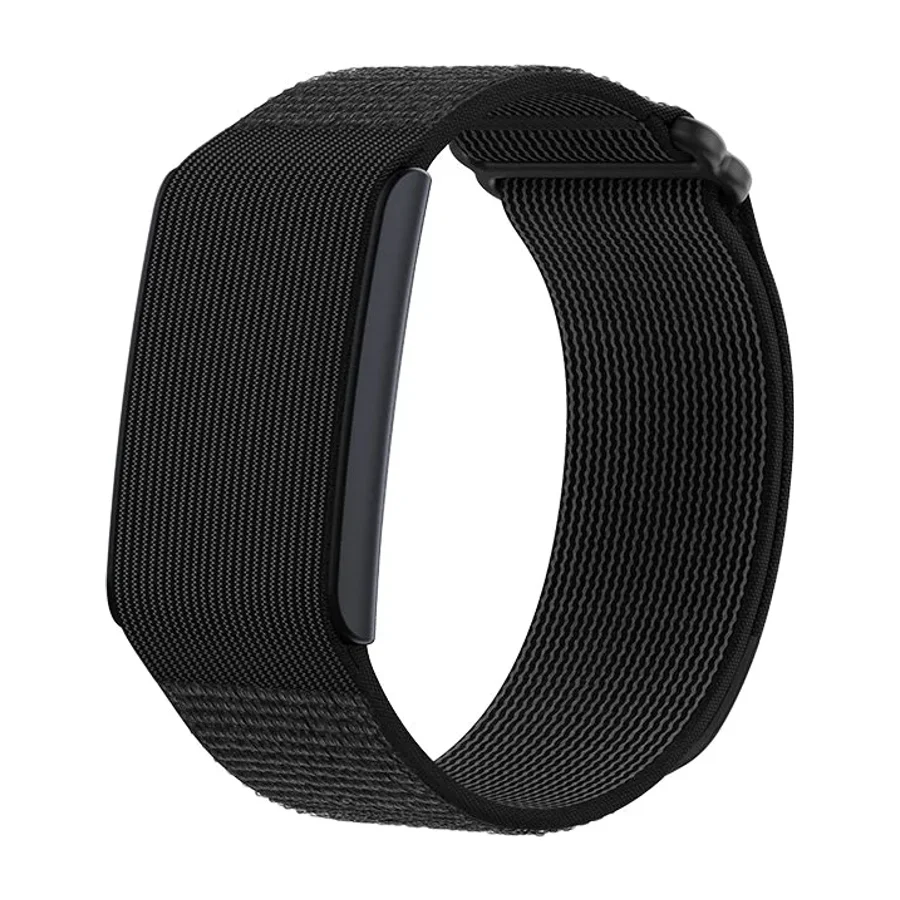 Amazfit Amazfit Helio Strap Amazfit Amazfit Helio Strap | 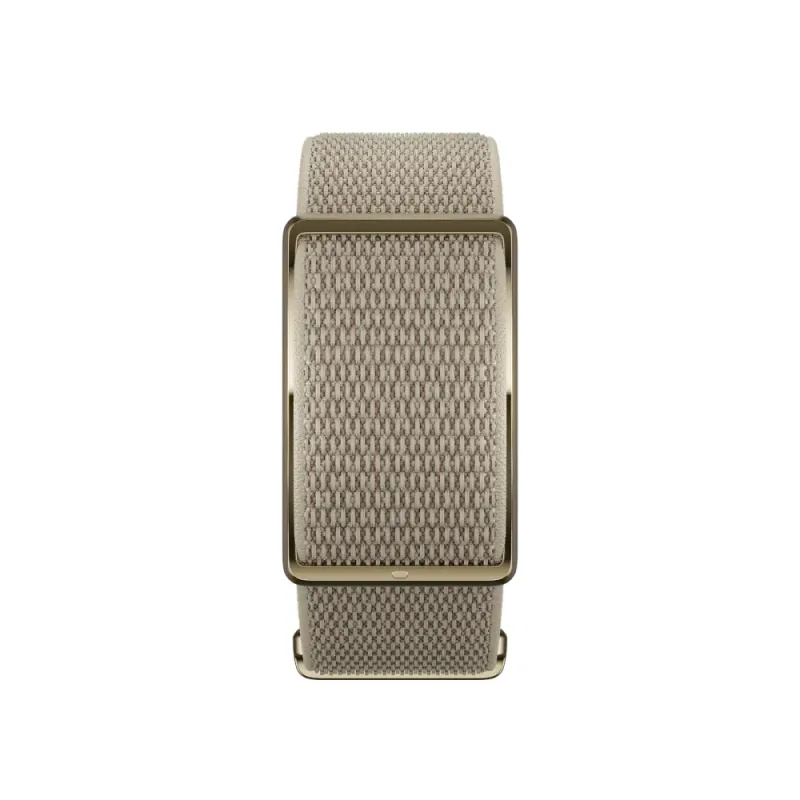 Polar Polar Loop Polar Polar Loop | 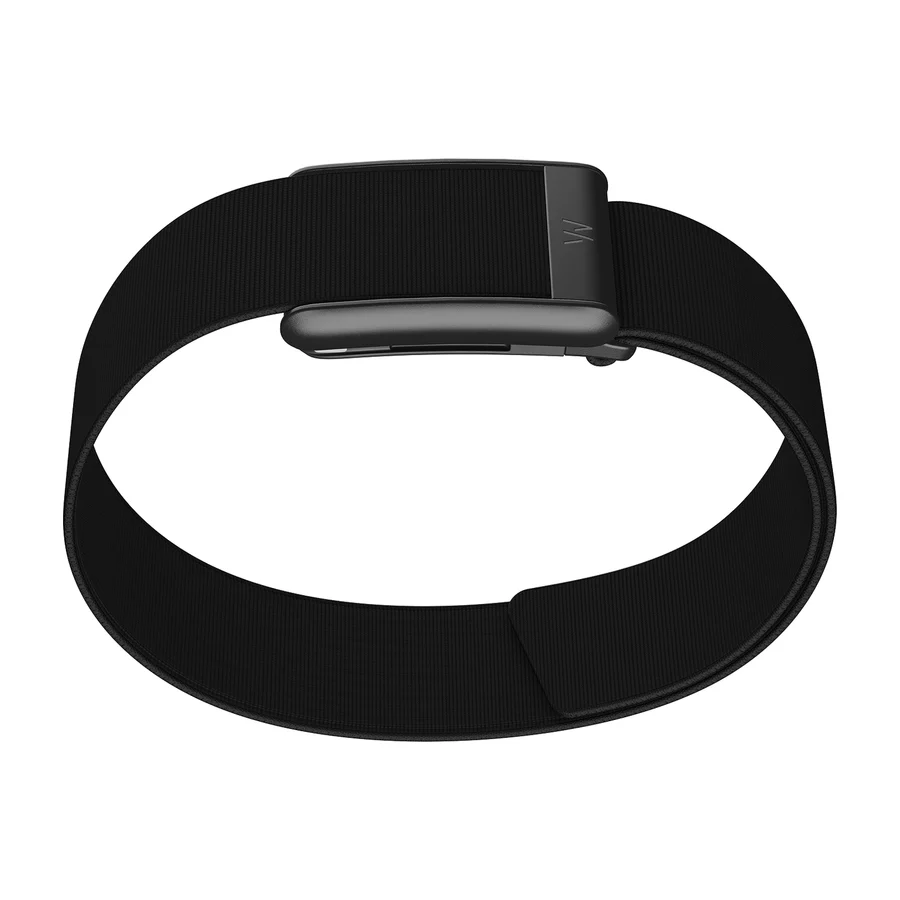 Whoop Whoop 5.0 Whoop Whoop 5.0 | 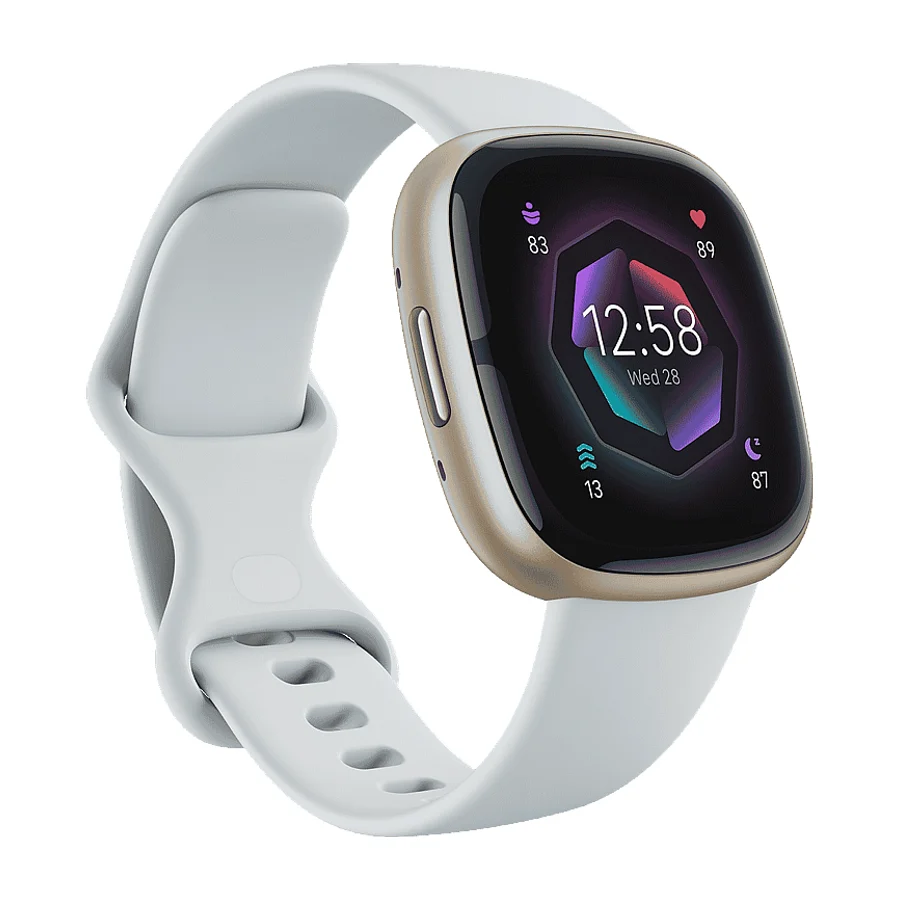 Fitbit Fitbit Alta HR Fitbit Fitbit Alta HR | 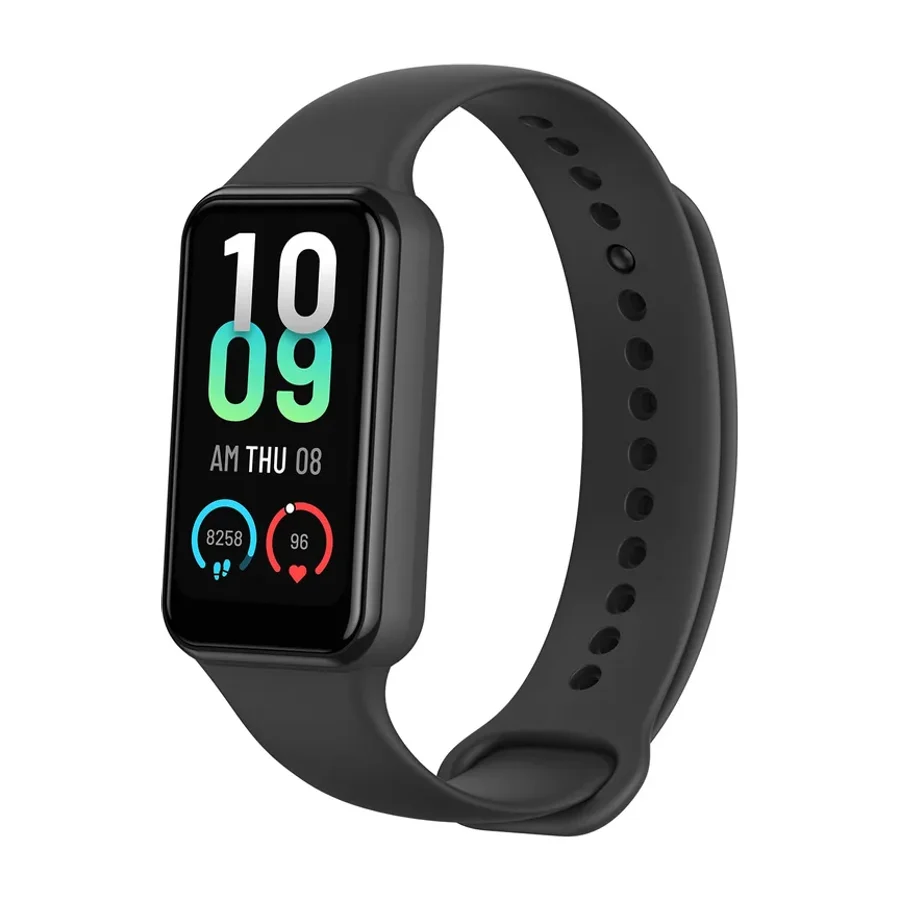 Amazfit Amazfit Band 7 Amazfit Amazfit Band 7 | 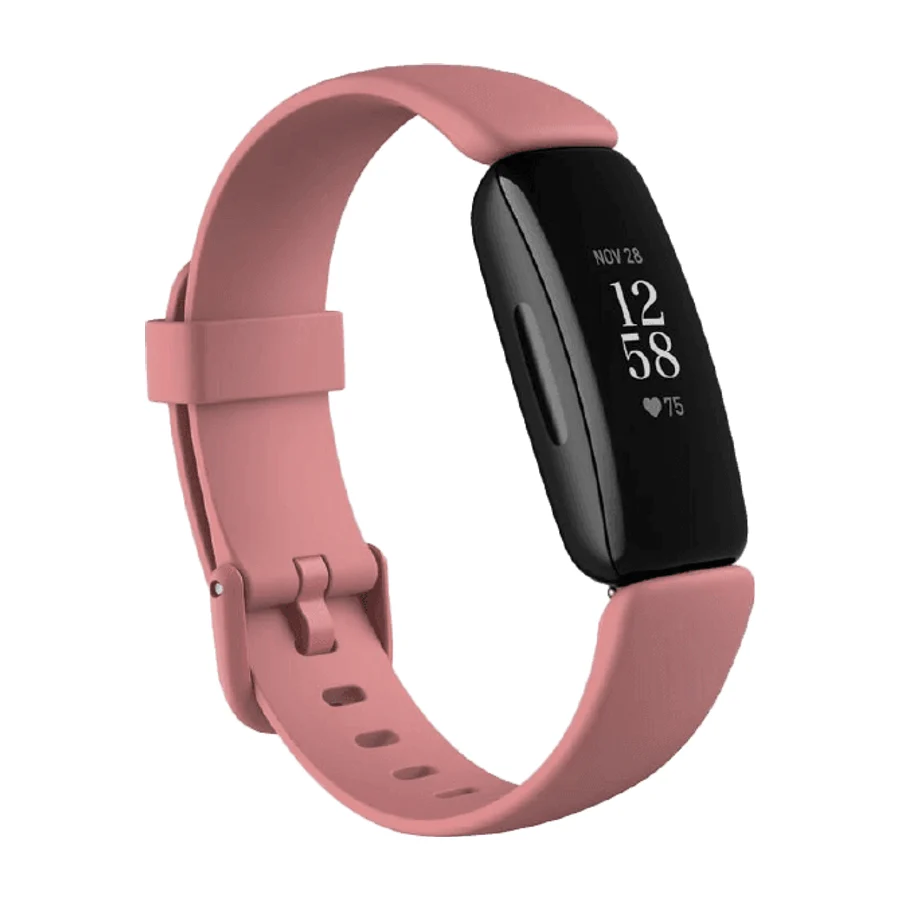 Fitbit Fitbit Inspire 2 Fitbit Fitbit Inspire 2 | 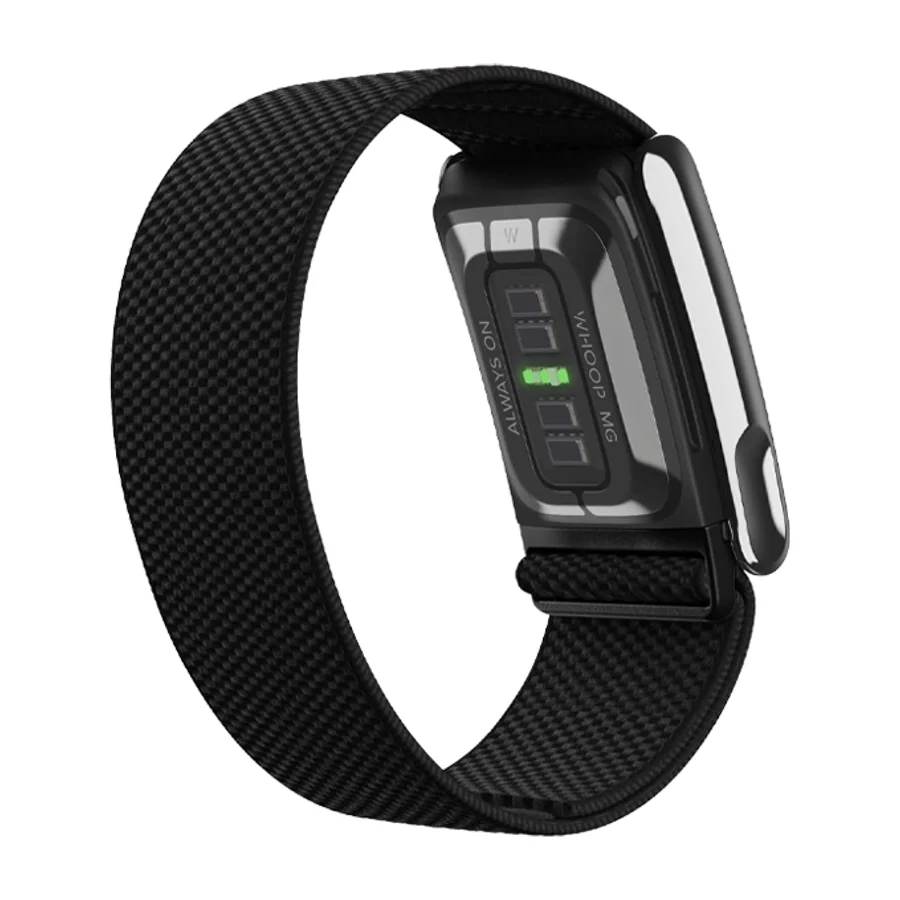 Whoop Whoop MG Whoop Whoop MG | 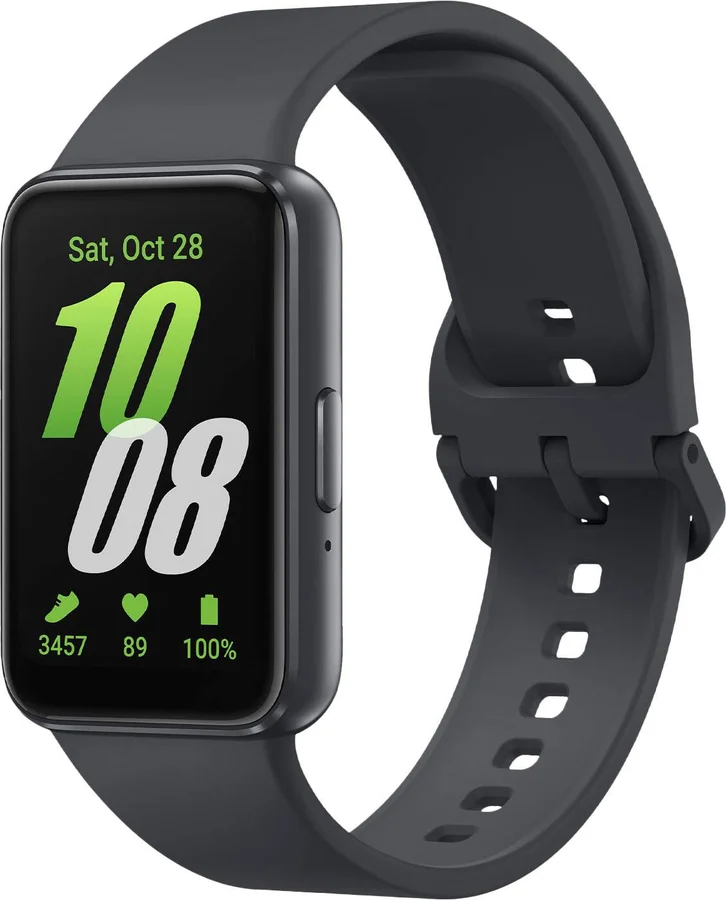 Samsung Samsung Galaxy Fit 3 Samsung Samsung Galaxy Fit 3 | 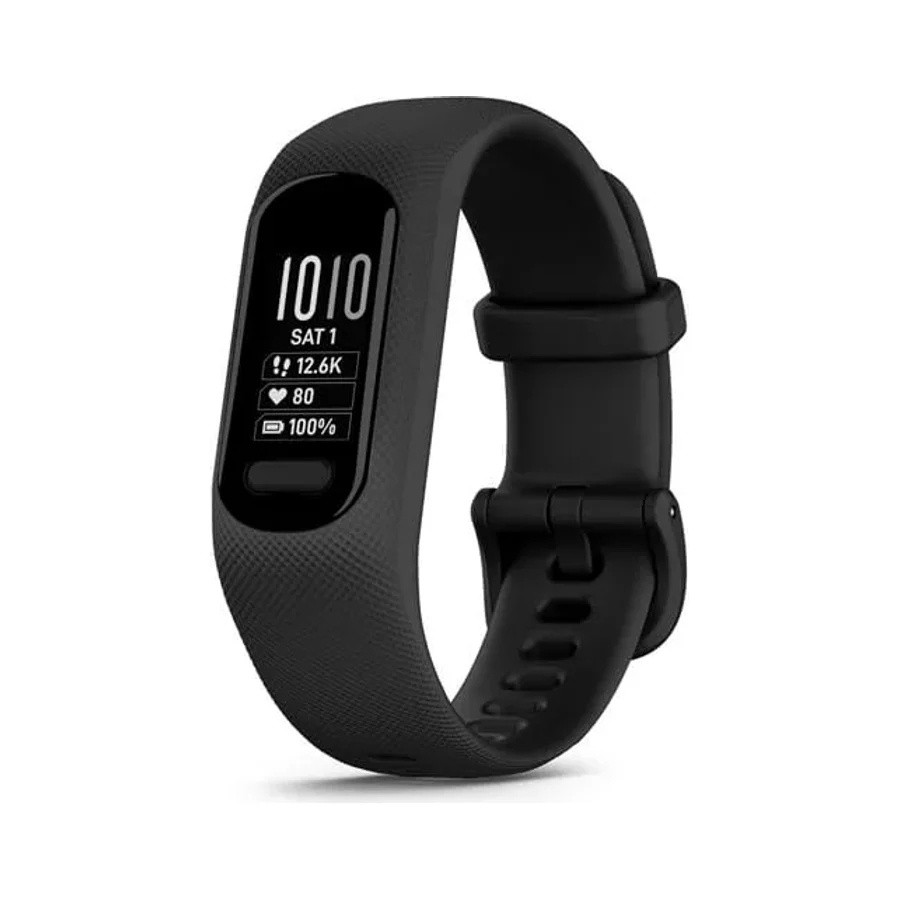 Garmin Garmin Vivosmart 5 Garmin Garmin Vivosmart 5 | 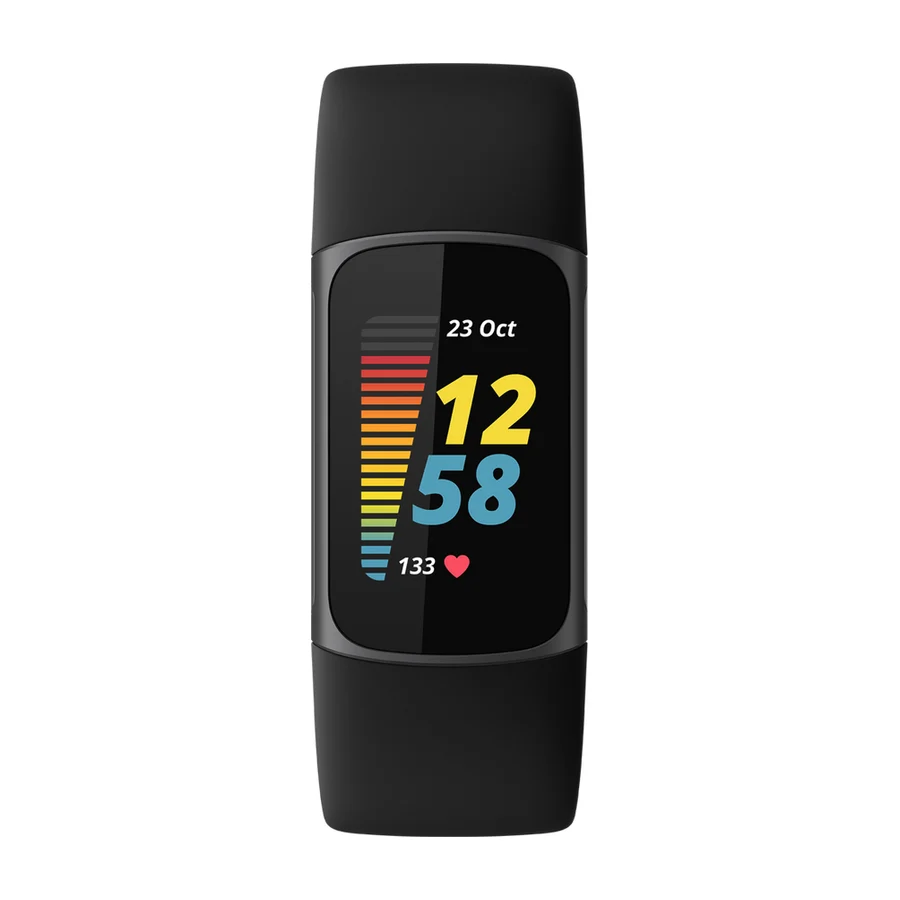 Fitbit Fitbit Charge 5 Fitbit Fitbit Charge 5 |
|---|---|---|---|---|---|---|---|---|---|---|---|---|---|---|---|---|
| Tier | S | S | S | A | B | C | D | D | D | F | F | F | F | F | F | F |
| Rank on this board | 1 of 16 | 2 of 16 | 3 of 16 | 4 of 16 | 5 of 16 | 6 of 16 | 7 of 16 | 8 of 16 | 9 of 16 | 10 of 16 | 11 of 16 | 12 of 16 | 13 of 16 | 14 of 16 | 15 of 16 | 16 of 16 |
| Ladder points | 1285 LP | 1056 LP | 967 LP | 819 LP | 596 LP | 362 LP | 301 LP | 243 LP | 234 LP | 140 LP | 83 LP | 82 LP | 4 LP | 0 LP | 0 LP | 0 LP |
| Our verdict | CNET's current best fitness tracker overall with a proven multi-year track record the newest models cannot yet show. Slightly behind the Charge 7 only because its firmware clock started earlier. | Years on sale with a public, reliable failure record and near-universal recommendation make it the known quantity of the budget tier and the smartest buy in the category for most people. | Wirecutter's favorite screenless tracker: minimal hardware means minimal failure points, and a Wirecutter favorite with Google behind it is about as bankable as this category gets. | Garmin build and support in an AMOLED package. Ranked on brand-level ownership evidence since this pass retrieved no fresh coverage of it specifically. | Superb affordable hardware, dragged down by owner reports of unstable GPS and inconsistent syncing, especially on iOS. | Genuinely good hardware and Garmin support, which is why it outranks several picks, but it is superseded by the Vivoactive 6 and should not be bought while the 6 exists. | Screen-free, subscription-free and long-running. A strong value alternative for recovery-focused buyers who find Whoop's membership model off-putting. | A focused training band from a heart-rate specialist, but Polar gates its best coaching behind a subscription, which blunts the value story. | The most heavily marketed screenless strap in the category and the worst long-term ownership proposition among current, heavily marketed options. Buy a Fitbit Charge 7 or Garmin Vivoactive 6 instead and own the hardware outright. | A 2017 relic with no current coverage from any retrieved source and no firmware support - last place without hesitation. Buy the Fitbit Inspire 3, which costs little more and is actually supported. | A superseded budget band coasting on sale pricing. Outclassed in every dimension that matters by the Xiaomi Smart Band 10. | Two generations behind, with no current expert endorsement. The Inspire 3 is the obvious replacement. | The most expensive way to get data the Whoop 5.0 already provides, with a membership on top. The single worst performance-for-money proposition a realistic cross-shopper faces in this category. | The best budget pick from a major manufacturer with a real update pipeline, ranked below the Garmins and Fitbits on support track record. | The outclassed old-timer. It is still on shelves and still pushed by roundups, but it is an aging design that Garmin's own current all-rounder has leapfrogged. Buy the Garmin Vivoactive 6 instead. | The outclassed old-timer: two generations old, unsupported relative to the current line, and outclassed at its discounted price by the Inspire 3 and Charge 7. Buy the Fitbit Charge 7 or Charge 6 instead. |
| What reviewers rate |
|
|
|
|
|
|
|
|
|
|
|
|
|
|
|
|
| Where it falls short |
|
|
|
|
|
|
|
|
|
|
|
|
|
|
|
|
| Evidence behind it | 49 sources across 41 outlets | 34 sources across 31 outlets | 105 sources across 80 outlets | 15 sources across 14 outlets | 46 sources across 34 outlets | 21 sources across 18 outlets | 77 sources across 49 outlets | 59 sources across 49 outlets | 49 sources across 37 outlets | 9 sources across 7 outlets | 24 sources across 20 outlets | 29 sources across 22 outlets | 16 sources across 14 outlets | 28 sources across 26 outlets | 7 sources across 7 outlets | 23 sources across 23 outlets |
| Flagged as one to avoid | Not flagged | Not flagged | Not flagged | Not flagged | 2 of 18 research runs | 4 of 7 research runs | 1 of 20 research runs | 1 of 17 research runs | 5 of 20 research runs | 3 of 4 research runs | 3 of 6 research runs | 2 of 3 research runs | 6 of 11 research runs | 5 of 20 research runs | 6 of 17 research runs | 7 of 10 research runs |
| Announced | Not recorded | Not recorded | Not recorded | Not recorded | Not recorded | Not recorded | Not recorded | Not recorded | Not recorded | Not recorded | Not recorded | Not recorded | Not recorded | Jan 2025 | Not recorded | Not recorded |
| Where to buy | Check it | Check it | Check it | Check it | Check it | Check it | Check it | Check it | Check it | Check it | Check it | Check it | Check it | Check it | Check it | Check it |
Every column is the same research that built the board. Nothing here is a specification sheet copied from a maker. Read how we rank for what a tier and a ladder point mean.