Best Fitness Trackers
16 products ranked across 591 cited reviews, videos and discussions · Updated 18 Oct 2026
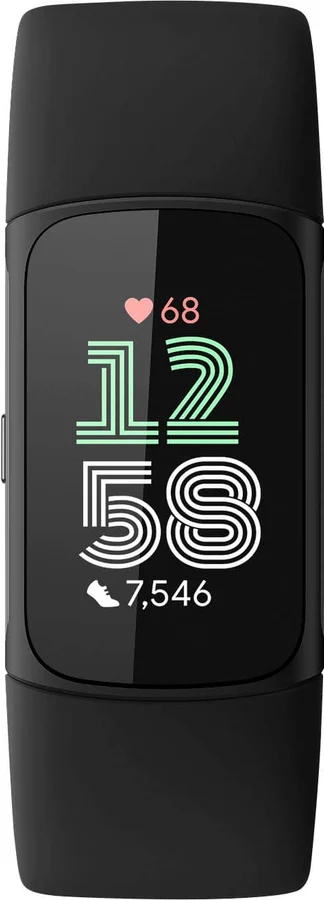
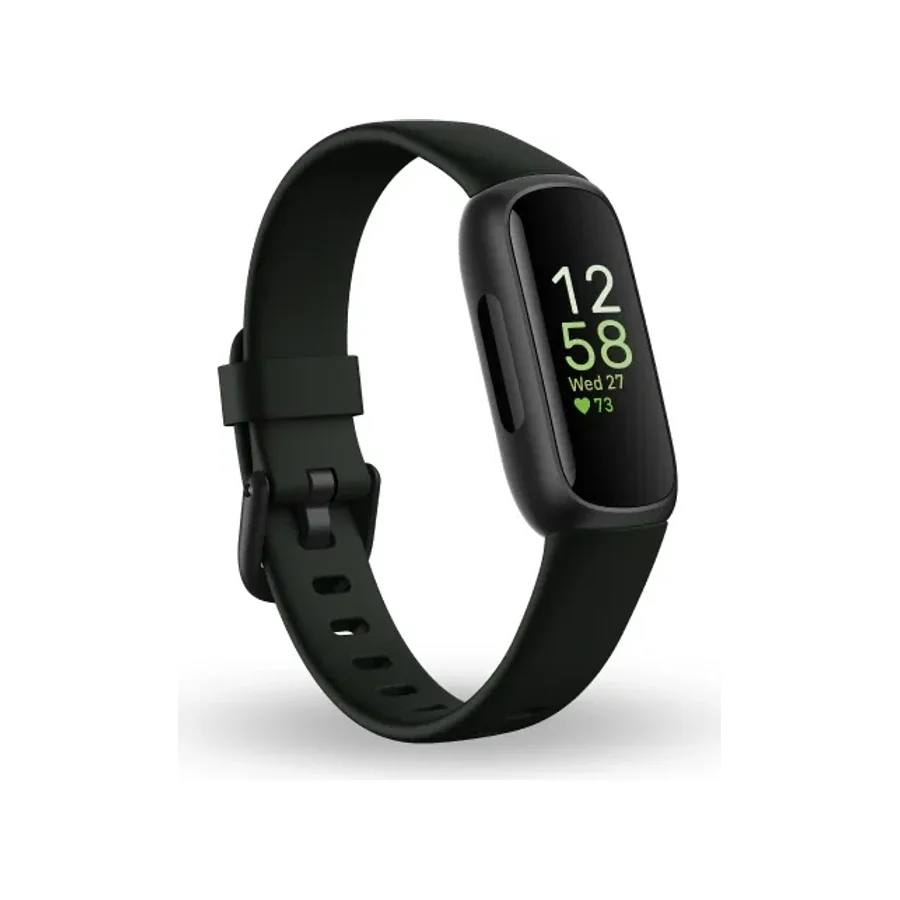
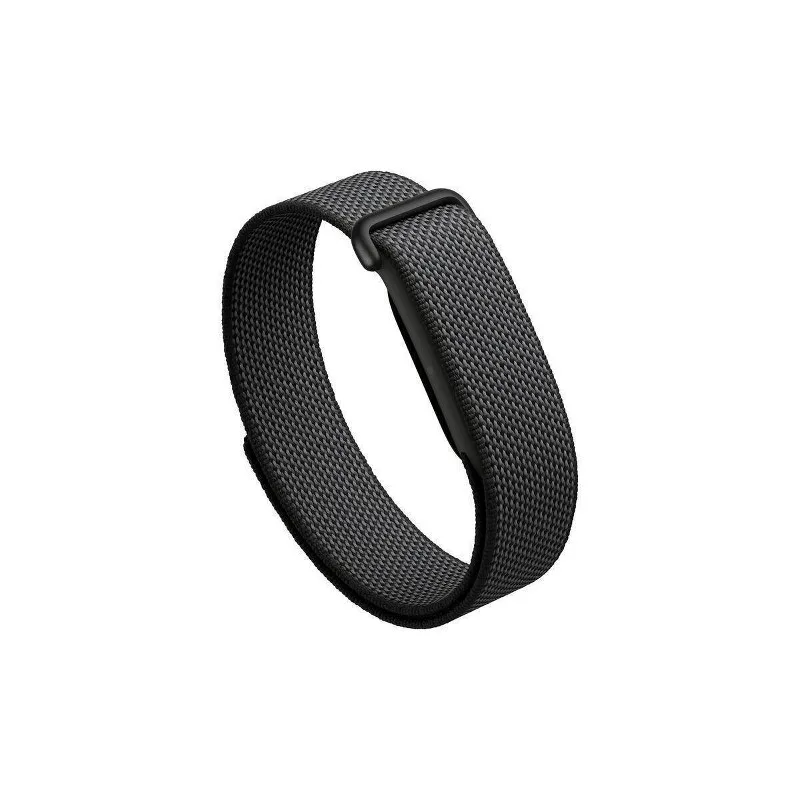
On the stierproducts fitness trackers board, Fitbit Charge 6 ranks #1 in S tier, ahead of Fitbit Inspire 3 (#2, S tier) and Fitbit Air (#3, S tier). The board ranks 16 fitness trackers from S (best) to F (avoid), last researched 18 Oct 2026, drawing on 591 cited reviews, videos and discussions. Placed in the bottom tiers as ones to avoid: Amazfit Helio Strap, Polar Loop, Whoop 5.0, and 7 others.
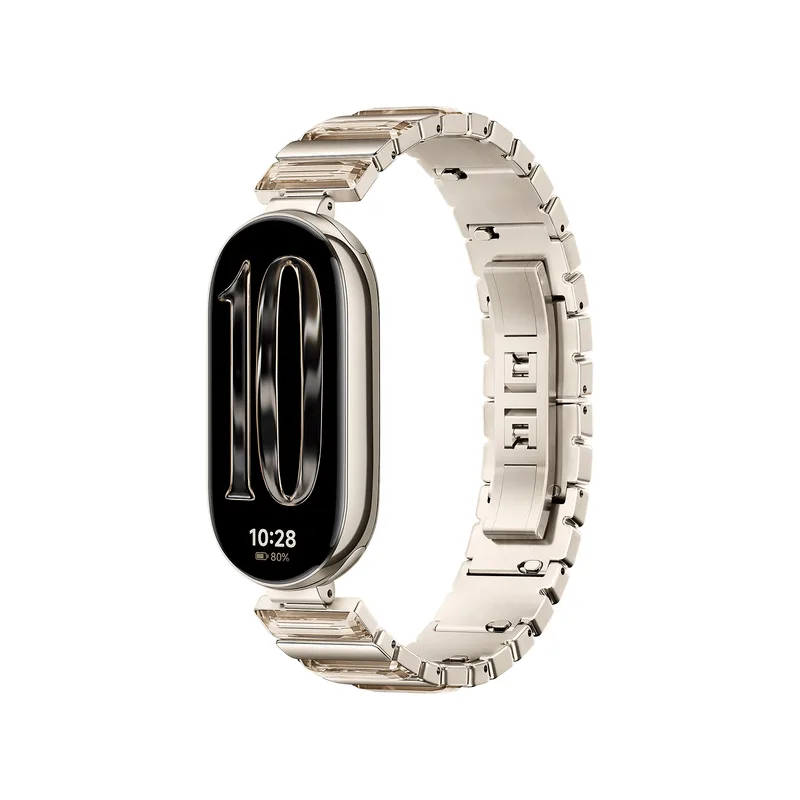
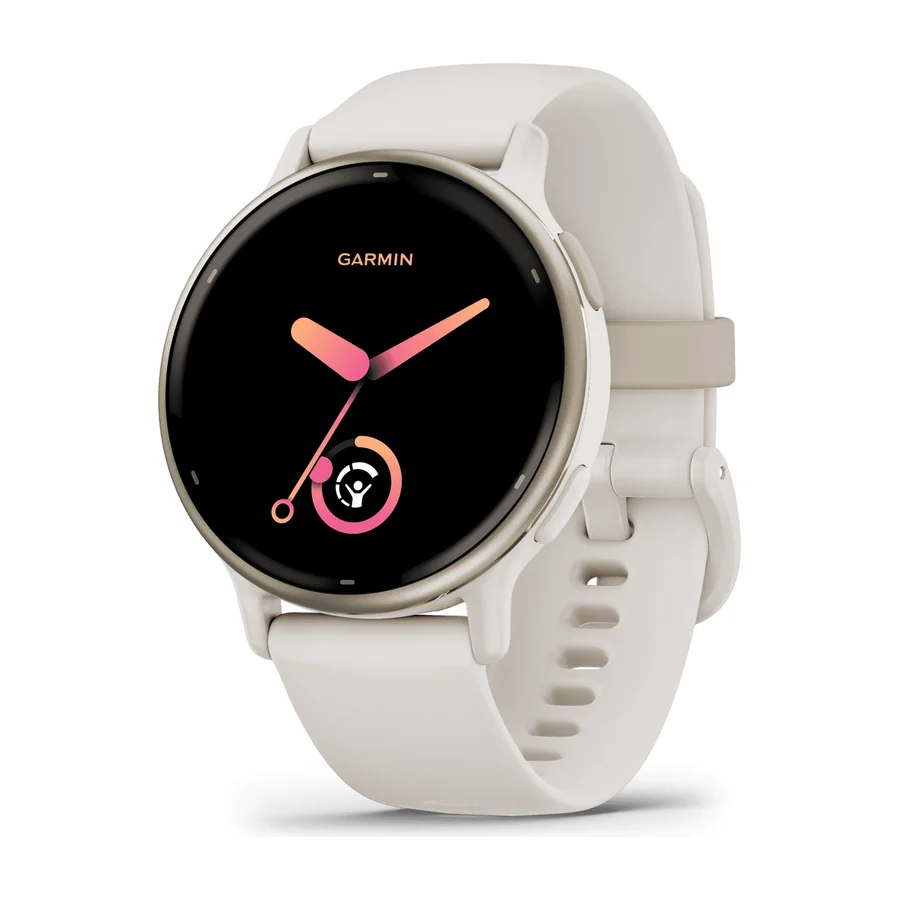
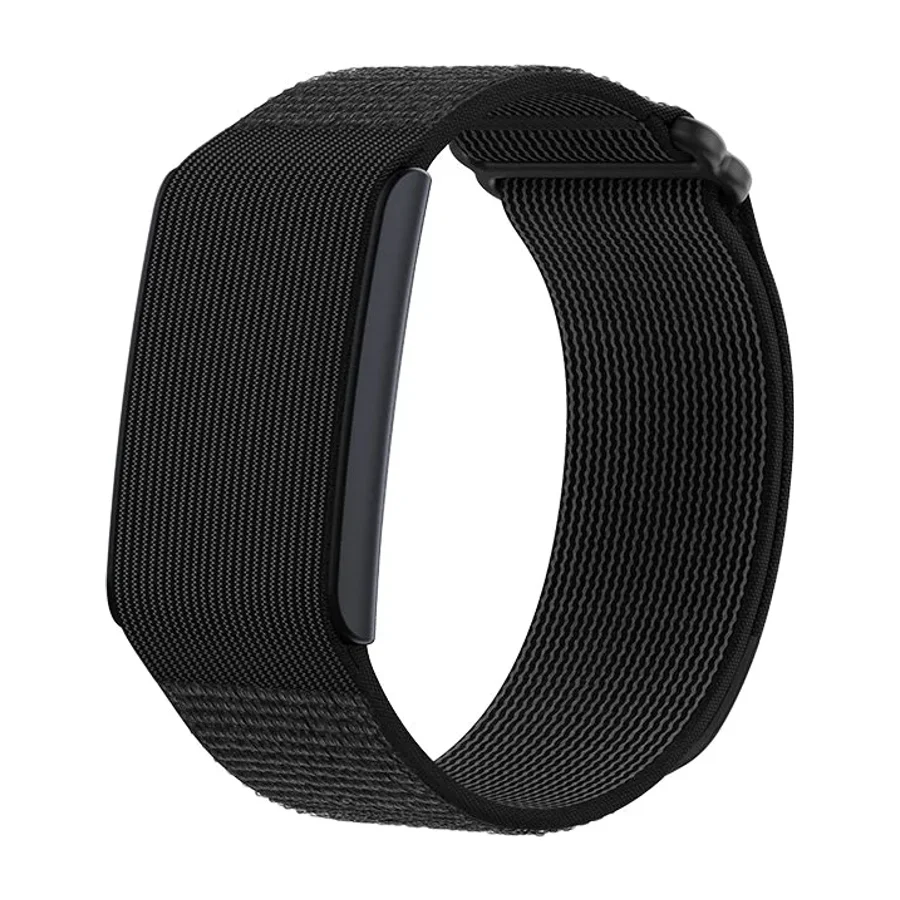 #7 1 of 20 research runs entered this as a product to avoid rather than a pick.
 Amazfit Helio Strap
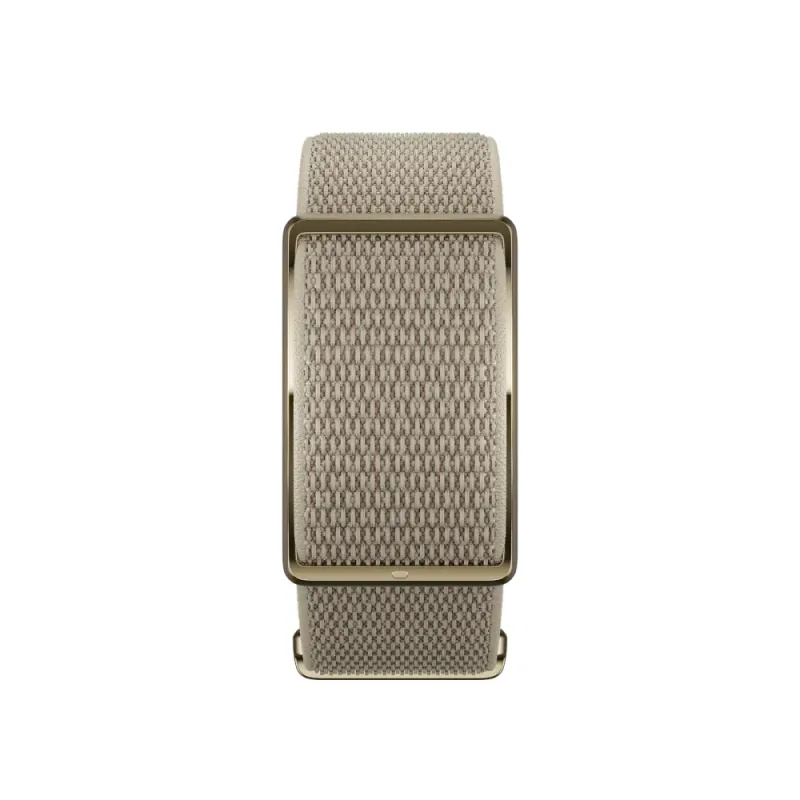 Moved up from D to C on 13 Sept 2026 #8 1 of 17 research runs entered this as a product to avoid rather than a pick.
 Polar Loop
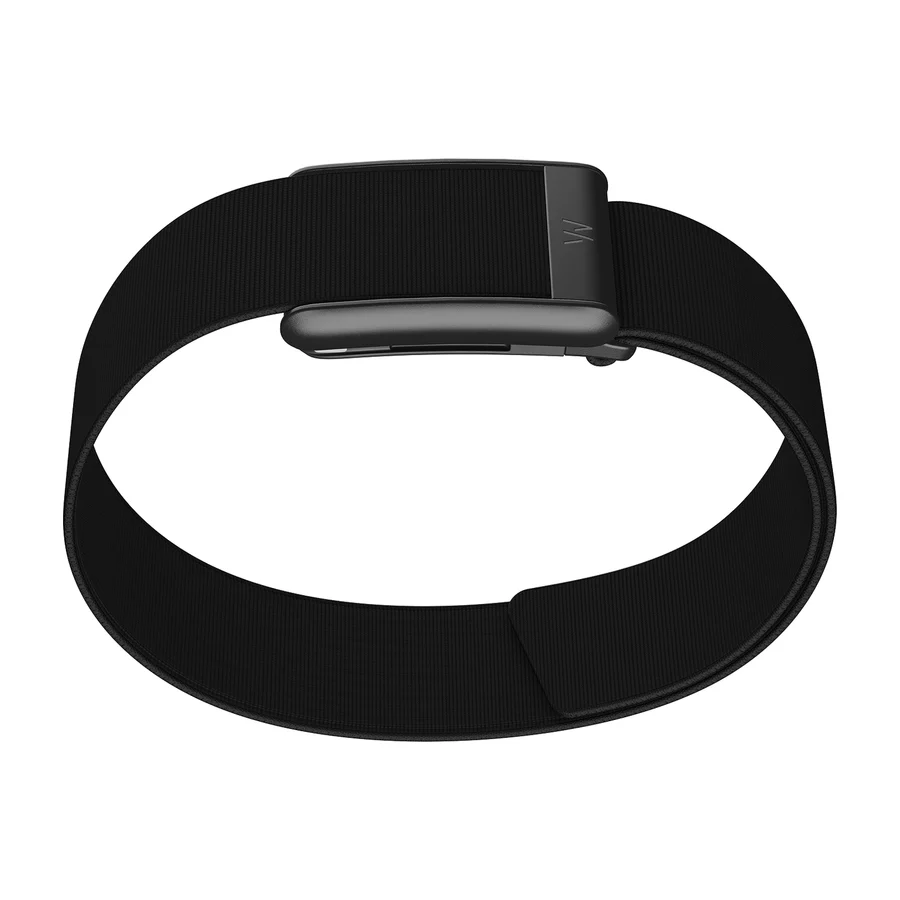 #9 5 of 20 research runs entered this as a product to avoid rather than a pick.
 Whoop 5.0
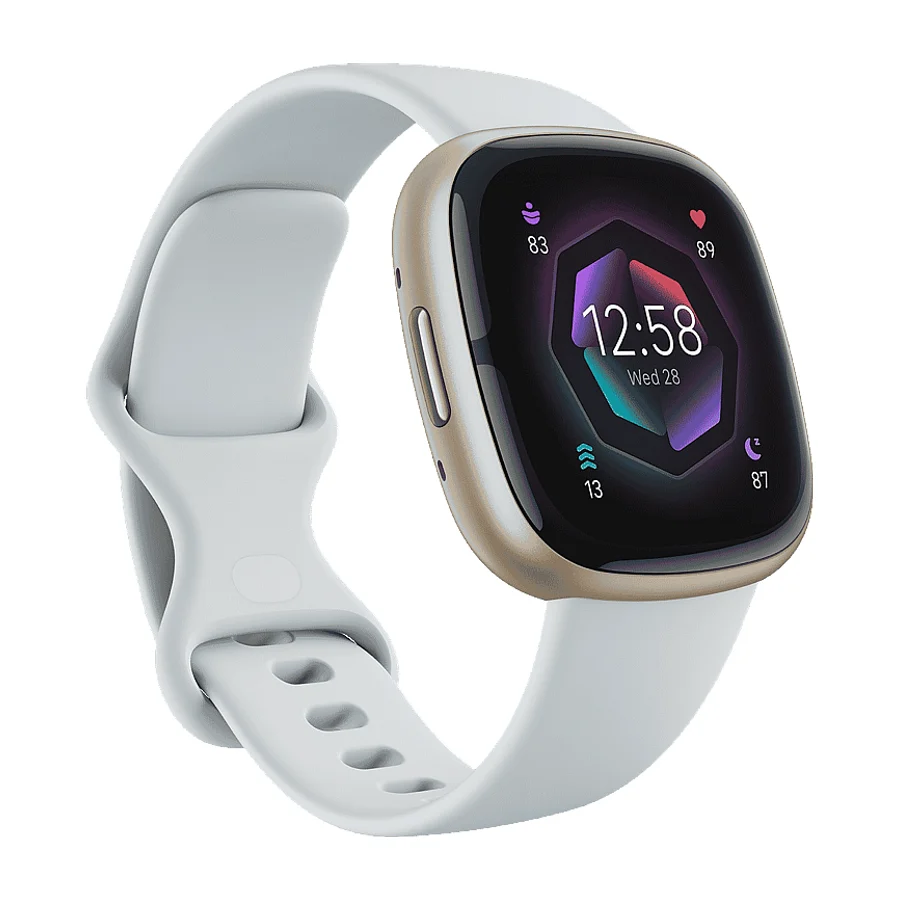 #10 3 of 4 research runs entered this as a product to avoid rather than a pick.
 Fitbit Alta HR
 #11 3 of 6 research runs entered this as a product to avoid rather than a pick.
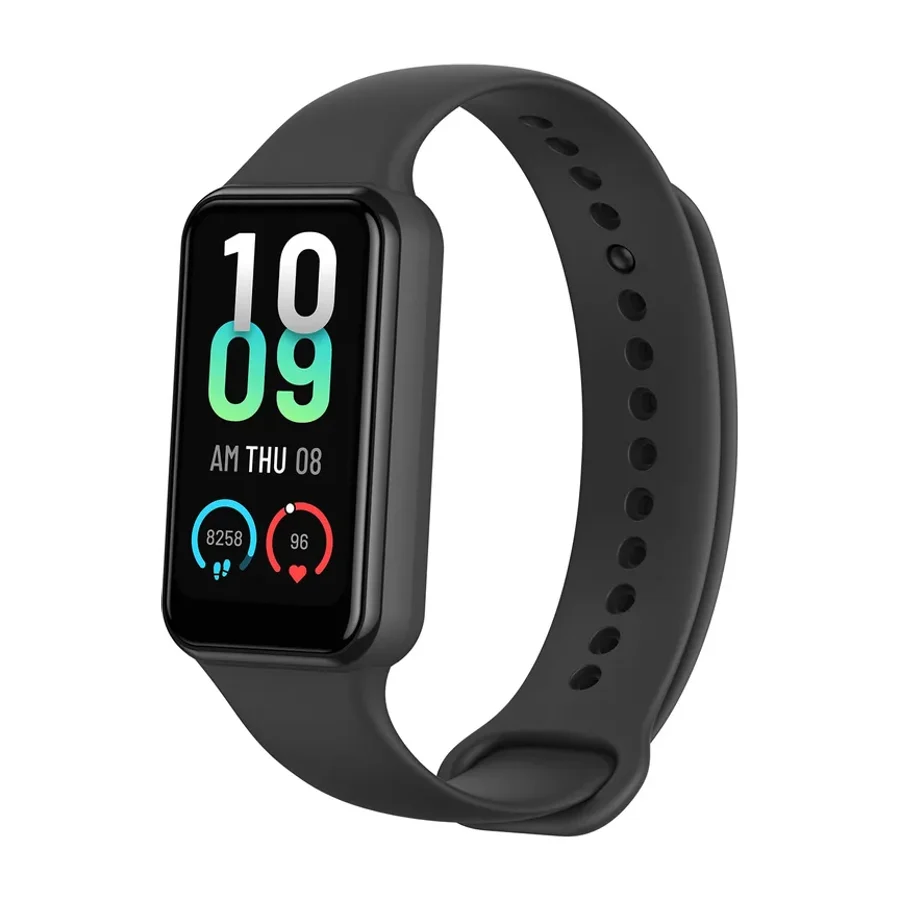
 Amazfit Band 7
 #12 2 of 3 research runs entered this as a product to avoid rather than a pick.
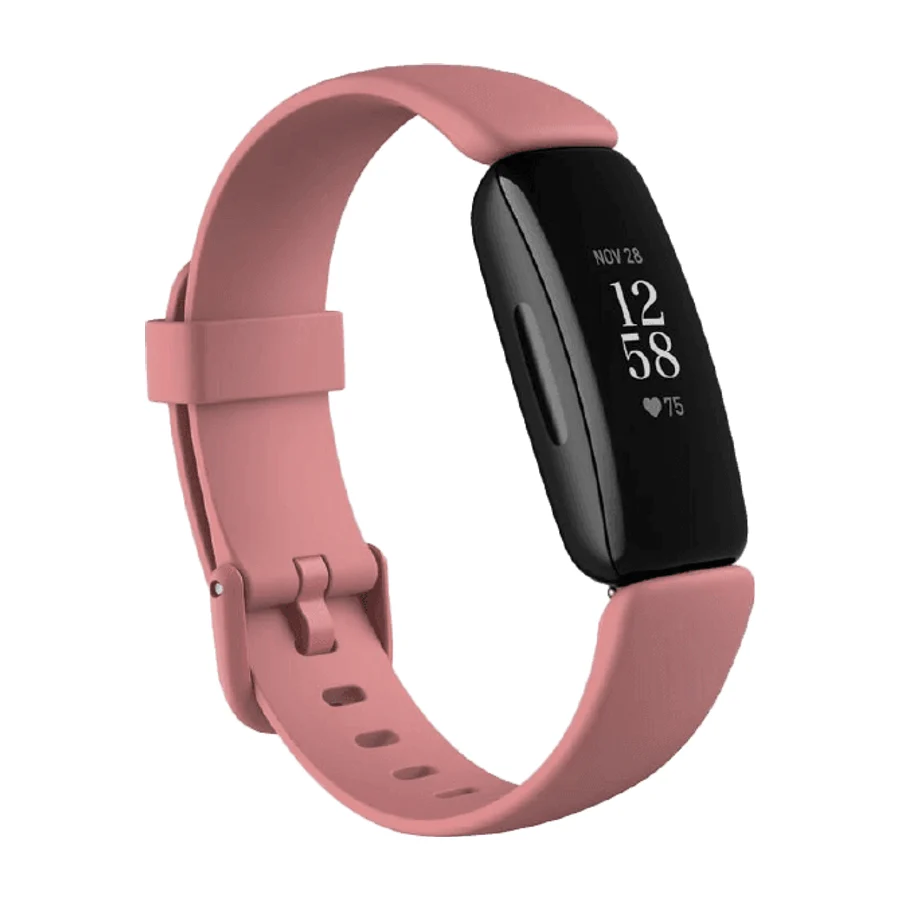
 Fitbit Inspire 2
 #13 6 of 11 research runs entered this as a product to avoid rather than a pick.
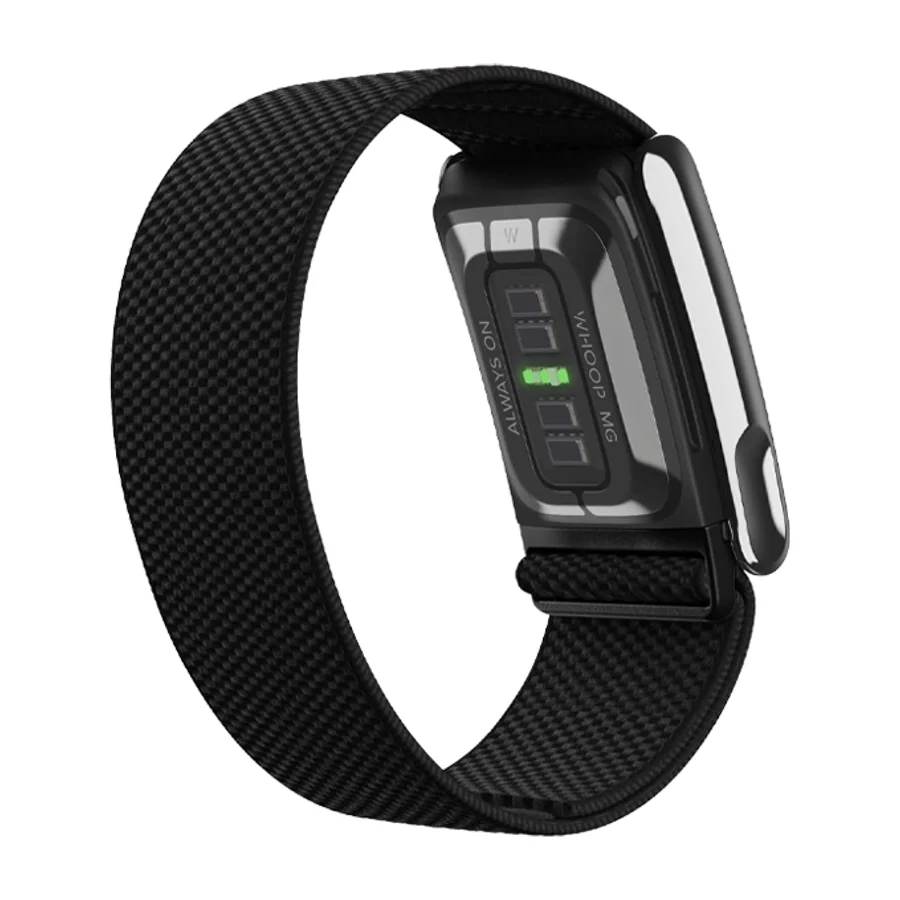
 Whoop MG
 #14 5 of 20 research runs entered this as a product to avoid rather than a pick.
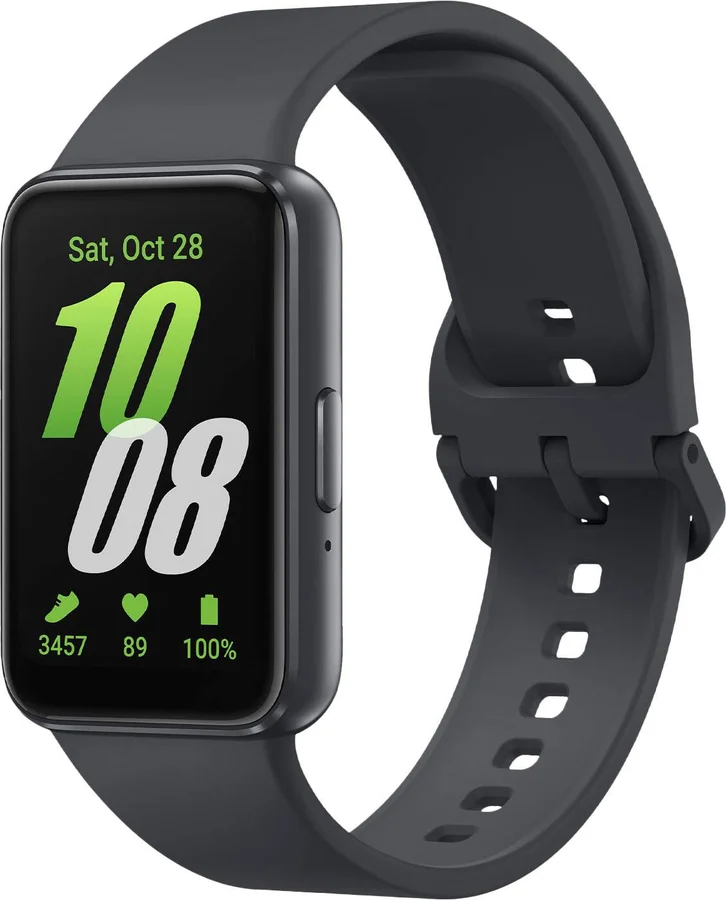
 Samsung Galaxy Fit 3
 Moved down from D to F on 13 Sept 2026 #15 6 of 17 research runs entered this as a product to avoid rather than a pick.
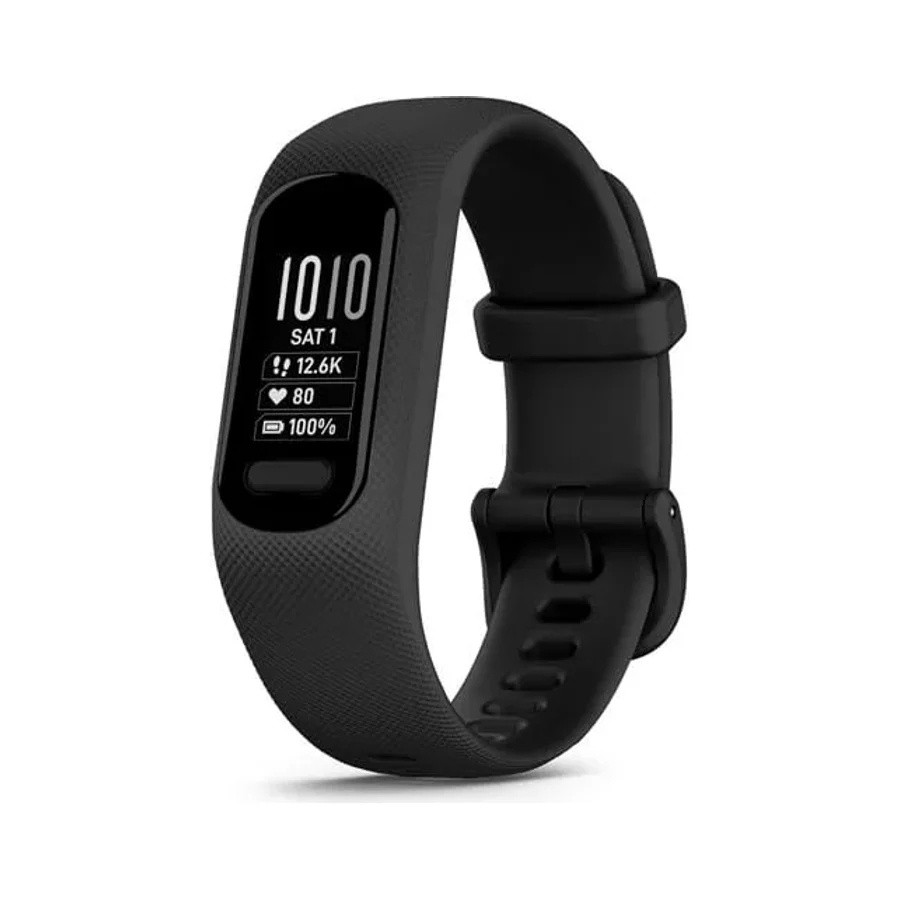
 Garmin Vivosmart 5
 Moved down from C to D on 13 Sept 2026 #16 7 of 10 research runs entered this as a product to avoid rather than a pick.
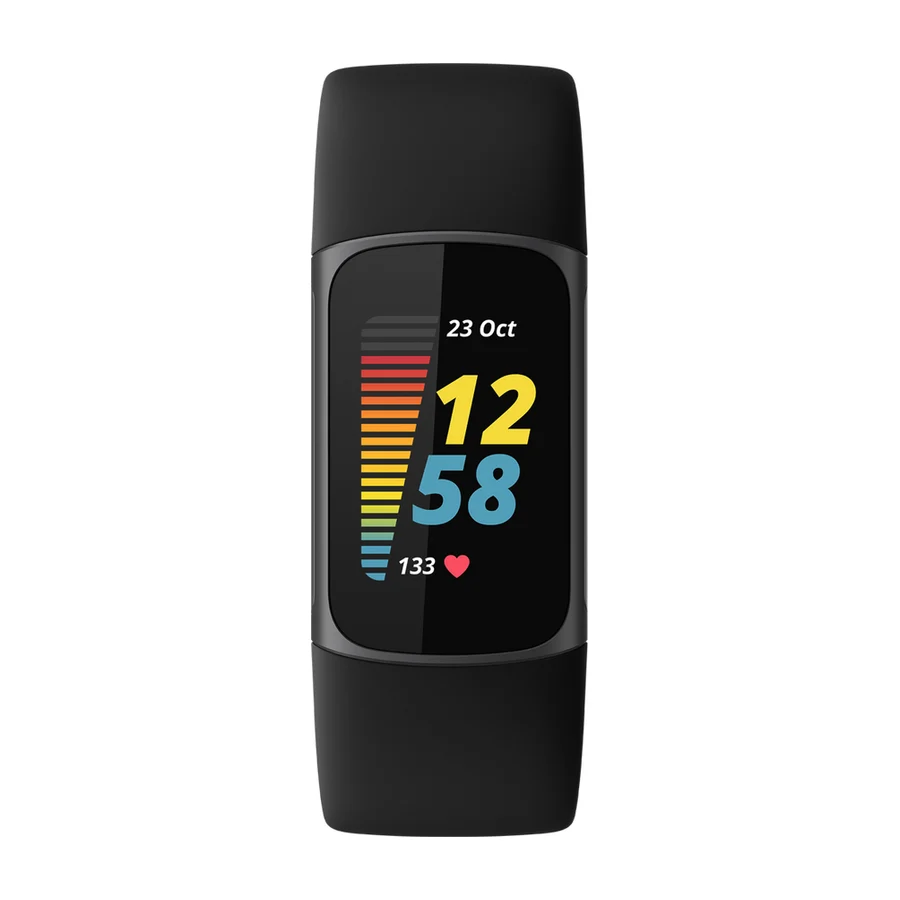
 Fitbit Charge 5
What moved on this board
31 tier changes recorded between 22 Jul 2026 and 14 Sept 2026. The 5 most recent are below.
- 13 Sept 2026 Garmin Vivosmart 5 moved down from D to F. 2 more research games. 1 source added.
- 13 Sept 2026 Fitbit Charge 5 moved down from C to D. 1 more research game. 1 source added.
- 13 Sept 2026 Polar Loop moved up from D to C. 2 more research games.
- 13 Sept 2026 Xiaomi Smart Band 10 moved down from B to C. 2 more research games.
- 7 Aug 2026 Xiaomi Smart Band 10 moved up from C to B. From the ranking, not from new evidence.
Each line shows what else changed at the same publish. It is not a statement of cause.
Frequently asked questions
Fitbit Charge 6 sits at #1 in the S tier of our consolidated board, ranked across independent research runs over 591 cited reviews, videos and discussions. CNET's current best fitness tracker overall with a proven multi-year track record the newest models cannot yet show. Slightly behind the Charge 7 only because its firmware clock started earlier.
Fitbit Inspire 3 ranks #2 (S tier). Years on sale with a public, reliable failure record and near-universal recommendation make it the known quantity of the budget tier and the smartest buy in the category for most people.
Our research places Amazfit Helio Strap, Polar Loop, Whoop 5.0, Fitbit Alta HR, Amazfit Band 7, Fitbit Inspire 2, Whoop MG, Samsung Galaxy Fit 3, Garmin Vivosmart 5, Fitbit Charge 5 in the bottom tiers (D/F). Amazfit Helio Strap: Screen-free, subscription-free and long-running. A strong value alternative for recovery-focused buyers who find Whoop's membership model off-putting.
More in Phones & Wearables
Cite this board as stierproducts, “Best Fitness Trackers”, 18 Oct 2026. Free to quote with attribution and a link (terms).
Machine-readable: markdown · JSON · how we rank
Embed this board on your own site. The frame links back here, which is the attribution the terms ask for:
<iframe src="https://stierproducts.com/embed/fitness-trackers" title="Best Fitness Trackers, ranked by stierproducts" width="100%" height="456" loading="lazy" style="border:0"></iframe>