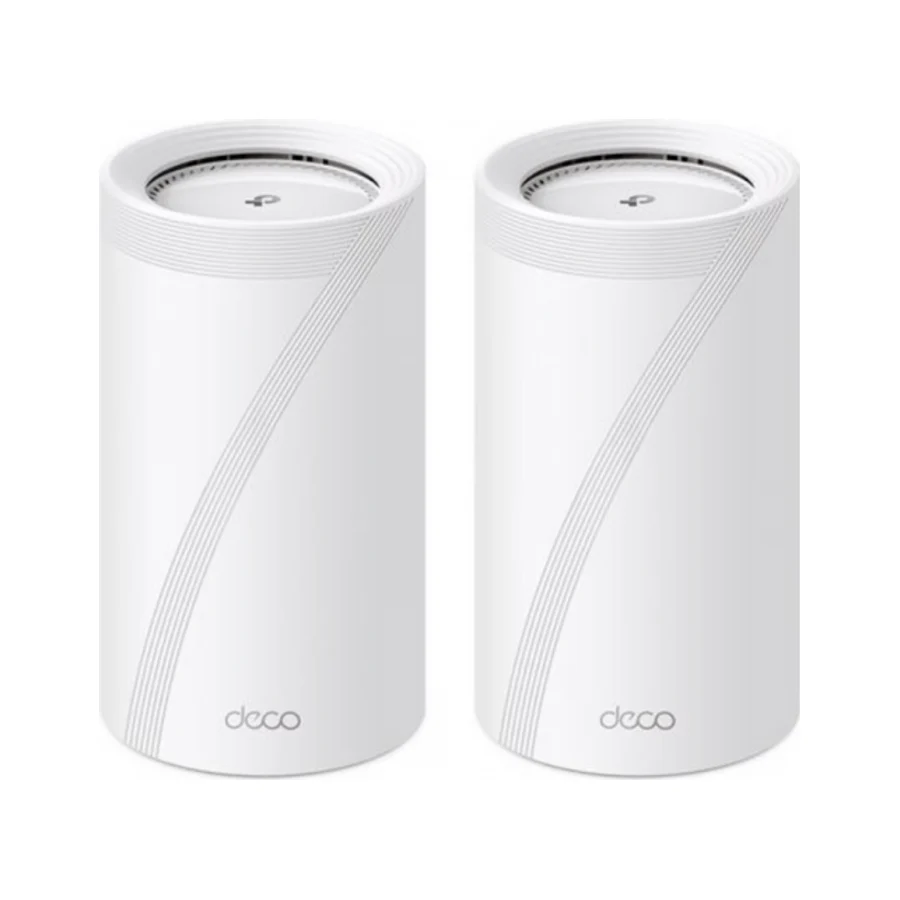
TP-Link Deco BE63
Tri-band Wi-Fi 7 with excellent longevity.
Consolidated from 18 cited sources across 15 outlets
Where the cited sources landed, as we read them
- 13 positive sources
- 2 mixed sources
- 2 unconvinced sources
Pros & cons
- ✓ Tri-band Wi-Fi 7
- ✓ Strong performance
- ✓ Robust support channel
- ✓ Competitive pricing
- ✓ TechRadar's pick as the best mesh Wi-Fi system you can buy in 2026
- ✗ TP-Link firmware support is thinner than ASUS or eero
- ✗ TP-Link's US regulatory future is a lingering ownership question
The sources behind this ranking
We searched the web and YouTube for what has been published about this product, then read the articles, video transcripts and comments we found.
Evidence 11 articles, 1 video review and 6 community sources
13 positive sources
Wireless backhaul on the BE63 is straight up magic. Showed my father and he was amazed. No wires? Just a power brick? THATS IT? He was mind blown. Just two decades ago he would have had to cut a whole bunch of holes and spend a whole day to route a few cat5 cables to even get useable internet. Now its just plug and play.Read thread D
 Deal Unboxing Deal Unboxing · 19K subscribers · Jun 2024
Overall, the build quality is great and really like the case design. It is easy to integrate into any home environment and plenty of ventilation helps the system to stay cool under heavy workloads. Now, let's do some performance coverage and speed test. So, we place the Wi-Fi 7 me system in the basement storage room. It has concrete walls around it and it is in the lowest part of the house.Watch O
 Ormsystems Article
The Deco BE63 is better for larger homes, multiple floors, thick walls, or dead zones. A single unit covers around 3,000 sq. ft., while two or three units extend coverage much further. Each node also includes four 2.5 Gbps ports for wired devices around the home.Read E
 Eneba June Derick Reyes · reviewer
The TP-Link Deco 7 BE63 delivers cutting-edge Wi-Fi 7 performance with 320 MHz channels and true mesh networking at a more accessible price point than competing flagship systems, which also makes next-generation connectivity achievable for large homes.Read P
 Pcmag Article
People who need reliable Wi-Fi throughout their entire home: Strong throughput performance and wide signal coverage are compelling reasons to consider the BE63 mesh kit for your whole-home networking needs.Read H
 Home Office Research Article
The three-node BE63 kit is rated for roughly 7,600 sq ft — more floor area than any two-node system in this guide — and the three-node topology is an underrated advantage in its own right.Read I Instagram Instagram post
I’ve been testing the TP-Link Deco 7 Pro BE63 around my house, and it’s been a solid upgrade for getting more consistent Wi-Fi coverage in the areas farther away from my main router.View post C
 CNET Kaylyn McKenna · reviewer
If you’re dealing with lagging internet or Wi‑Fi dead zones at home, it might be time to invest in a mesh Wi‑Fi router for more reliable coverage.Read P
 PC Guide Sebastian Kozlowski · reviewer
Now, if you have a lot of range to cover, a mesh router is the way to go, and the TP-Link Deco 7 Pro BE63 is just the one for it.Read P
Pcmag Shubham Yewale · reviewer The TP-Link Deco BE63 delivers blistering Wi‑Fi 7 speeds and whole‑home coverage in a sleek, easy‑to‑use package.Read T
 TechGearLab Austin Palmer · reviewer
For example, if you plan to stay within 10 feet of the node, the TP-Link Deco BE63 may be a better option.Read R
 Roon Labs Community Article
I have the Deco BE63 system. The house is 7000sq.ft. No issues with connectivity even in the yard.Read I Instagram Instagram post
Perfect for large multi-floor homes, helping eliminate dead zones and buffering.View post
2 mixed sources

2 unconvinced sources
You won't be able to make the most of it, you'll likely lose the seamless roaming features (it will "roam", but the switch from one AP to the other will take longer and requires further tinkering). You can go with that and replace it by anything... Or you can change everything to another brand to have access to the ecosystem's improved network features. But that means: spending more and having toRead thread H r/HomeNetworking u/TheMickeyMoose · owner
Just running an ethernet cable or MOCA adapter is better value. Latency will be consistently lower.Read thread
1 stance not read source

Frequently asked questions
It ranks #3 of 16 on our mesh wi-fi systems tier list, in A tier. That placement draws on 18 cited sources across 15 outlets.
2 of the 17 sources with a clear view are critical of it: r/HomeNetworking and r/TpLink. TP-Link firmware support is thinner than ASUS or eero. TP-Link's US regulatory future is a lingering ownership question.
On our mesh wi-fi systems board, eero Pro 7 ranks #2 (S tier) ahead of TP-Link Deco BE63 at #3 (A tier). eero Pro 7: Best overall ownership experience: fast, reliable firmware, solid warranty.
On our mesh wi-fi systems board, TP-Link Deco BE63 ranks #3 (A tier) ahead of TP-Link Deco BE85 at #6 (B tier). TP-Link Deco BE85: Frequent bugs, high failure rate.
Ranked nearby in Mesh Wi-Fi Systems
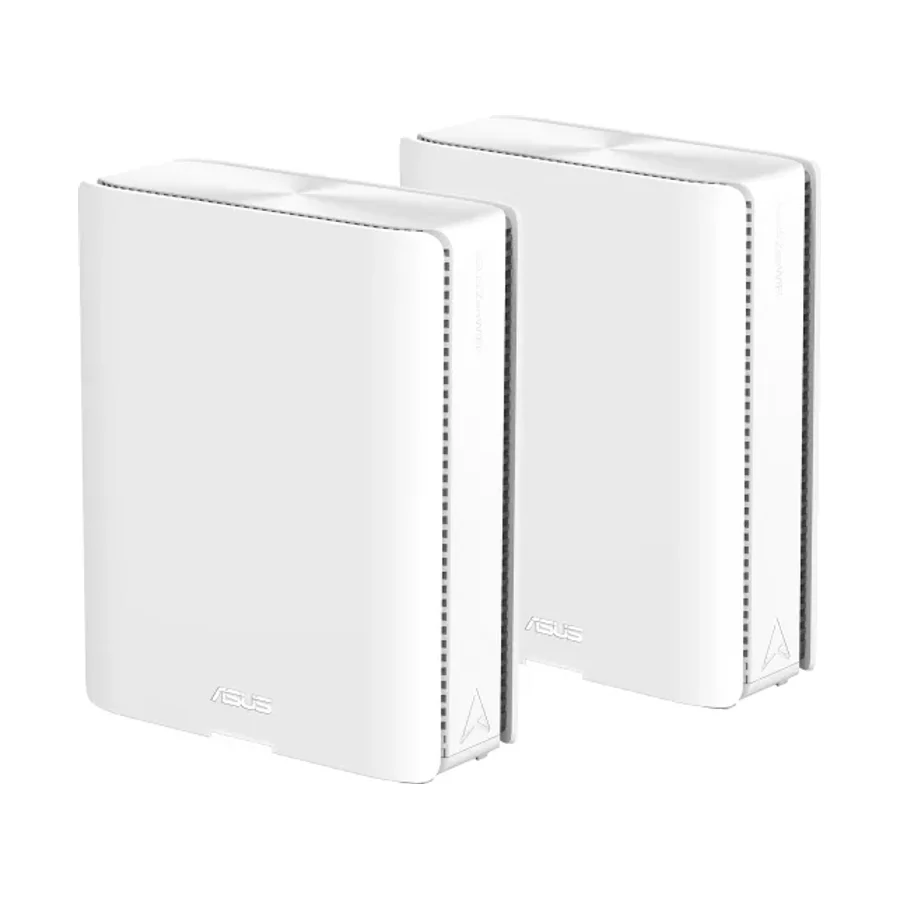 S tier #1
ASUS ZenWiFi BQ16 Pro
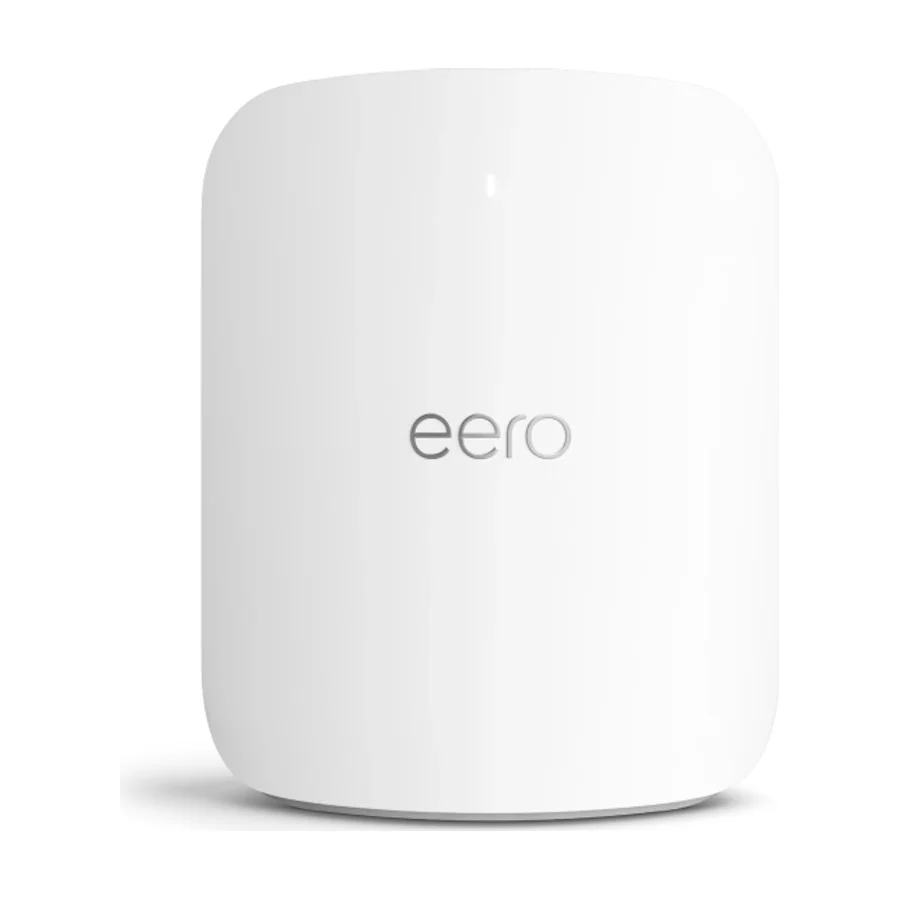 S tier #2
eero Pro 7
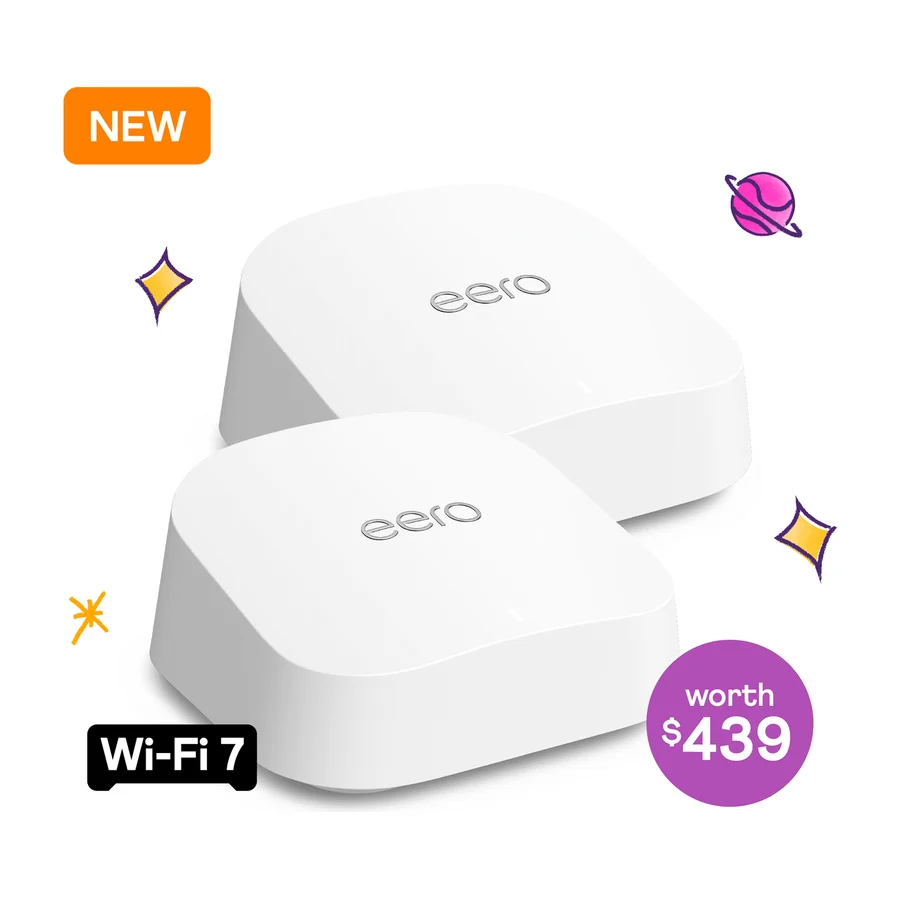 B tier #4 1 of 7 research runs entered this as a product to avoid rather than a pick.
Amazon eero 7
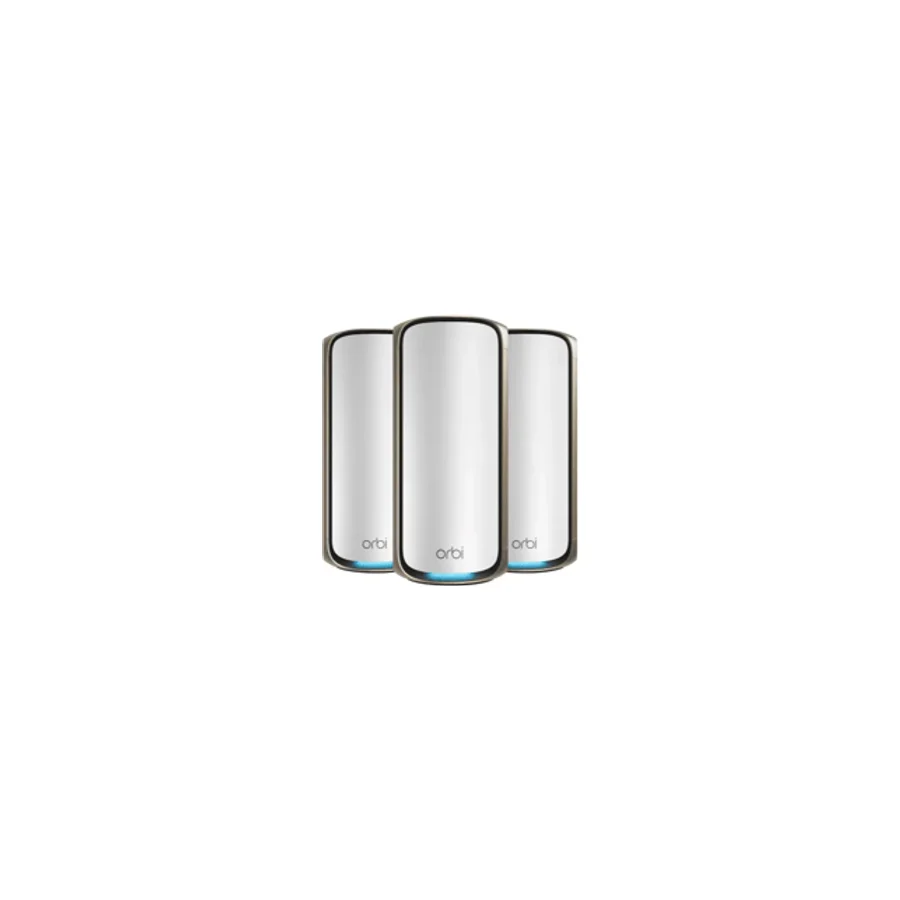 B tier #5 1 of 8 research runs entered this as a product to avoid rather than a pick.
Netgear Orbi 970
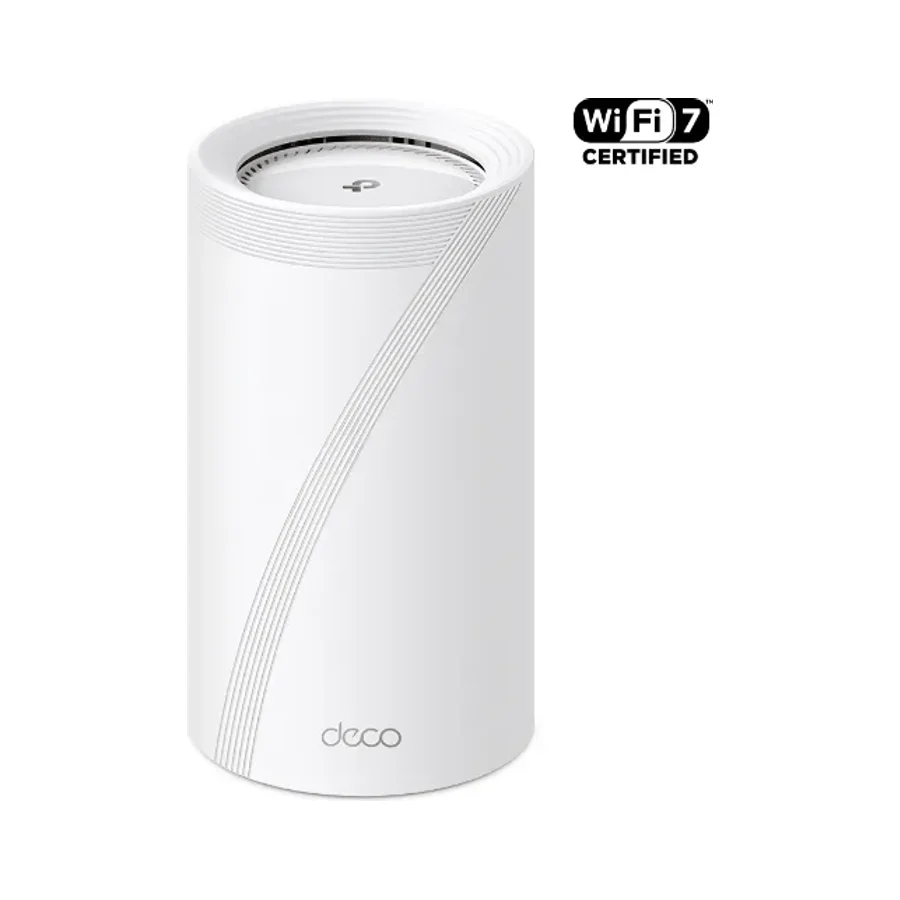 B tier #6 1 of 9 research runs entered this as a product to avoid rather than a pick.
TP-Link Deco BE85
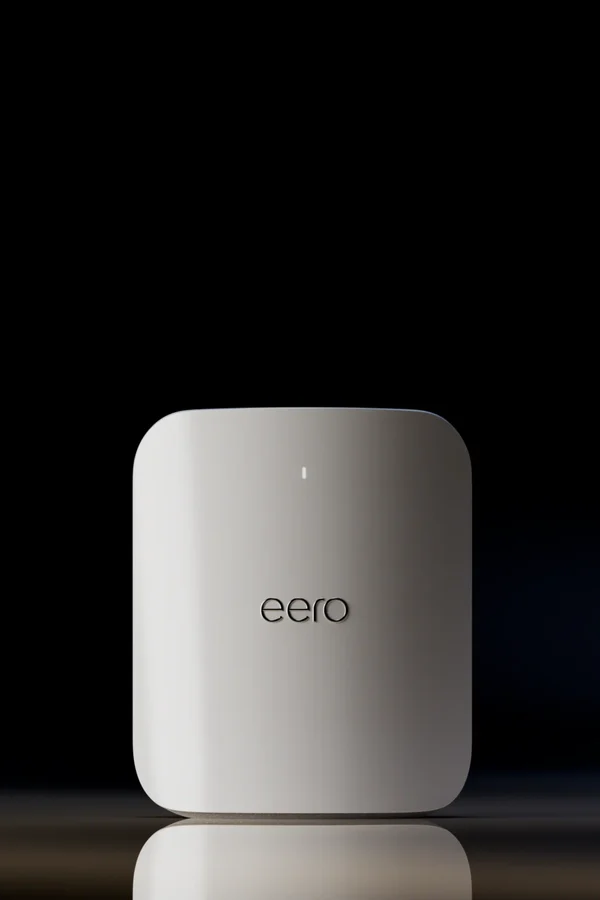 C tier #7 2 of 9 research runs entered this as a product to avoid rather than a pick.
Amazon eero Max 7
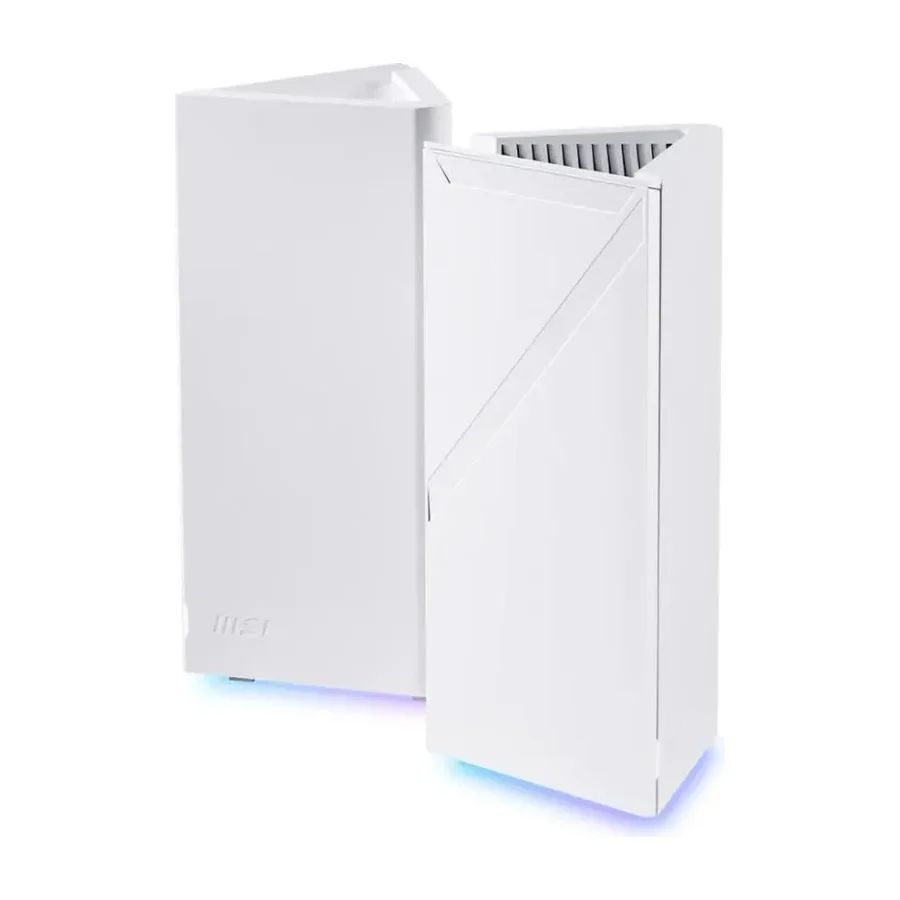 C tier #8 1 of 3 research runs entered this as a product to avoid rather than a pick.
MSI Roamii BE Pro
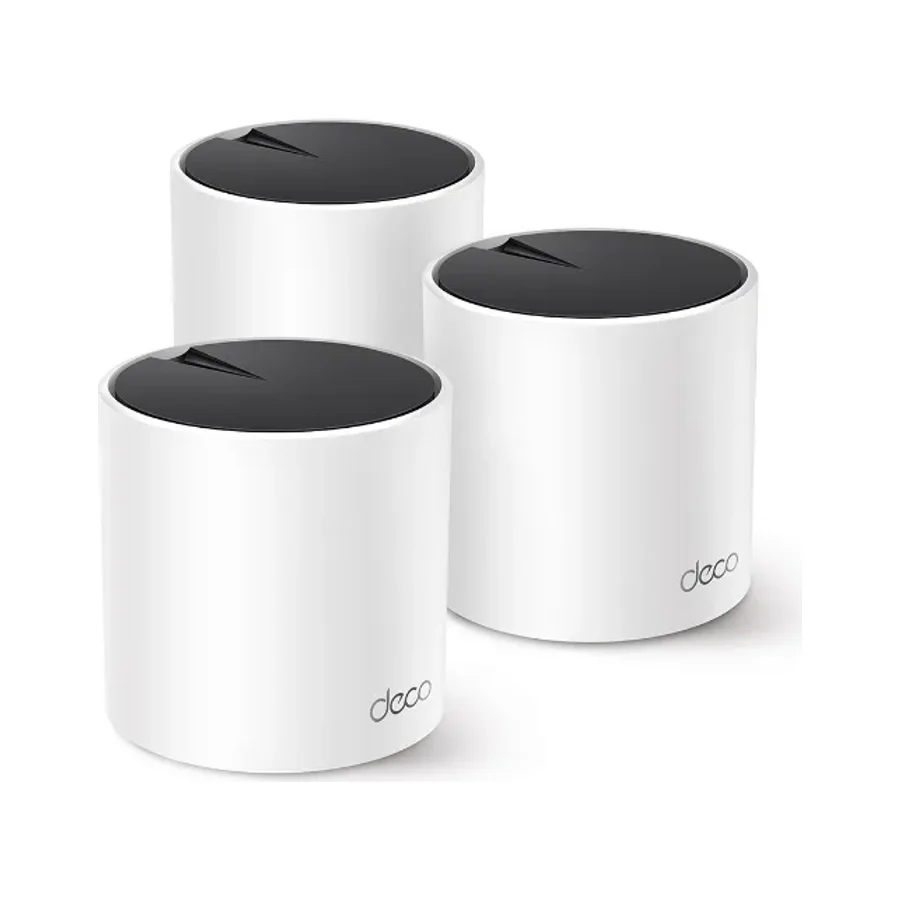 F tier #14 3 of 7 research runs entered this as a product to avoid rather than a pick.
TP-Link Deco X55
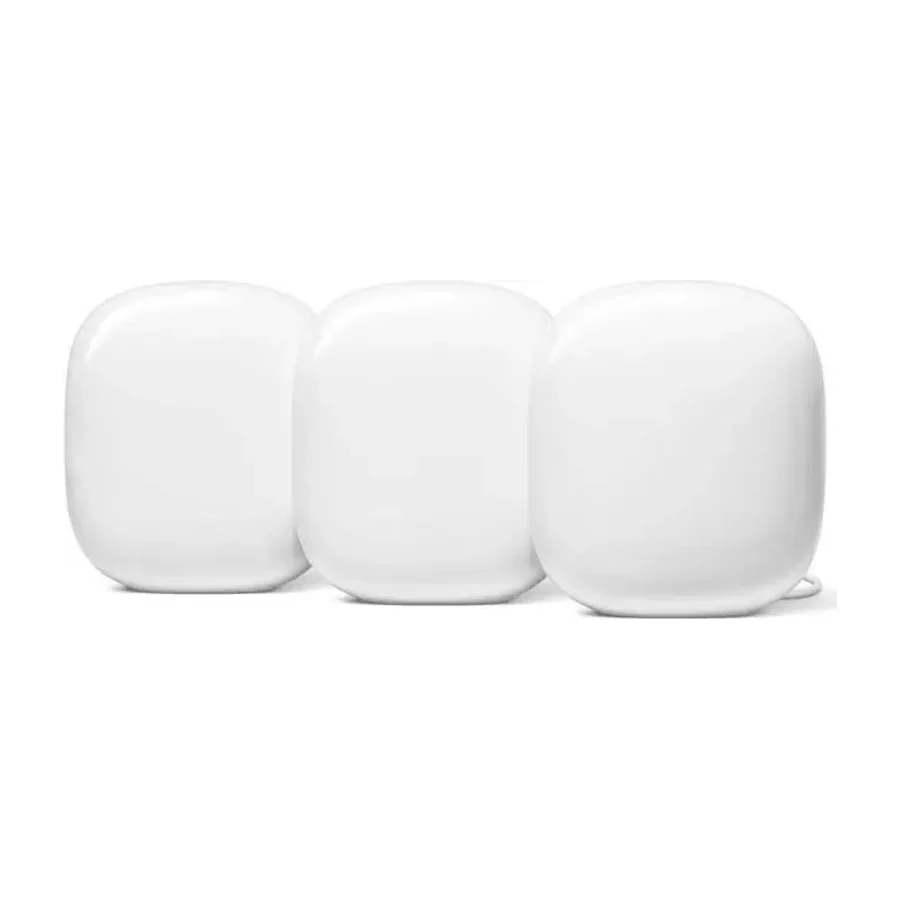 F tier #15 4 of 9 research runs entered this as a product to avoid rather than a pick.
Google Nest Wifi Pro
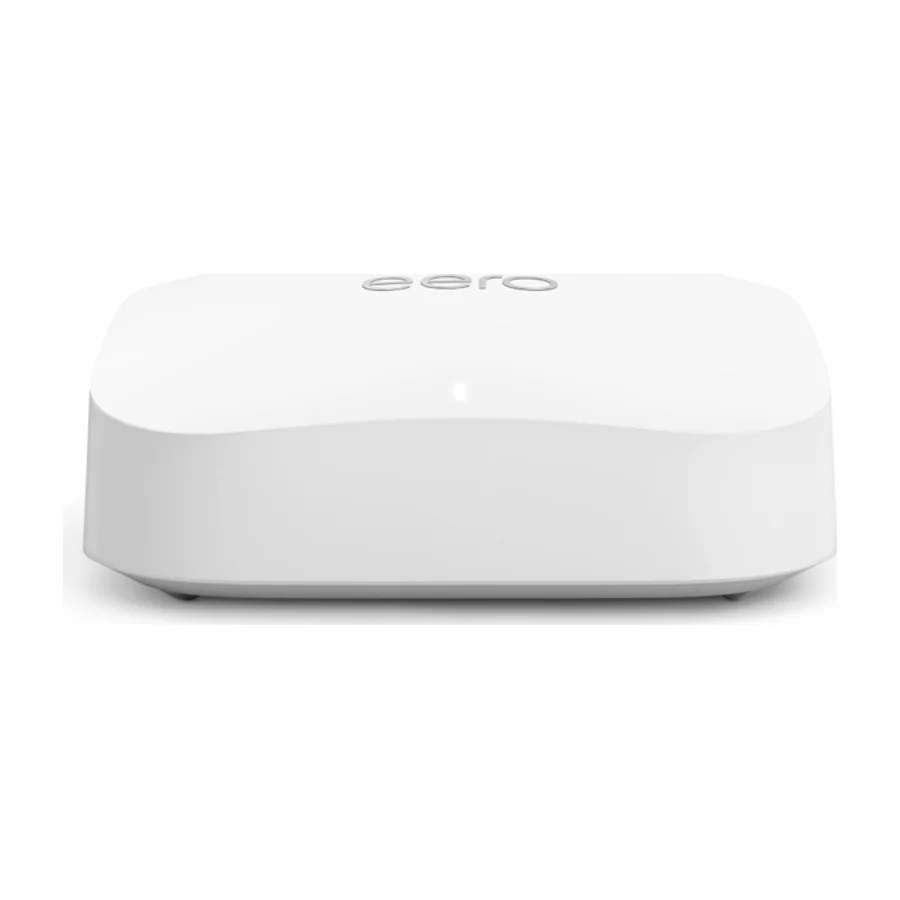 F tier #16 4 of 7 research runs entered this as a product to avoid rather than a pick.