Best Retro Handhelds

Compare Retro Handhelds

18 ranked products · Two to 4 at a time · Updated 23 Sept 2026

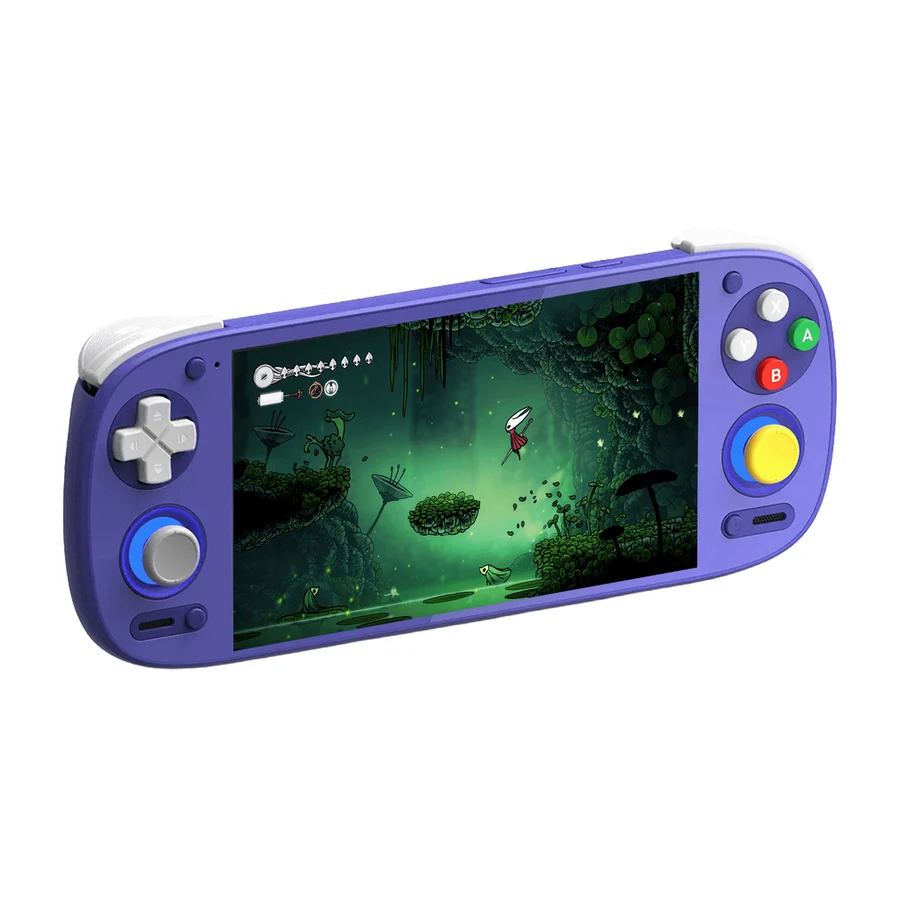
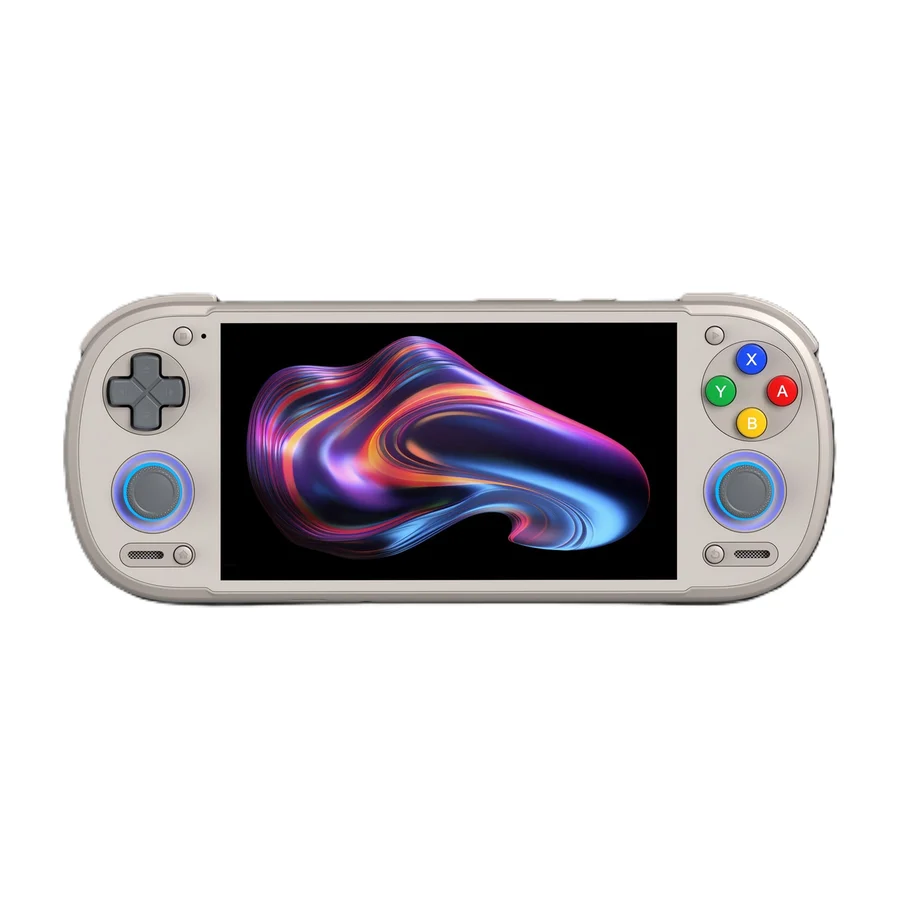
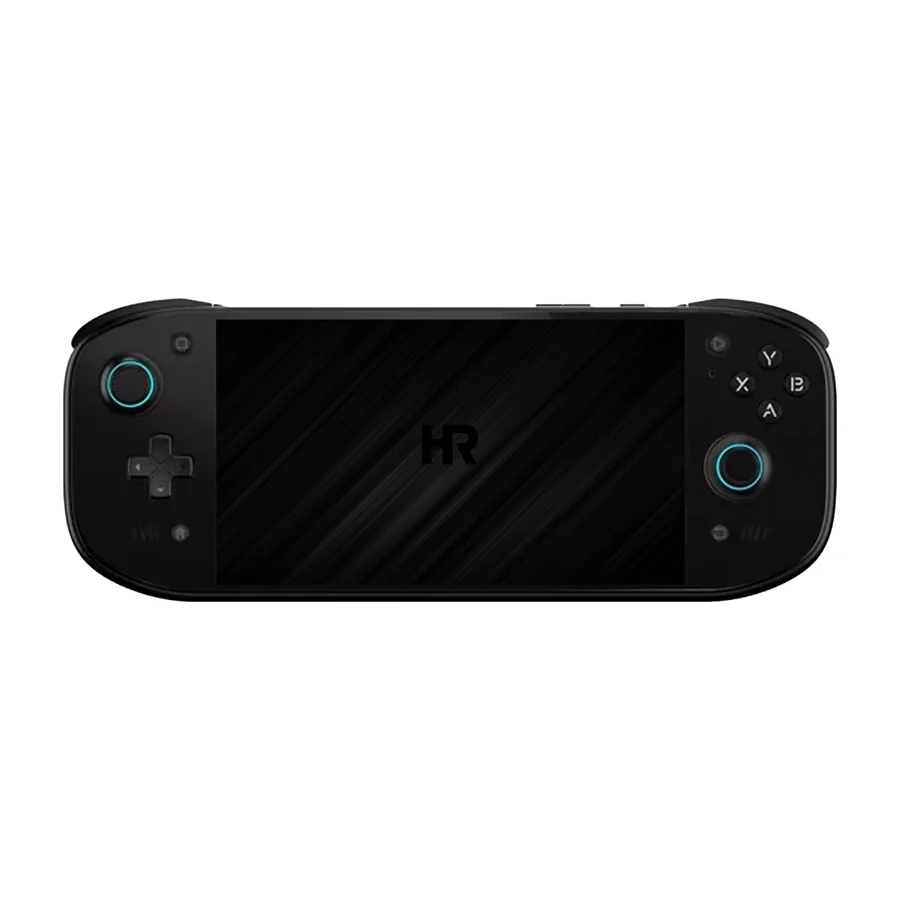
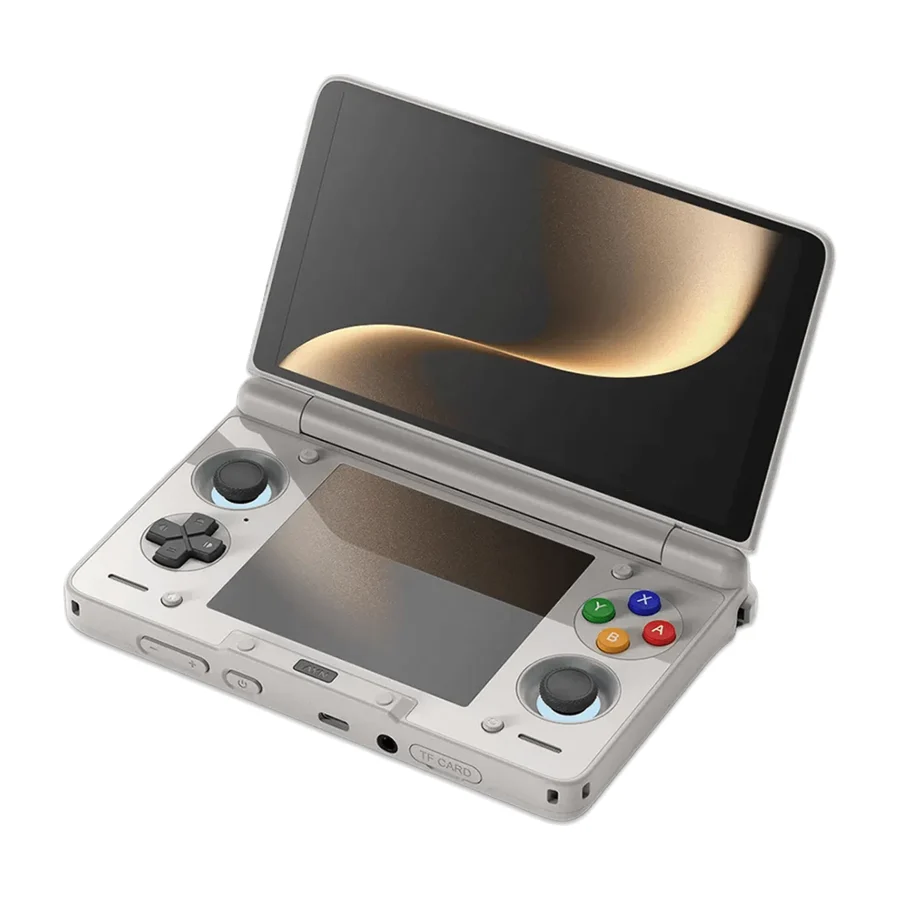
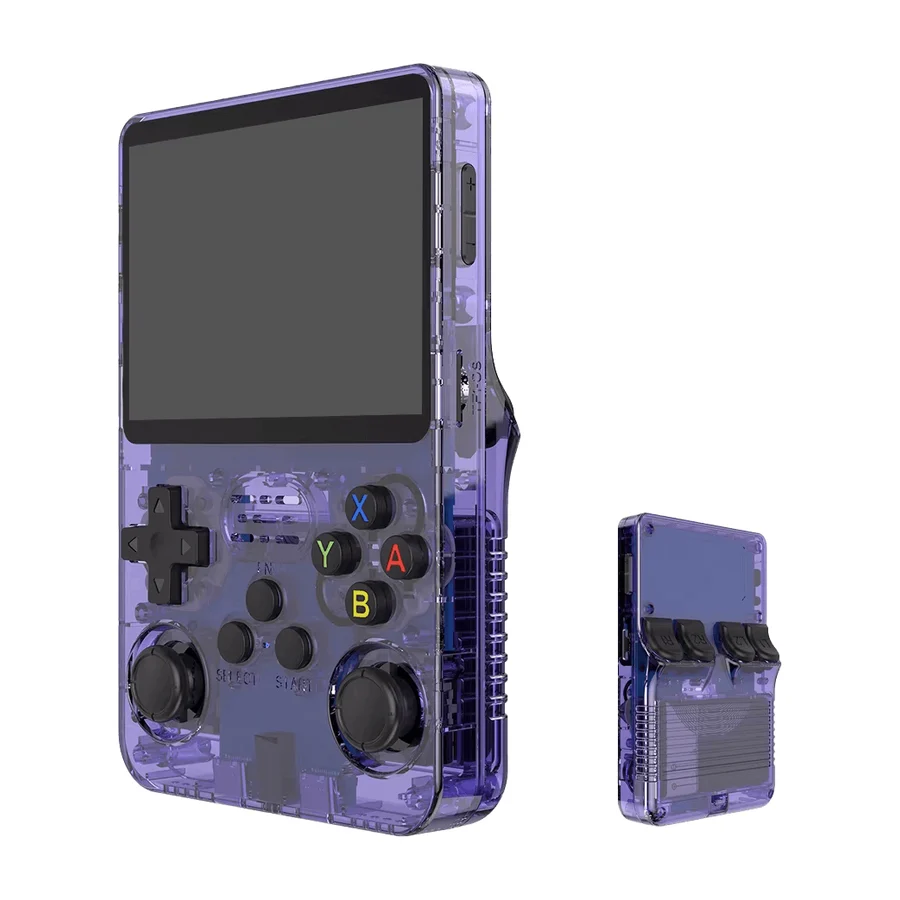
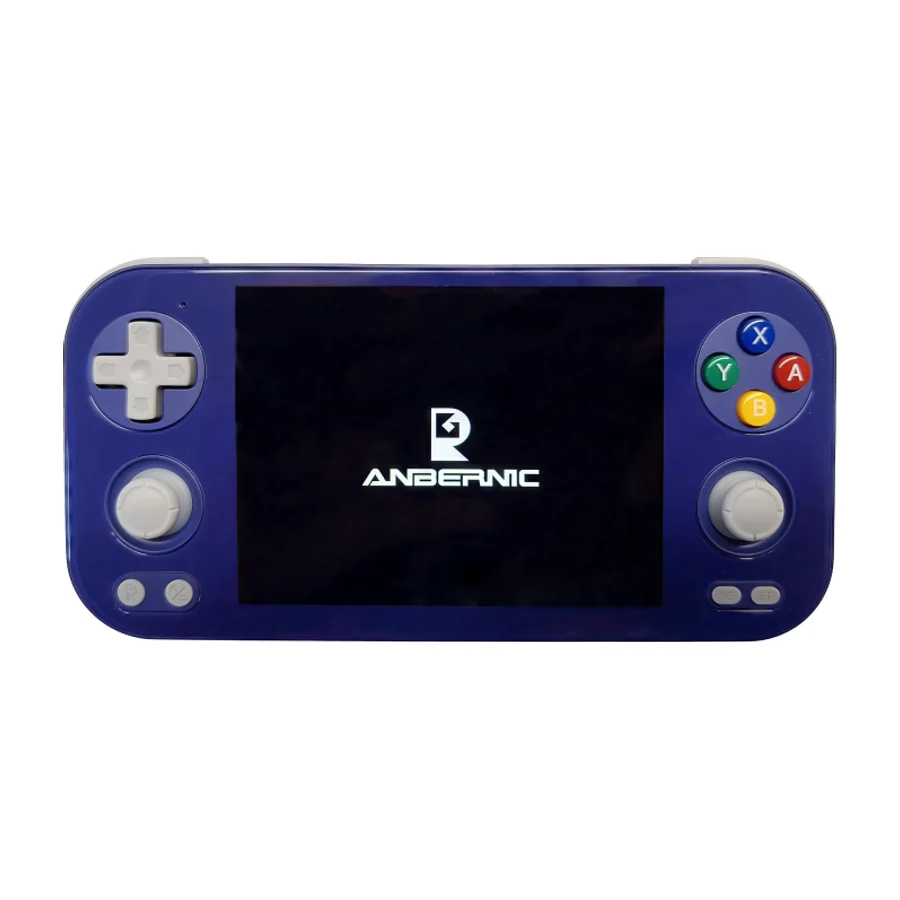
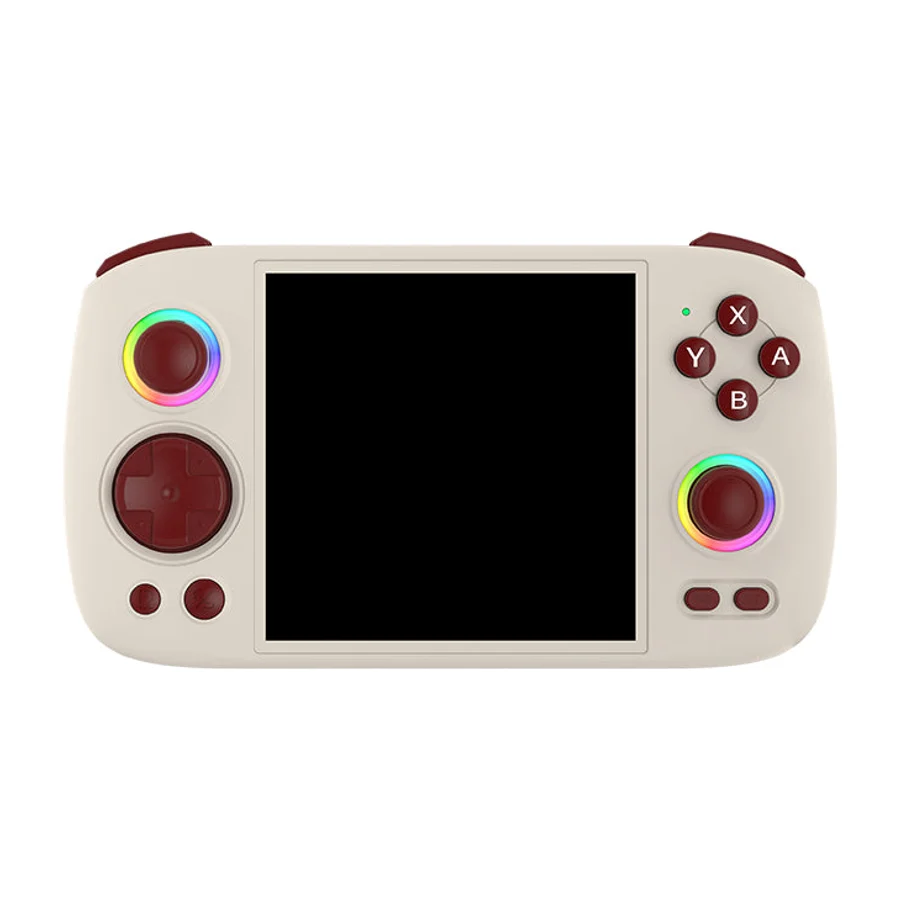
Pick any two to four of the 18 ranked retro handhelds and read them side by side. This page opens on the board's top 3, Retroid Pocket 5, Retroid Pocket 6 and AYN Odin 2 Portal.

Choose what to compare

3 of 4 chosen

S
A
B
C
D
F
Retro Handhelds compared side by side. Each column is one product, each row is one measure taken from the same research that built the board.
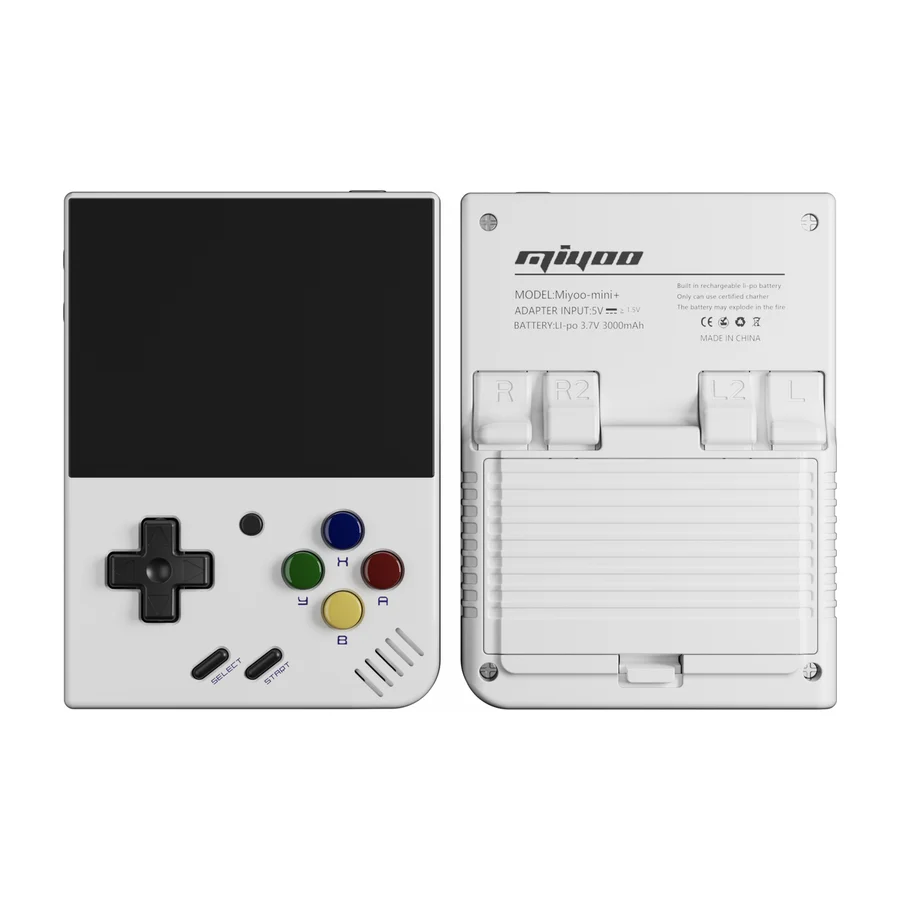
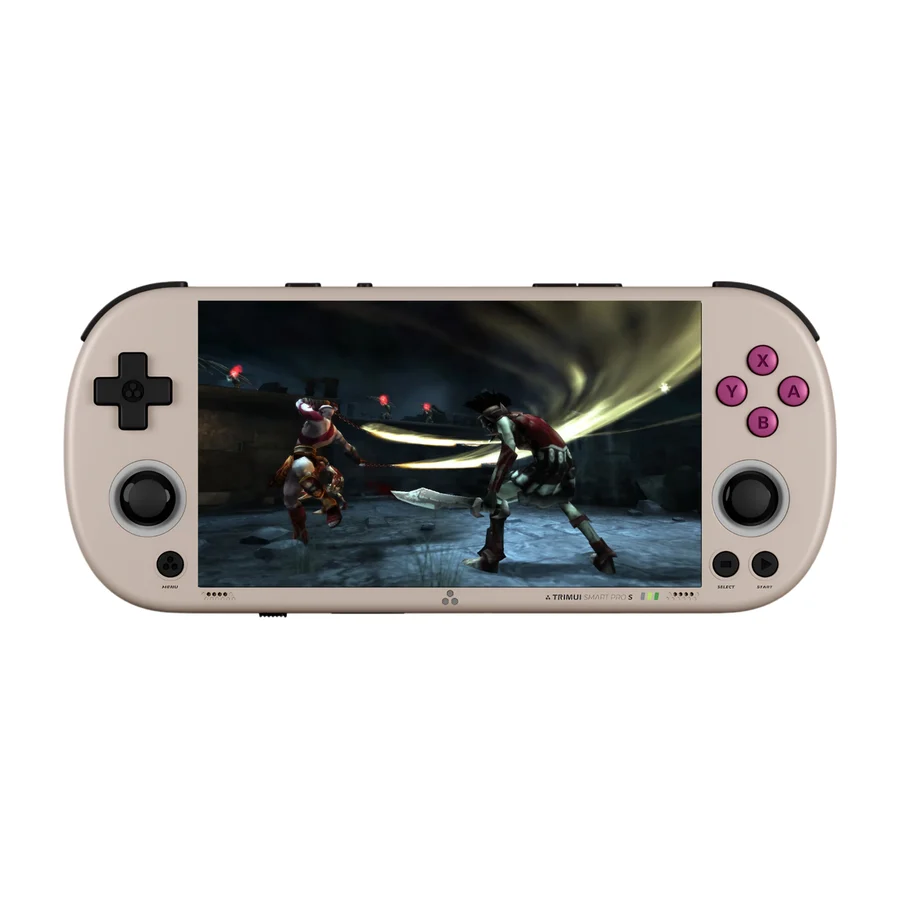
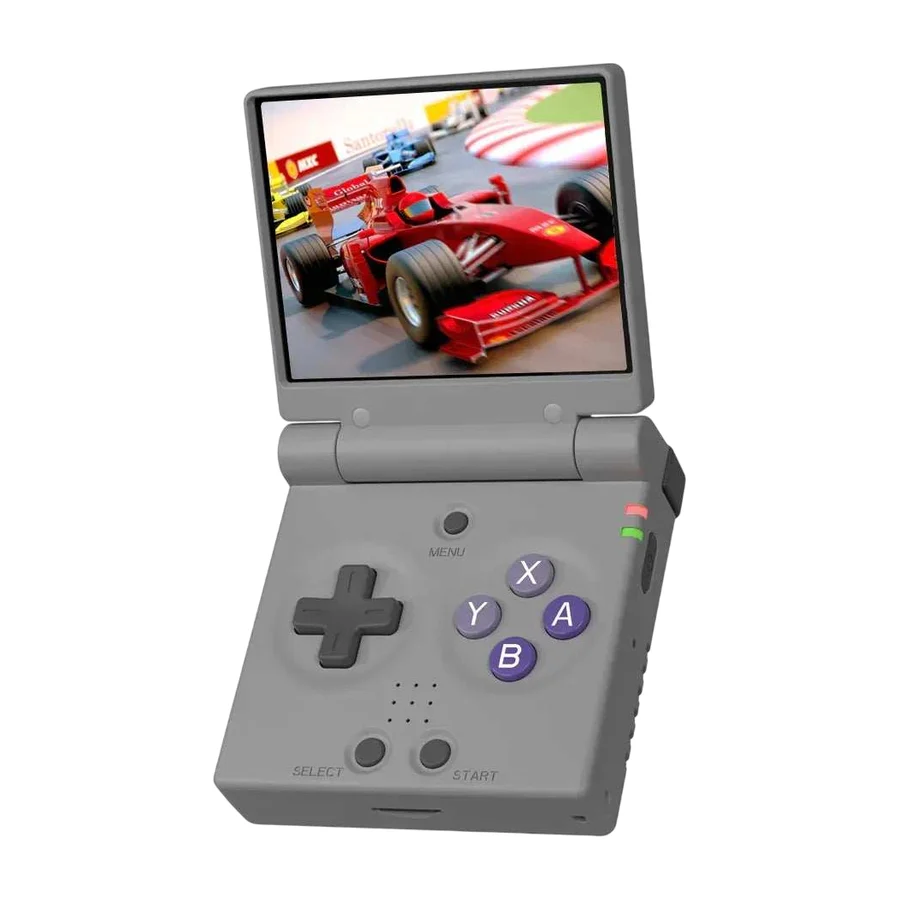
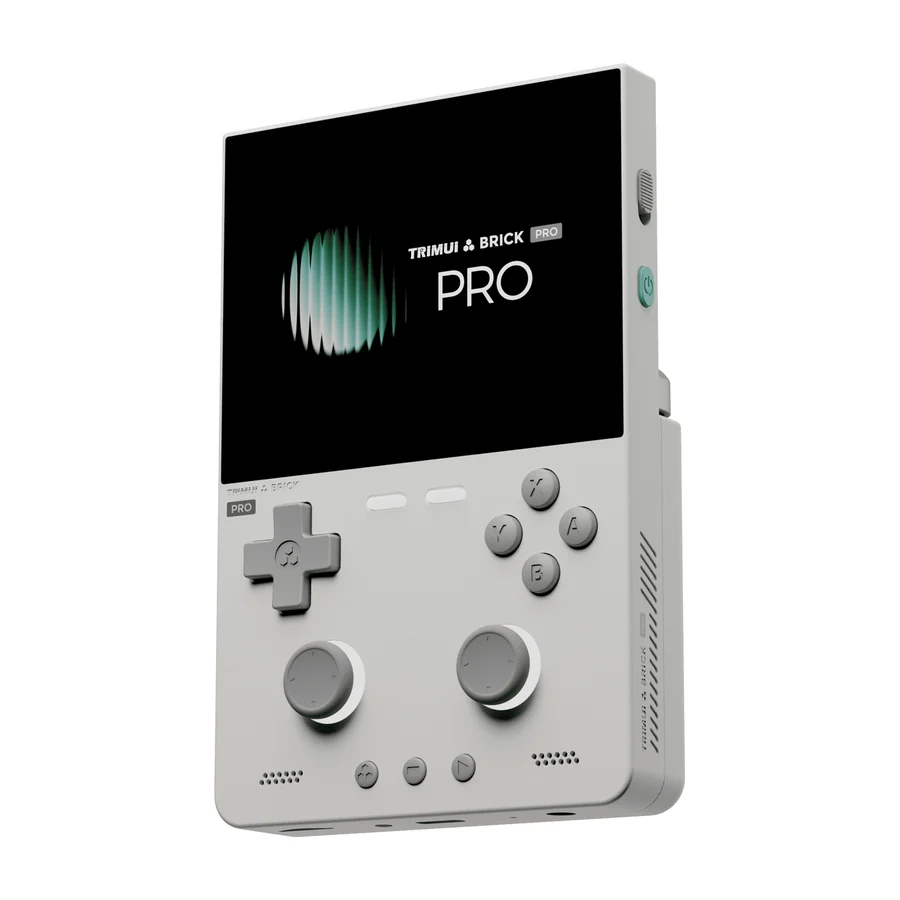
Measure Retroid Pocket 5 Retroid Retroid Pocket 5 Retroid Pocket 6 Retroid Retroid Pocket 6 AYN Odin 2 Portal AYN AYN Odin 2 Portal Analogue Pocket Analogue Analogue Pocket Anbernic RG28XX Anbernic Anbernic RG28XX Anbernic RG Cube Anbernic Anbernic RG Cube Retroid Pocket Flip 2 Retroid Retroid Pocket Flip 2 Retroid Pocket Classic Retroid Retroid Pocket Classic AYN Thor AYN AYN Thor R36S R36S R36S Anbernic RG476H Anbernic Anbernic RG476H Anbernic RG Cube XX Anbernic Anbernic RG Cube XX Miyoo Mini Plus Miyoo Miyoo Mini Plus Trimui Smart Pro S Trimui Trimui Smart Pro S Miyoo Mini Flip Miyoo Miyoo Mini Flip TRIMUI Brick TRIMUI TRIMUI Brick Retroid Pocket 4 Pro Retroid Retroid Pocket 4 Pro AYN Odin 2 (original) AYN AYN Odin 2 (original)
Tier S A A A B B C C C C C C D D D D F F
Rank on this board 1 of 18 2 of 18 3 of 18 4 of 18 5 of 18 6 of 18 7 of 18 8 of 18 9 of 18 10 of 18 11 of 18 12 of 18 13 of 18 14 of 18 15 of 18 16 of 18 17 of 18 18 of 18
Ladder points 997 LP 776 LP 755 LP 696 LP 611 LP 507 LP 495 LP 471 LP 451 LP 441 LP 423 LP 421 LP 351 LP 349 LP 324 LP 244 LP 122 LP 0 LP
Our verdict The retro-first recommendation from Engadget with Retroid's best-in-class firmware longevity behind it. The safest all-round ownership in the category. Newest Retroid with the brand's support reputation, ranked here only because long-term field data does not exist yet. The current best Android handheld with active firmware development behind it. Nothing better to own long term. Flagship build quality and a vendor with a proven multi-year support record. The only device here that feels like it will outlive the hobby. GamesRadar's best budget pick with excellent build quality, but its tiny screen limits it against the Miyoo Mini Plus for usability. GamesRadar's best retro handheld with the best controls in the business. Android support is good but Anbernic's software record trails Retroid's. Shares Android Authority's best-value verdict with the Pocket 5 and adds a genuinely well-executed folding design. Nothing in the retrieved source set covers it at all, and that tracks with the wider consensus: it was Retroid's most heavily marketed 2025 release and drew sustained criticism as an expensive niche device, a premium-built vertical Game Boy form factor that plays only the simplest retro systems and costs close to Retroid's full-size Android handhelds. Buyers cross-shop it because of the marketing push. Buy the Retroid Pocket 5 instead. Best dual-screen device available and well built, but hinge and lid-closed quirks keep it out of the top three under a reliability lens. Buggy OS and stock SD cards that owners report fail readily, plus a counterfeit epidemic. The definition of a device that reviews well and dies in eighteen months. Buy the Miyoo Mini Plus instead. Excellent Anbernic hardware quality, but the reviewer's own "same problems" verdict on the software side holds it back. A solid, simple budget device with Anbernic build quality. Ranked below the pricier picks because its support ecosystem is thinner. Simple, proven, and carried by a huge custom-firmware community. Little to break and easy to keep alive for a decade. The best widescreen Linux pick for the money, with controls reviewers describe as class-leading. Stock firmware is serviceable, and the huge community firmware scene around the Trimui line means the device will keep improving long after the vendor loses interest. Nothing in the retrieved set covers it directly, which is itself telling: RetroCatalog names the Miyoo Mini Plus, not the Flip, as its beginner pick. The Flip's widely documented hinge and quality-control problems made it the cautionary tale of its release window. Buy the Miyoo Mini Plus instead. RetroCatalog's best-overall budget device and the community's answer to the hyped cheap handhelds. Excellent for its class, outclassed by everything above it. Still decent and still supported, but twice superseded. Buying it now means buying old hardware when the Retroid Pocket 5 exists. Genuinely well built, which is why it beats the other traps, but it is superseded by the Portal and one generation from firmware sunset. Buy the AYN Odin 2 Portal instead.
What reviewers rate
  • Android device that hits the sweet spot for emulating older consoles
  • Named the best-value Android handheld by Android Authority
  • Multi-year track record of shipping firmware fixes and Android updates for older models
  • Handles GameCube and PS2 emulation
  • Newest Retroid model
  • Inherits the brand's best-in-class firmware support habit
  • Counted by the r/Handhelds community among Retroid's decent current options
  • Strong upper-mid-tier performance
  • Modern chipset that will stay relevant for years rather than months
  • AYN has a reputation for continuous firmware attention on the Odin line
  • Strongest combination of power, ergonomics and vendor support in the category
  • Named the best Android gaming handheld overall by Android Authority
  • FPGA-accurate playback
  • Premium industrial design built like a consumer product rather than a batch-run device
  • Vendor has shipped firmware updates and cartridge support for years
  • Named Best for Cartridge Collectors with one of the highest scores in PCMag's retro handheld roundup
  • Named the best budget retro handheld by GamesRadar
  • Fantastic build quality at a budget price
  • Genuinely tiny vertical device
  • Nails the 8/16-bit and PS1 range
  • Awarded best retro gaming handheld by GamesRadar
  • Excellent controls, repeatedly singled out as the best in the affordable tier
  • Square 1:1 screen is the correct shape for the consoles it targets
  • Runs full Android
  • Best-value Android gaming handheld according to Android Authority
  • Clamshell form factor with the same class of performance as the RP5
  • One of the two devices to grab at its tier per the RetroHandhelds community
  • Shares platform strengths and support of Pocket 5
  • Dedicated 4:3 vertical device for Game Boy and pre-2000 libraries
  • Named Best Vertical in Retro Catalog's mid-range guide
  • Compact pocketable form factor
  • Superb 3.92-inch AMOLED screen
  • Ranked the best dual-screen Android handheld on the market and one of the best retro handhelds in general
  • Strong AYN firmware cadence
  • Largely positive full review from Joey's Retro Handhelds
  • The cheapest credible way into DS and 3DS-style dual-screen play
  • Named Best Overall Value in the under-100 class
  • Highest score in the budget class with the most verified reviews of any tracked device
  • Plays the full 8/16-bit and PS1 library flawlessly
  • The default community recommendation for new buyers
  • Confirms Anbernic's lead in button quality
  • Everything just works, per RetroDodo's review
  • Anbernic hardware consistently survives years of daily carry better than budget peers
  • Among the two best options in the mid-range bracket
  • Named the best 1:1 aspect-ratio device in its class by Retro Catalog
  • Same excellent Anbernic buttons as its bigger sibling
  • Simple Linux device with few moving parts to break
  • Gets square-screen Game Boy, Game Boy Color and Neo Geo Pocket playback right
  • Named Best for Beginners by Retro Catalog
  • One of the largest custom-firmware ecosystems in the hobby, so it stays supported long after rivals stop getting updates
  • Simple hardware with little to fail
  • Named Best for Beginners in the budget roundup
  • Buttons possibly the best in any handheld, per Retro Game Corps
  • Strong performance on PSP, Dreamcast and N64
  • Large community firmware scene guarantees long-term usefulness
  • Excellent button feel
  • Excellent build quality with rock-solid 8 and 16-bit emulation and a great screen
  • Vastly improved build over Miyoo's earlier flip attempt, with a much smoother hinge
  • Clamshell lid protects the screen and controls in a pocket
  • Mature Onion OS software
  • Best overall budget handheld according to RetroCatalog
  • Community steers buyers to it over cheap pre-loaded devices
  • Metal body provides genuine build-quality advantage
  • Active community firmware keeps it current
  • Still counted by the r/Handhelds community as one of Retroid's decent options
  • Keeps Retroid's firmware-support reputation behind it
  • Still actively sold and supported
  • Plays pretty much every GameCube and PS2 game
  • Honestly built hardware
  • Still delivers near-flagship Android performance
  • Two-plus years in the field with no systemic failure story
  • Arguably the most proven Android retro handheld still available
Where it falls short
  • Trails the Retroid Pocket 6 on screen and power
  • Priced high enough for its class that the value edge dulls slightly
  • Widescreen form factor appeals to a narrower audience
  • Most of its Snapdragon horsepower sits idle during retro emulation
  • Costs far more than devices that deliver the same retro experience
  • Vendor firmware updates are not the fastest in the business
  • Flagship premium for raw power
  • Only plays cartridges you own and does not come preloaded
  • With cartridge costs added, the most expensive route to 8 and 16-bit gaming
  • Firmware updates arrive slowly
  • Cartridge adapter rollouts have dragged
  • Tiny screen limits usability against pocketable rivals
  • Limited headroom for demanding emulation
  • Limited scope compared to larger devices
  • Anbernic's software support record trails Retroid's
  • Premium positioning hard to justify for retro-only buyers
  • The RG Cube XX delivers the same square-screen idea for a fraction of the money
  • Costs more than its nearly identical XX sibling
  • Hinge failures developed within months for reviewers and owners alike
  • Owners report offloading the device secondhand
  • Hinge durability remains a potential concern
  • Higher cost due to hinge reduces pure value
  • Expensive for the limited retro systems it supports
  • Lacks coverage in specialist reviews, indicating low recommendation
  • Niche form factor serving a narrower library
  • Ergonomics limit comfort during marathon sessions
  • Video output can cut out when the lid closes
  • Dual-screen hinges are a category-wide wear risk to watch
  • Dual-screen retro is a niche use case
  • Price reflects the niche appeal
  • OS can be buggy
  • Stock micro SD cards are very cheap and prone to fail
  • Struggles with N64 and heavier 3D titles, only suited to 8 to 16-bit and PS1 content
  • Clone epidemic means many buyers receive a fake with zero support
  • The software side still lags the hardware
  • T820 chip underperforms compared to Snapdragon alternatives
  • Specialist verdict split, indicating mixed reception
  • Anbernic's usual software rough edges
  • Community firmware ecosystem is younger than rivals'
  • Anbernic's support is impersonal
  • Narrower use case than more universally capable handhelds
  • Weaker chipset than square-screen budget rivals
  • Miyoo's official firmware pipeline has stalled more than once
  • Cannot handle 3D systems
  • Covers fewer heavy systems than the R36S
  • Shipped card quality is a known weak point in the budget category
  • Stock microSD cards cause stuttering and corruption
  • Stock firmware is a weak link affecting reliability
  • Ships with a generic slow microSD card that can cause stutter and corruption; plan to replace it on day one
  • Absent from current recommendation lists
  • The hinge is a long-term wear item
  • PS1 ceiling keeps it out of the top six
  • Small buttons compromise ergonomics
  • Small size is the main owner complaint
  • Has been superseded twice
  • Outclassed by its successor for retro use
  • Fully superseded by the Retroid Pocket 5 and Flip 2
  • Outclassed hardware at its tier
  • Superseded by the Odin 2 Portal
  • One generation from end-of-life firmware attention
  • Last generation's hardware in its tier
  • Costs near-flagship money while its successor holds the crown
Evidence behind it 29 sources across 23 outlets 23 sources across 22 outlets 15 sources across 15 outlets 2 sources across 2 outlets 4 sources across 3 outlets 2 sources across 1 outlet Thin sourcing, read it as provisional 4 sources across 4 outlets 3 sources across 3 outlets 4 sources across 3 outlets 6 sources across 5 outlets 4 sources across 4 outlets 1 source across 1 outlet Thin sourcing, read it as provisional 3 sources across 3 outlets 4 sources across 3 outlets 5 sources across 5 outlets 1 source across 1 outlet Thin sourcing, read it as provisional 2 sources across 2 outlets 3 sources across 3 outlets
Flagged as one to avoid Not flagged Not flagged 1 of 12 research runs 4 of 12 research runs Not flagged Not flagged 1 of 6 research runs 1 of 5 research runs Not flagged 4 of 12 research runs 1 of 4 research runs Not flagged 1 of 11 research runs 1 of 5 research runs 1 of 3 research runs Not flagged 7 of 11 research runs 9 of 10 research runs
Announced Not recorded Not recorded Not recorded Not recorded Not recorded Not recorded Not recorded Not recorded Not recorded Not recorded Not recorded Not recorded Not recorded Not recorded Not recorded Not recorded Not recorded Not recorded
Where to buy Check it Check it Check it Check it Check it Check it Check it Check it Check it Check it Check it Check it Check it Check it Check it Check it Check it Check it

Every column is the same research that built the board. Nothing here is a specification sheet copied from a maker. Read how we rank for what a tier and a ladder point mean.