Best Dehumidifiers
17 products ranked across 116 cited reviews, videos and discussions · Updated 13 Sept 2026
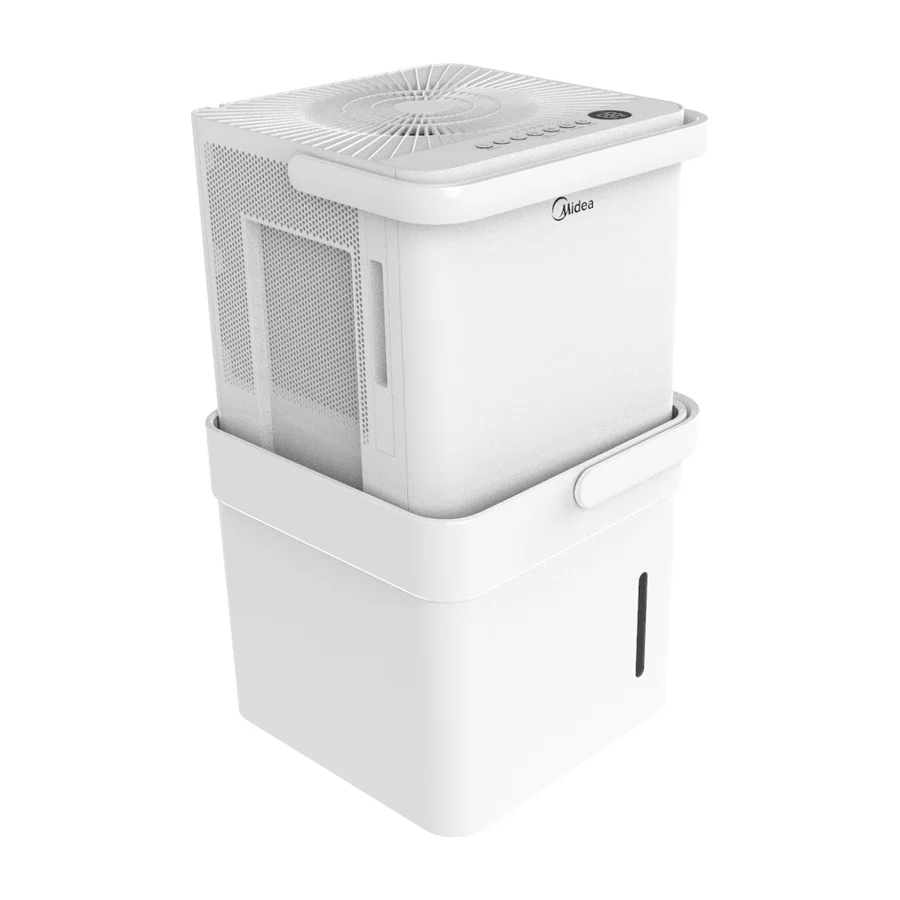
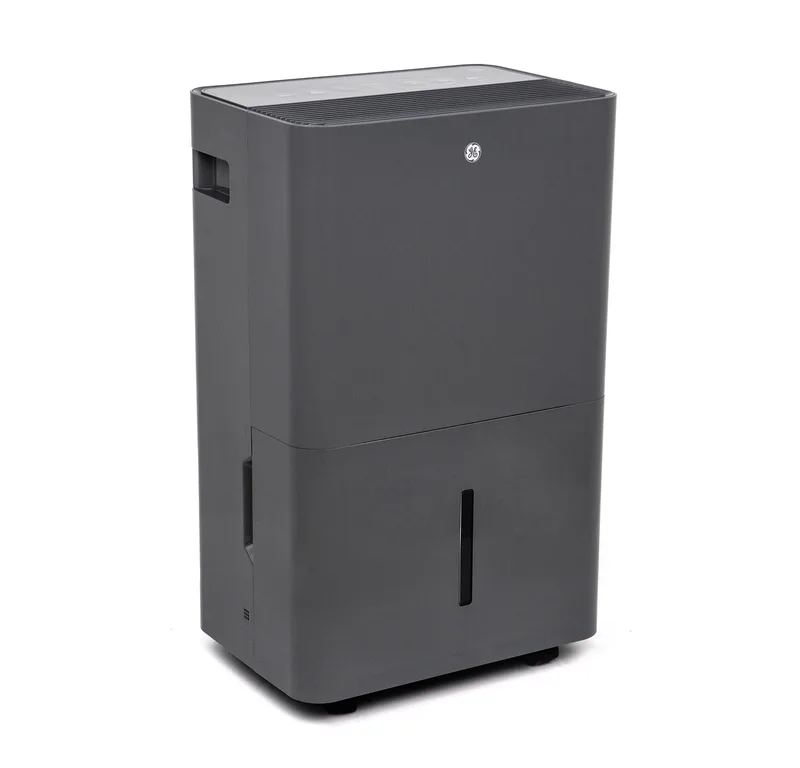
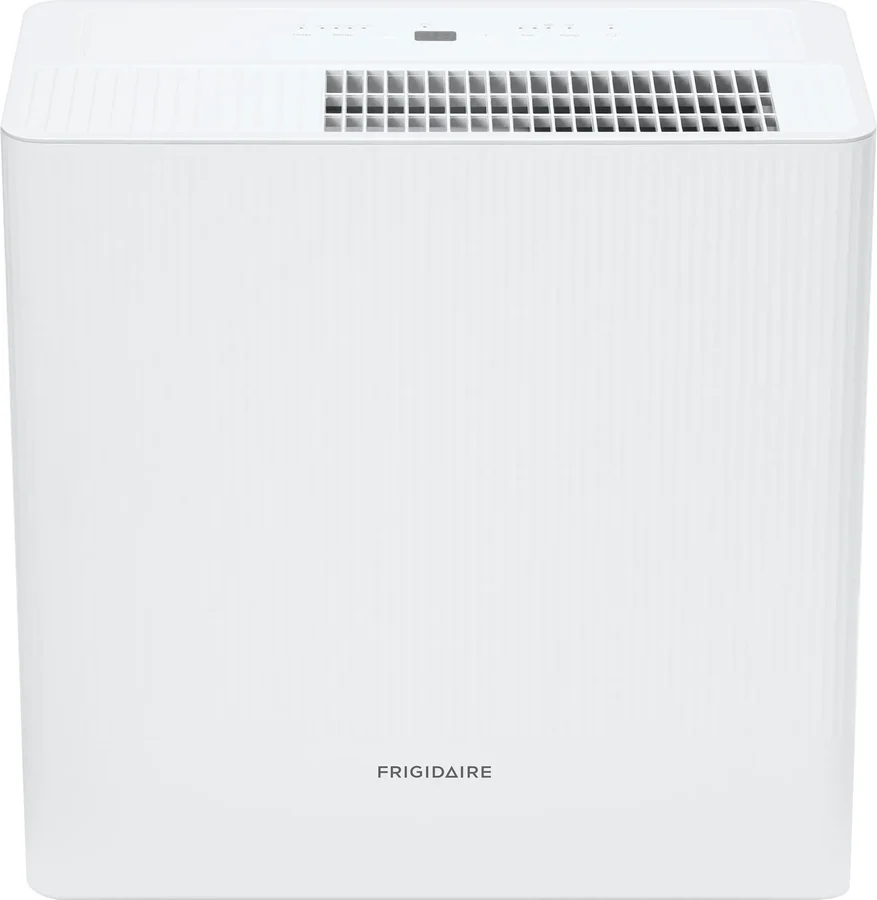
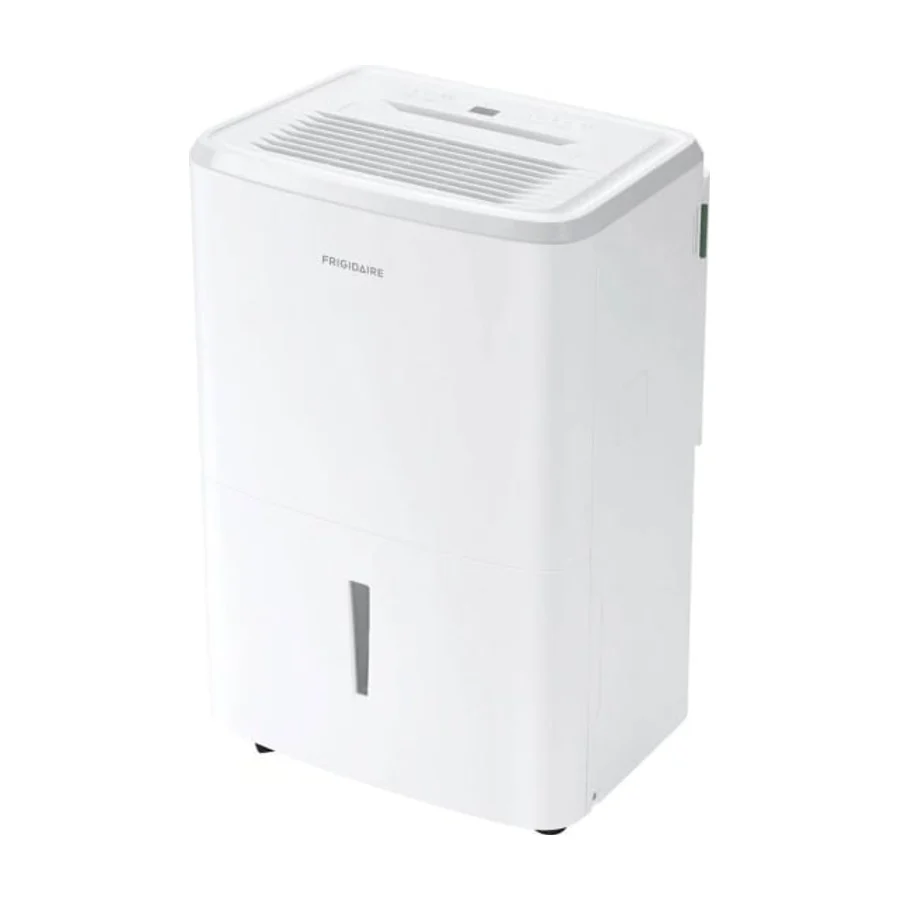
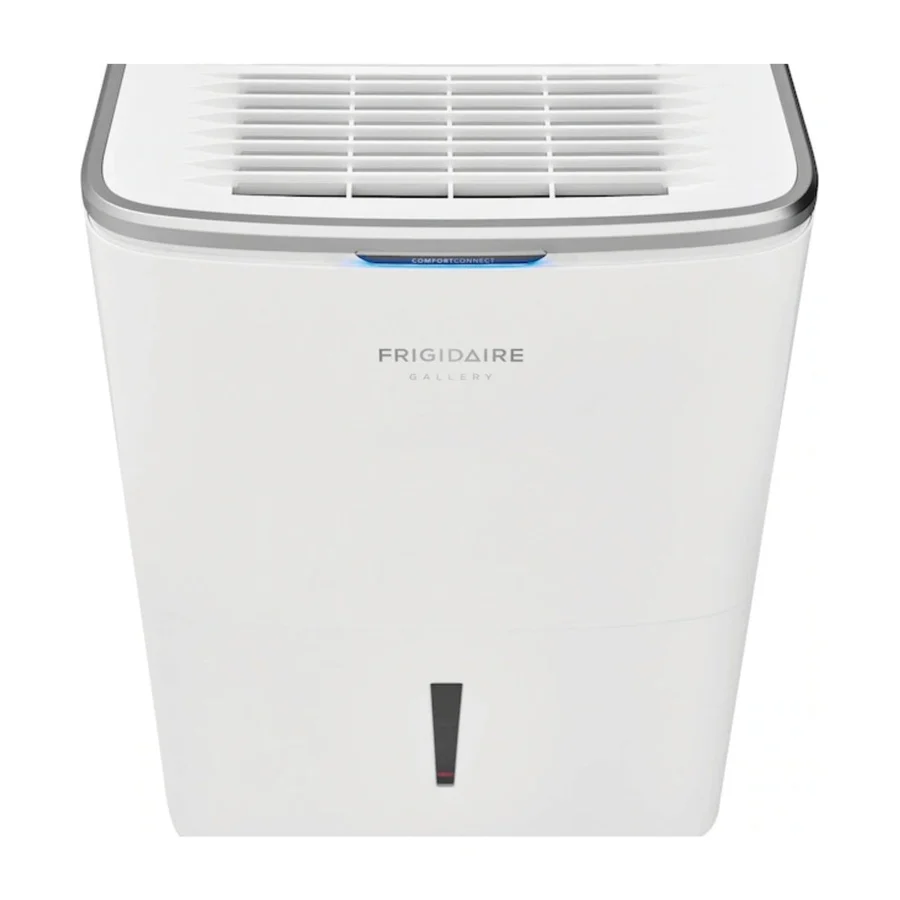
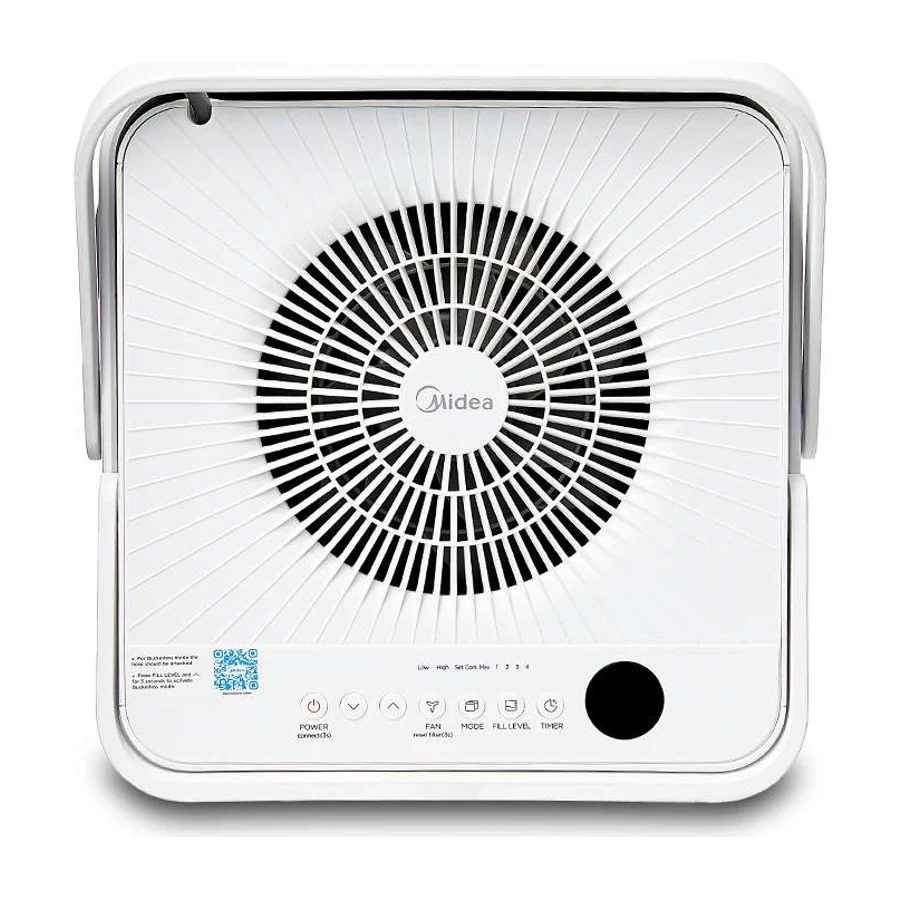
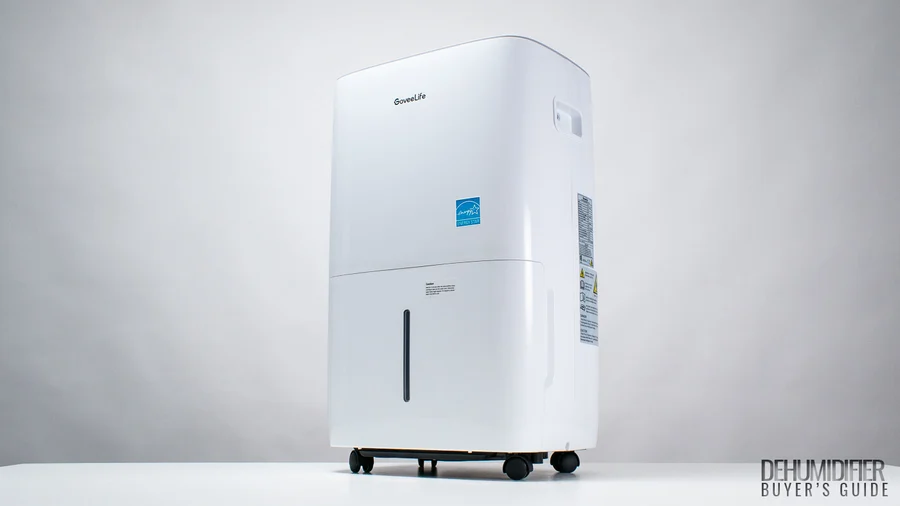
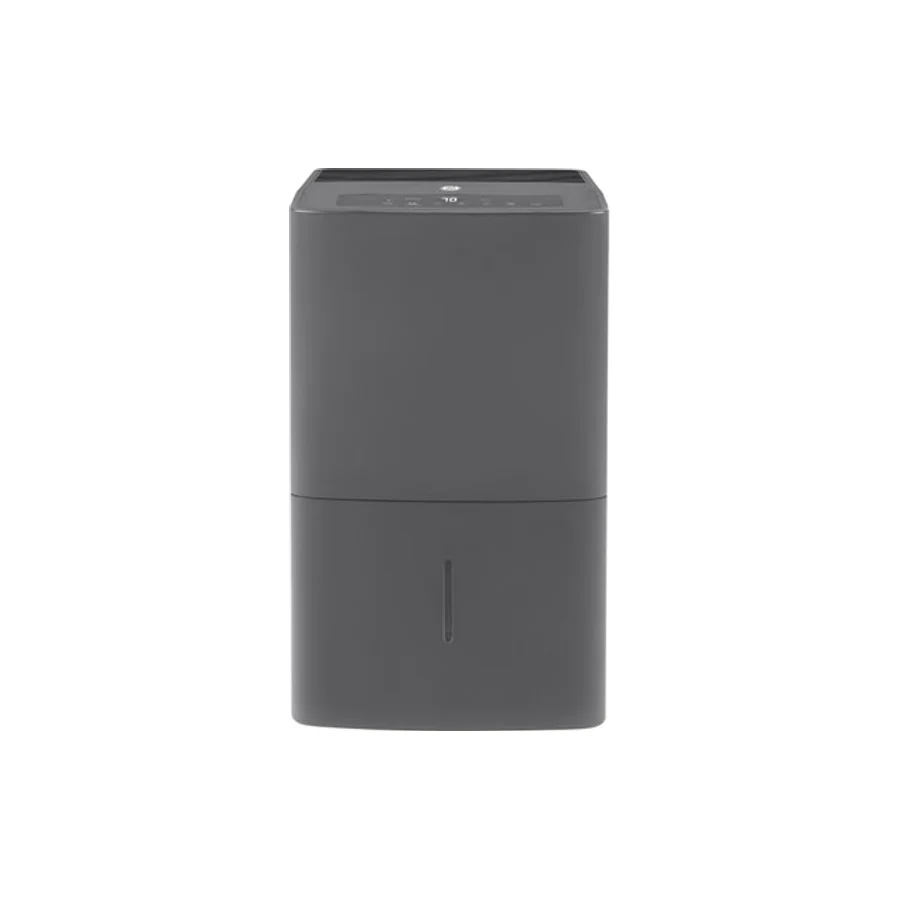
On the stierproducts dehumidifiers board, Midea Cube 50-Pint Smart Dehumidifier ranks #1 in S tier, ahead of GE APYR50LC (#2, A tier) and Frigidaire FFAD5033W1 (#3, A tier). The board ranks 17 dehumidifiers from S (best) to F (avoid), last researched 13 Sept 2026, drawing on 116 cited reviews, videos and discussions. Placed in the bottom tiers as ones to avoid: Midea Cube 20-Pint Dehumidifier, Hisense DH7021K1W, hOmeLabs 50-Pint Energy Star Dehumidifier, and 4 others.
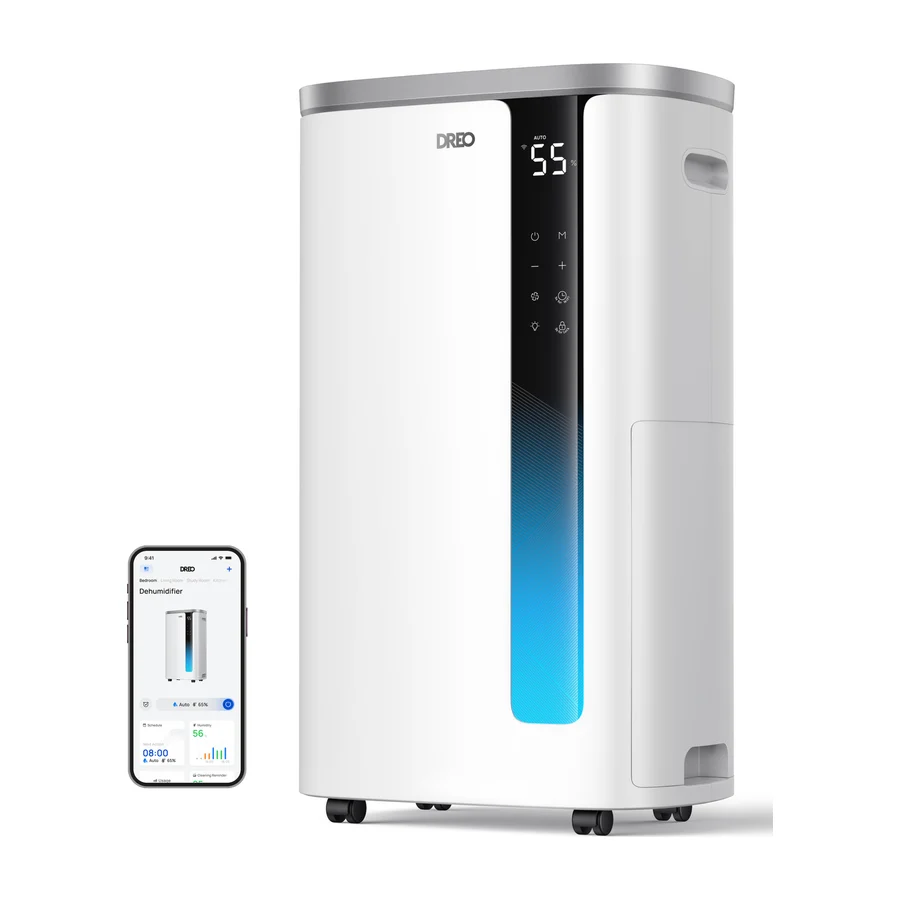
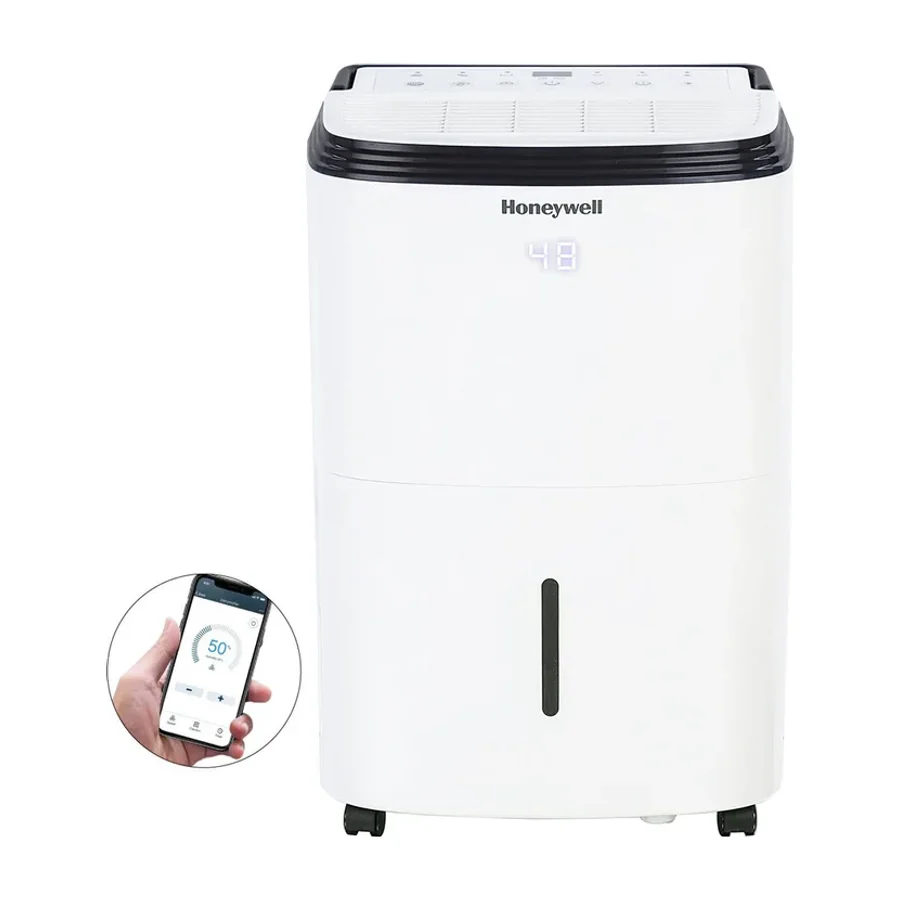
 #11
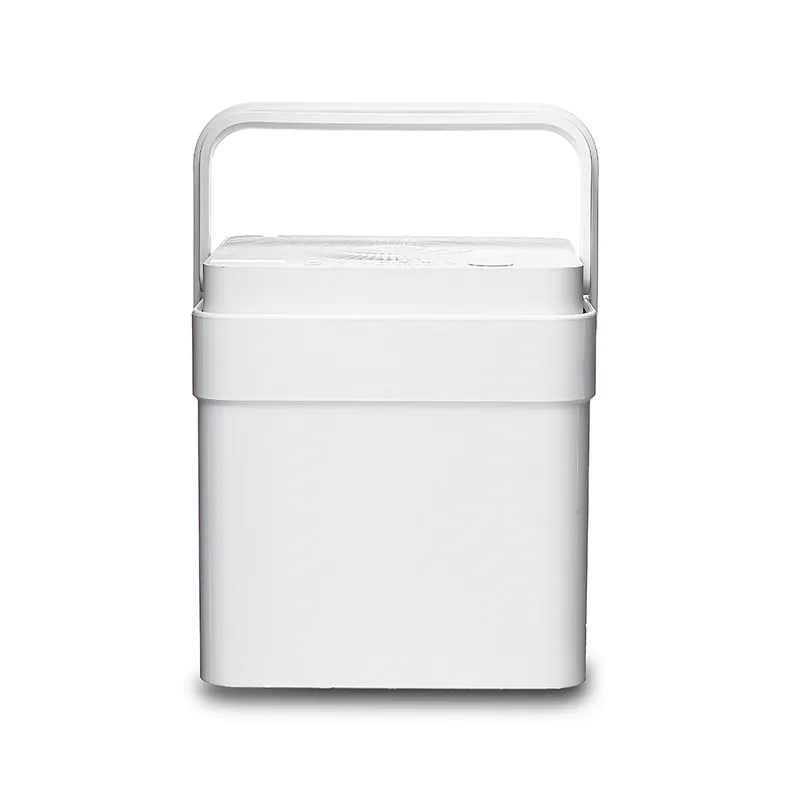
#11 Midea Cube 20-Pint Dehumidifier
 Moved down from C to D on 13 Sept 2026 #12 1 of 7 research runs entered this as a product to avoid rather than a pick.
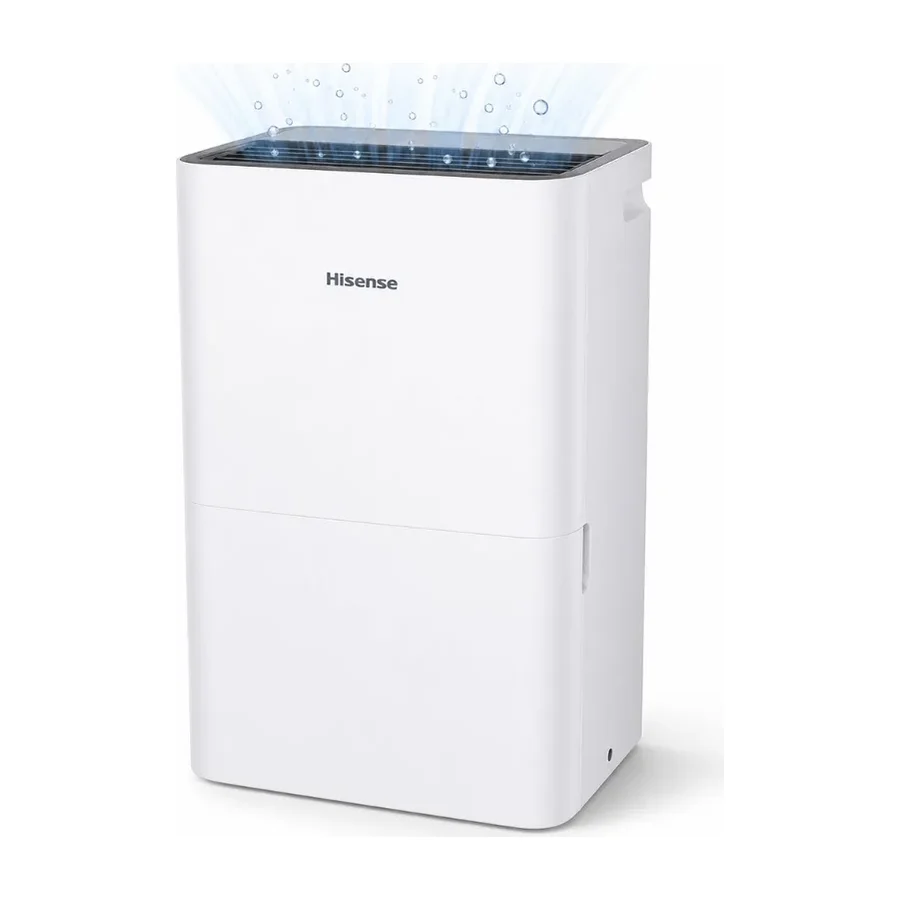
 Hisense DH7021K1W
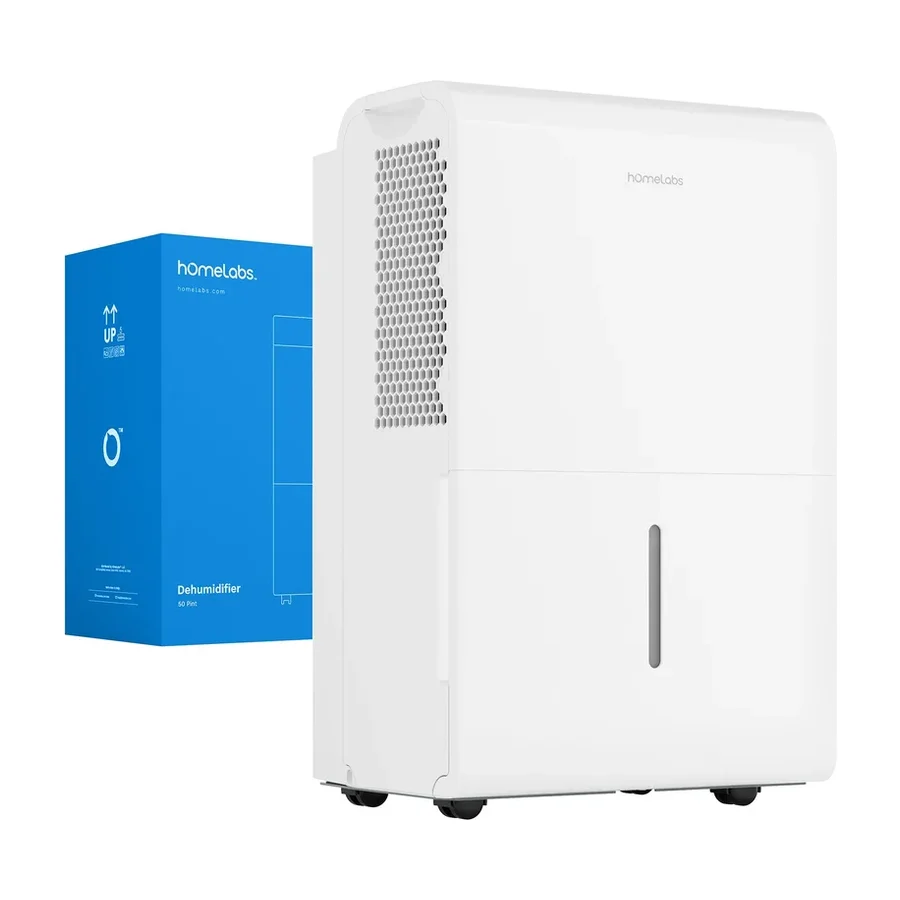 #13 1 of 9 research runs entered this as a product to avoid rather than a pick.
 hOmeLabs 50-Pint Energy Star Dehumidifier
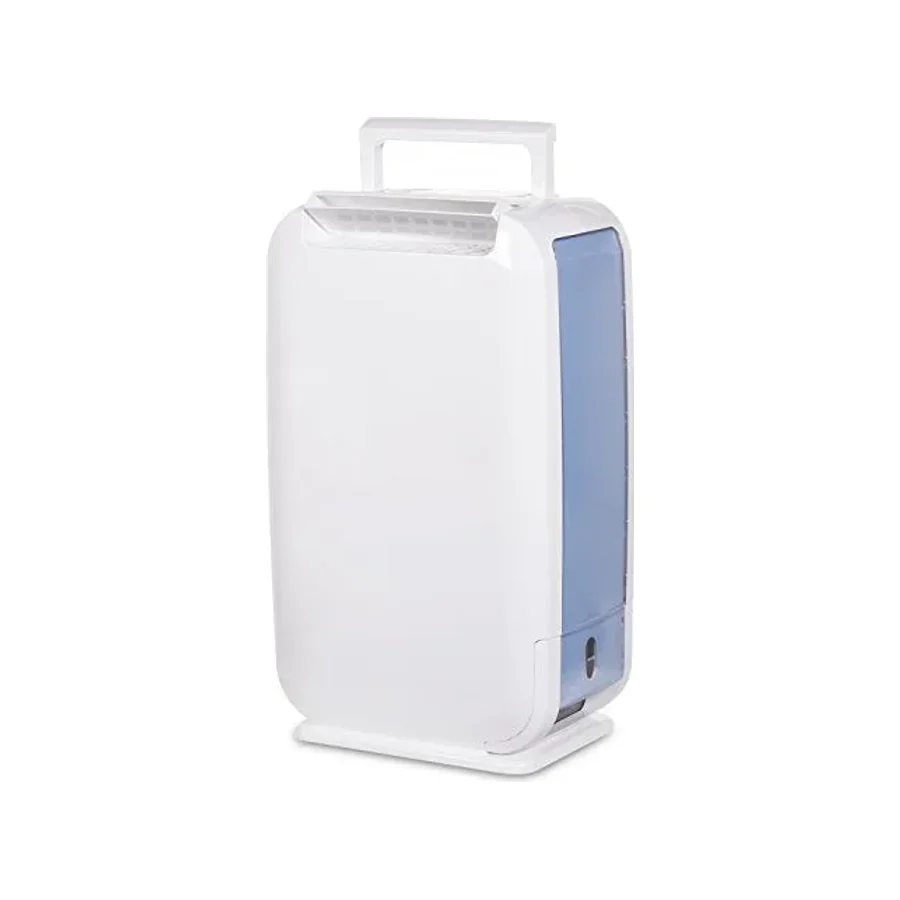 #14 1 of 4 research runs entered this as a product to avoid rather than a pick.
 Ivation 13-Pint Desiccant Dehumidifier
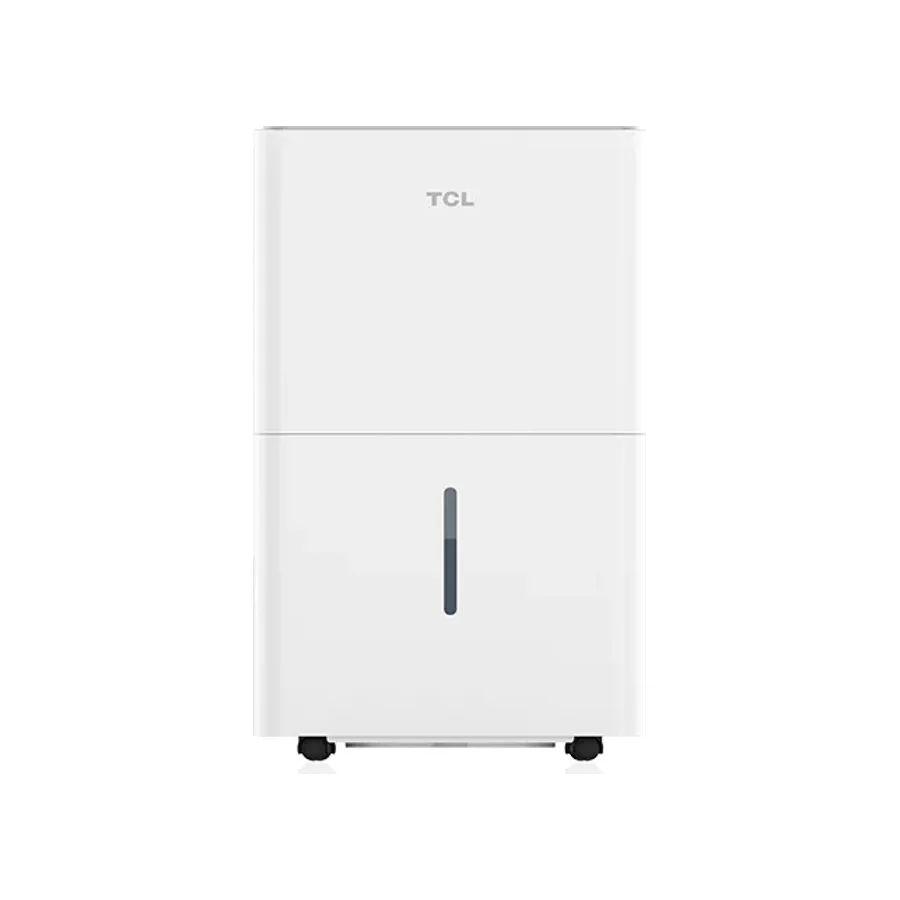 #15 2 of 9 research runs entered this as a product to avoid rather than a pick.
 TCL 50-Pint Smart Dehumidifier (H50D44W)
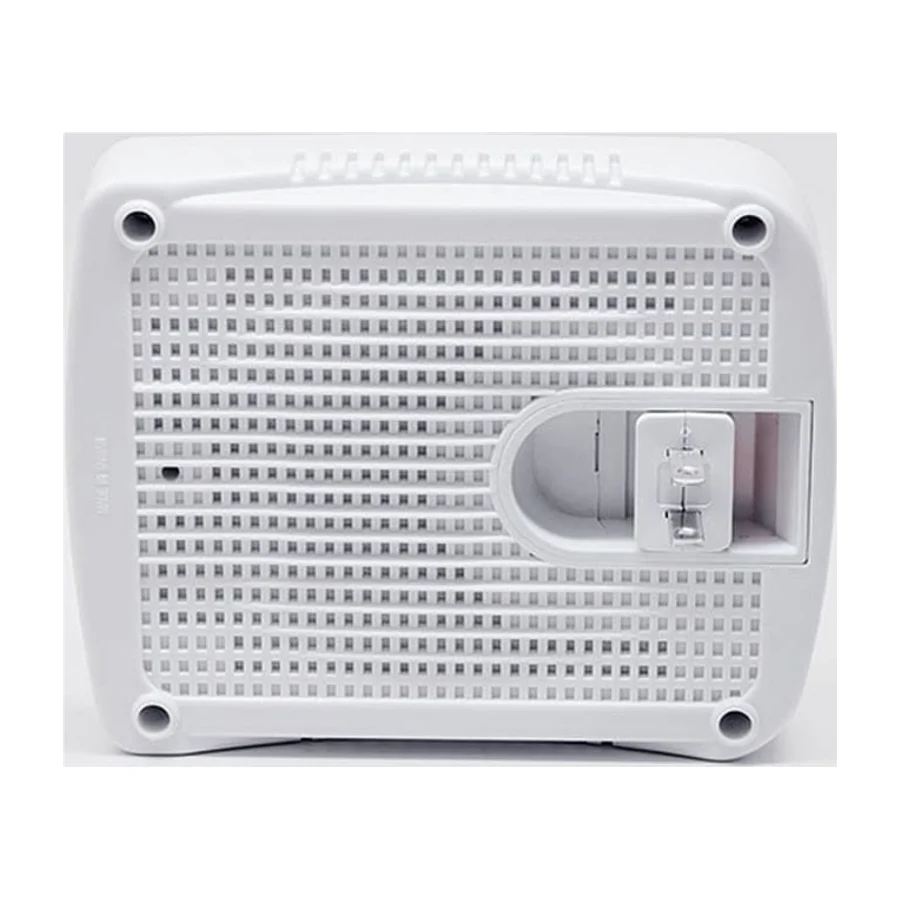 #16 3 of 8 research runs entered this as a product to avoid rather than a pick.
 Eva-Dry E-333 Renewable Mini Dehumidifier
 #17 3 of 8 research runs entered this as a product to avoid rather than a pick.
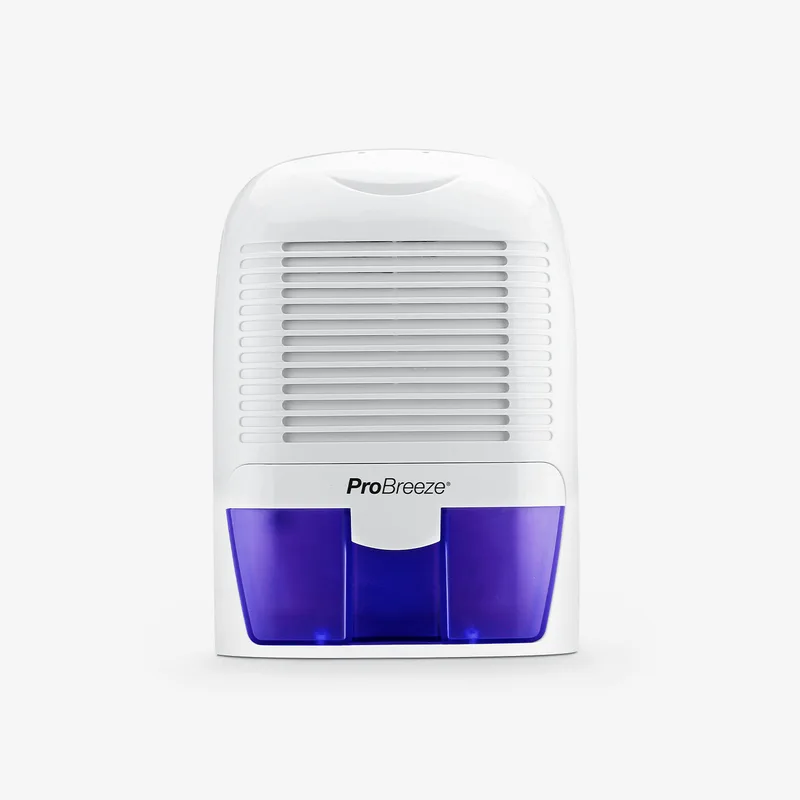
 Pro Breeze Electric Mini Dehumidifier
What moved on this board
18 tier changes recorded between 22 Jul 2026 and 14 Sept 2026. The 5 most recent are below.
- 13 Sept 2026 Hisense DH7021K1W moved down from C to D. 1 more research game. 2 sources added.
- 13 Sept 2026 Frigidaire FHDD5034W1 moved up from B to A. 2 more research games. 3 sources added.
- 25 Jul 2026 hOmeLabs 50-Pint Energy Star Dehumidifier moved up from F to D. 3 more research games. 2 sources added.
- 25 Jul 2026 Midea Cube 20-Pint Dehumidifier moved down from C to D. 3 more research games. 1 source added.
- 25 Jul 2026 Frigidaire FFAD5033W1 moved down from S to A. 3 more research games. 1 source added, 1 removed.
Each line shows what else changed at the same publish. It is not a statement of cause.
Frequently asked questions
Midea Cube 50-Pint Smart Dehumidifier sits at #1 in the S tier of our consolidated board, ranked across independent research runs over 116 cited reviews, videos and discussions. Best overall unit for its size, quietest dehumidifier tested, reliable bucket-less mode and easy-to-use app.
GE APYR50LC ranks #2 (A tier). Largest capacity with a built-in pump and lowest energy use per pint.
Our research places Midea Cube 20-Pint Dehumidifier, Hisense DH7021K1W, hOmeLabs 50-Pint Energy Star Dehumidifier, Ivation 13-Pint Desiccant Dehumidifier, TCL 50-Pint Smart Dehumidifier (H50D44W), Eva-Dry E-333 Renewable Mini Dehumidifier, Pro Breeze Electric Mini Dehumidifier in the bottom tiers (D/F). Midea Cube 20-Pint Dehumidifier: The right buy for small rooms, inheriting the Cube platform's strengths. Ranked lower only because it serves a narrower use case, not because it is worse.
More in Heating & Cooling
Cite this board as stierproducts, “Best Dehumidifiers”, 13 Sept 2026. Free to quote with attribution and a link (terms).
Machine-readable: markdown · JSON · how we rank
Embed this board on your own site. The frame links back here, which is the attribution the terms ask for:
<iframe src="https://stierproducts.com/embed/dehumidifiers" title="Best Dehumidifiers, ranked by stierproducts" width="100%" height="456" loading="lazy" style="border:0"></iframe>