Best Ceiling Fans
12 products ranked across 50 cited reviews, videos and discussions · Updated 10 Sept 2026
On the stierproducts ceiling fans board, Minka-Aire Barn LED Smart Ceiling Fan ranks #1 in A tier, ahead of Minka-Aire Light Wave (52-Inch) (#2, B tier) and Hunter 42" Low-Profile IV Ceiling Fan (#3, B tier). The board ranks 12 ceiling fans from S (best) to F (avoid), last researched 10 Sept 2026, drawing on 50 cited reviews, videos and discussions. Placed in the bottom tiers as ones to avoid: Hunter Aerodyne Smart Ceiling Fan, Dreo CLF712S Smart Ceiling Fan, Honeywell 52-Inch Ceiling Fan, and 1 other.
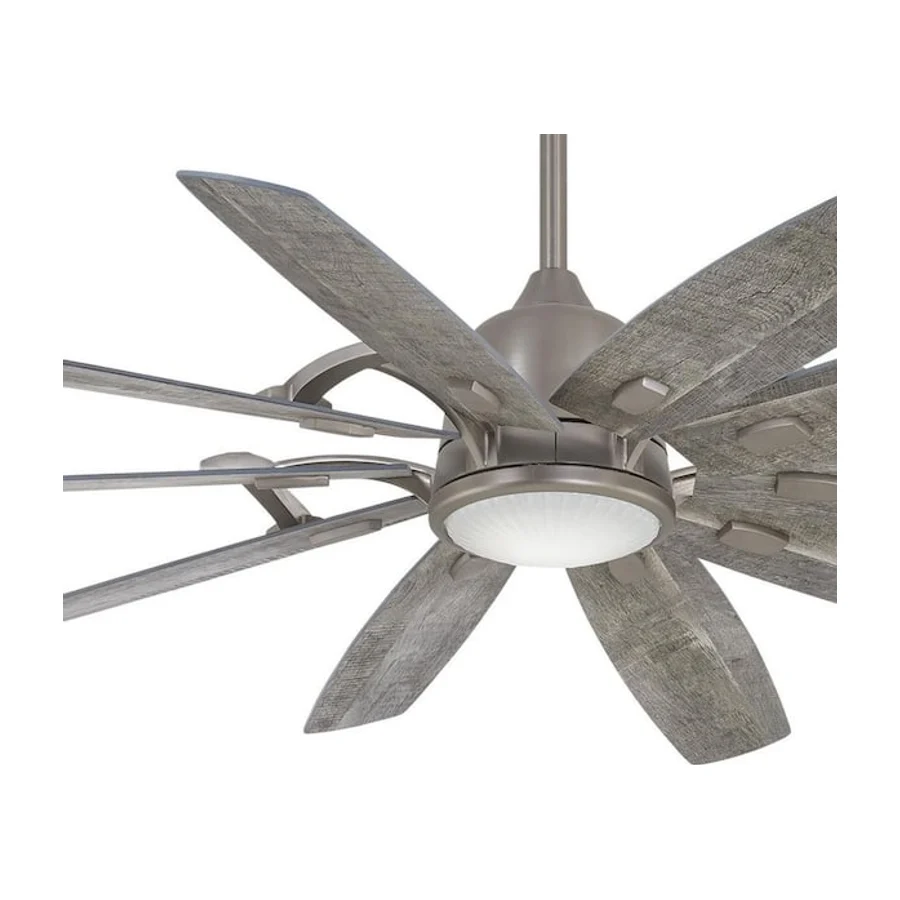
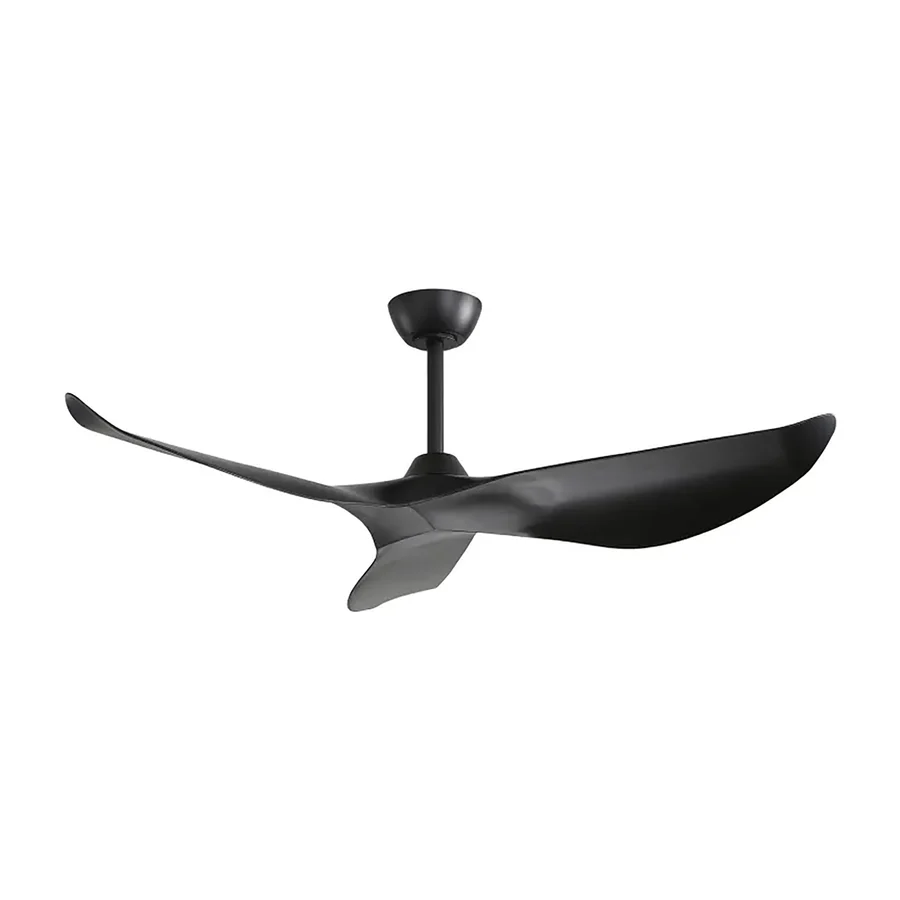
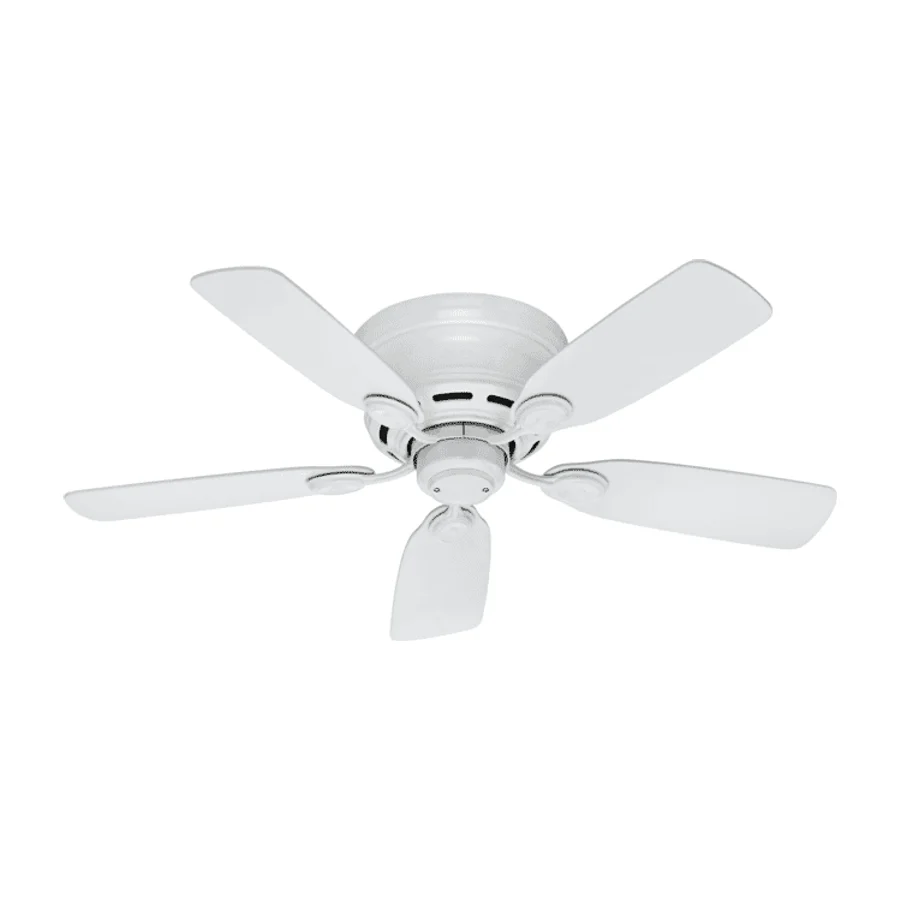
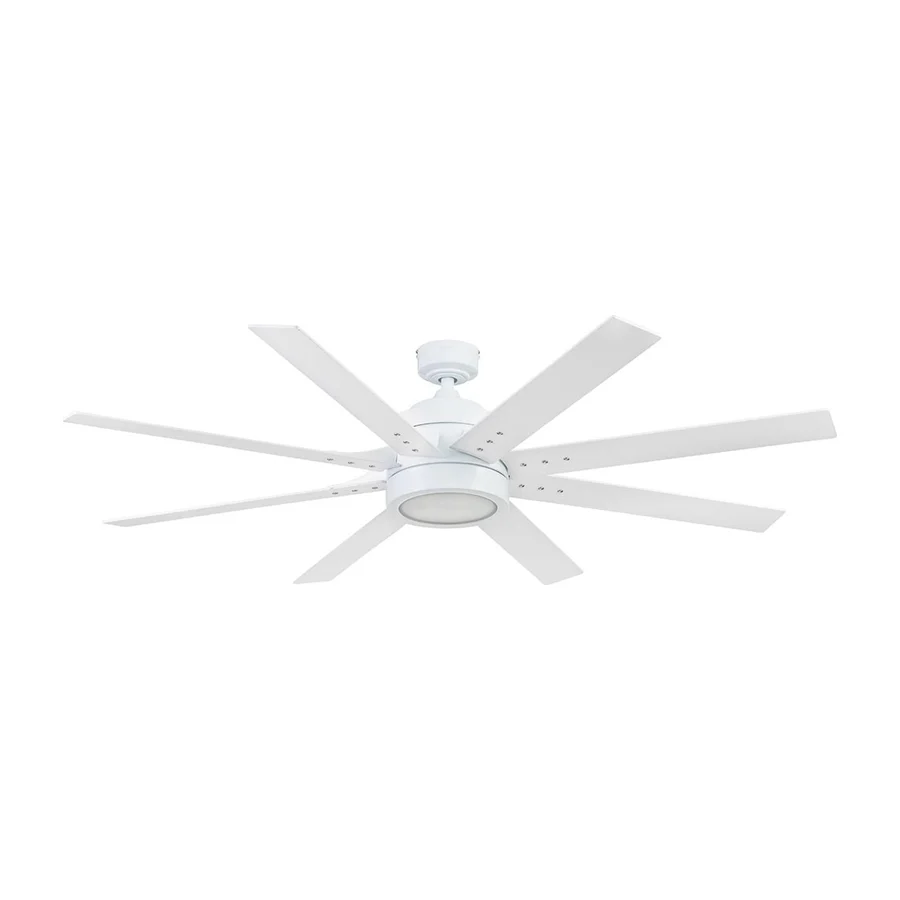 #4
#4 Honeywell Xerxes (62-Inch)
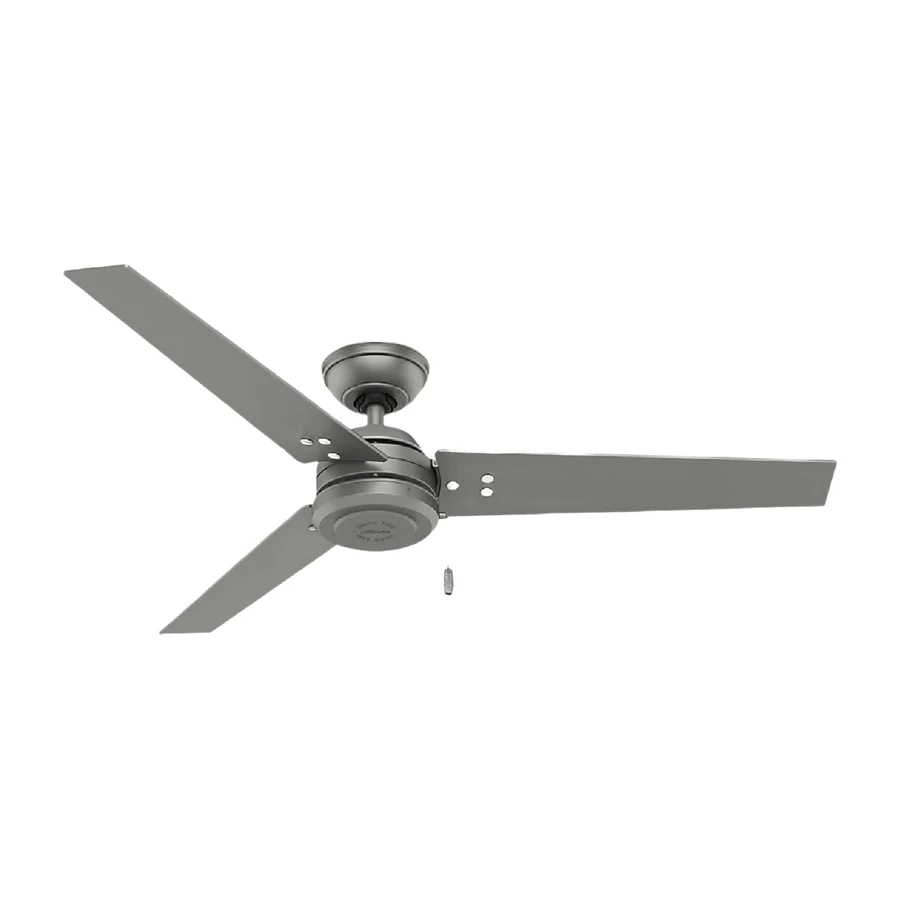 #5 1 of 3 research runs entered this as a product to avoid rather than a pick.
 Hunter Cassius (52-Inch)
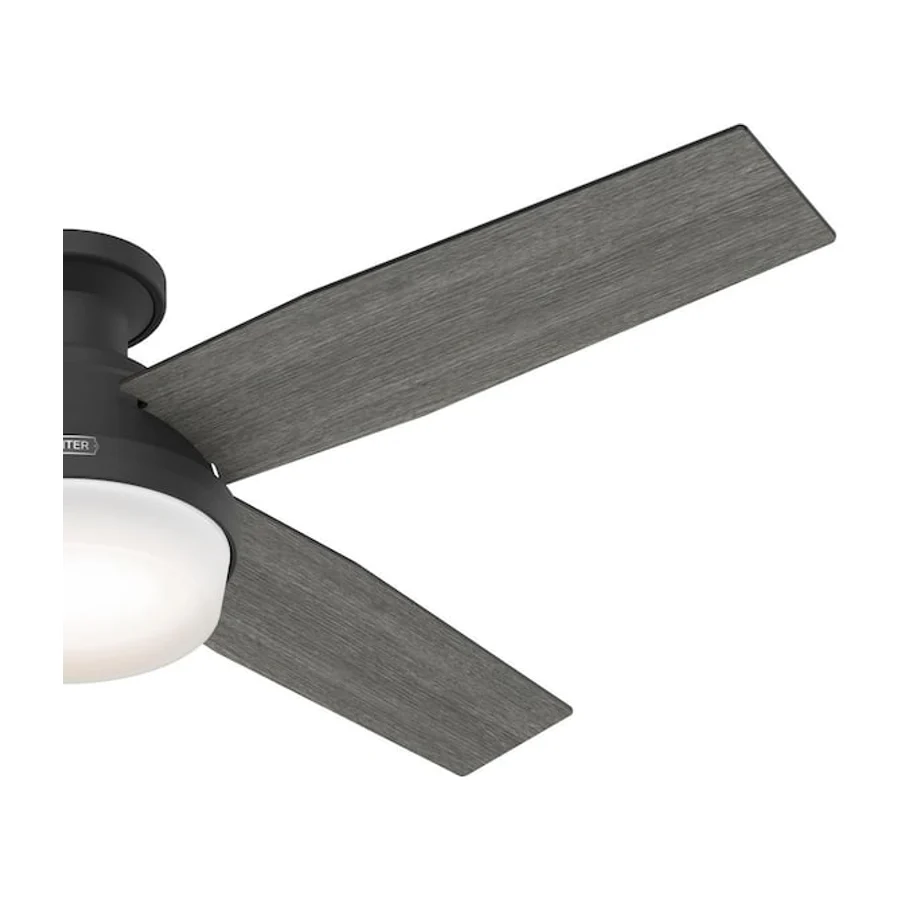 #6 3 of 9 research runs entered this as a product to avoid rather than a pick.
 Hunter 52389 Dempsey Ceiling Fan
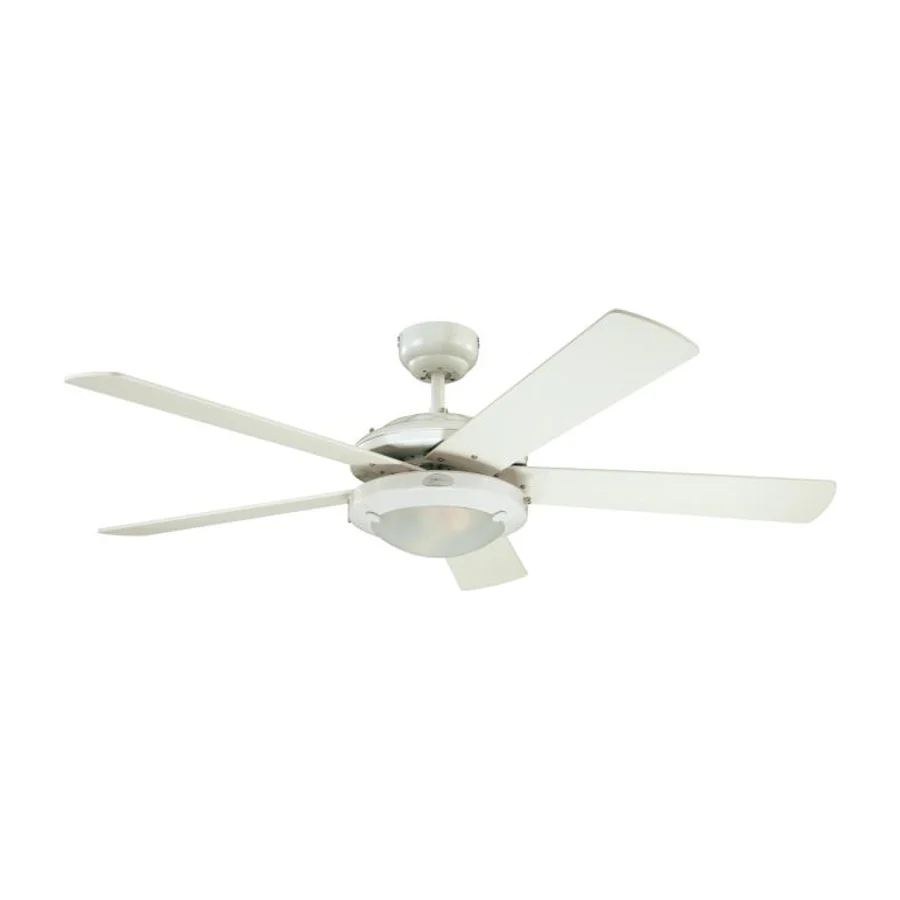 Moved up from D to C on 10 Sept 2026 #7 1 of 9 research runs entered this as a product to avoid rather than a pick.
 Westinghouse Comet 52-Inch Indoor Ceiling Fan
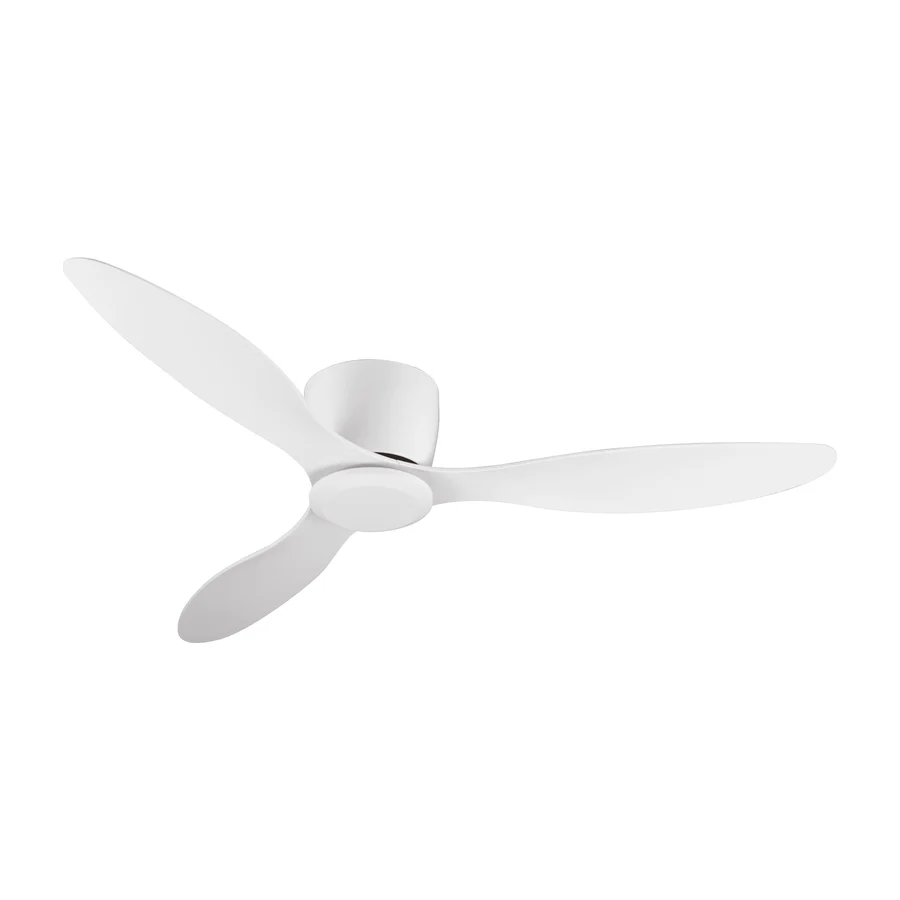 #8 2 of 3 research runs entered this as a product to avoid rather than a pick.
 Amico 42-Inch Low Profile Ceiling Fan with Light
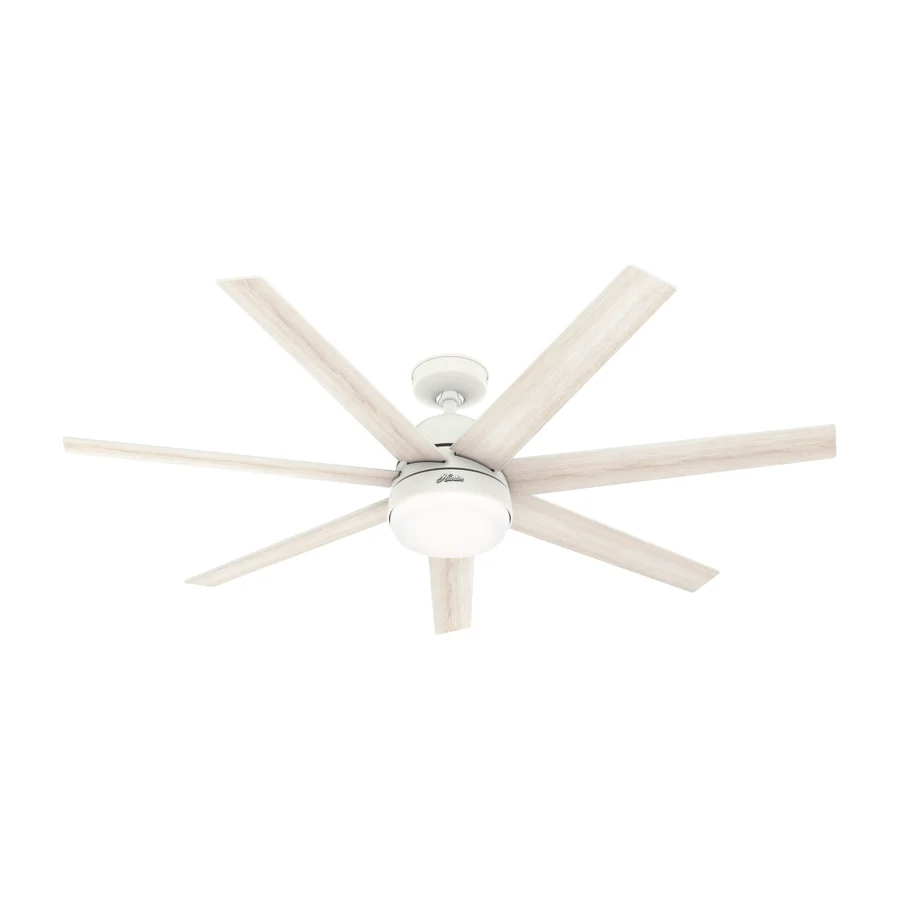 Moved down from C to D on 10 Sept 2026 #9 4 of 9 research runs entered this as a product to avoid rather than a pick.
 Hunter Aerodyne Smart Ceiling Fan
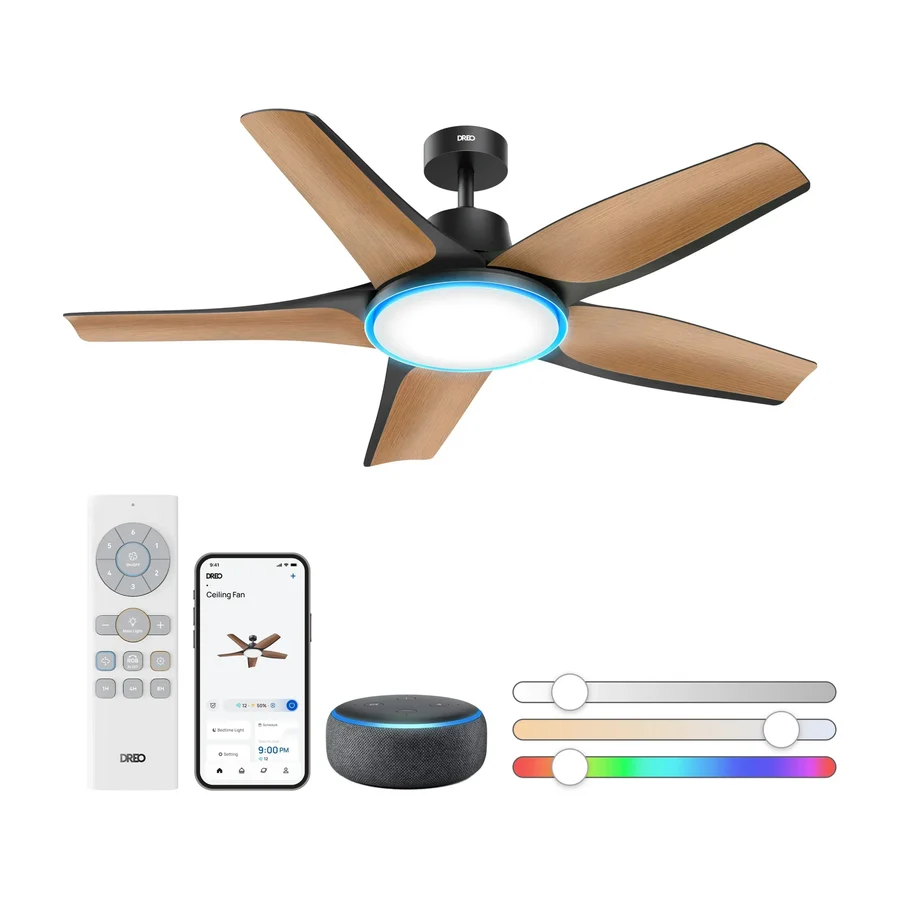 #10 1 of 9 research runs entered this as a product to avoid rather than a pick.
 Dreo CLF712S Smart Ceiling Fan
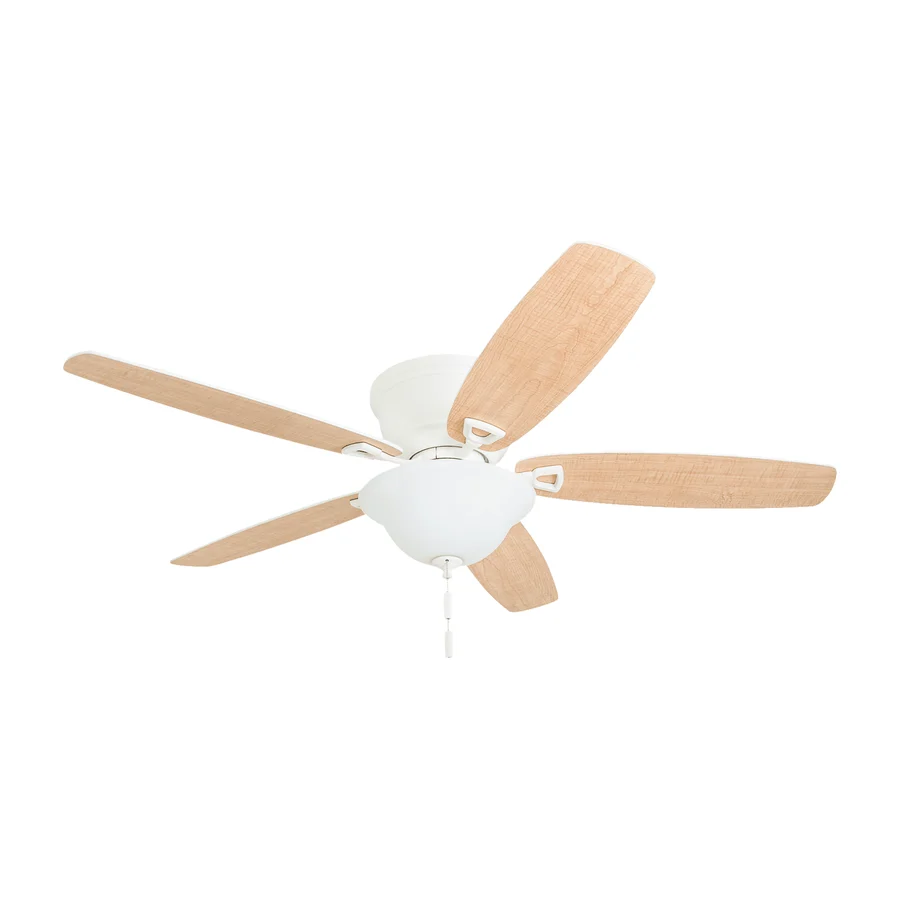 #11 3 of 9 research runs entered this as a product to avoid rather than a pick.
 Honeywell 52-Inch Ceiling Fan
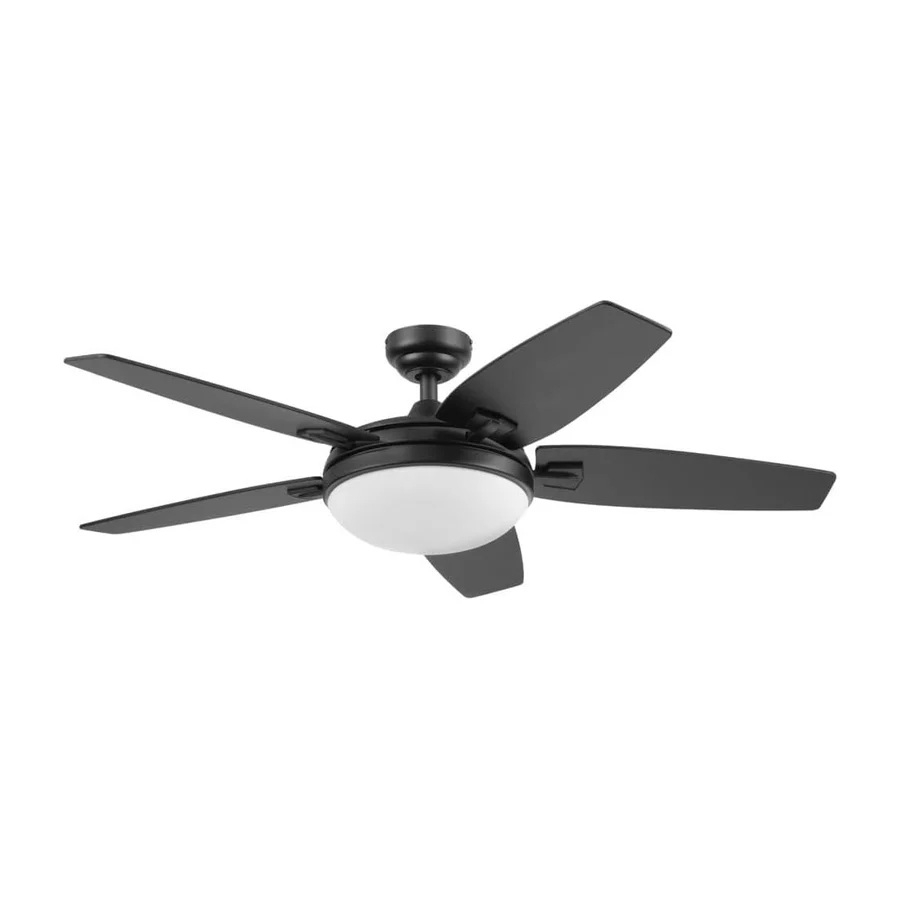 #12 1 of 8 research runs entered this as a product to avoid rather than a pick.
 Honeywell Carmel Indoor Ceiling Fan
What moved on this board
14 tier changes recorded between 28 Jul 2026 and 14 Sept 2026. The 5 most recent are below.
- 10 Sept 2026 Hunter Aerodyne Smart Ceiling Fan moved down from C to D. 3 more research games. 3 sources added, 1 removed.
- 10 Sept 2026 Westinghouse Comet 52-Inch Indoor Ceiling Fan moved up from D to C. 3 more research games. 2 sources removed.
- 10 Sept 2026 Minka-Aire Barn LED Smart Ceiling Fan moved up from B to A. 2 more research games. 1 source added, 2 removed.
- 7 Aug 2026 Honeywell Carmel Indoor Ceiling Fan moved up from F to D. 1 more research game. 1 source added.
- 5 Aug 2026 Hunter Aerodyne Smart Ceiling Fan moved down from B to C. From the ranking, not from new evidence.
Each line shows what else changed at the same publish. It is not a statement of cause.
Frequently asked questions
Minka-Aire Barn LED Smart Ceiling Fan sits at #1 in the A tier of our consolidated board, ranked across independent research runs over 50 cited reviews, videos and discussions. Bob Vila's overall top pick. The smart tier's best value and the sensible way into the Minka-Aire brand without the designer-price penalty the Light Wave carries.
Minka-Aire Light Wave (52-Inch) ranks #2 (B tier). Quality motor and a design kept in production, which is what keeps parts available years later. Slightly behind Cassius only because it carries more integrated electronics.
Our research places Hunter Aerodyne Smart Ceiling Fan, Dreo CLF712S Smart Ceiling Fan, Honeywell 52-Inch Ceiling Fan, Honeywell Carmel Indoor Ceiling Fan in the bottom tiers (D/F). Hunter Aerodyne Smart Ceiling Fan: An installer's Best Overall for 2026, sitting on top of Hunter's documented 95% warranty resolution within 30 days. Smart features with a real safety net.
More in Heating & Cooling
Cite this board as stierproducts, “Best Ceiling Fans”, 10 Sept 2026. Free to quote with attribution and a link (terms).
Machine-readable: markdown · JSON · how we rank
Embed this board on your own site. The frame links back here, which is the attribution the terms ask for:
<iframe src="https://stierproducts.com/embed/ceiling-fans" title="Best Ceiling Fans, ranked by stierproducts" width="100%" height="344" loading="lazy" style="border:0"></iframe>