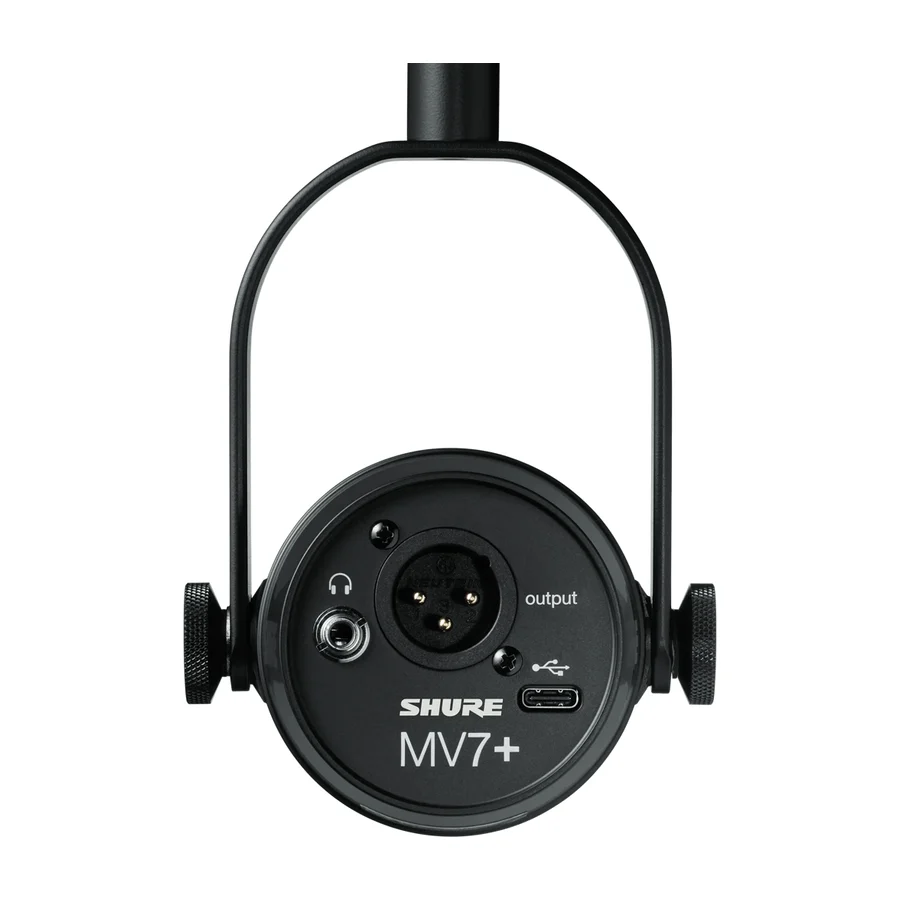
Shure MV7+
Hybrid USB/XLR, studio-grade controls, plug-and-play, and excellent sound make it the most versatile and reliable choice for everyday use.
Consolidated from 71 cited sources across 63 outlets
Where the cited sources landed, as we read them
- 2 enthusiastic sources
- 52 positive sources
- 11 mixed sources
- 4 unconvinced sources
Pros & cons
- ✓ Hybrid USB/XLR design gives plug-and-play convenience while still offering studio-grade control
- ✓ Excellent sound quality
- ✓ Clear, low-noise signal
- ✓ Built-in headphone output
- ✓ Versatile DSP engine
The sources behind this ranking
We searched the web and YouTube for what has been published about this product, then read the articles, video transcripts and comments we found.
Evidence 39 articles, 26 video reviews and 6 community sources
2 enthusiastic sources
 MicroPicked David King · reviewer · Mar 2026
The MV7+ does not include a stand — Shure assumes you will mount it on a boom arm. At 1.2 lbs, it needs a sturdy arm rated for at least 2 lbs. A boom arm is the recommended mounting option: it positions the mic at mouth level, isolates it from desk vibrations, and swings out of the way when not recording. Desktop stands work but transmit surface vibrations into recordings.Read S
 SetupLunio SetupLunio · reviewer · May 2026
The SM7B is a pure XLR broadcast mic; the MV7+ adds a USB-C output and onboard DSP at a lower price. Sonically the SM7B is fuller and slightly warmer. The MV7+ is the right pick if you want SM7B-family dynamic sound without committing to a $130+ audio interface, and you value the onboard touch panel and DSP.Read
52 positive sources
 Pcmag Phil Nickinson · reviewer
The $389 Shure MV7i microphone carries over the excellent audio capture and easy-to-use design of the capable $279 MV7+, and lets you plug in a second mic, allowing for two-mic recording from a single line. It drops the XLR output of the MV7+ in favor of a combined XLR and one-quarter-inch input while keeping the USB-C port for your computer and 3.5mm headphone jack for live monitoring. Paired with Shure's built-in pop filter, automatic gain control, and real-time noise reduction, you have a powerful tool at your disposal. Thanks to its warm sound and user-adjustable level meter, the Shure MV7i is an ideal mic for podcasters and gamers who often have guests, and is our Editors' Choice for multi-input microphones.Read T
 Tom Buck Tom Buck · 186K subscribers · Jul 2024
the good news is It is a really great microphone in pretty much every wayWatch M
 MusicRadar Article · Jul 2022
In use: The Shure MV7+ is a flawless thing to use, both for beginners and for old hands. The USB-C connectivity is foolproof, and the option of an XLR connection a boon I’m personally hugely grateful for. The auto-level mode worked flawlessly too, with recipients of various video calls conducted using the MV7+ reporting a steady, well-balanced sound, regardless of any unflattering and distance-making moves undertaken by yours truly.Read L
 LAS Curry LAS Curry · 110K subscribers · Apr 2024
If you're debating whether you should get the MV7 or the MV7 plus, the answer is pretty simple for the extra 30.Watch A
 AI Creator Picks Daniel Levi · reviewer · Aug 2026
For most creators recording at home, we lean toward the Shure MV7+ , because the biggest quality problem beginners face is a noisy, untreated room, and a dynamic mic solves that in hardware. Choose the Blue Yeti if your space is already quiet, your budget is tight, or you want multi-pattern flexibility and the simplest possible setup. Buy to your real room and workflow, not to the spec sheet, and either mic will serve you well.Read A
 Archie Beatz Archie Beatz · 107K subscribers · May 2024
This microphone does quite a bit and I'm really surprised at how good this is.Watch G
 GamesRadar+ Article · Dec 2022
Still, if you're looking for something that will give you XLR quality in a USB-C package, the MV7+ is the guy who can do both. It isn't the first microphone to focus on this dual-connection package - the Rode PodMic USB is very similar, but the fact this one lets you use both outputs at the same time puts it a cut above. Not to mention, this is a Shure product that gives you iconic audio quality.Read N
 Nick Kendall Nick Kendall · 61.2K subscribers · Jul 2023
I've been using this Shure MV7 mic for the past year or so for all of my content and streaming and it's been amazing. So, today I want to give you a non-technical review of the pros and cons of this mic in order to help you decide if it's the right one for you. And when I say non-technical, I'm not going to go into heaps of detail on all the different specs of this mic and the frequency response and all that kind of stuff because what I'm most interested in is does this mic do what I need it to do on a day-to-day basis. So, I've six pros and three cons of the MV7.Watch M
 Mets Minor League Blog mets · reviewer · Aug 2026
The Shure MV7 delivers studio-quality sound with a frequency response of 20Hz to 20kHz, ensuring your voice sounds clear, warm, and natural. Its internal analog-to-digital converter supports 24-bit/48kHz recording, capturing every nuance of your voice with precision. This makes it ideal for podcasts, streaming, and voiceovers where clarity and professional sound are non-negotiable.Read S
 Scan Pro Audio Scan Pro Audio · 19.1K subscribers · Oct 2020
Now Shure have done something pretty fantastic with this mic because they've given it an automatic mode that's actually fairly responsive and especially if you're video podcasting and just trying to get the mic away from your mouth so you've got a clear line of sight to the camera it's pretty good to just set and forget. I particularly like the dark mode which we're in at the minute, if we just go over to the app and have a look.Watch T
 Thepostflow The Worlds Leading · reviewer
Same caveat as any condenser: it wants a treated or naturally quiet space, and there’s no onboard DSP shaping your tone the way the MV7+ does. Stock has also been in and out this year, so check availability before you commit. But for the cleanest, most detailed voiceover with a USB-to-XLR path in one mic, this is the pick at around $245.Read H
 Hi-Tech 'Ta Bai Hi-Tech 'Ta Bai · 12.3K subscribers · Nov 2021
This is a high-end microphone and maybe one of the top of the line microphones for podcast.Watch P
 PC Gamer Article · Nov 2022
It sounds superb on its default settings, with a rich warmth, pin-point accurate vocal capture, and a lovely, crispy, "hot radio" kind of sound—with no fiddling required. The MV7+ simply gets up and goes, and as a result, you don't need to know anything about audio to get a professional result out of it.Read T
 TecTimmy TecTimmy · 11.6K subscribers · Dec 2025
You can adjust the colors and so forth, but in the box, like I said, super hefty and looks really well done. I love the art on the side here. The company, I don't know if it's Shure or the distributor, but they also shipped this with a little bag of candy that included some Smarties. I thought that was super cool. And then on the back, we do have some spec. I'm going to touch on these super briefly, and then we'll get this out of the box and take a look.Watch A
 Adellion Adellion · reviewer · May 2026
The MV7+ is the mic we recommend more often than any other, and the reason is simple — it sounds genuinely broadcast-grade in rooms where every condenser sounds like a parking garage. The on-board DSP, real-time denoiser, and auto-leveling make it nearly impossible to sound bad on USB.Read M
 Michael Garza Michael Garza · 11K subscribers · May 2026
I will say that this microphone is one of the best microphones available when it comes to streaming uh just in general.Watch U
 Universal-Database.com V. Peters · reviewer · Oct 2025
The MV7+ improves on the MV7 with cleaner preamps , noise reduction , and an upgraded LED touch bar . The sound is virtually identical to the original, but with better handling of noise and more stable USB performance. You can tweak EQ and compression through the MOTIV Mix app.Read E
 Expert of Things & Stuff Expert of Things & Stuff · 8.4K subscribers · Oct 2025
Now, one of the things I love about this LED panel up top is that those colors are fully customizable. But the other thing I love is that you have the ability to mute yourself just by touching.Watch T
 Techaeris Article · Jul 2026
The Shure MV7+ is an outstanding microphone and fits my needs perfectly. Yes, there are some quirks and frustrations, but that’s life. With its excellent vocal clarity and amazing ambient noise rejection. I think this microphone is well worth the investment.Read I
 IProPytash IProPytash · 8.2K subscribers · Jan 2026
It's actually got some weight to it, which I am happy about. Makes it feel more durable, more put together, and like it's that premium microphone feel.Watch P
 Projet Home Studio Adrien · reviewer · Nov 2025
In summary: the MV7X will be perfect for those who already have an audio interface, while the MV7+ is ideal if you want a modern and versatile “all-in-one” microphone. In both cases, it’s hard to go wrong.Read D
 DIY Variety Hub DIY Variety Hub · 2.3K subscribers · May 2026
The build quality is excellent, and this mic I think is very durable and it should last a long time with everyday use. So setting this up is incredibly easy. Just plug it into your computer. That's it. You plug it into the mic, you plug it into the computer, and you're ready to go, just like that. Now, I will have to say this.Watch L
 Linkedin Followers · reviewer · Aug 2026
If you want modern flexibility, easy USB connection, and smart digital controls, the Shure MV7+ is the better choice. Both options deliver fantastic voice clarity that will elevate your content.Read C
 CREATE with JAY CREATE with JAY · 1.4K subscribers · Jun 2026
Yes, I did pay 170 for this actual Shure MV7 Plus, the one I'm speaking into right now. And you guys, it is uh on point, you guys.Watch S
 SonicSavvy Leon McKain · reviewer · Oct 2025
If you’re serious about podcasting or streaming, the Shure MV7+ is a must-have microphone. It’s professional, easy to use, and one of our SonicSavvy Picks for creators who demand the best.Read M
 MorgFlame MorgFlame · 1.2K subscribers · May 2025
Yeah, it's honestly such a good microphone. I honestly do prefer this over the SH SM7B. I'm just trying to set things up in the my Go XLR app as you do need but you don't need a Go XLR, but I think the output of this microphone is better with an XLR cable instead of the USB type-C. So, it is it's really nice to have the USB type-C and a headphone jack.Watch C
 Creator Kit Lab Rob Griffiths · reviewer · Aug 2026
Professional reviews are strongly positive - versatile, superbly built, recordings ready to use - with recurring caveats on price, the missing stand and DSP that only works over USB.Read C
 Click To Cart Click To Cart · 628 subscribers · Apr 2026
In real-world the microphone performs consistently well across podcasting, streaming, and voice recording. Reviews often highlight its clear vocal reproduction and reliability, making it a strong choice for spoken word content where clarity matters most. Another advantage is its plug-and-play simplicity. Even beginners can get high-quality audio quickly using USB, while more advanced users can dive into the Motive app to fine-tune EQ, compression, and gain settings for a more customized sound. However, there are some downsides.Watch W wordpress-883468-5565050.cloudwaysapps.com Editor In Chief · reviewer · Aug 2026
But for close-up vocal work, the Shure MV7+ Podcast Dynamic Microphone feels purposeful, modern, and easy to recommend to buyers who want a microphone that can grow with them.Read G
 Generator Podcast Generator Podcast · 605 subscribers · Dec 2025
All I want you to understand is that whether you're using XLR or you're using the USB option on the MV7 Plus, you're going to get great audio for your podcast.Watch P
 PrintKK Unique Print on Demand PrintKK · reviewer · Jun 2026
The MV7+ has USB-C and XLR so you're not locked into one setup, and OBS certification means it plays nicely with your stream software without weird driver issues.Read T
 Tagmond Tech Tagmond Tech · 455 subscribers · Jan 2026
One of the biggest strengths of the MV7 Plus is its dual connection.Watch P
 Podcastsetuplab Article
If you’re buying new, it’s the right call. The original MV7 remains a solid performer — especially when found on sale for 50–60 — and loses nothing in XLR mode.Read G
 Genuine Tech Genuine Tech · 206 subscribers · Jun 2026
The MV7+ Dynamic Microphone delivers top-tier audio with seamless OBS integration. Voice isolation technology and built-in DSP ensure crystal-clear sound for podcasting, live streaming, YouTube, and content creation. That is the thing that separates it from what is sitting next to it at a similar price. It is not trying to be everything. It is trying to do this one thing at a level that earns its place. The first feature worth understanding is OBS certified microphone. The MV7+ Dynamic Microphone delivers top-tier audio with seamless OBS integration. Voice isolation technology and built-in DSP ensure crystal-clear sound for podcasting, live streaming, YouTube, and content creation. In practical terms, that means you are not fighting the product to get a result.Watch E
 Engadget James Trew · reviewer · Aug 2023
The MV7+ is also a great choice for home recording, too, so you only need to invest in one microphone to have a consistent podcast experience wherever you are.Read G
 Gear Nexis Gear Nexis · 178 subscribers · May 2026
One of the biggest strengths of the Shore MV7 Plus is its exceptional sound quality. Inspired by the legendary Shore SM7B, this dynamic microphone captures vocals with rich detail, warmth, and impressive clarity. Whether you are podcasting, live streaming, gaming, recording voiceovers, or creating YouTube content, the MV7 Plus delivers a clean and professional sound that instantly improves audio quality compared to standard USB microphones. The microphone features advanced voice isolation technology that focuses on your voice while reducing unwanted background noise. This is especially useful for streamers, gamers, and creators recording in non-treated rooms or noisy environments.Watch M
MicroPicked David King · reviewer · Mar 2026 The MV7+ adds auto-leveling, touch controls, and a denoiser that justify the premium for daily recording. Both are excellent dynamics with dual USB/XLR output.Read T
 The Review Desk The Review Desk · 130 subscribers · May 2026
But, there's a few reasons in particular why the MV7+ stands out and why I think it's the best option for most people. Now, the first reason, which is obviously one that people care about, is the audio quality.Watch C
 Cuttles Article
Price stings, and some USB hubs hate it—but if you're building a setup that might grow toward a mixer, this is the one that won't make you buy twice.Read K
 KILLR KILLR · 100 subscribers · Sept 2026
Now that we've compared both microphones, I would still say overall, the Shure MV7 Plus cannot be beaten. Given that it is five times more expensive than the FDUE SL40, the FDUE SL40 is still a great budget option. Would I recommend the FDUE SL40? I would say, yeah. I mean, it's a great budget option. It sounds great. However, it's a little bit muddy, so you may have to use a bit of EQ, but apart from that, it's a great sounding microphone. But yeah, guys, I hope you guys enjoyed this microphone comparison.Watch F Facebook ShureUK
Studio days, late nights, and life on the road The MV7+ keeps up with Trousdale every step of the way. Same mic, different voices, all their sound.View post W
 WesScreenTalk WesScreenTalk · 12 subscribers · Jun 2026
I think it'll help me with my sound.Watch P
 Podfeet Podcasts Article
I opted for the MV7+ because I think its input/output model fits me better, and it was a bit cheaper. Acoustically, they are identical, apparently.Read F
 Far From Ricky Far From Ricky · 11 subscribers · May 2026
Okay, the pop filter, the microphone itself, really nice.Watch M
MicroPicked David King · reviewer · Mar 2026 Our Top Pick Shure MV7+ Serious podcasters and streamers who want a single mic that works with both USB-C and XLR, especially in untreated rooms.Read M
MusicRadar Article · Nov 2025 I use the MV7+ personally and find it’s the best podcast microphone for the money, so when it goes on sale, the attention is justified.Read L
Linkedin Followers · reviewer · Aug 2026 Shure MV7+: If you want the hybrid XLR and USB power of the MV7 with modern USB-C and a custom LED panel, look at the upgraded MV7+.Read F Facebook Mat Lewczenko · owner
I’ve worked with about a dozen clients who use the MV7 and it’s sounded good on every one of them.View post T
 The Podcast Host Colin Gray · reviewer · Jan 2026
Pros: Similar to the SM7b, but cheaper and more versatileRead F Facebook shureinc
Discover a world of vibrant audio with the Shure MV7+.View post A
 Alan Spicer - YouTube Certified Expert Alan Spicer · reviewer · May 2026
Specific scenarios where the MV7+ is the better buy:Read S
 Scout Network Scout Network · reviewer · May 2026
Shure MV7+ Hybrid USB/XLR Review - 9.Read
11 mixed sources
 Podcastage Bandrew Scott · reviewer · May 2024
The sound of the XLR is great with a supportive lowend, somewhat mid focussed but pleasing sound, and a non-aggressive upper frequency range. Over USB the sound is a bit different with a somewhat hollow sound with congested mids and a tame top end. The DSP processing is all very nicely implemented and it stores all the settings on device so you can use this on a computer without Shure's softrware as well.Read G
 God_Send MixedMedia God_Send MixedMedia · 16.6K subscribers · Jun 2026
Right out the gate, the tank six has the seven plus beat when it comes to price.Watch B
 BAMBY MEDIA Brianna Ansaldo · reviewer · Oct 2023
The MV7 handled the singing fine, though again not as clear as the Rode PodMic. However, it's worth noting that the Shure MV7 takes the lead in voiceover work and audiobook narration. It delivers a warmer, fuller sound that might be just what you need. If you tend to speak slower and in a more measured way, the Shure MV7 may be perfect for you.Read J
 John Scott John Scott · 10.2K subscribers · Oct 2023
Now, these two microphones are similar in a lot of ways, but there are a few key differences, one of which may be a dealbreaker. So, stick around as we get into this in-depth comparison.Watch N
 note(ノート) Article · Jul 2026
Those who should buy it are people who consistently create voice content, people who want to bring their voice to the front even in a normal room, and people who want to gradually upgrade from USB to XLR. Conversely, for those who only use it for meetings, prioritize low cost, or are satisfied with XLR alone, other products may be a better fit.Read H HomeLab TV HomeLab TV · 2 subscribers · Feb 2026
I set it and I keep it where it is, but it's kind of a neat feature.Watch Z
 Zivity Mara Ellison · reviewer · Jul 2026
For a new purchase, choose the current MV7+ when its price is close to old MV7 stock. The MV7+ replaces Micro-B with USB-C and adds USB software tools for level, noise, plosives, and tone. Buy the cheaper Shure MV6 if you only need USB. Buy neither until you can place the mic close to your mouth.Read A
 All Reddit Reviews, in One Place Article
the mv7+ is solid but i actually returned mine because the usb mode felt. inconsistent? like the dsp sometimes over-corrected my voice in a weird way. it shines on xlr, but if that's a big "maybe never," it's a lot of cash for features you might not use.Read S
 SmarterBuyLab SmarterBuyLab · reviewer
Shortlist the MV7+ for podcasting, streaming and desk-based voice recording when USB simplicity now and XLR expansion later both matter. It is the wrong shape for walk-and-talk footage or two-person wireless interviews.Read M r/microphone u/Glad_Air5308 · owner
In USB mode, I prefer the Podmic USB. In XLR mode, it's the MV7. If you have an interface with EQ capabilities, then I'd say go with the Podmic.Read thread I Instagram Instagram post
I’m a fan of the @shure MV7+ but it’s missing one important thing…a noise gate.View post
4 unconvinced sources
All Reddit Reviews, in One Place Article the mv7+ is solid but i actually returned mine because the usb mode felt. inconsistent? like the dsp sometimes over-corrected my voice in a weird way. it shines on xlr, but if that's a big "maybe never," it's a lot of cash for features you might not use.Read K
 Kronos Kronos · 3 subscribers · Oct 2025
Real vs Fake Shure MV7+: Don’t Get FooledWatch A
 Audacity Forum Article · Feb 2026
The MV7 is a newcomer and I can hear the voices in my head yelling that they "Improved" the SM7 like the AKG people did to their microphone. That may be where your Esssing is coming from.Read G
 Gearspace Dan Korneff · reviewer · Sept 2026
My new mic just sounds insanely hollow and cheap.Read
2 stance not read sources
Such as Finding the right audio interface with enough gain to drive the MV7, cloudlifter/booster. You can keep the MV6, get a $20-$60 affordable boom arm and have it closer to your face. If you keep the MV7+ you have the option of XLR for future use if you ever plan on going that way.Read thread W
 Wirecutter Article Read
Frequently asked questions
It ranks #1 of 17 on our USB microphones tier list, in S tier. That placement draws on 71 cited sources across 63 outlets.
On our usb microphones board, Shure MV7+ ranks #1 (S tier) ahead of Rode PodMic USB at #3 (B tier). Rode PodMic USB: The Rode PodMic USB’s USB performance is the weakest of the four traps.
On our usb microphones board, Shure MV7+ ranks #1 (S tier) ahead of Blue Yeti at #16 (F tier). Blue Yeti: The Blue Yeti is a classic, versatile USB mic that delivers clear audio and a solid build, remaining a top recommendation for its reliability and feature set.
Ranked nearby in USB Microphones
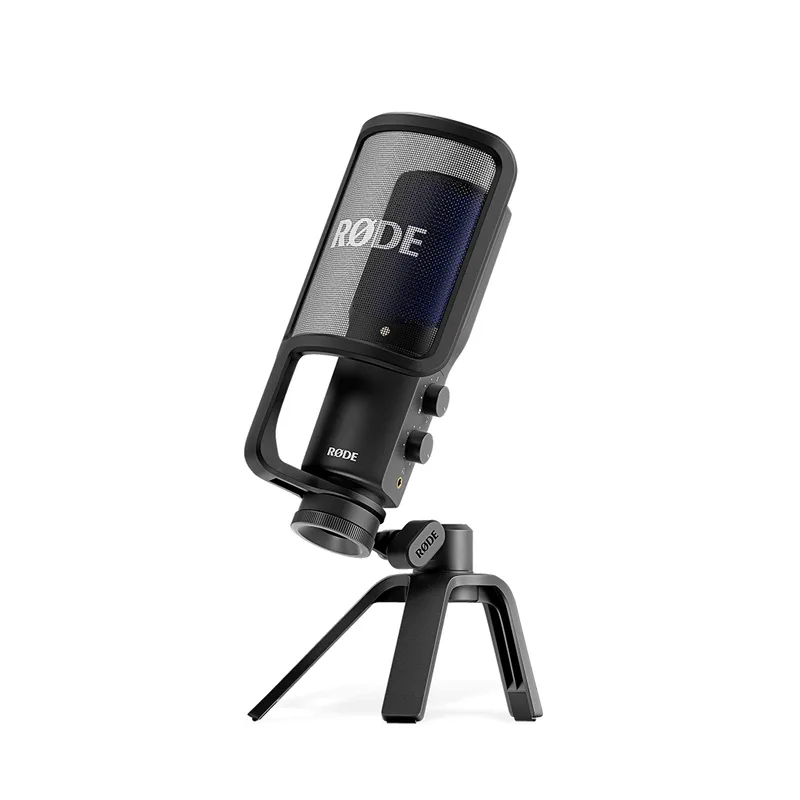 A tier #2
Rode NT-USB+
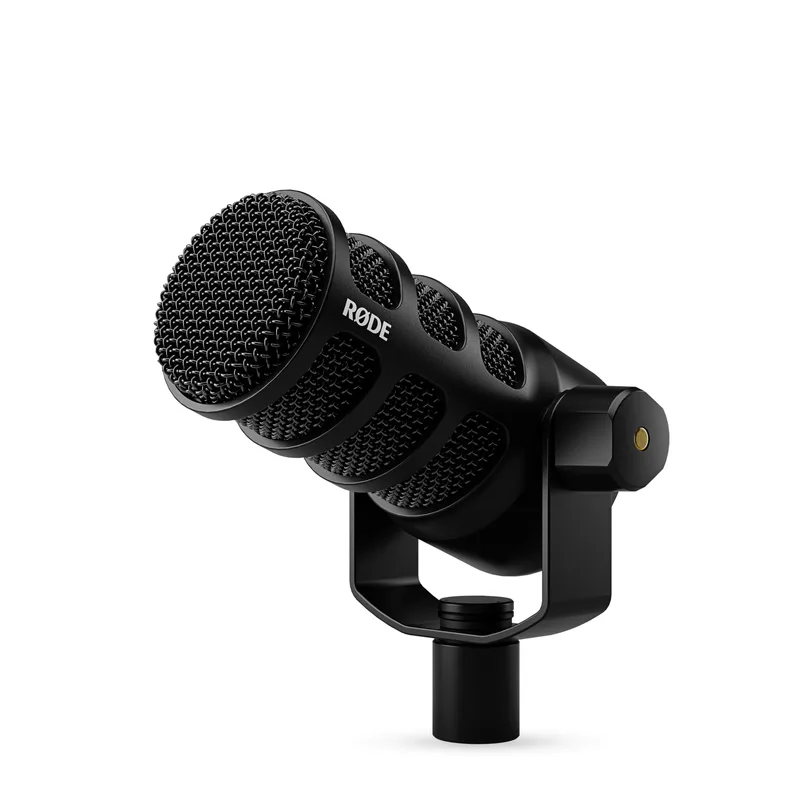 B tier #3 1 of 9 research runs entered this as a product to avoid rather than a pick.
Rode PodMic USB
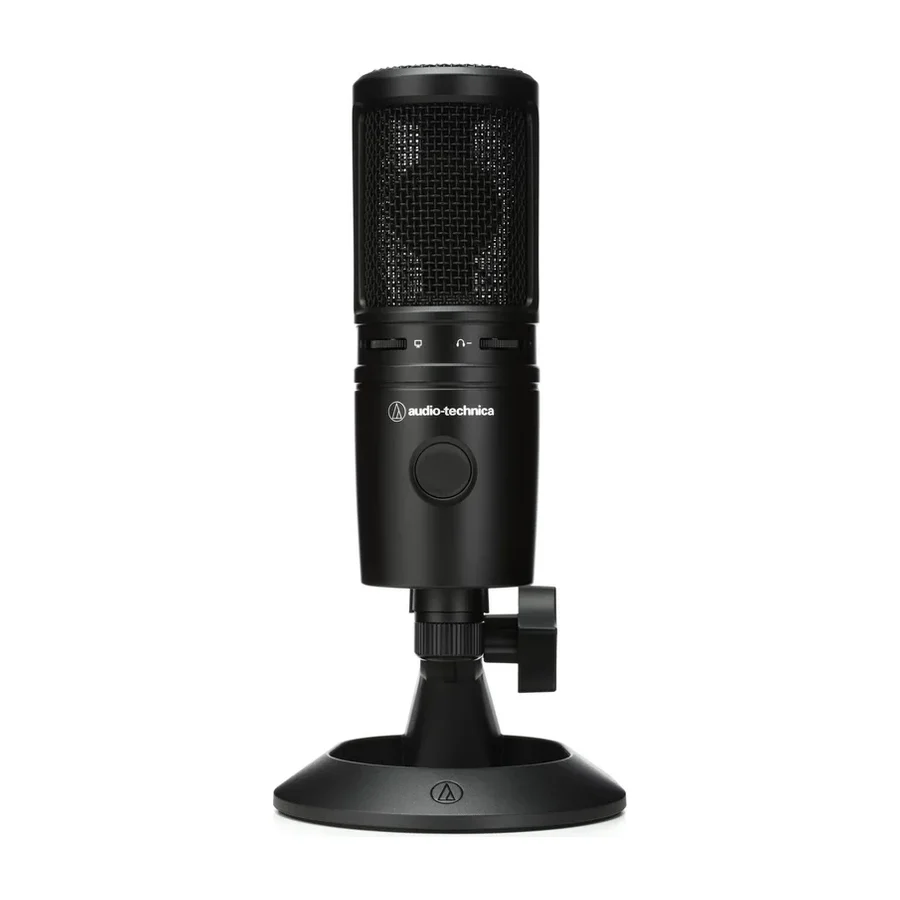 B tier #4
Audio-Technica AT2020USB-X
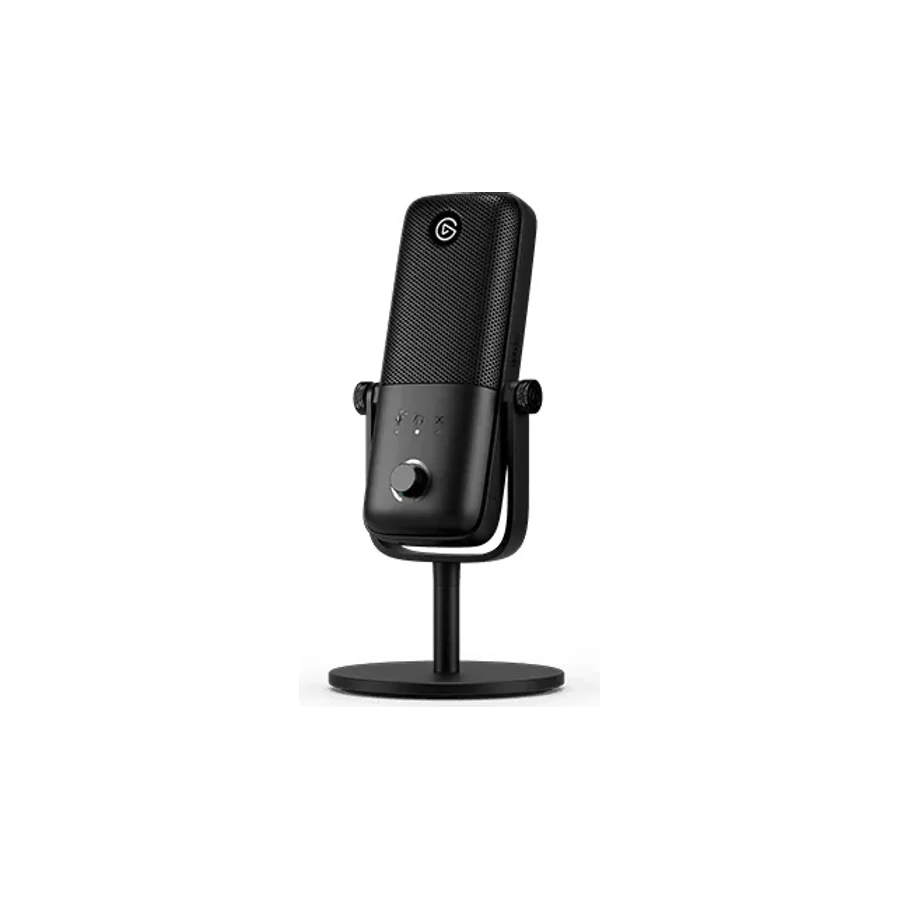 B tier #5
Elgato Wave:3
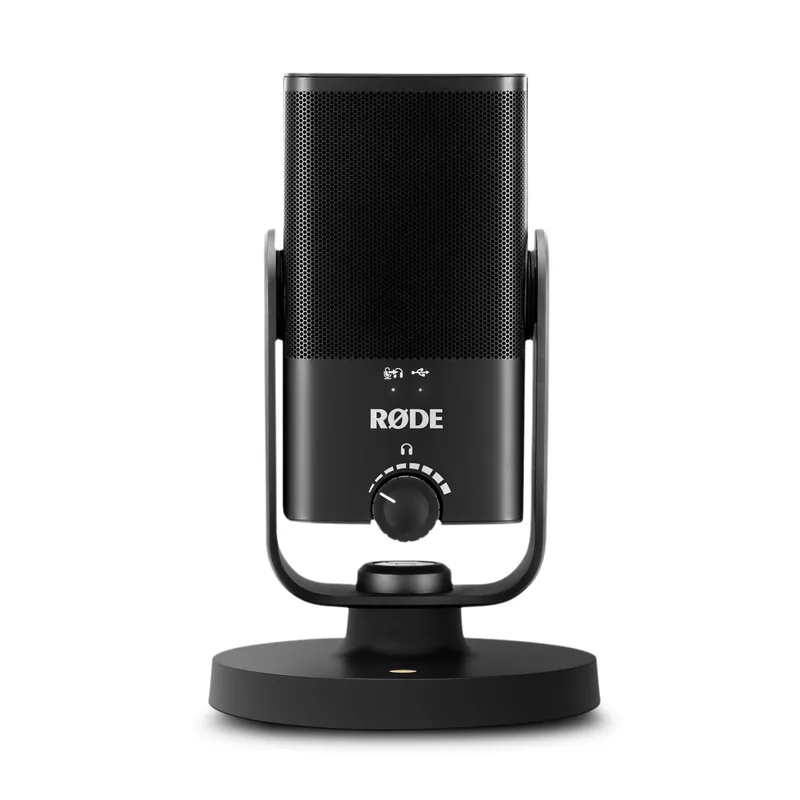 B tier #6
Rode NT-USB Mini
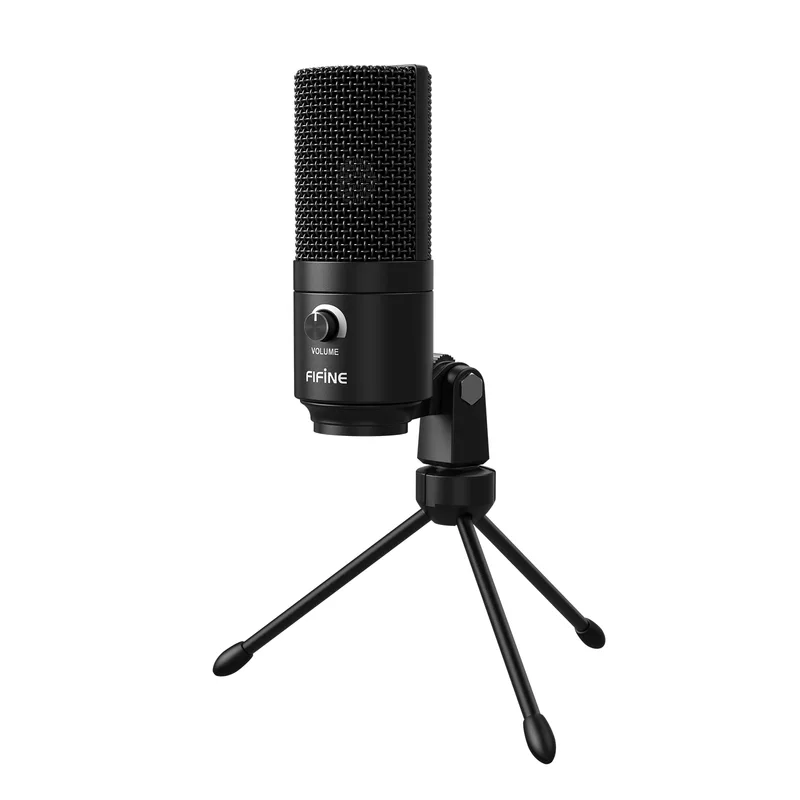 F tier #13 2 of 6 research runs entered this as a product to avoid rather than a pick.
FIFINE K669B
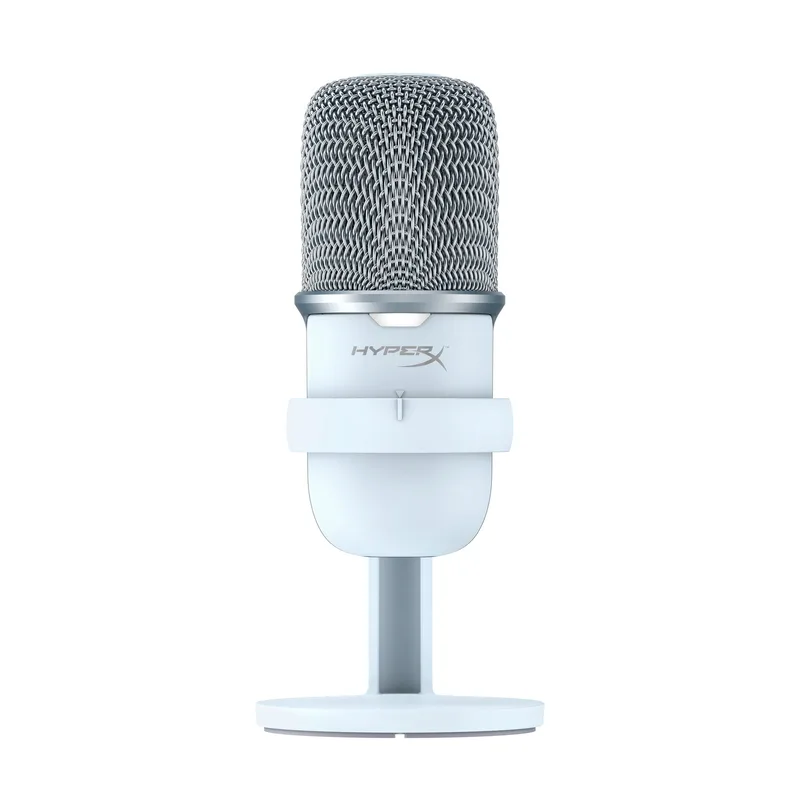 F tier #14 1 of 8 research runs entered this as a product to avoid rather than a pick.
HyperX SoloCast
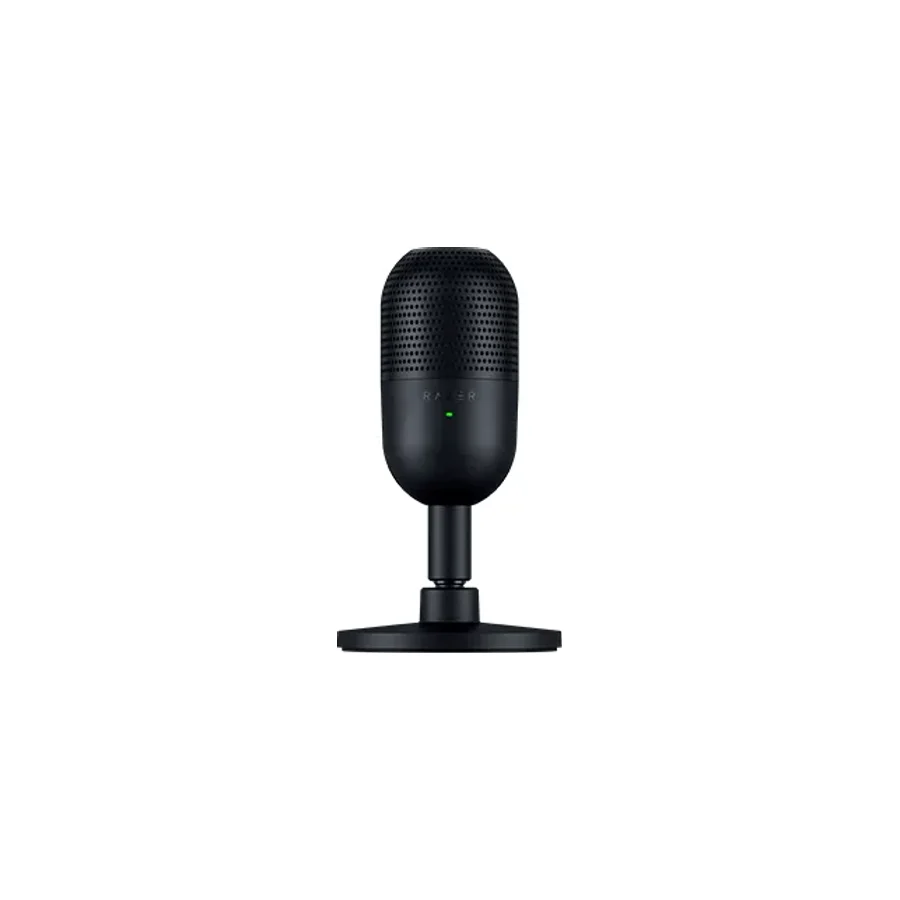 F tier #15 2 of 9 research runs entered this as a product to avoid rather than a pick.
Razer Seiren V3 Mini
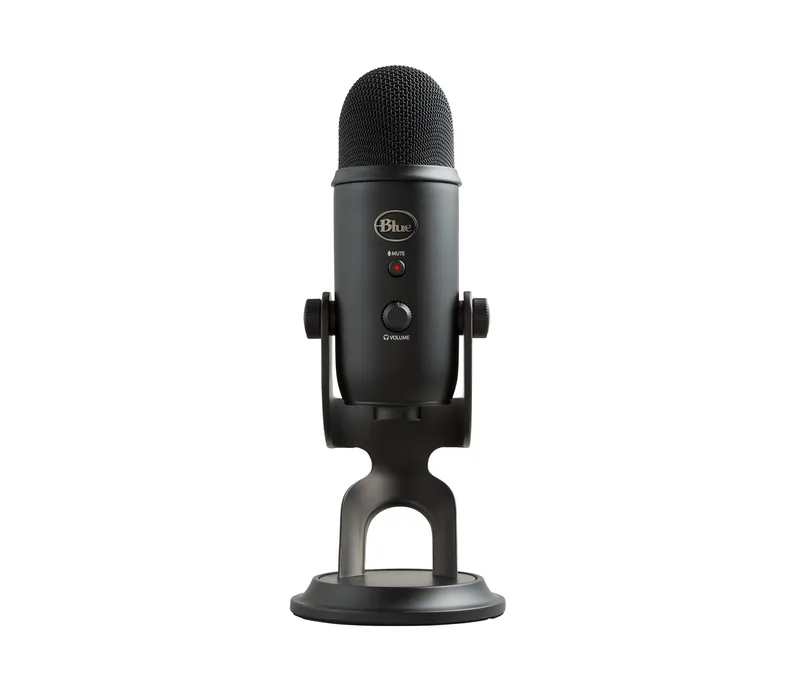 F tier #16 3 of 9 research runs entered this as a product to avoid rather than a pick.
Blue Yeti
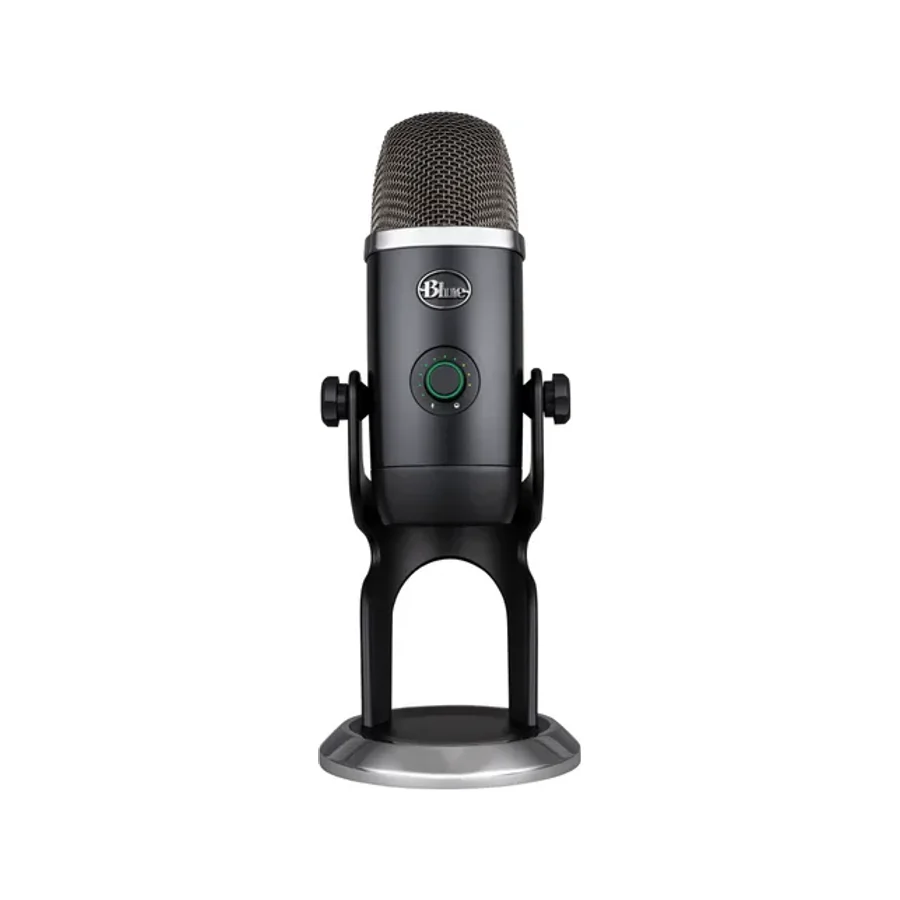 F tier #17 2 of 9 research runs entered this as a product to avoid rather than a pick.