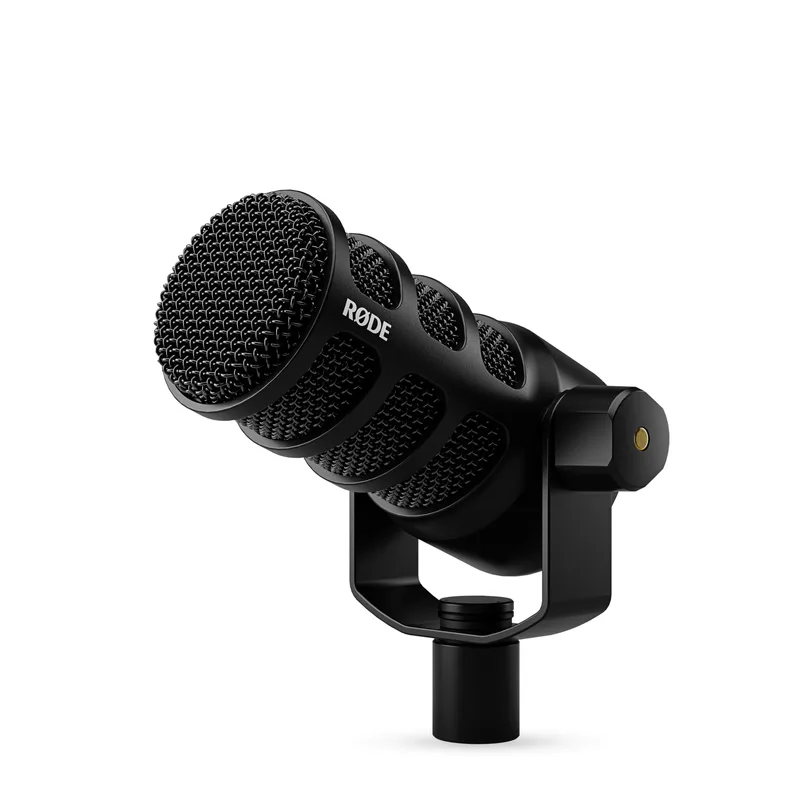
Rode PodMic USB
The Rode PodMic USB’s USB performance is the weakest of the four traps.
Consolidated from 34 cited sources across 26 outlets
Where the cited sources landed, as we read them
- 24 positive sources
- 3 mixed sources
- 4 unconvinced sources
1 of 9 research runs entered this as a product to avoid rather than a pick.
The Rode PodMic USB is marketed as a podcast-specific mic, but reviewers say its USB conversion adds noise and it lacks the clarity of Rode’s higher-end NT-USB+.
Flagged 13 September 2026
Pros & cons
- ✓ Podcast-specific design
- ✓ Clear vocal capture
- ✓ Durable construction
- ✓ USB-only design
- ✓ Rugged build
- ✗ USB conversion adds noise
- ✗ Lacks clarity compared to NT-USB+
The sources behind this ranking
We searched the web and YouTube for what has been published about this product, then read the articles, video transcripts and comments we found. 2 outlets wouldn't let us check their links.
Evidence 19 articles, 7 video reviews and 8 community sources
24 positive sources
 MusicRadar Article · Mar 2026
If you already know your way around USB mics , the Rode PodMic USB immediately feels like it is built for the recurring, important parts of recording. It is a dynamic end-address mic with a tight cardioid pattern, and that combination is pretty established as the ideal pairing for untreated rooms. You can work closer than you would with a typical USB condenser , leaning into proximity effect for that thicker broadcast tone, and keeping more of the room out of the capture simply because the mic is not as eager to scoop up reflections and desk ambience. Rode’s own placement guidance backs this up too, with the mic happiest at close distance where speech stays present and confident.Read R
 RØDE RØDE · 199K subscribers · May 2023
Featuring the same high-power neodymium capsule, it has a sound signature that is very similar to the original PodMic, which flatters every voice type and sounds great on a wide range of content creation applications. It has an inbuilt pop filter for helping to reduce plosives, which are those annoying pops that you can sometimes hear on hard sounds like Ps and Bs. With the PodMic USB, we've also included a custom foam pop filter that you can add to the mic if you need additional plosive protection, which not only means that you don't have to get a separate accessory, but it also perfectly matches the sleek and stylish aesthetic of the mic.Watch G
 GamesRadar+ Article · Dec 2022
This is hands-down the biggest rival to Shure's MV7+, and might be one of the most underrated mics on the market right now. If you're sick of hearing the debate between USB and XLR mics, the RODE PodMic USB might just be the pacifier you need. As RODE mics go, this is accessible and versatile, so it has to be on this list for the folks that have always looked at RODE audio products as the golden goose that's just that bit too expensive to ever afford.Read T
 Tom Buck Tom Buck · 186K subscribers · Jun 2023
I think this actually sounds pretty decent.Watch F Facebook Facebook post
The Podmic is a $99 dynamic mic built for spoken word, and several users say it “slayed” the SM7B in direct tests with minimal EQ. The SM7B is seen as the industry standard for podcasts and radio, but it’s 4x the price and requires more gain. For most phone-listened podcasts, the Podmic’s performance isn’t $300 noticeable, making it the budget favorite.View post B
 Bamby Media Bamby Media · 2.5K subscribers · Oct 2023
Thing they can both do both XLR and USB and I wanted to put it to the test I Have been using the RØDE PodMic now for a while and I'm loving it Shure also makes incredible microphones. And so I wanted to test what the differences were between these two microphones. They're essentially the same price point as well. I am letting you know my recommendations.Watch F Facebook GrandStoresDigitalME
The RODE PodMic is a broadcast-quality dynamic microphone optimised for podcasting, with a rich, balanced sound and an internal pop filter to minimise plosives. Its cardioid polar pattern picks up your voice while reducing unwanted sound from the sides and background, built for real rooms, not just treated studios.View post J
 JoshyyRed JoshyyRed · 2K subscribers · Jul 2026
But, the PodMic USB actually does a lot right.Watch F Facebook GrandStoresDigitalME
The RODE PodMic is a broadcast-quality dynamic microphone optimised for podcasting, with a rich, balanced sound and an internal pop filter to minimise plosives. Its cardioid polar pattern picks up your voice while reducing unwanted sound from the sides and background, built for real rooms, not just treated studios.View post S
 Selectos EN Selectos EN · 207 subscribers · Aug 2026
The first is ideal for vocals and the second ensures very good value for money. And that concludes this duel. In case you are interested in either of these two products, you will find their links right below the video.Watch M
MusicRadar Article · Jul 2022 The Rode PodMic USB is one of the best microphones you can buy for podcasting. Yes, there are better microphones, and yes, you might benefit from one day investing in a more modular audio capturing system, but as far as bang for buck is concerned, this is a clear and versatile podcasting winner.Read B
 BAMBY MEDIA Brianna Ansaldo · reviewer · Aug 2023
I found the Rode PodMic USB XLR edition to be a superb upgrade to the original XLR-only PodMic. With the added USB option, it has become more versatile and is an excellent choice for podcasters starting with a USB setup and considering an upgrade to XLR in the future.Read M
 Mixing Monster Article · Sept 2025
We’ve logged a lot of hours with the RØDE PodMic USB in various recording situations, and it consistently delivers. The dynamic capsule brings out warmth and clarity in vocals, and the built-in processing gives everything a polished, broadcast feel.Read A
 AI Creator Picks Daniel Levi · reviewer · Jun 2026
Quick verdict: For most buyers in 2026, the Rode PodMic wins. As a dynamic XLR mic it rejects room echo and background noise far better than the Blue Yeti, which is the deciding factor in an untreated home studio.Read M r/microphone reddit.com
Rode is a good brand and the PodMic USB is a good product. Assuming that you aren't abusing the product (and even some mild abuse would likely be fine, other than maybe on the USB connector), you'll be fine.Read thread M
 MicroPicked David King · reviewer · Mar 2026
Among the mics we review, the Rode PodMic USB and Shure MV7+ offer the best noise rejection for home recording. Condenser mics pick up more room sound regardless of polar pattern.Read P
 Pcmag Tim Gideon · reviewer
The affordable XLR-based Rode PodMic delivers a clean, accurate signal and mostly eliminates the need for an external pop filter.Read P
 PC Guide Sebastian Kozlowski · reviewer · Jan 2026
It’s not just visually pleasing either—the knurled texture and smooth rotation of the dial add to the PodMic’s premium feel.Read T
 the greatest song Ted S. · reviewer · Jul 2023
The Rode PodMic is suited to podcasters and voice-over artists in search of an affordable, quality microphone.Read A
 Alan Spicer - YouTube Certified Expert Alan Spicer · reviewer · May 2026
For creators weighing which broadcast dynamic to buy, the PodMic is often the smarter purchase.Read G Gimaxo Gimaxo Editorrial Team · reviewer · Nov 2025
Rode PodMic USB: excellent sound, requires software for mixingRead N
 NearStream Official NearStream Team · reviewer · Mar 2025
Overall, for the money you really can't go wrong.Read P
 PrintKK Unique Print on Demand PrintKK · reviewer · Jun 2026
One of the most practical mics on this list.Read M
MicroPicked David King · reviewer · Mar 2026 The PodMic USB is a voice mic first.Read
3 mixed sources
 Tom's Hardware Article · Jan 2024
While the PodMic USB's USB-connectivity adds convenience to this mic, it's still not the most convenient mic for new streamers to pick up, as it doesn't come with a stand — and you will need a stand. Instead, it comes with a swing mount that can be attached to a stand (or, more likely, a boom arm).Read M r/microphone u/hobovirginity · owner
I prefer XLR setups, but the processing effects of Rode USB mics, particularly ones like this that have DSP chips, are incredible. It's not just an interface inside the mic, but also a compressor and EQ.Read thread H
 Higher Hz Brandon Schock · reviewer · Mar 2026
In terms of connectivity, the Rode PodMic USB offers USB-C as well as XLR output, which adds to the versatility. There’s also a 1/8-inch headphone output for easy monitoring.Read
4 unconvinced sources
 EEVblog EEVblog · reviewer · Aug 2026
Dave’s Rode PodMic USB failed, so might as well do a quick teardown before returning it under warranty.Read E
 EEVblog EEVblog · 1M subscribers · Aug 2026
It's the PodMic USB, made in Australia, not Austria, that has unfortunately failed.Watch I Instagram Instagram post
Rode PodMic USB's are FAILING, and it happened to mine.View post E
 EEVblog2 EEVblog2 · 115K subscribers · Aug 2026
It turns out that the PodMic USB has failed.Watch
3 stance not read sources
 Medium Article · Feb 2026
The Rode PodMic showed up in a surprisingly small box. I’d read dozens of reviews calling it “broadcast quality” and “the best budget podcast mic.” For $99, it seemed like the obvious choice.Read @ @maonomics TikTok post View post @ @maonomics TikTok post View post
Frequently asked questions
It ranks #3 of 17 on our USB microphones tier list, in B tier. That placement draws on 34 cited sources across 26 outlets.
4 of the 31 sources with a clear view are critical of it: EEVblog, EEVblog2 and Instagram. USB conversion adds noise. Lacks clarity compared to NT-USB+.
On our usb microphones board, Shure MV7+ ranks #1 (S tier) ahead of Rode PodMic USB at #3 (B tier). Shure MV7+: Hybrid USB/XLR, studio-grade controls, plug-and-play, and excellent sound make it the most versatile and reliable choice for everyday use.
On our usb microphones board, Rode PodMic USB ranks #3 (B tier) ahead of Rode NT-USB Mini at #6 (B tier). Rode NT-USB Mini: Compact yet solid sound. Its USB-only design keeps setup minimal, making it a top pick for streamers.
Ranked nearby in USB Microphones
 S tier #1
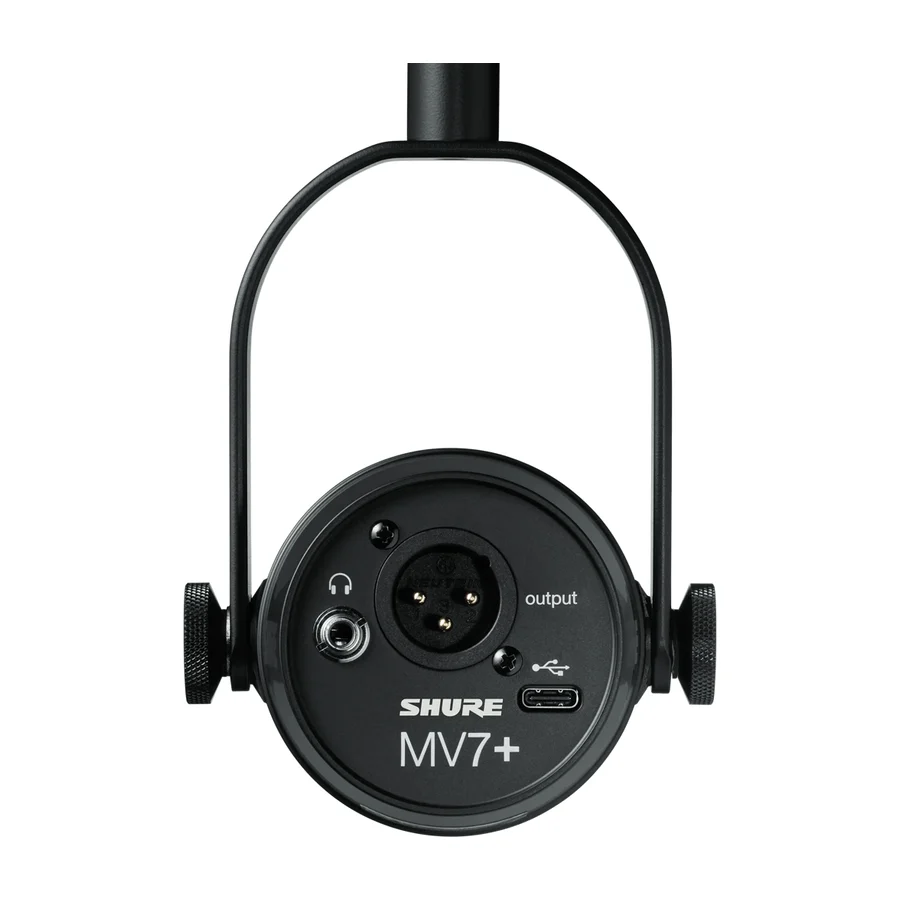
Shure MV7+
 A tier #2
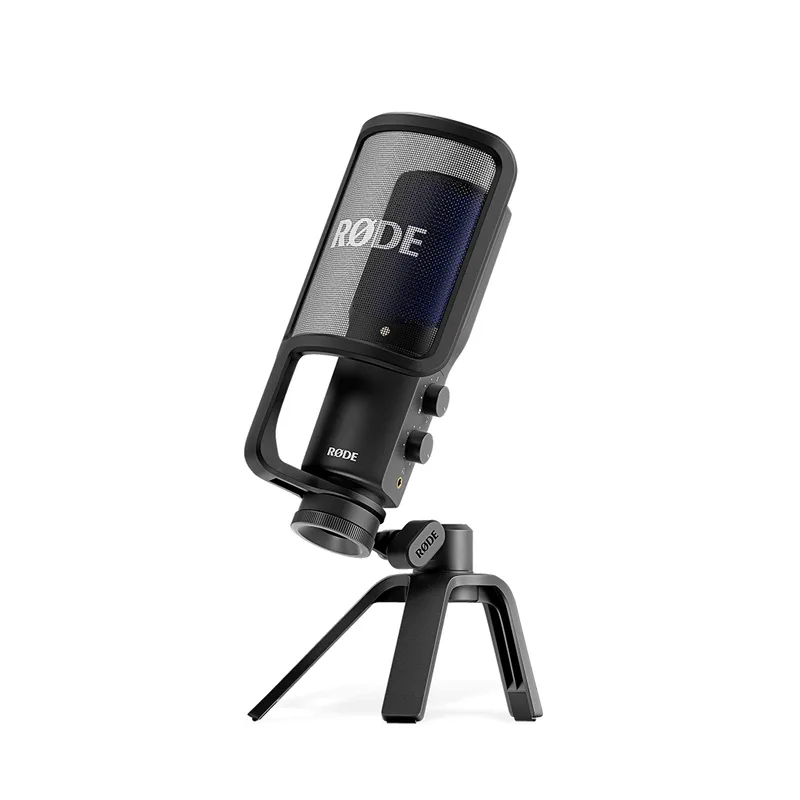
Rode NT-USB+
 B tier #4
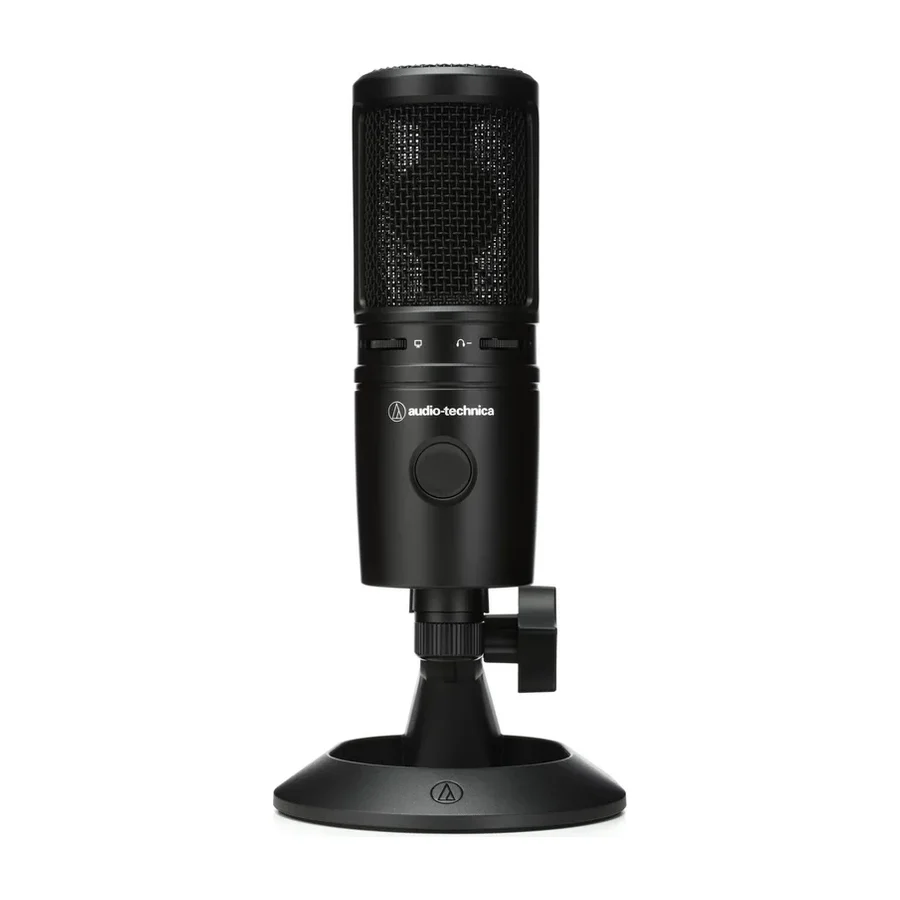
Audio-Technica AT2020USB-X
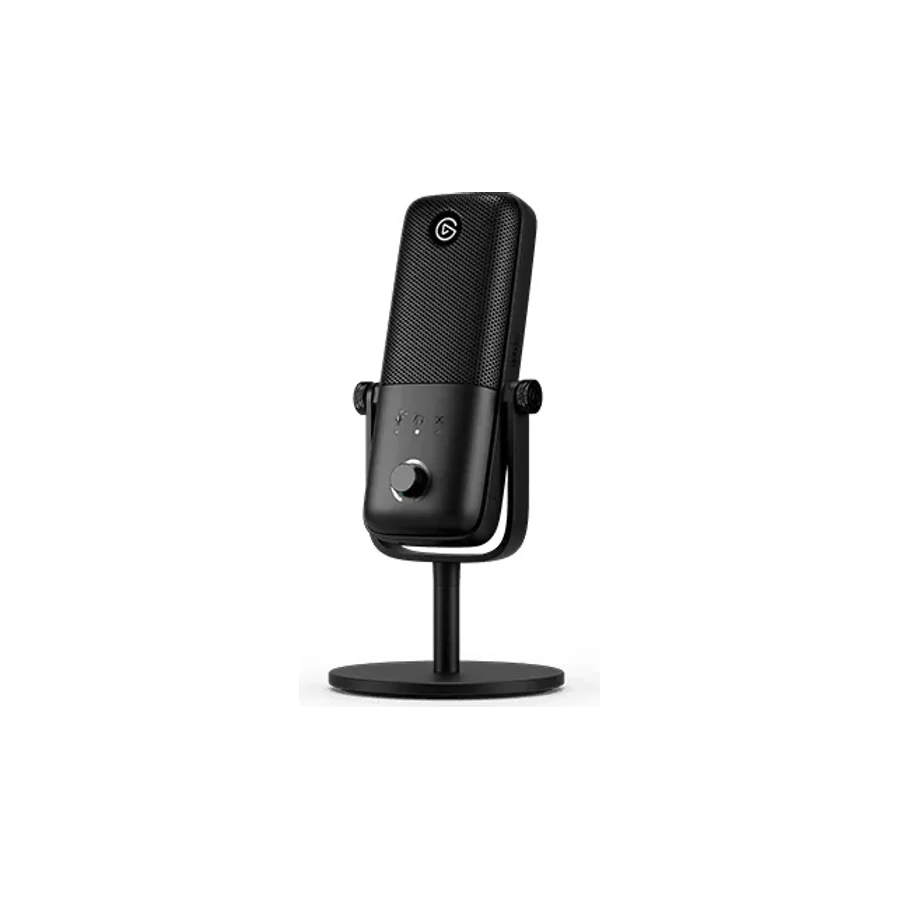 B tier #5
Elgato Wave:3
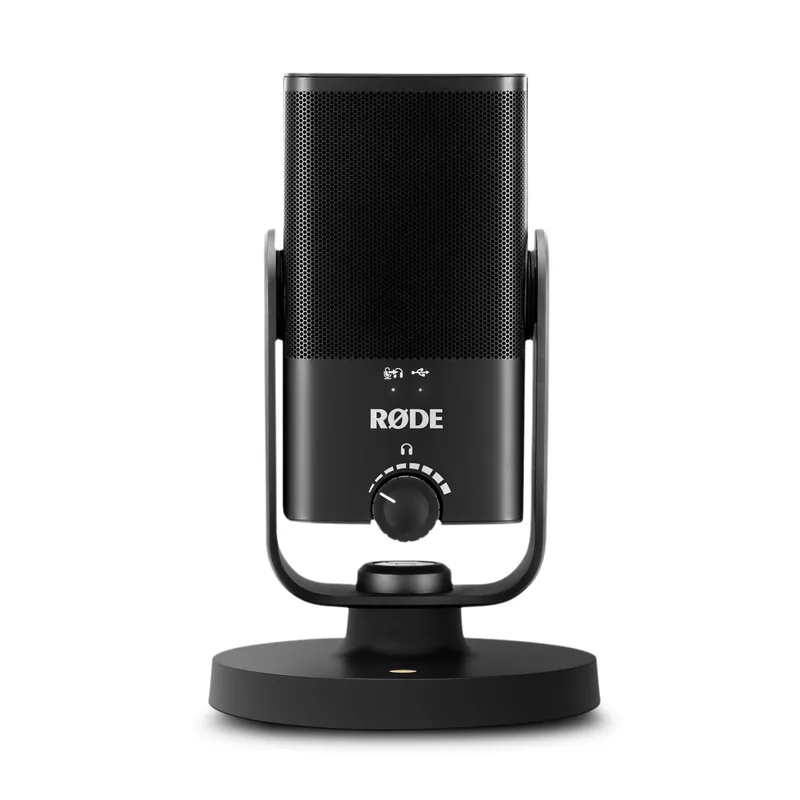 B tier #6
Rode NT-USB Mini
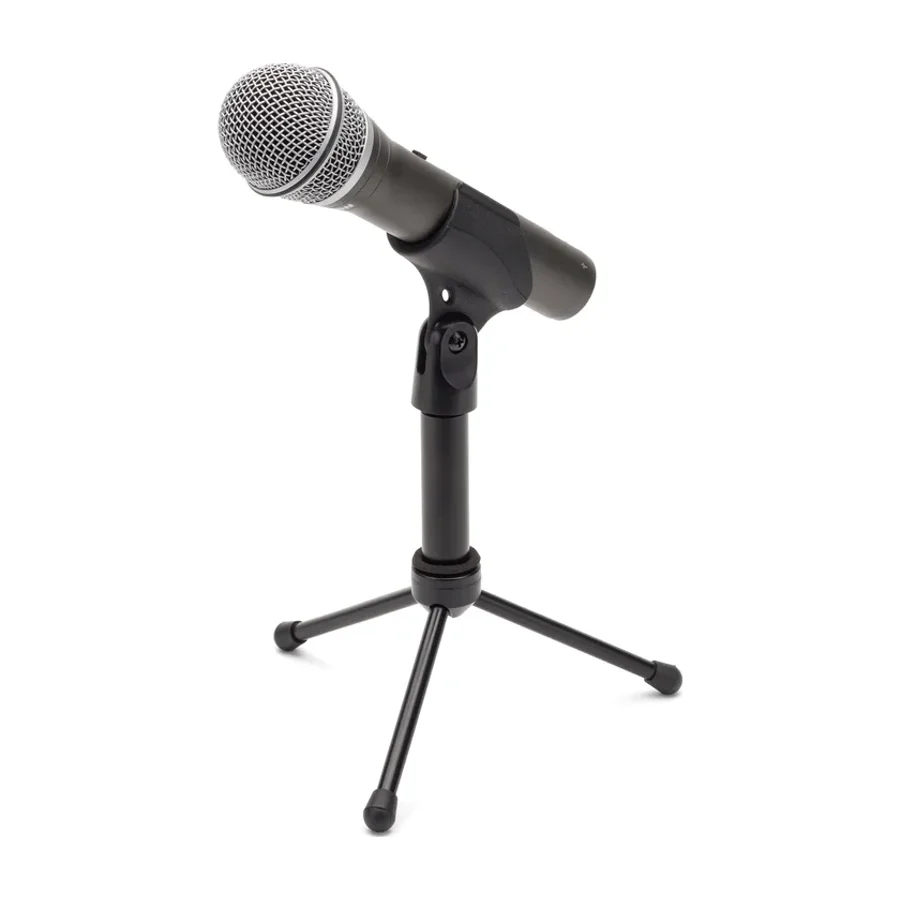 C tier #7 2 of 9 research runs entered this as a product to avoid rather than a pick.
Samson Q2U
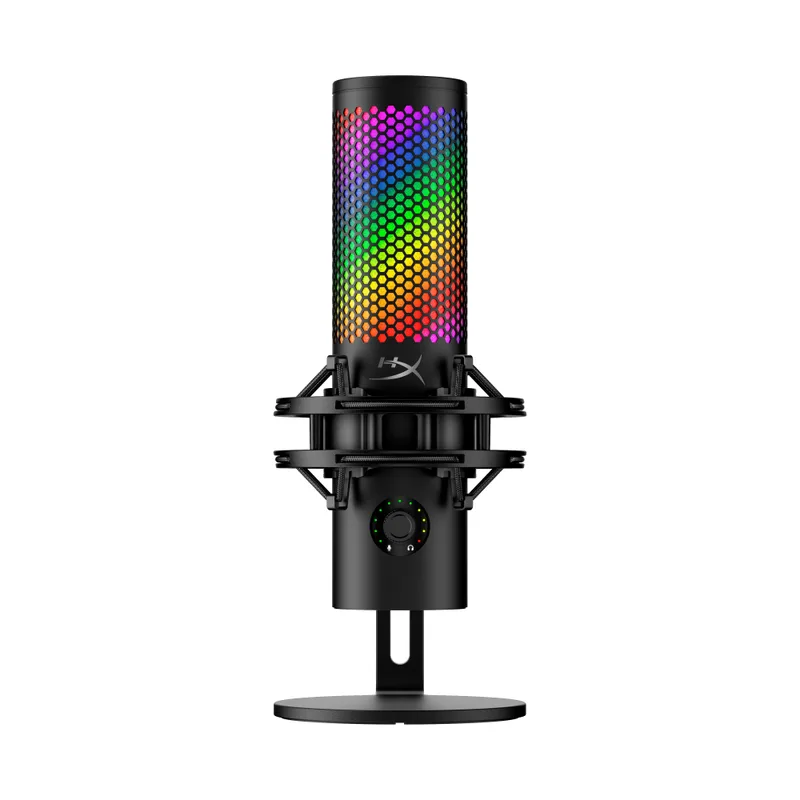 C tier #8
HyperX QuadCast 2 S
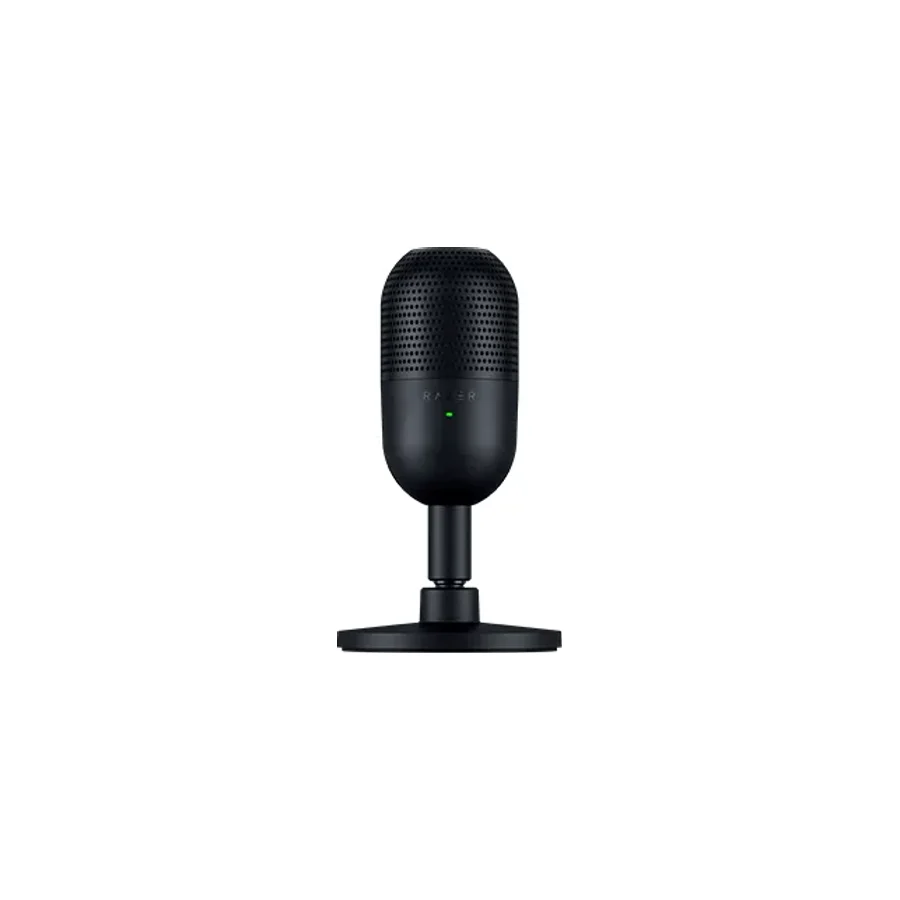 F tier #15 2 of 9 research runs entered this as a product to avoid rather than a pick.
Razer Seiren V3 Mini
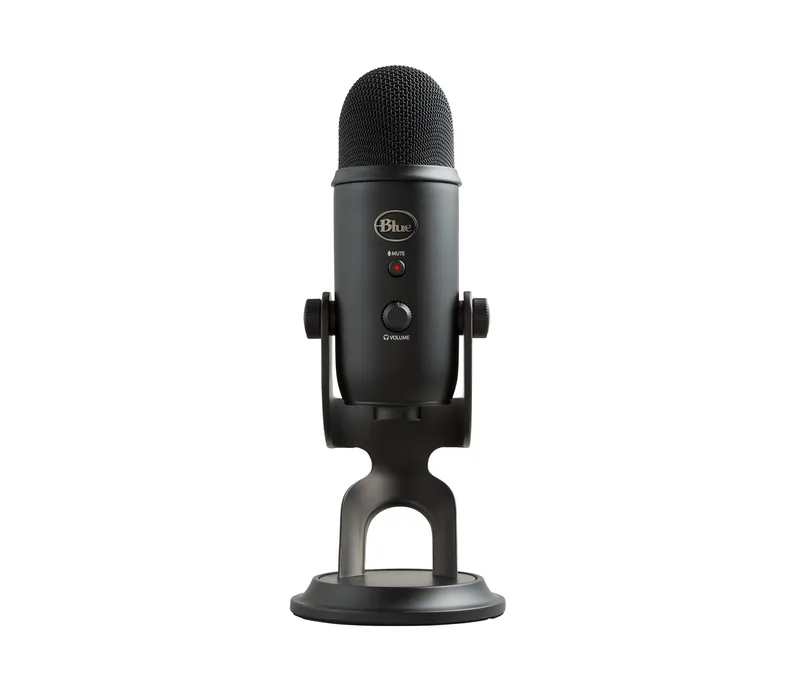 F tier #16 3 of 9 research runs entered this as a product to avoid rather than a pick.
Blue Yeti
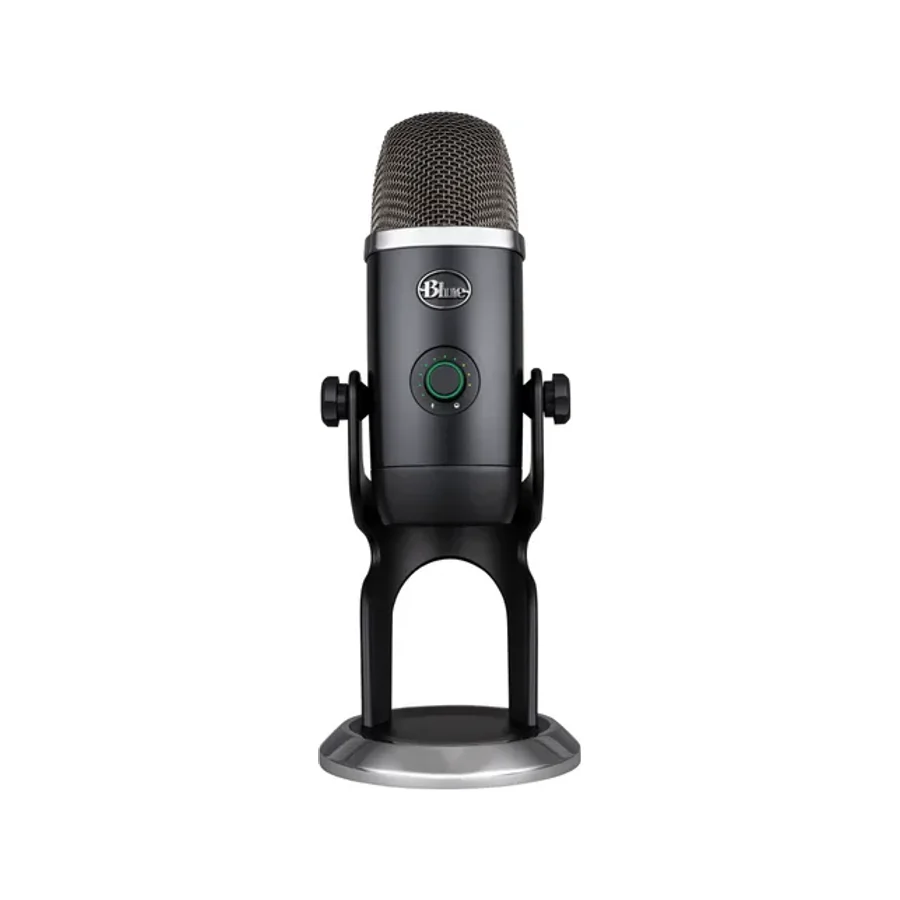 F tier #17 2 of 9 research runs entered this as a product to avoid rather than a pick.