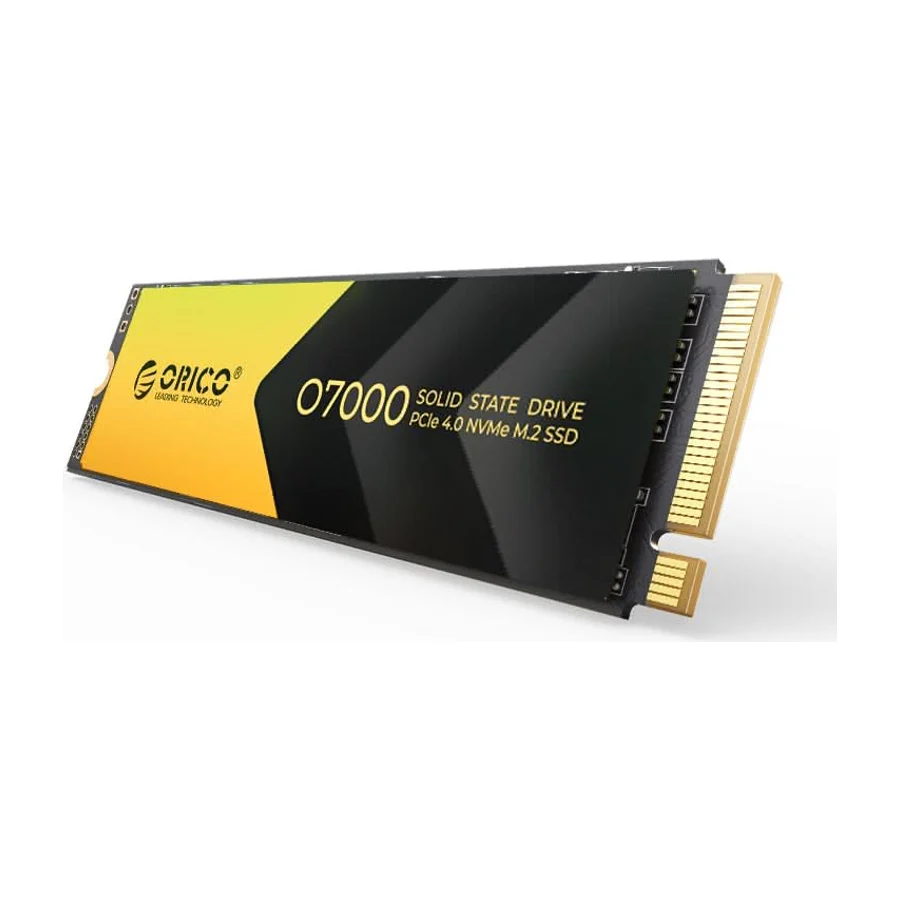
Orico O7000
Claims fast NVMe speeds that fall short under real-world testing.
Consolidated from 5 independent outlets
Where the cited sources landed, as we read them
- 4 positive sources
- 1 unconvinced source
1 of 2 research runs entered this as a product to avoid rather than a pick.
Promoted as a fast NVMe SSD, yet expert testing shows its sequential speeds lag behind even entry-level PCIe 3.0 drives and its thermal throttling is problematic under load.
Flagged 27 July 2026
Pros & cons
- ✓ Aggressively priced PCIe 4.0 drive
- ✓ Review-sample hardware looks fine on paper
- ✗ Sequential speeds below entry-level PCIe 3.0
- ✗ Thermal throttling under load
- ✗ No meaningful firmware-update track record
- ✗ No proven long-term RMA infrastructure
- ✗ No multi-year field data
The sources behind this ranking
We searched the web and YouTube for what has been published about this product, then read the articles, video transcripts and comments we found.
Evidence 1 article and 4 video reviews
4 positive sources
 TechRadar Article · Jul 2022
When we first tested the Orico O7000, it immediately stood out as a rare sweet spot between performance and affordability, which means it's my top pick for the best budget SSD.Read J
 Jayce Ooi Jayce Ooi · 21.7K subscribers · Apr 2025
In short, Oracle O7000 SSD has outstanding performance. The loading time from the SSD is the same as the internal storage. Therefore, you just need to focus on your games and plenty of this space for more games. By the way, here are the benchmark result for those who are interested. The result will vary on your system. Mine is limited by AMD desktop PC.Watch N
 NOSUKE NOSUKE · 18.9K subscribers · Feb 2025
The SSD provided is the ORICO O7000, which is known as the "Cicada Tribe" in the SSD community. It's known for its good cost-performance ratio because it offers practical performance at a low price. Here's how it compares to the SSD I reviewed last time. The interface is PCIe Gen4, and it doesn't have TLC NAND DRAM. The nominal sequential read speed is 7000MB/s, and the list price is ¥17,980.Watch S
 Silicon Insights Silicon Insights · 730 subscribers · Dec 2024
The O7000 1 TB is rated for 7000 MB per second in reading performance and 6500 MB per second in writing performance, which is fairly good for a PCI 5.0 drive. The absolute limit for NVMe SSDs operating on the PCI 4.0 interface is 8000 MB per second or 8 GB per second, but that's only theoretical. The actual limit is closer to 7500 MB per second, which the O7000 is close to hitting.Watch

Frequently asked questions
It ranks #13 of 16 on our internal SSDs tier list, in F tier. That placement draws on 5 independent outlets.
1 of the 5 sources with a clear view is critical of it: Brutal Reviews. Sequential speeds below entry-level PCIe 3.0. Thermal throttling under load. No meaningful firmware-update track record. No proven long-term RMA infrastructure. No multi-year field data.
Ranked nearby in Internal SSDs
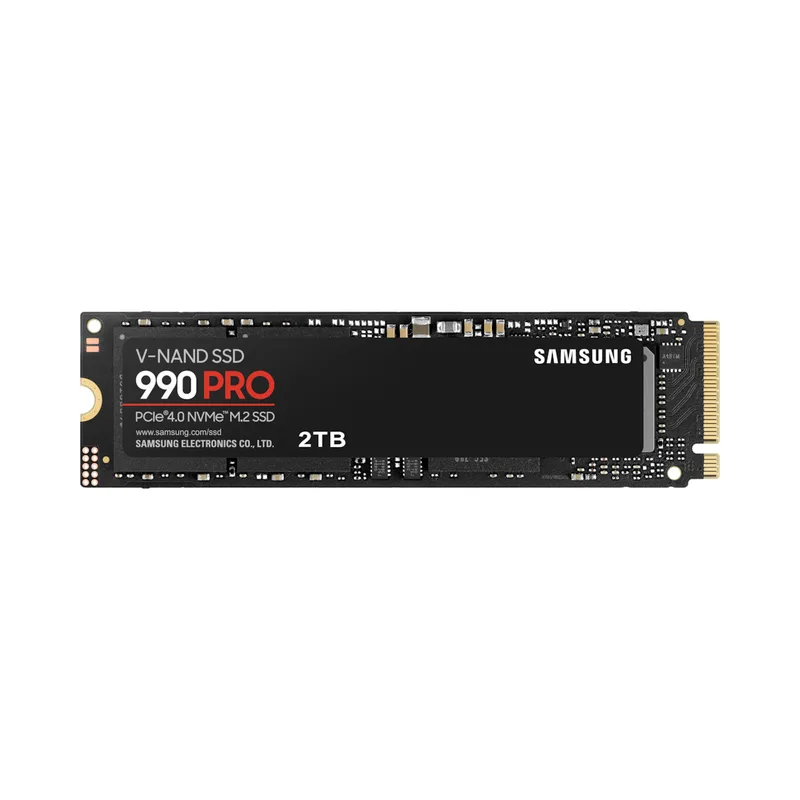 S tier #1
Samsung 990 Pro
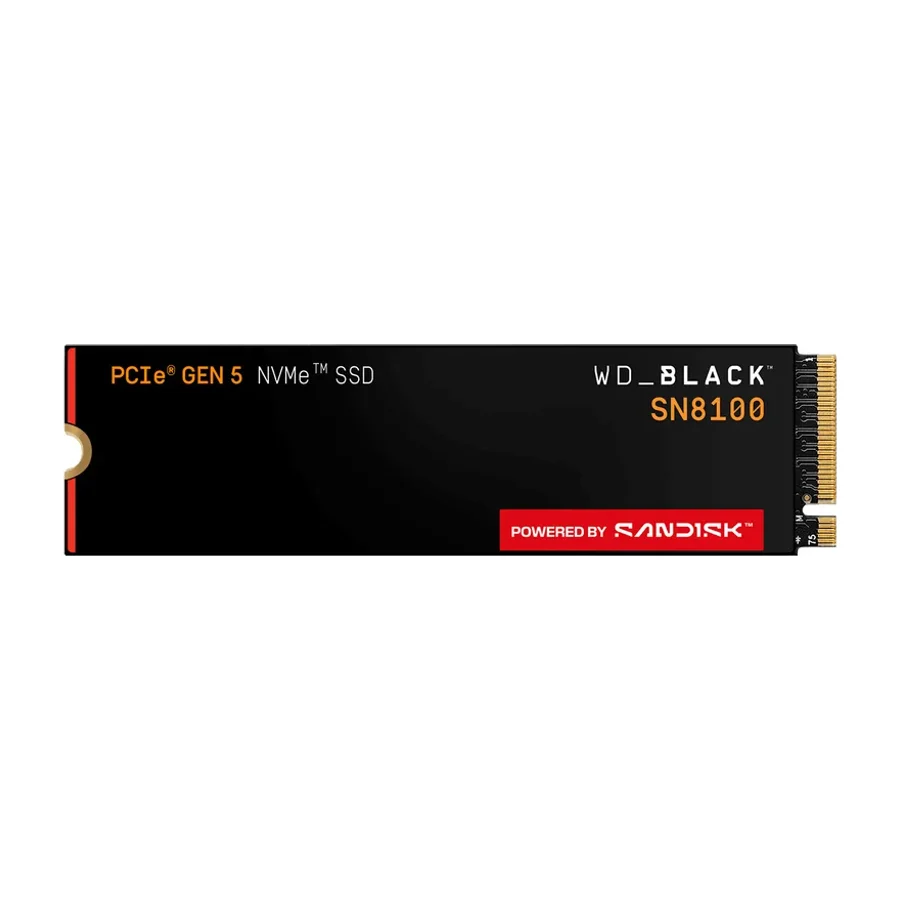 A tier #2
WD Black SN8100
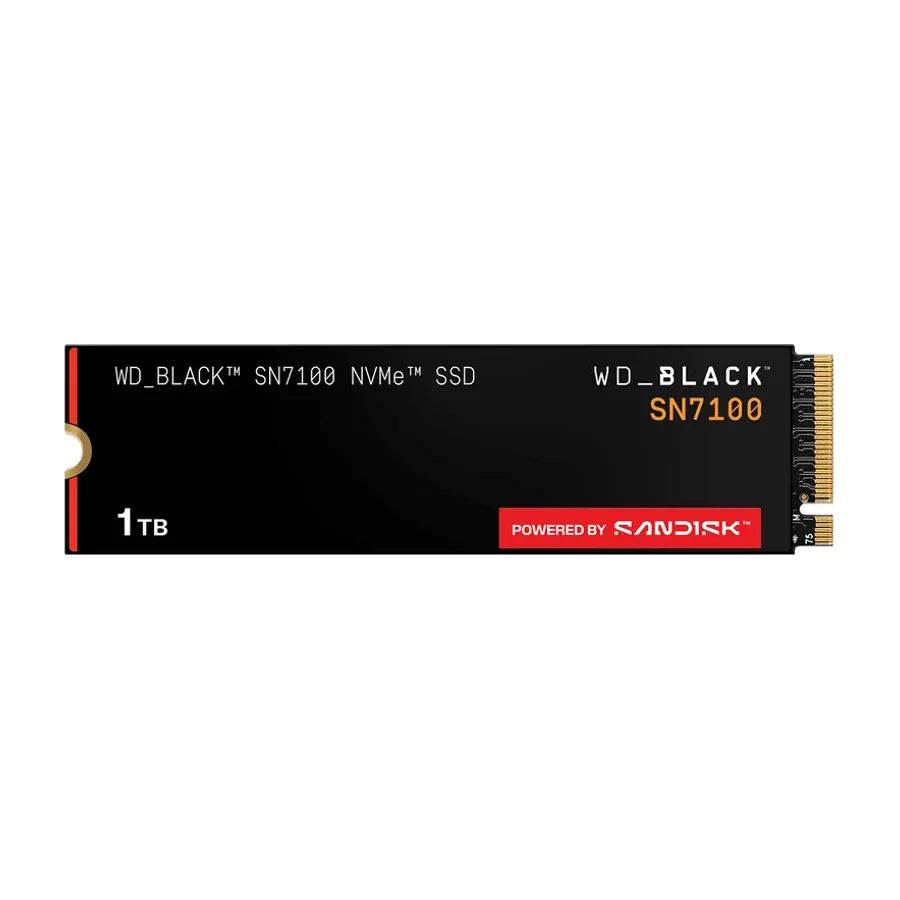 C tier #8 1 of 8 research runs entered this as a product to avoid rather than a pick.
WD Black SN7100
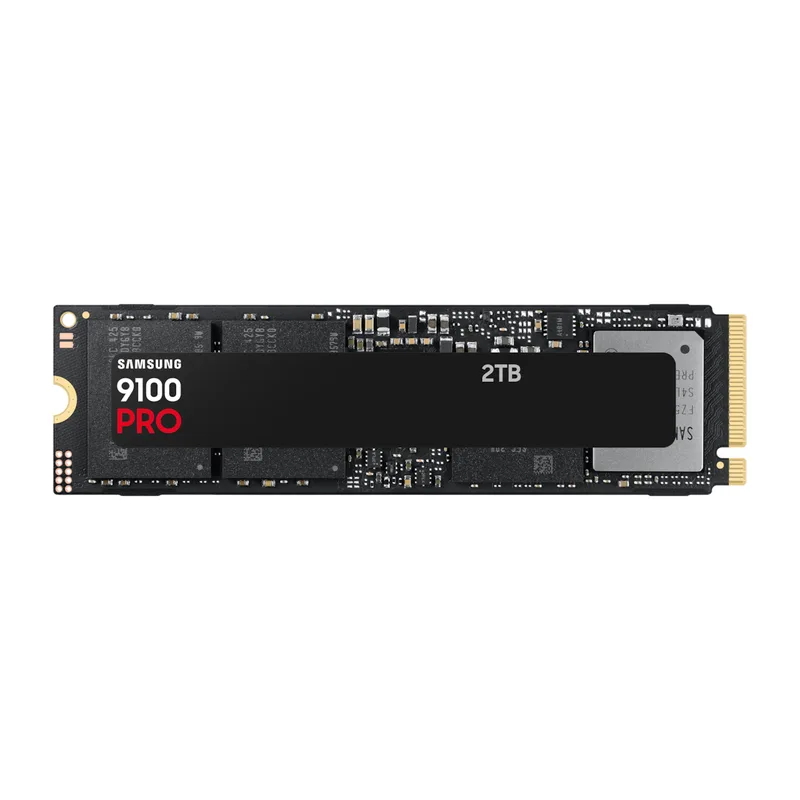 C tier #9 1 of 9 research runs entered this as a product to avoid rather than a pick.
Samsung 9100 Pro
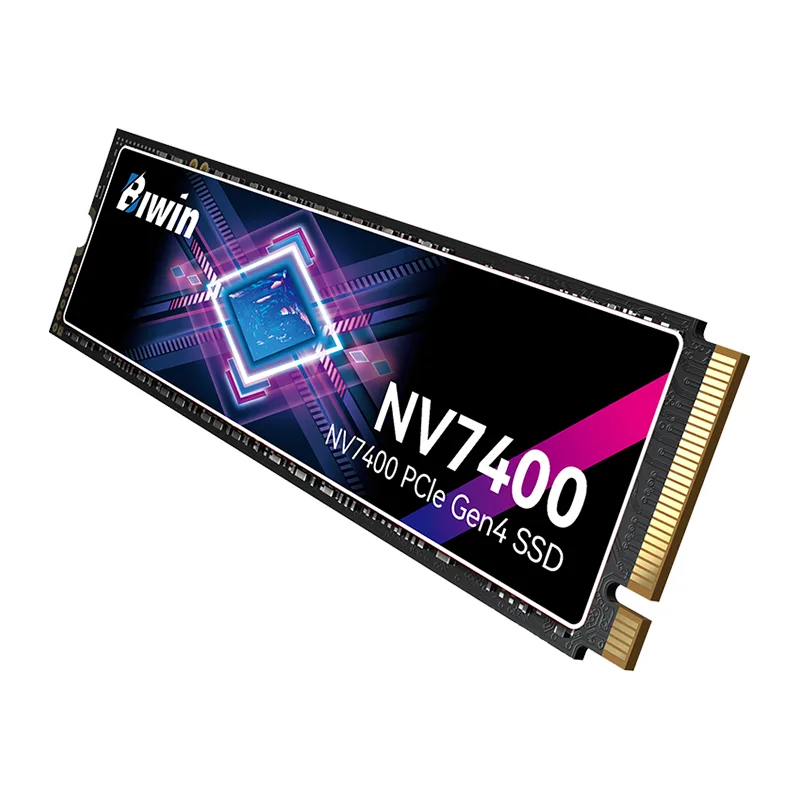 D tier #10 1 of 5 research runs entered this as a product to avoid rather than a pick.
Biwin NV7400
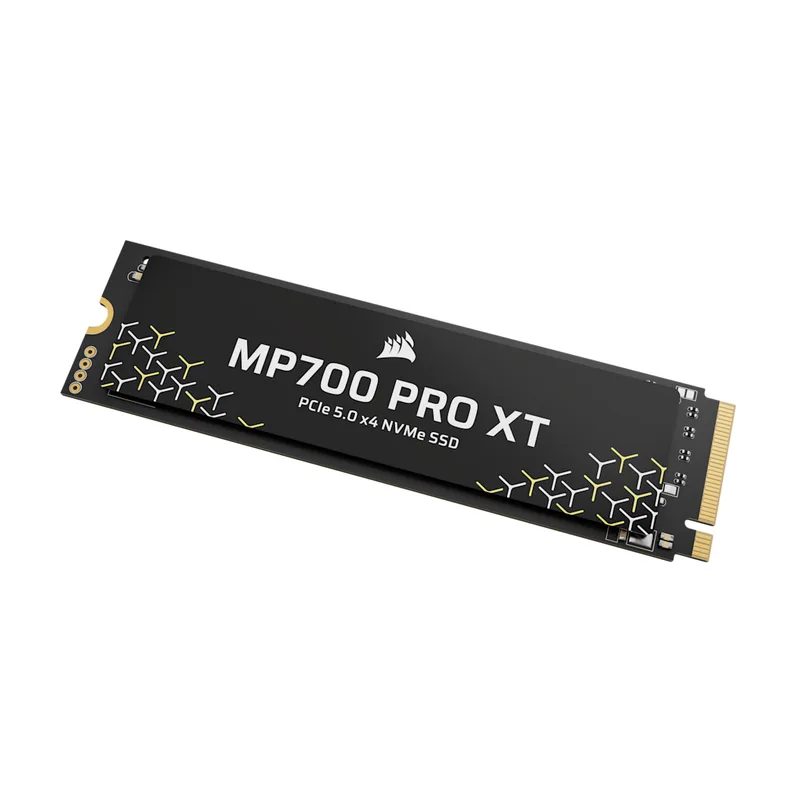 D tier #11 1 of 5 research runs entered this as a product to avoid rather than a pick.
Corsair MP700 Pro XT
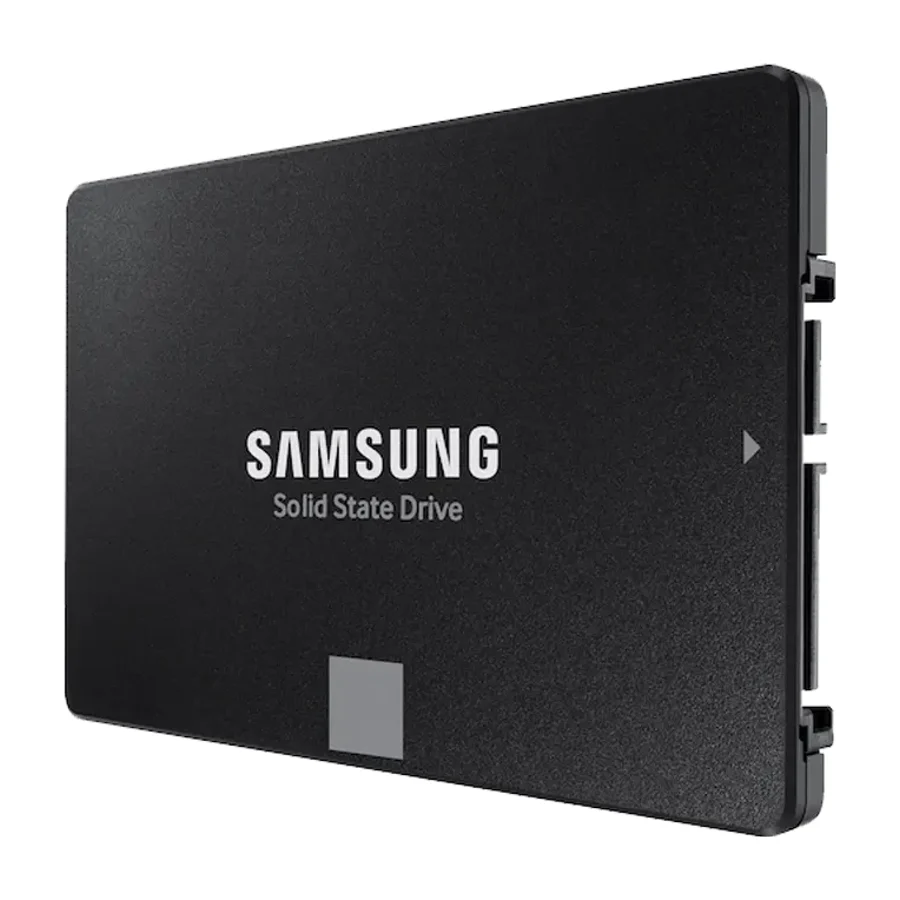 F tier #12 1 of 8 research runs entered this as a product to avoid rather than a pick.
Samsung 870 EVO
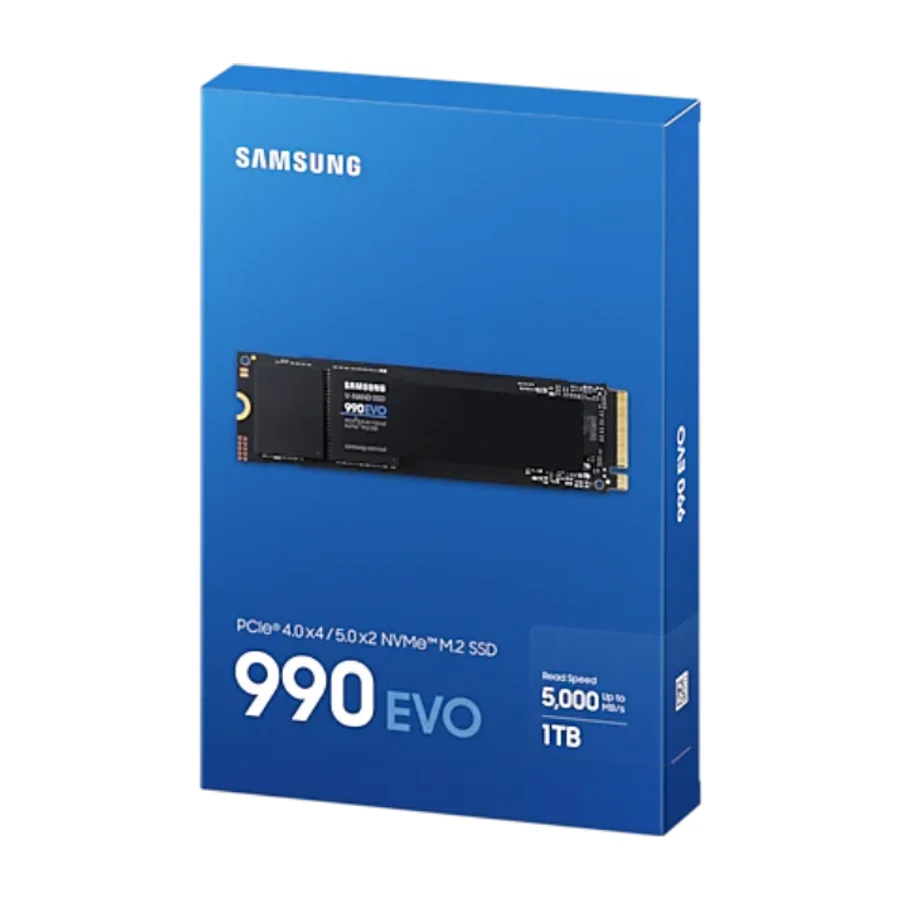 F tier #14 5 of 8 research runs entered this as a product to avoid rather than a pick.
Samsung 990 EVO
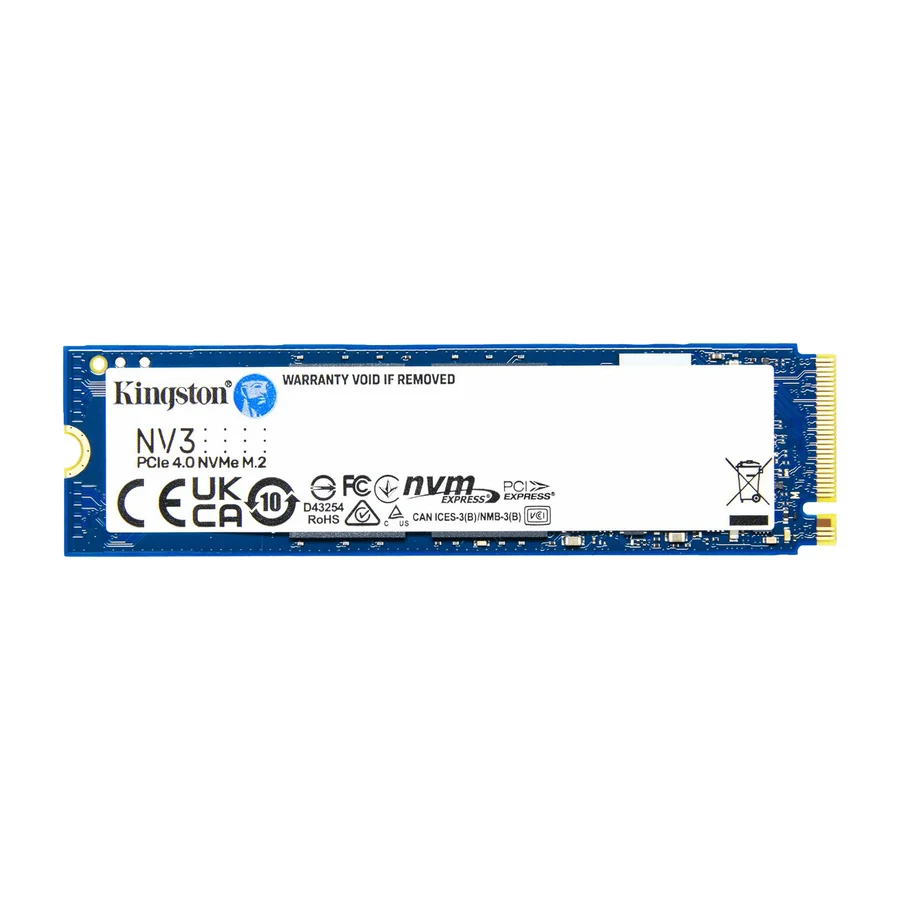 F tier #15 4 of 9 research runs entered this as a product to avoid rather than a pick.
Kingston NV3
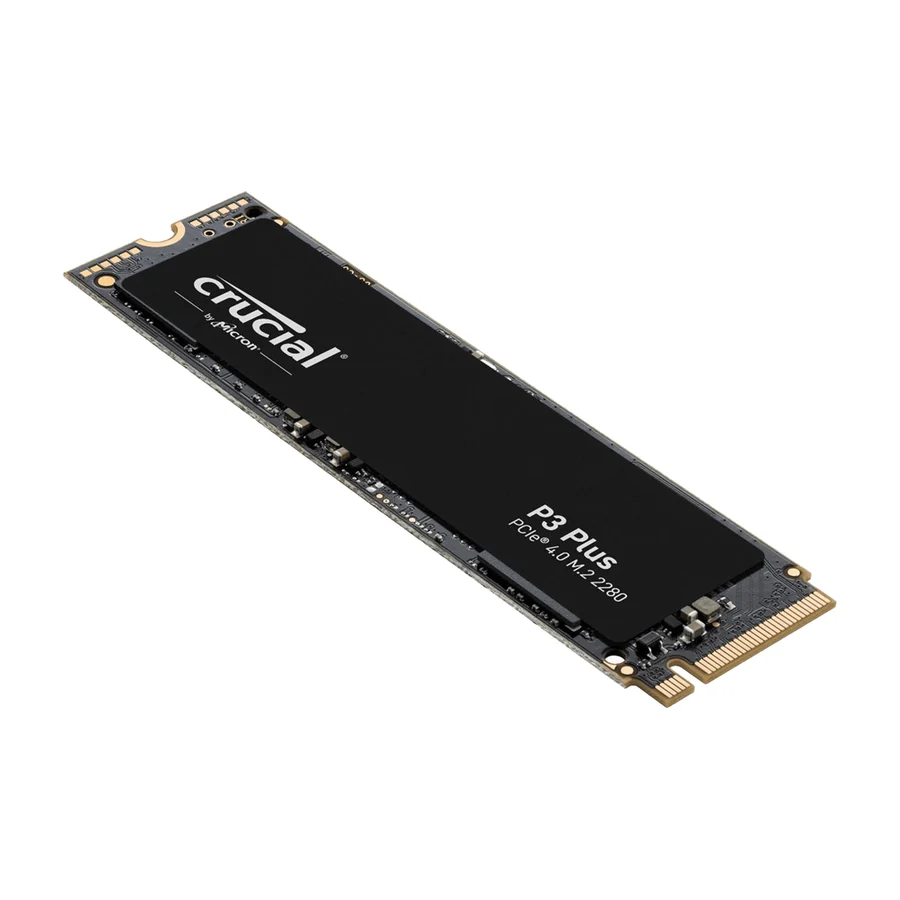 F tier #16 5 of 8 research runs entered this as a product to avoid rather than a pick.