Best XLR Microphones

Compare XLR Microphones

18 ranked products · Two to 4 at a time · Updated 23 Sept 2026

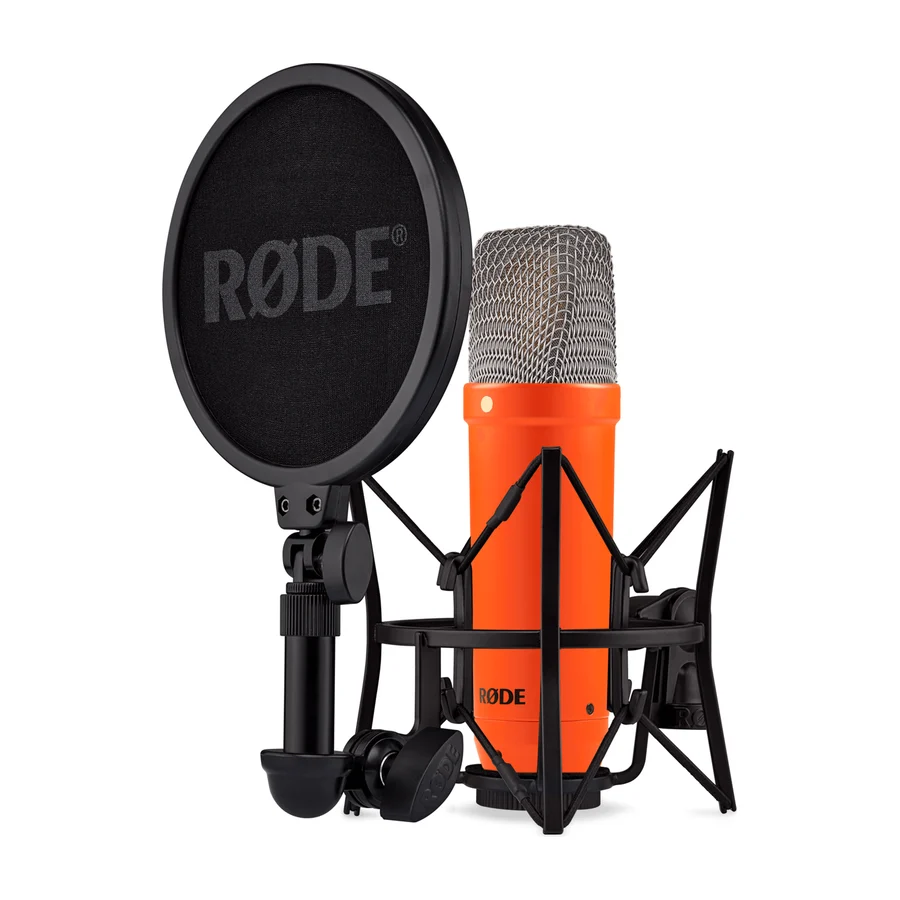
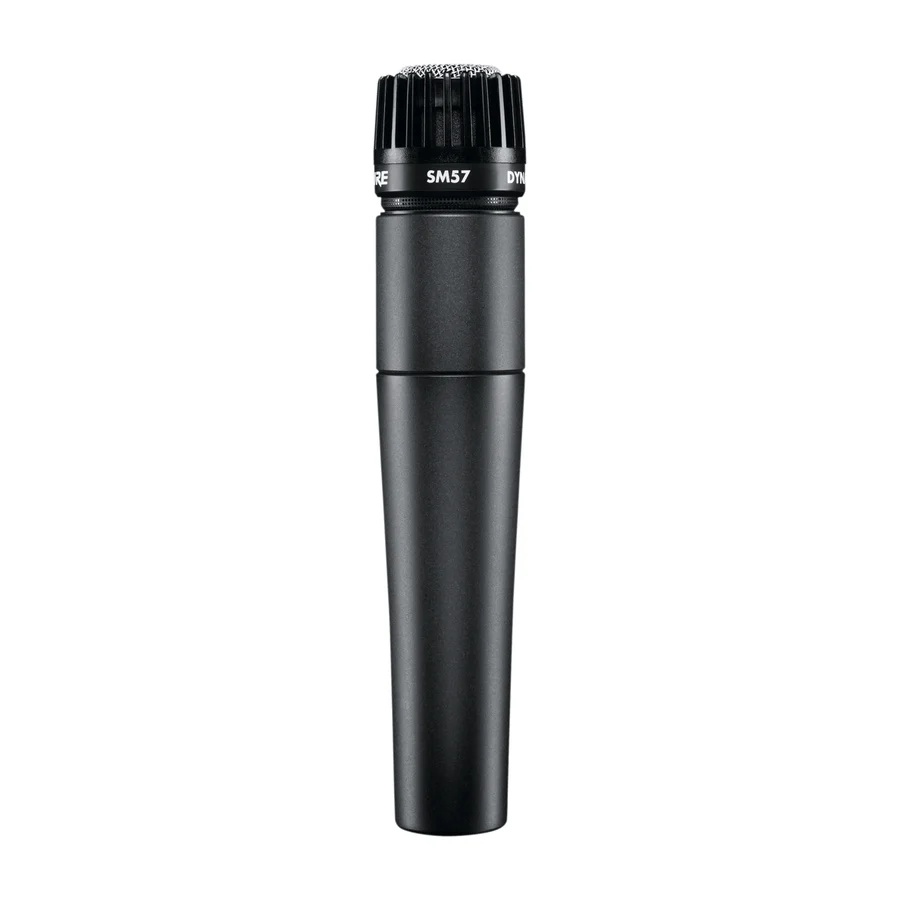
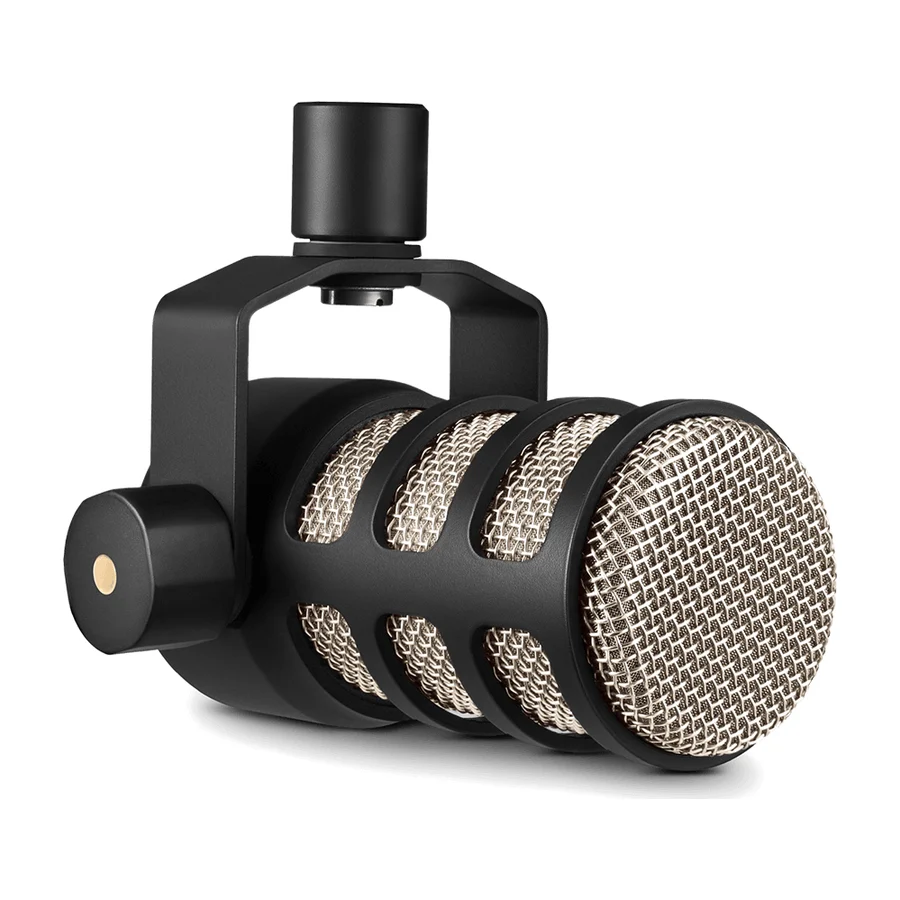
Pick any two to four of the 18 ranked xlr microphones and read them side by side. This page opens on the board's top 3, Rode NT1, Shure SM57 and Rode PodMic.

Choose what to compare

3 of 4 chosen

S
A
B
C
D
F
XLR Microphones compared side by side. Each column is one product, each row is one measure taken from the same research that built the board.
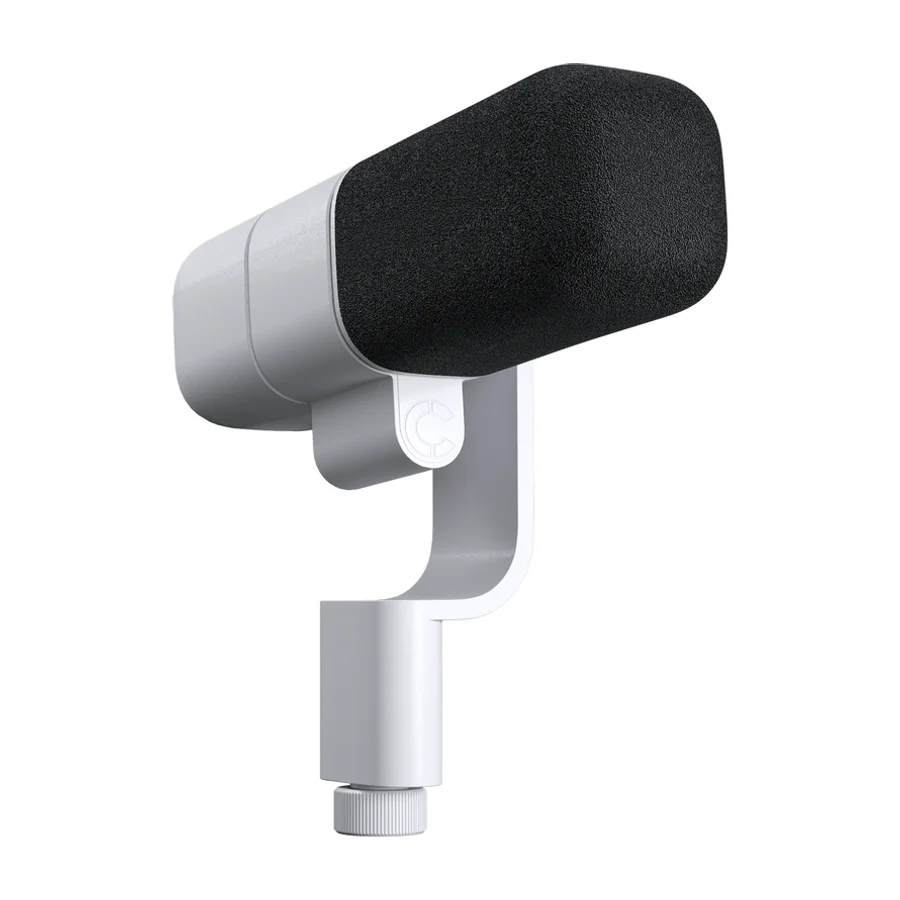
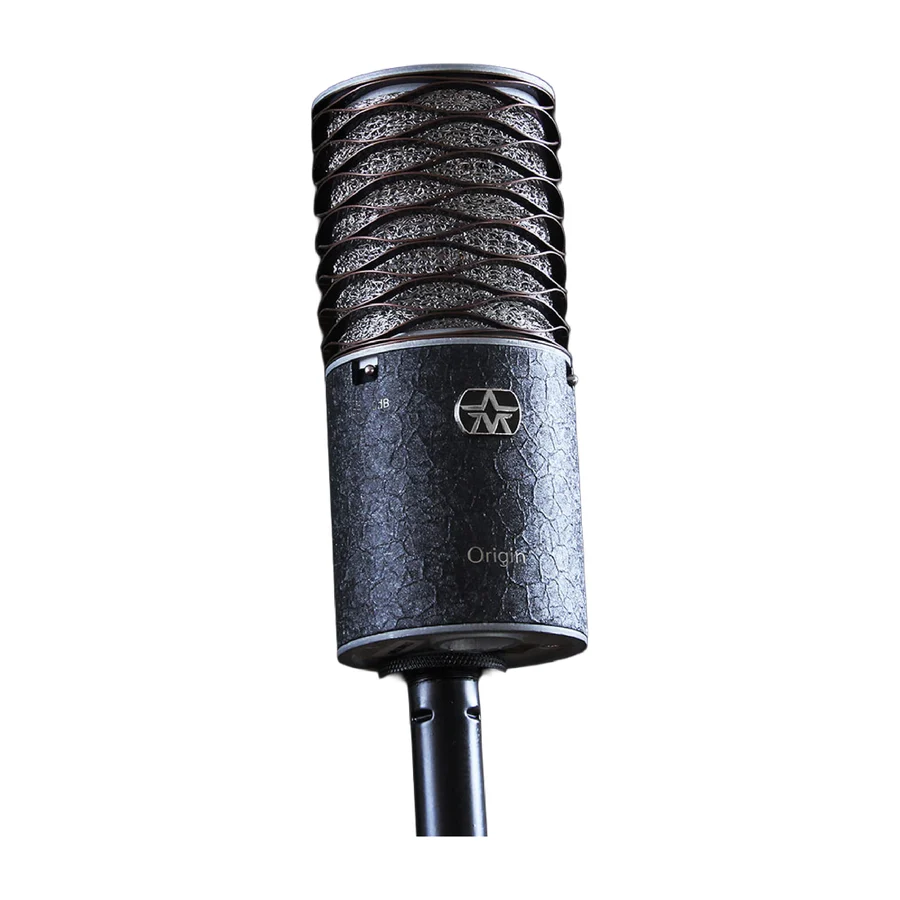
Measure Rode NT1 Rode Rode NT1 Shure SM57 Shure Shure SM57 Rode PodMic Rode Rode PodMic Electro-Voice RE20 Electro-Voice Electro-Voice RE20 Shure SM7dB Shure Shure SM7dB Shure SM58 Shure Shure SM58 Shure SM7B Shure Shure SM7B 512 Audio Limelight 512 Audio 512 Audio Limelight Beyerdynamic M70 Pro X Beyerdynamic Beyerdynamic M70 Pro X 512 Audio Skylight 512 Audio 512 Audio Skylight Aston Spirit Aston Aston Spirit Audio-Technica AT2020 Audio-Technica Audio-Technica AT2020 Sennheiser e835 Sennheiser Sennheiser e835 Behringer XM8500 Behringer Behringer XM8500 Neumann KM 184 Neumann Neumann KM 184 Rode Procaster Rode Rode Procaster Logitech Blue Sona Logitech Logitech Blue Sona Aston Origin Aston Aston Origin
Tier S A A A A B B B B B C C C C D D F F
Rank on this board 1 of 18 2 of 18 3 of 18 4 of 18 5 of 18 6 of 18 7 of 18 8 of 18 9 of 18 10 of 18 11 of 18 12 of 18 13 of 18 14 of 18 15 of 18 16 of 18 17 of 18 18 of 18
Ladder points 901 LP 807 LP 753 LP 749 LP 648 LP 642 LP 629 LP 525 LP 504 LP 504 LP 419 LP 386 LP 383 LP 380 LP 343 LP 262 LP 171 LP 160 LP
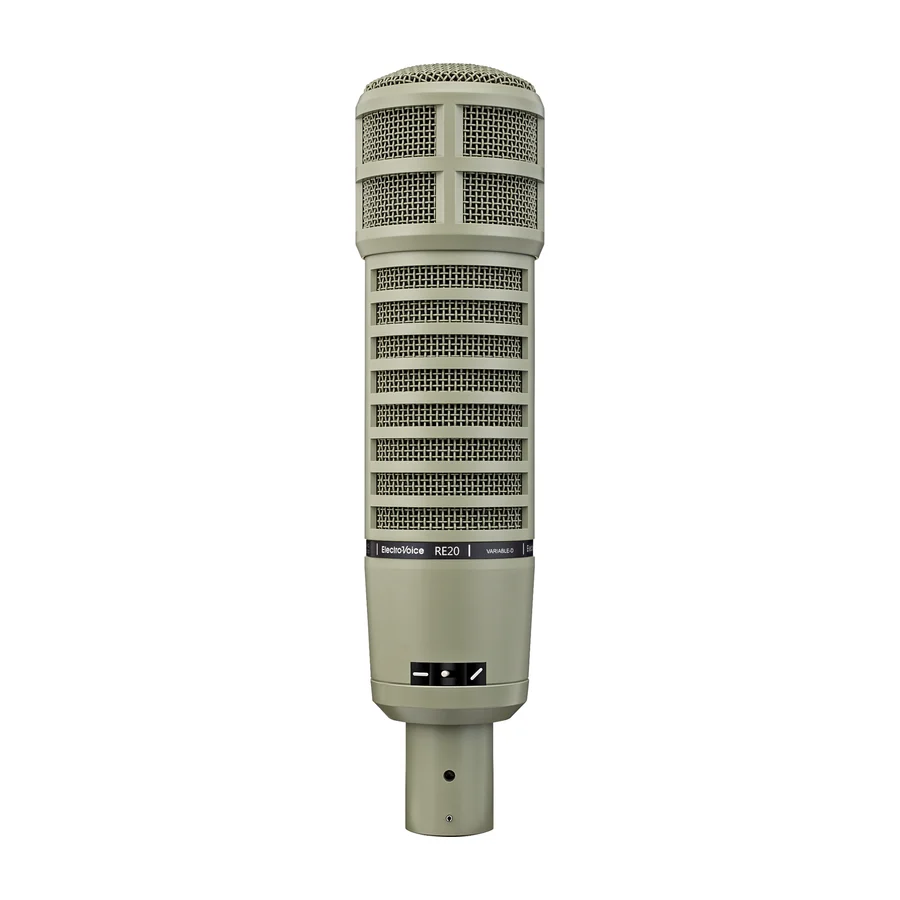
Our verdict The current-generation consensus condenser with top test results and Rode's strong warranty behind it, and the one studio mic reviewers recommend for nearly everything. Placed sixth as the universal workhorse for instruments and a capable vocal mic, offering indestructibility and very low cost despite being less flattering for desk speech. Overbuilt for its class and backed by Rode support, the easiest broadcast dynamic to own and forget about. Decades of broadcast service, field-replaceable parts, and a failure reputation close to zero make it the safest long-term owner in the category. The SM7B's current-generation form with the gain problem solved internally. Ranks just below its predecessor only because the consensus weight still sits on the SM7B. The durability king, ranked above several picks on pure ownership, but a handheld stage design is the wrong shape for podcasting and streaming, so buy the PodMic instead. Ranked here because its build and support genuinely are excellent, but it is the most overhyped buy in the category: it needs high gain or a booster that the guides do not mention, and the PodMic or RE20 serve a desk setup better. Ranked third as the best budget XLR mic for the US market, delivering near-broadcast performance without flagship spend. Placed fourth as the best cheap XLR mic for the UK and EU, offering clean, present sound and durable build at a value price. Podcastage's build and sound praise plus strong community testing results make it the best modern condenser value the specialists currently back. Versatile, solidly machined, and endorsed as the versatile pick in current guides, held back only by a shorter support track record than the giants above. Simple and dependable with few failure points, but its plastic construction keeps it below the metal tanks above. Rugged, road-proven, and consistently praised for cutting through a mix, a very safe dynamic ownership bet. Podcastage-endorsed and the cheapest way onto the board, but the quality-control lottery means your unit's ownership story may differ wildly from the next buyer's. Reference-grade build and service support, ranked mid-board only because it is a specialist instrument and overhead mic rather than a voice-first choice. An all-metal broadcast dynamic with almost no failure history and no electronics to age out. Good hardware with a genuine award behind it, but Logitech's absorption of the Blue brand makes long-term support the weakest among the picks. A consistently well-regarded creator condenser and the sensible alternative to the NT1, docked for thinner current-guide presence than its stablemate the Spirit.
What reviewers rate
  • Recommended for vocals, podcasting, guitar and percussion
  • Scores at or near the top in microphone testing
  • Backed by Rode's long warranty and service reputation
  • Low self-noise and studio-grade clarity
  • Indestructible dynamic microphone
  • Excellent for instrument recording
  • Very low cost
  • The default instrument and snare mic for decades
  • Die-cast body that shrugs off desk abuse
  • Internal pop filter
  • Treated as a rock-solid long-term option
  • Broadcast-style sound with solid build
  • Famously still in service decades after purchase
  • Field-repairable with replaceable parts
  • Design has barely needed to change in half a century
  • The broadcast industry's default dynamic
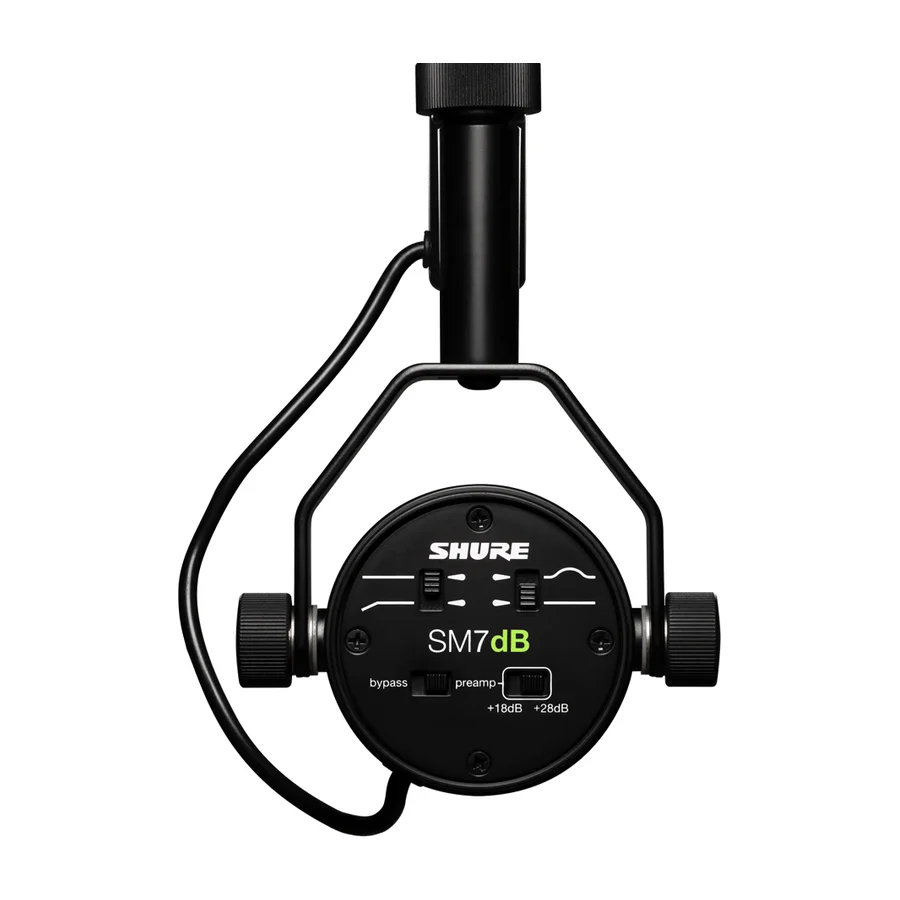
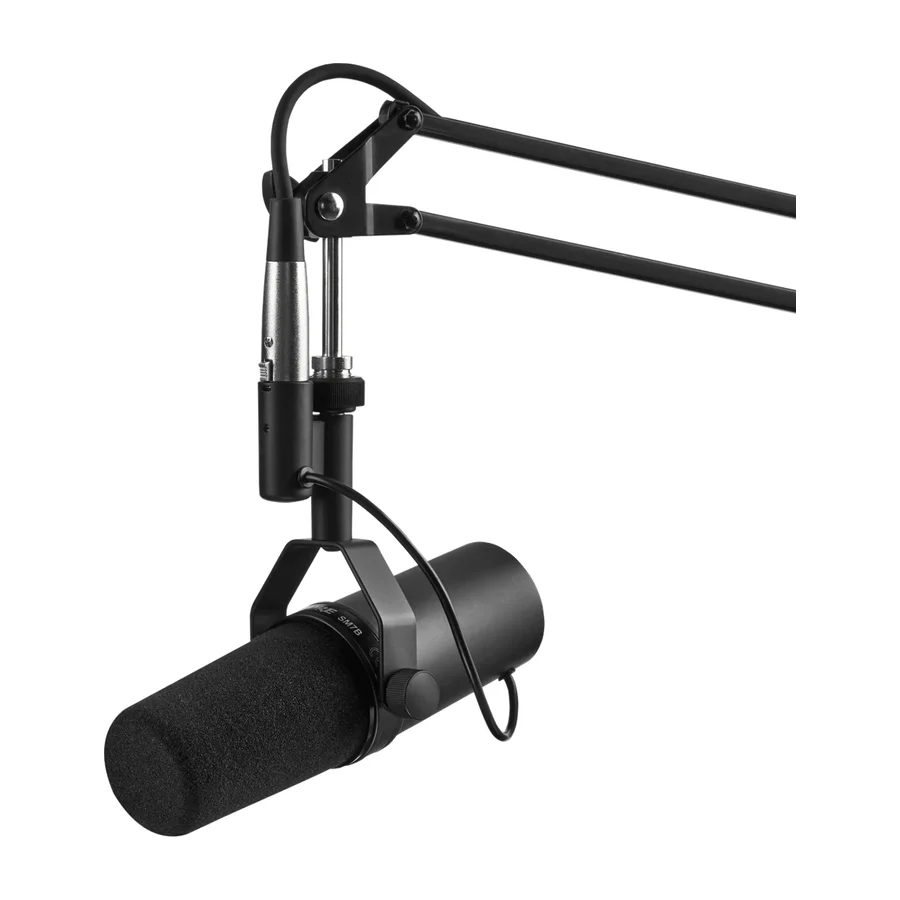
  • Built-in active gain stage removes the external preamp requirement of the SM7B
  • Same broadcast lineage as the SM7B
  • Built-in preamp delivers up to +28 dB of low-noise, transparent gain for almost any interface
  • Keeps the warm, smooth midrange and excellent off-axis rejection of the SM7
  • The most reliable microphone ever built
  • Benchmark for pure reliability and durability
  • Still works beautifully after years of abuse
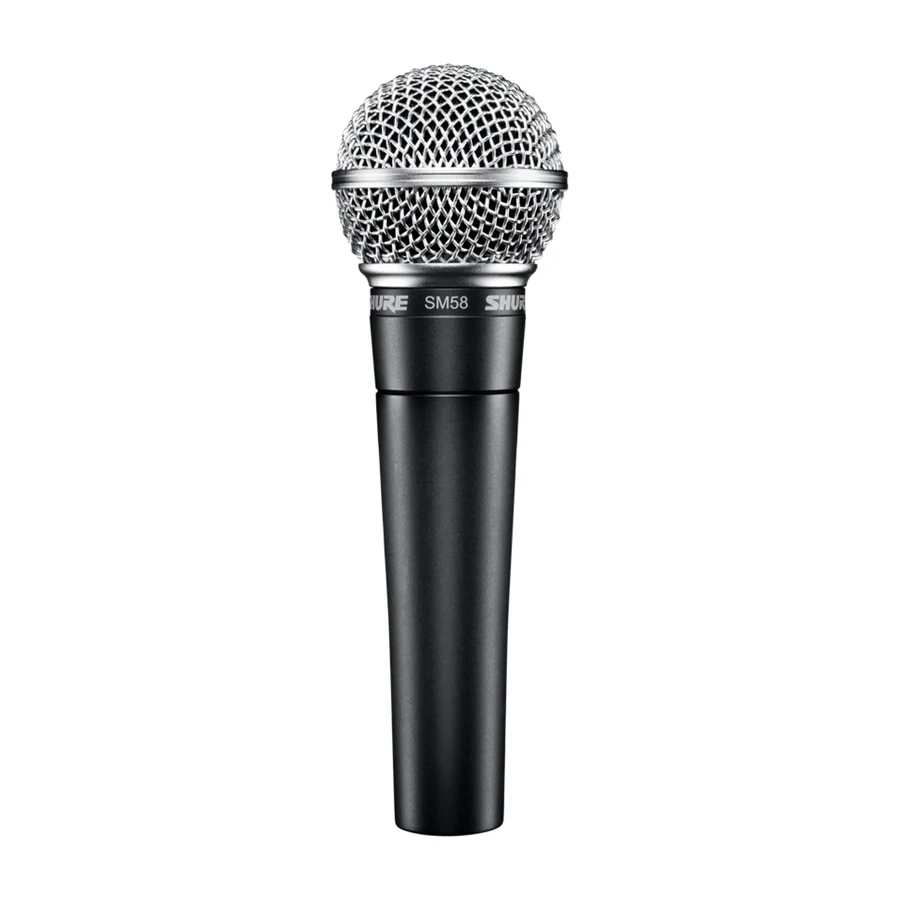
  • Excellent for vocal performance on stage
  • Excellent build quality
  • Strong manufacturer support
  • The industry-standard broadcast sound
  • Highly regarded as a studio legend
  • Near-broadcast performance at budget price
  • Highly regarded by Digital Foundry
  • best budget XLR mic for US market per Digital Foundry
  • broadcast-style dynamic sound
  • Clean, present dynamic sound
  • Durable Beyerdynamic construction
  • Value pick for UK/EU market
  • German engineering with replaceable components
  • Built incredibly well with solid construction
  • Mid-forward sound with smooth texture praised by specialists
  • Offers high-end articulation at a modern price point
  • From a brand focused on this exact use case
  • Switchable-pattern condenser
  • Distinctive sapphire-machined metal body
  • Reviewers consistently single out its build quality
  • Named the most versatile XLR pick
  • Simple, fixed-pattern design with almost nothing to fail
  • Track record of working for a decade or more
  • The default beginner condenser for good reason
  • Impressive condenser performance for little money
  • Rugged cardioid dynamic engineered for high sound pressure and hard stage life
  • Thick, bright sound that effectively cuts through the mix
  • Voiced for definition and detail with a tight cardioid pattern
  • Bright vocal response, great for recorded voice
  • The honest ultra-budget entry point
  • Listed among Podcastage's favorite XLR microphones
  • Delivers broadcast-style dynamic sound despite low cost
  • Excellent performance-per-dollar
  • The small-diaphragm reference for instruments and stereo pairs
  • The first name participants reach for among the most neutral-sounding mics
  • Benchmark build and long-term service support
  • Highly regarded for acoustic instruments
  • All-metal construction
  • Internally shock-isolated
  • A fixture of daily-use podcast rigs for years
  • Internal pop filtering and strong Rode warranty
  • Well-made hardware with a built-in ClearAmp active gain stage
  • Named the budget-conscious broadcast pick
  • Built-in ClearAmp gain simplifies interface use
  • Broadcast-style dynamic sound
  • Consistently positive specialist consensus since release
  • The natural stablemate to the Spirit
  • One-piece all-metal body with integrated shockmount
  • Durable construction praised by home-studio users
Where it falls short
  • Needs a quiet, treated room to avoid noise
  • Higher price than comparable dynamics
  • Less flattering for close-up vocal speech
  • Slightly niche in a podcasting-weighted category
  • low output requires significant gain for vocal use
  • Not a voice-first recommendation
  • Use case is narrower than general-purpose condensers
  • Extended frequency response can expose sibilance
Nothing recorded
  • Handheld stage design with a ball grille, poorly suited to close-mic desk work
  • Grille design awkward for desk use
  • Tuned for hostile stages, not treated rooms
  • Outclassed by cheaper podcast dynamics
  • Low output demands an interface with serious gain or an inline booster
  • Heavy
  • Overhyped relative to what a desk setup actually needs
  • Gain-hungry, often needs additional preamp
  • Slightly higher price than the cheapest dynamics
  • Young brand with no long-term reliability or support record
  • Thinner independent coverage compared to rivals
  • Shorter proven ownership history than legacy models
  • strength more regional, less known in US market
  • Shorter track record than the veteran Shure and Rode models
  • Ranks below the Limelight in head-to-head value
  • The brand's long-term support story is still unproven
  • Shorter support track record than the category's established giants
  • Voice-per-dollar slightly behind NT1
  • higher cost than entry-level condensers
  • Price higher than lower-tier picks
  • Plastic construction
  • High self-noise
  • No pad or high-pass filter
  • Punishes untreated rooms, where most buyers in this category record
  • Handheld form factor less ideal for desk setups
  • Behringer's quality control is a lottery, so the ownership experience is more variable than any other pick
  • Inconsistent quality control unit to unit, so long-term ownership is a lottery
  • Build and consistency are budget-grade
  • Quality control is a lottery, with inconsistent units
  • A specialist instrument and overhead mic rather than a voice-first choice
  • Prestige price not justified for voice work
  • Cheaper small-diaphragm mics provide similar performance
  • A specialist instrument pick rather than a creator default
  • outclassed by the cheaper PodMic
  • Higher price than the PodMic for similar performance
  • Heavy and gain-hungry
  • Consistently outclassed in current expert coverage by the PodMic
  • Logitech is folding the Blue brand into its own, leaving long-term accessory and software support an open question
  • Costs more than comparable dynamics with similar performance
  • Shorter track record of specialist endorsement than the PodMic
  • Blue brand discontinued, software-dependent features at risk
  • Thinner presence in current buying guides than the Spirit
  • needs to justify itself on character rather than value
  • Limited coverage in expert reviews, making it less proven
  • Less flexible than its sibling, the Spirit
Evidence behind it 19 sources across 16 outlets 28 sources across 27 outlets 7 sources across 7 outlets 22 sources across 20 outlets 7 sources across 7 outlets 2 sources across 2 outlets 1 source across 1 outlet Thin sourcing, read it as provisional 2 sources across 2 outlets 2 sources across 2 outlets 1 source across 1 outlet Thin sourcing, read it as provisional 3 sources across 1 outlet Thin sourcing, read it as provisional 2 sources across 2 outlets 3 sources across 3 outlets 1 source across 1 outlet Thin sourcing, read it as provisional 2 sources across 2 outlets 2 sources across 2 outlets 3 sources across 1 outlet Thin sourcing, read it as provisional 1 source across 1 outlet Thin sourcing, read it as provisional
Flagged as one to avoid Not flagged Not flagged Not flagged Not flagged Not flagged 4 of 12 research runs 6 of 12 research runs Not flagged Not flagged Not flagged Not flagged 3 of 12 research runs Not flagged 1 of 10 research runs 1 of 3 research runs 4 of 8 research runs 2 of 12 research runs 1 of 6 research runs
Announced Not recorded Not recorded Not recorded Not recorded Not recorded Not recorded Not recorded Not recorded Not recorded Not recorded Not recorded Not recorded Not recorded Not recorded Not recorded Not recorded Not recorded Not recorded
Where to buy Check it Check it Check it Check it Check it Check it Check it Check it Check it Check it Check it Check it Check it Check it Check it Check it Check it Check it

Every column is the same research that built the board. Nothing here is a specification sheet copied from a maker. Read how we rank for what a tier and a ladder point mean.