Compare Streaming Devices
15 ranked products · Two to 4 at a time · Updated 30 Aug 2026
Pick any two to four of the 15 ranked streaming devices and read them side by side. This page opens on the board's top 3, Google TV Streamer (4K), Apple TV 4K (2022, 3rd Generation) and Roku Streaming Stick 4K.
Choose what to compare
3 of 4 chosen
S
A
B
C
D
F
| Measure | 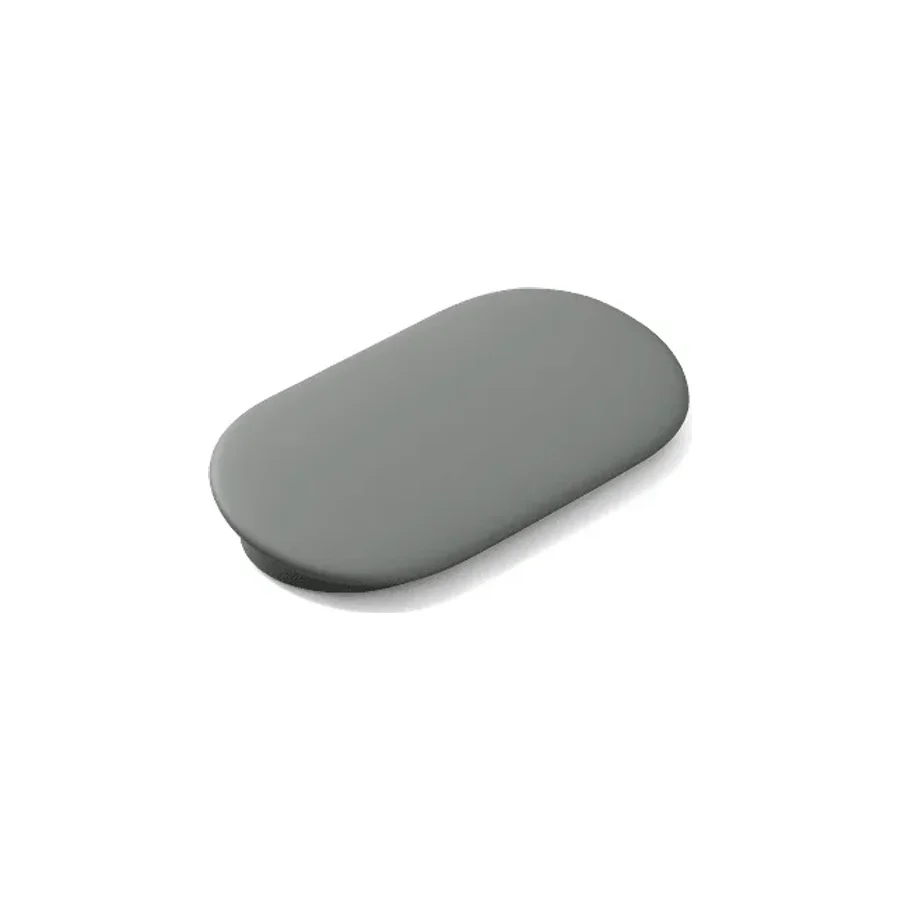 Google Google TV Streamer (4K) Google Google TV Streamer (4K) | 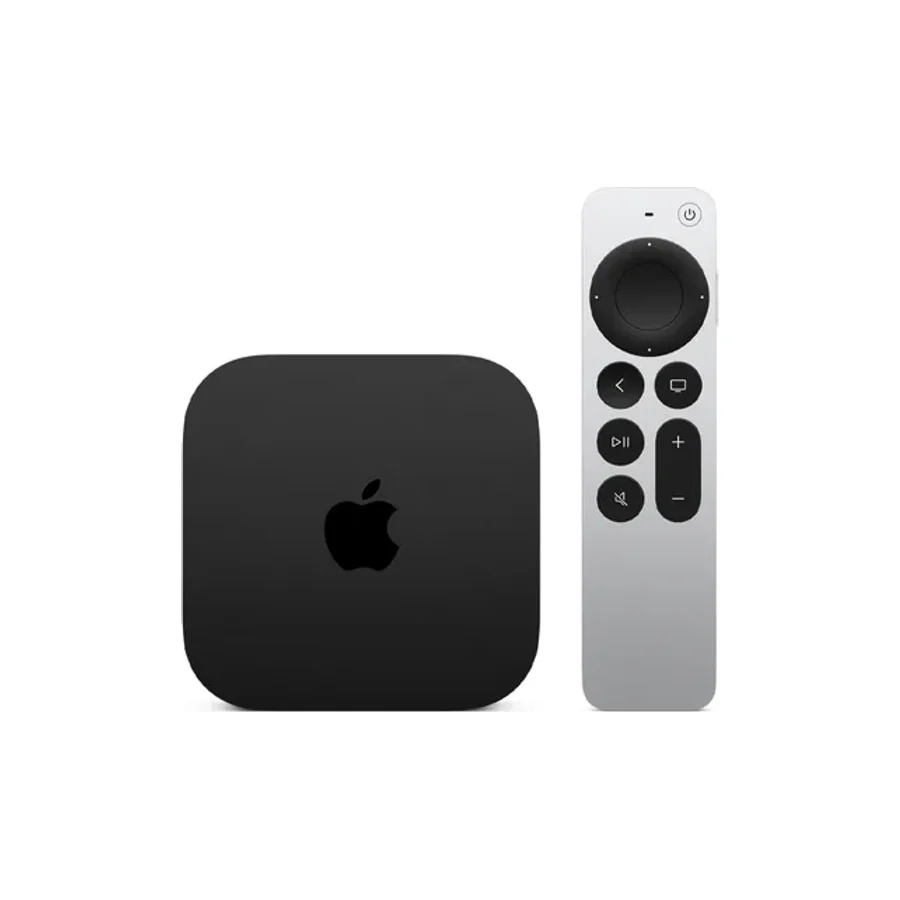 Apple Apple TV 4K (2022, 3rd Generation) Apple Apple TV 4K (2022, 3rd Generation) | 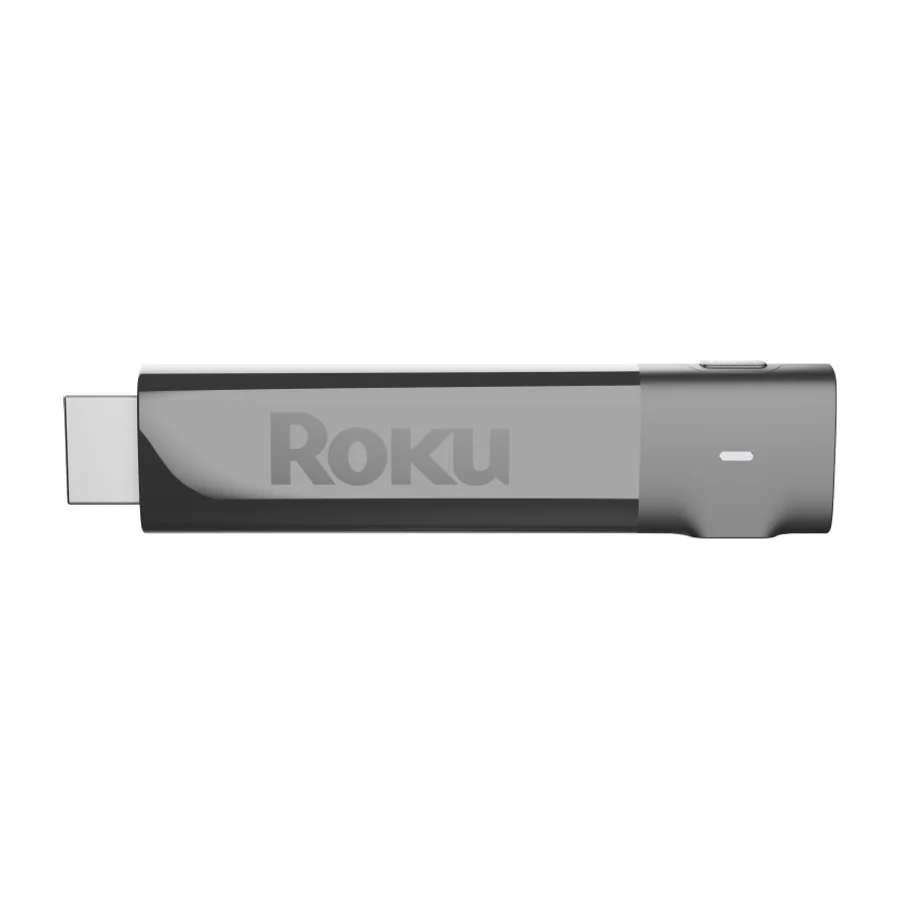 Roku Roku Streaming Stick 4K Roku Roku Streaming Stick 4K | 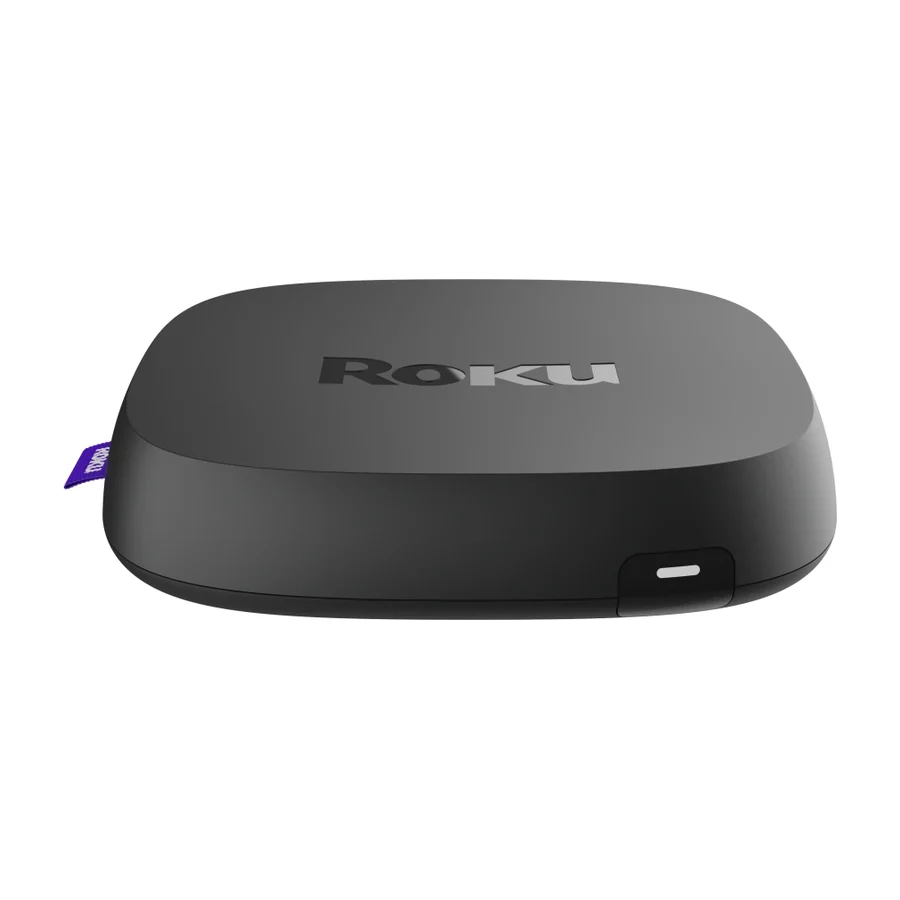 Roku Roku Ultra Roku Roku Ultra | 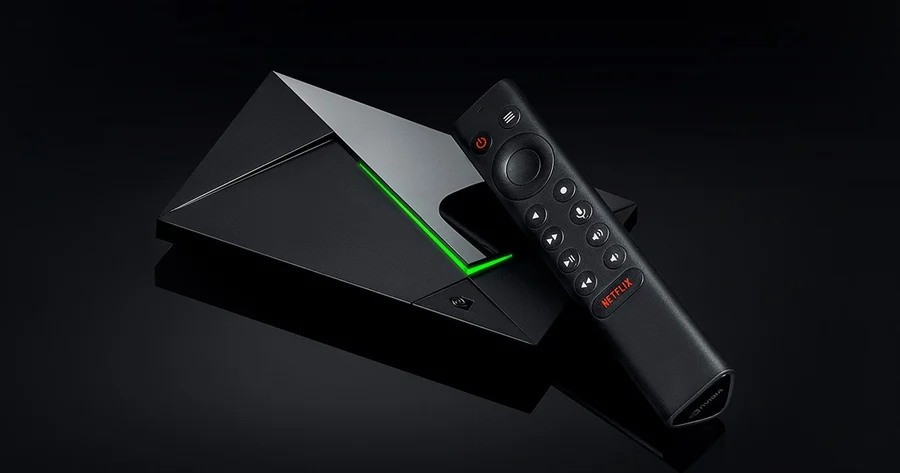 NVIDIA NVIDIA Shield TV Pro NVIDIA NVIDIA Shield TV Pro | 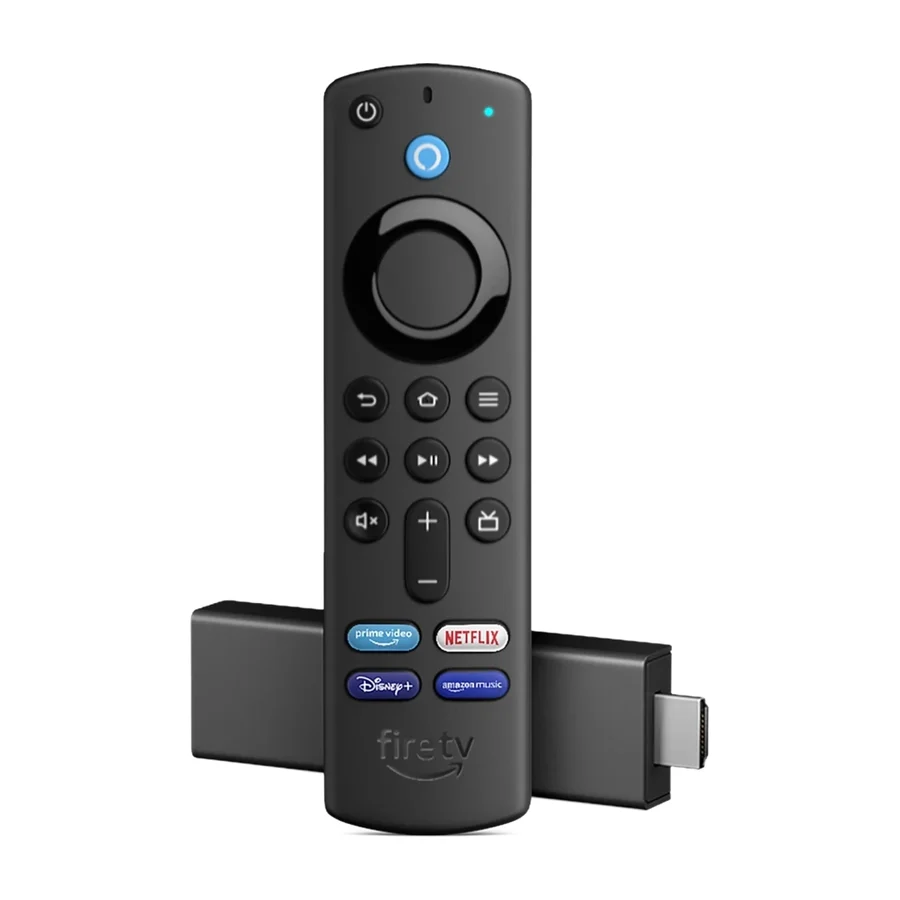 Amazon Amazon Fire TV Stick 4K Max Amazon Amazon Fire TV Stick 4K Max | 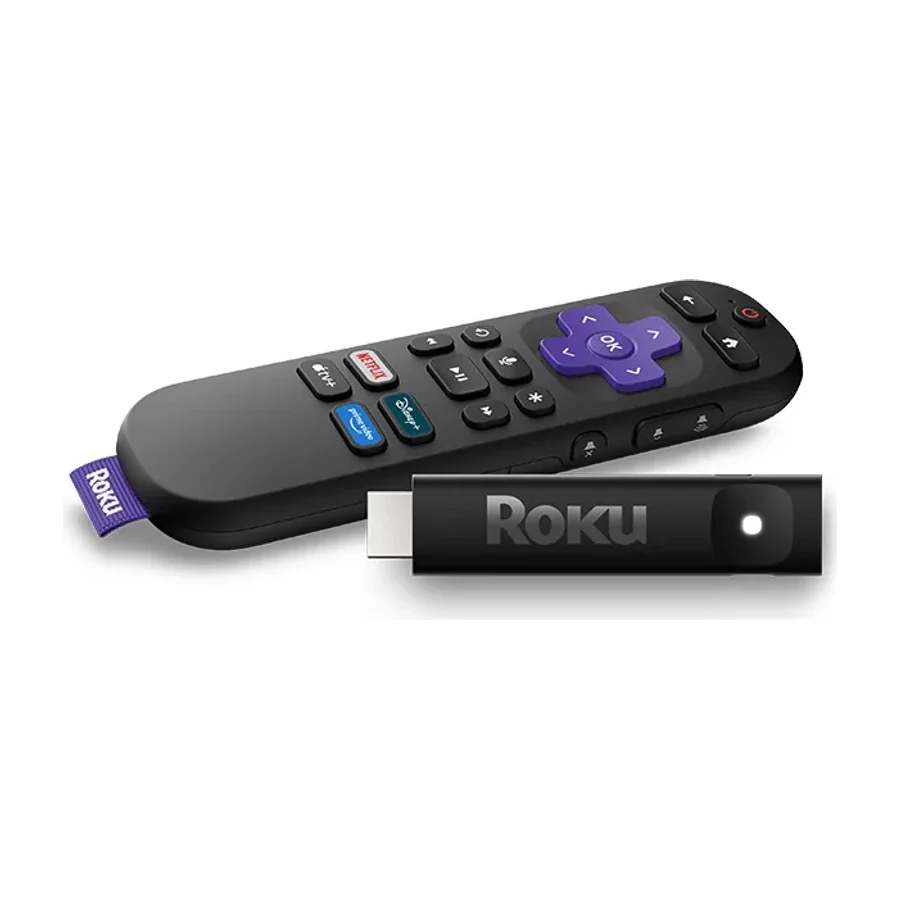 Roku Roku Streaming Stick Plus Roku Roku Streaming Stick Plus | 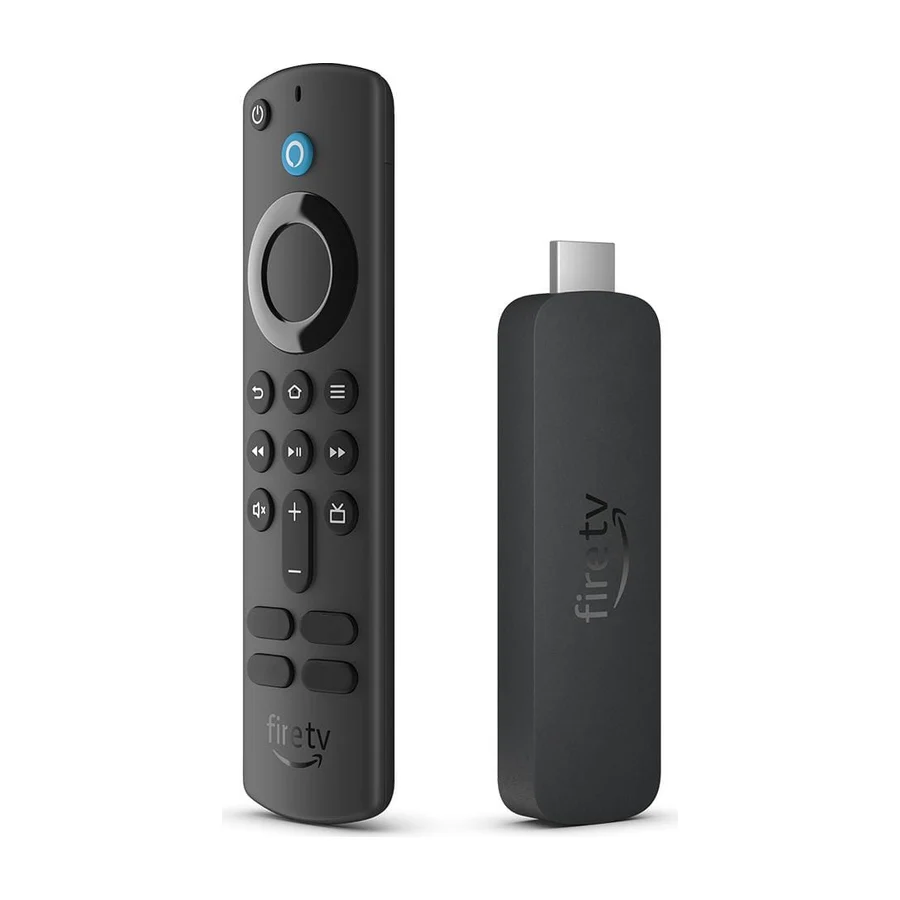 Amazon Amazon Fire TV Stick 4K (2nd Gen, 2023) Amazon Amazon Fire TV Stick 4K (2nd Gen, 2023) | 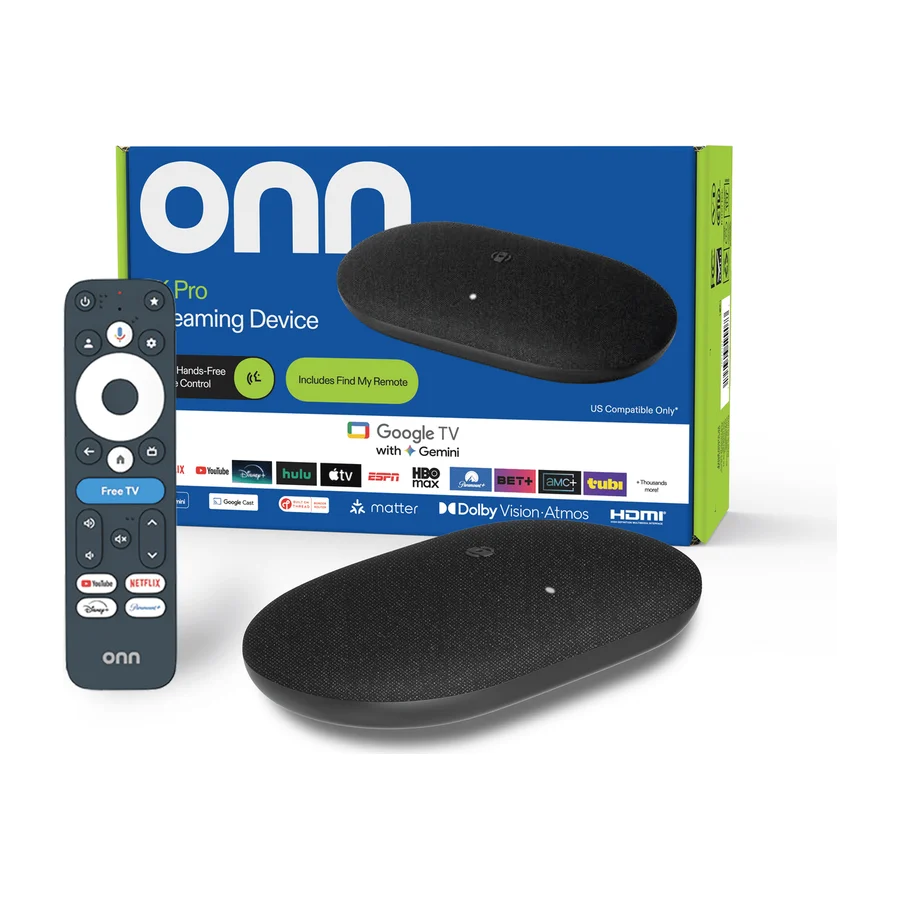 Onn Onn 4K Pro (2026) Onn Onn 4K Pro (2026) | 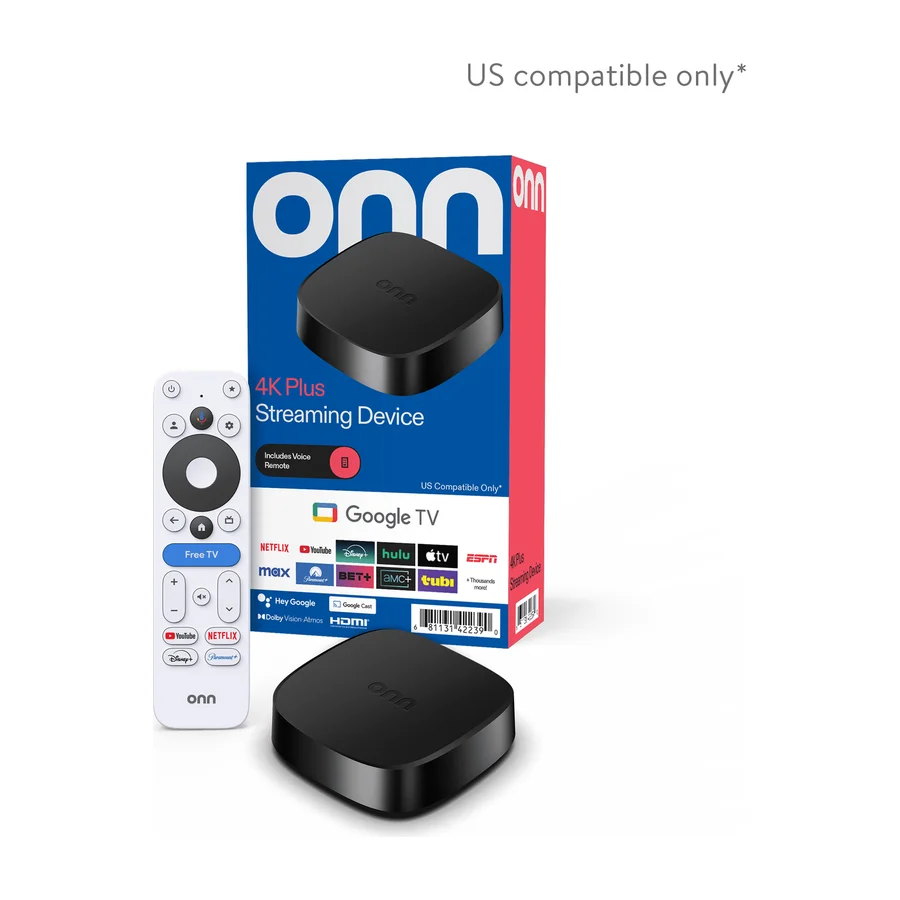 Onn Onn 4K Plus Onn Onn 4K Plus | 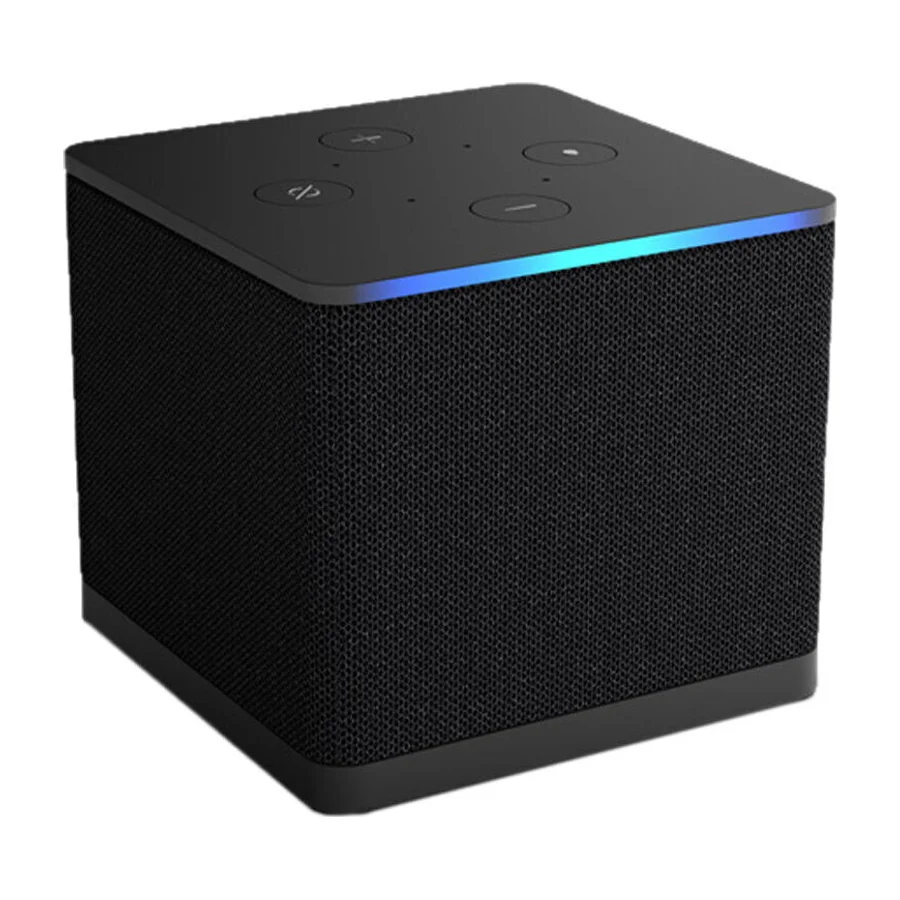 Amazon Amazon Fire TV Cube (3rd Generation) Amazon Amazon Fire TV Cube (3rd Generation) | 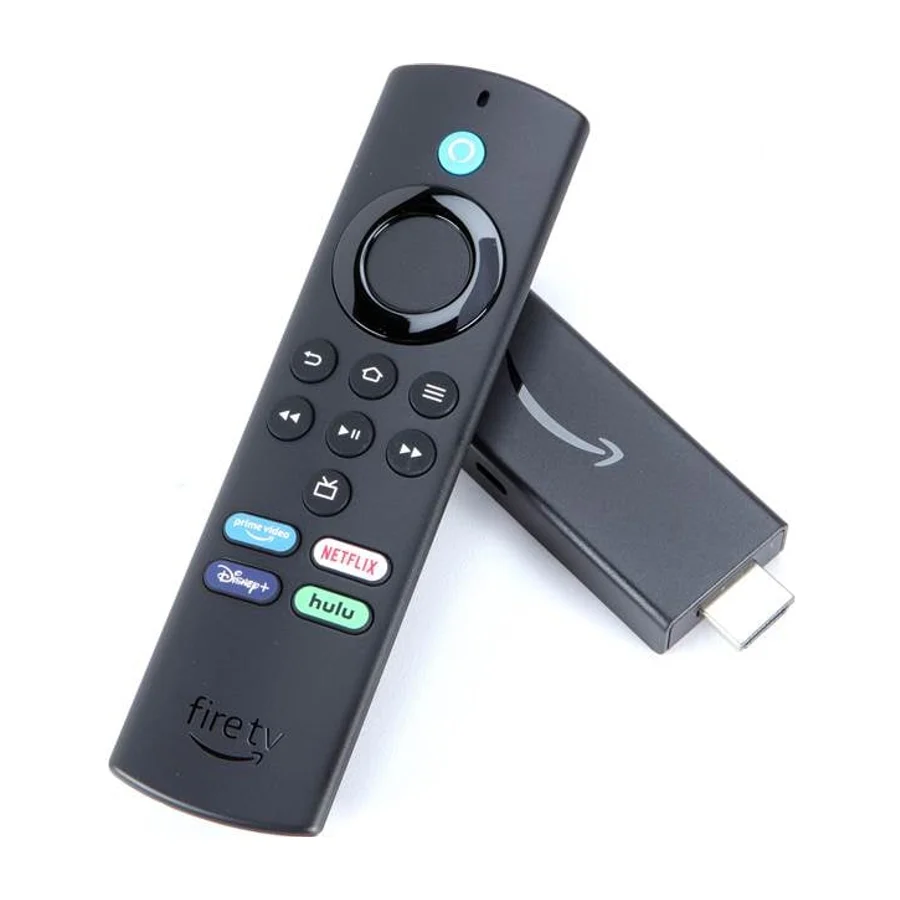 Amazon Amazon Fire TV Stick HD Amazon Amazon Fire TV Stick HD | 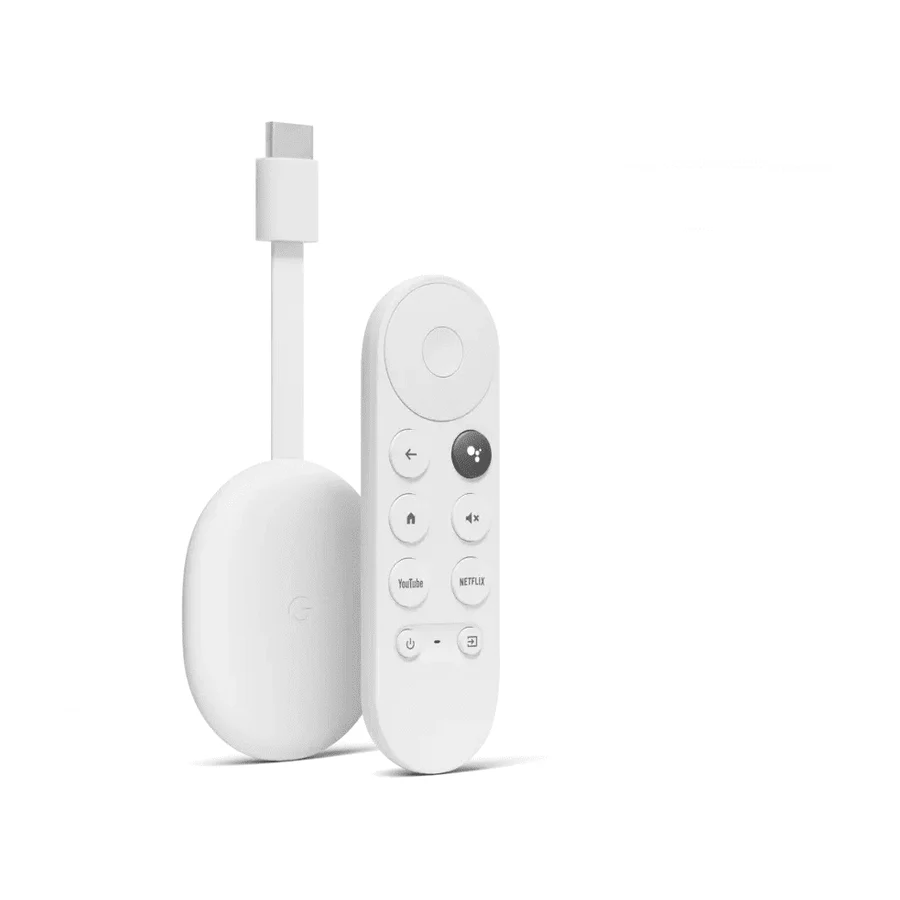 Google Chromecast with Google TV (4K, 2020) Google Chromecast with Google TV (4K, 2020) | 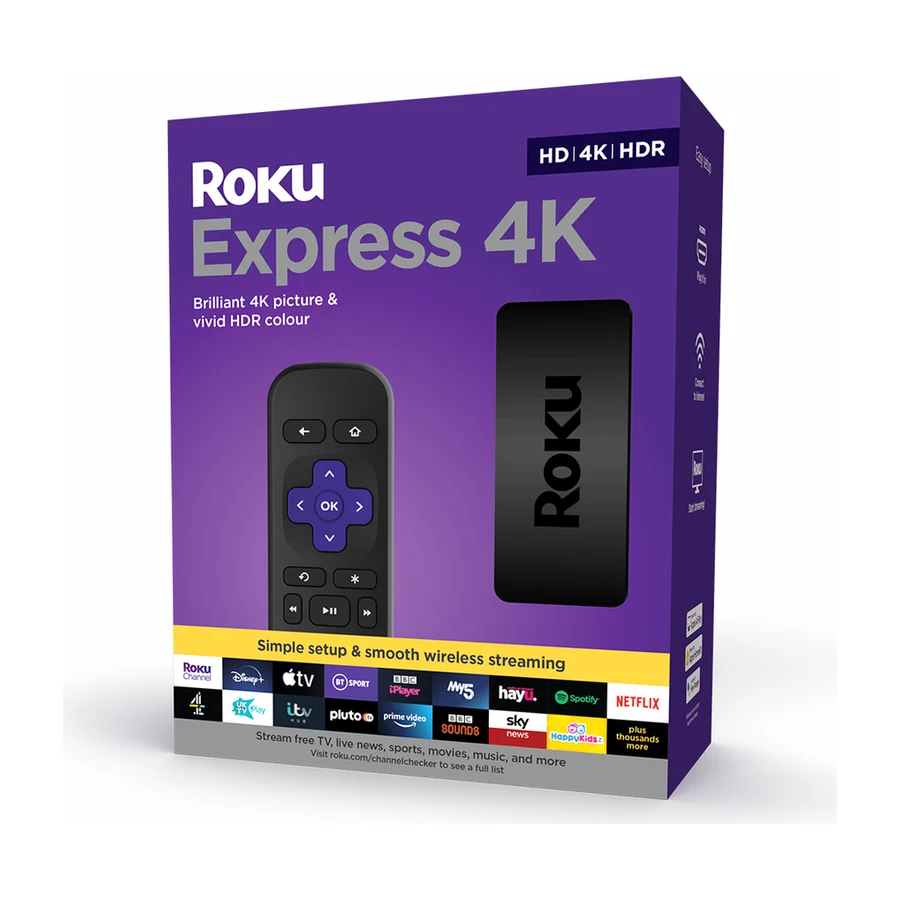 Roku Roku Express 4K Roku Roku Express 4K | 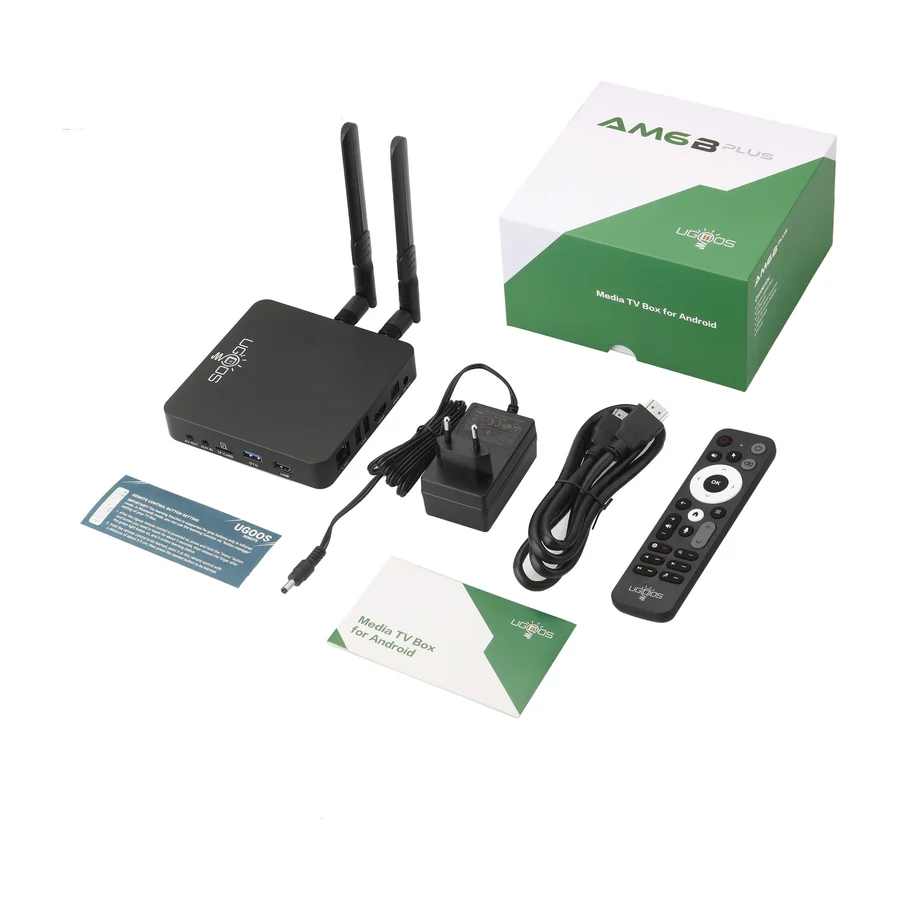 Ugoos Ugoos AM6B+ (CoreELEC) Ugoos Ugoos AM6B+ (CoreELEC) |
|---|---|---|---|---|---|---|---|---|---|---|---|---|---|---|---|
| Tier | S | S | A | A | B | B | C | C | C | D | D | F | F | F | F |
| Rank on this board | 1 of 15 | 2 of 15 | 3 of 15 | 4 of 15 | 5 of 15 | 6 of 15 | 7 of 15 | 8 of 15 | 9 of 15 | 10 of 15 | 11 of 15 | 12 of 15 | 13 of 15 | 14 of 15 | 15 of 15 |
| Ladder points | 983 LP | 950 LP | 733 LP | 675 LP | 607 LP | 514 LP | 424 LP | 402 LP | 397 LP | 303 LP | 223 LP | 101 LP | 92 LP | 60 LP | 31 LP |
| Our verdict | Google’s latest streaming stick runs the newest Android TV OS, receives regular security patches and feature updates for at least three years, and has a solid track record of reliability in owner-reported data. | The 3rd-gen Apple TV delivers the most robust firmware support and longest software life of any consumer streaming box. It receives continuous OS updates for over five years, has a very low failure rate in owner surveys, and its silicon is built to last. | A step below the Ultra but still receives regular OS updates for at least three years. Its hardware is reliable, and owner reports show a low failure rate. It offers excellent HDR support and a user-friendly interface. | The Ultra’s custom silicon and Roku OS are updated for at least five years, and its hardware is built to handle high-bandwidth streams. Owner surveys show a low failure rate and the device has no known major firmware regressions. | Shield’s Tegra-X1+ processor and Android TV OS give it the longest firmware lifespan of any box, with updates expected for at least four years. Its hardware is designed for high-performance streaming and gaming, and owner reports show a very low failure rate. | The Max variant adds a faster processor and better Wi-Fi, and Amazon has committed to four years of OS updates. Its hardware reliability is comparable to Roku Ultra in owner data, making it a solid mid-tier pick. | The Plus variant offers a faster processor than the base stick and receives regular OS updates for at least three years. Its reliability is on par with the standard 4K stick, making it a good mid-tier pick. | Good balance of cost and features. | Despite being a budget model, the Onn 4K Pro has shown good reliability in owner surveys and receives at least two years of firmware updates. Its low price makes it an attractive entry-level option for cost-conscious buyers. | The Plus variant is essentially the same hardware as the Pro but with slightly higher price and no added reliability. Owner data shows a higher failure rate than the Pro, making it a poor value for longevity. | All-in-one convenience but pricier. | The HD stick is a very low-cost option that still receives two years of OS updates and has a solid track record of reliability. It’s an excellent choice for budget buyers who don’t need 4K or HDR. | Although released in 2020, the device still receives OS updates for at least three years and has a solid hardware base. It’s a good value for buyers who want Google-TV integration without the higher price of newer sticks. | The Express is a very low-end stick that lacks the custom silicon of higher tiers. It receives only two years of OS updates and has a noticeable failure rate in owner data, so it’s not worth buying for anyone who cares about longevity. | Limited user experience and niche appeal. |
| What reviewers rate |
|
|
|
|
|
|
|
|
|
|
|
|
|
|
|
| Where it falls short |
|
| Nothing recorded | Nothing recorded |
|
|
|
|
|
|
|
|
|
|
|
| Evidence behind it | 22 sources across 22 outlets | 57 sources across 45 outlets | 29 sources across 29 outlets | 36 sources across 31 outlets | 26 sources across 26 outlets | 8 sources across 8 outlets | 9 sources across 9 outlets | 24 sources across 21 outlets | 5 sources across 4 outlets | 3 sources across 3 outlets | 43 sources across 40 outlets | 10 sources across 10 outlets | 1 source across 1 outlet Thin sourcing, read it as provisional | 11 sources across 10 outlets | 15 sources across 12 outlets |
| Flagged as one to avoid | Not flagged | Not flagged | Not flagged | Not flagged | Not flagged | 1 of 10 research runs | Not flagged | Not flagged | 2 of 9 research runs | 3 of 10 research runs | Not flagged | 2 of 7 research runs | 1 of 9 research runs | 4 of 9 research runs | 2 of 3 research runs |
| Announced | Not recorded | Not recorded | Not recorded | Not recorded | Not recorded | Not recorded | Not recorded | Not recorded | Not recorded | Not recorded | Not recorded | Not recorded | Not recorded | Not recorded | Not recorded |
| Where to buy | Check it | Check it | Check it | Check it | Check it | Check it | Check it | Check it | Check it | Check it | Check it | Check it | Check it | Check it | Check it |
Every column is the same research that built the board. Nothing here is a specification sheet copied from a maker. Read how we rank for what a tier and a ladder point mean.