Compare Smart Rings
9 ranked products · Two to 4 at a time · Updated 25 Aug 2026
Pick any two to four of the 9 ranked smart rings and read them side by side. This page opens on the board's top 3, Oura Ring 5, Oura Ring 4 and RingConn Gen 2 Air.
Choose what to compare
3 of 4 chosen
S
A
B
D
F
| Measure | 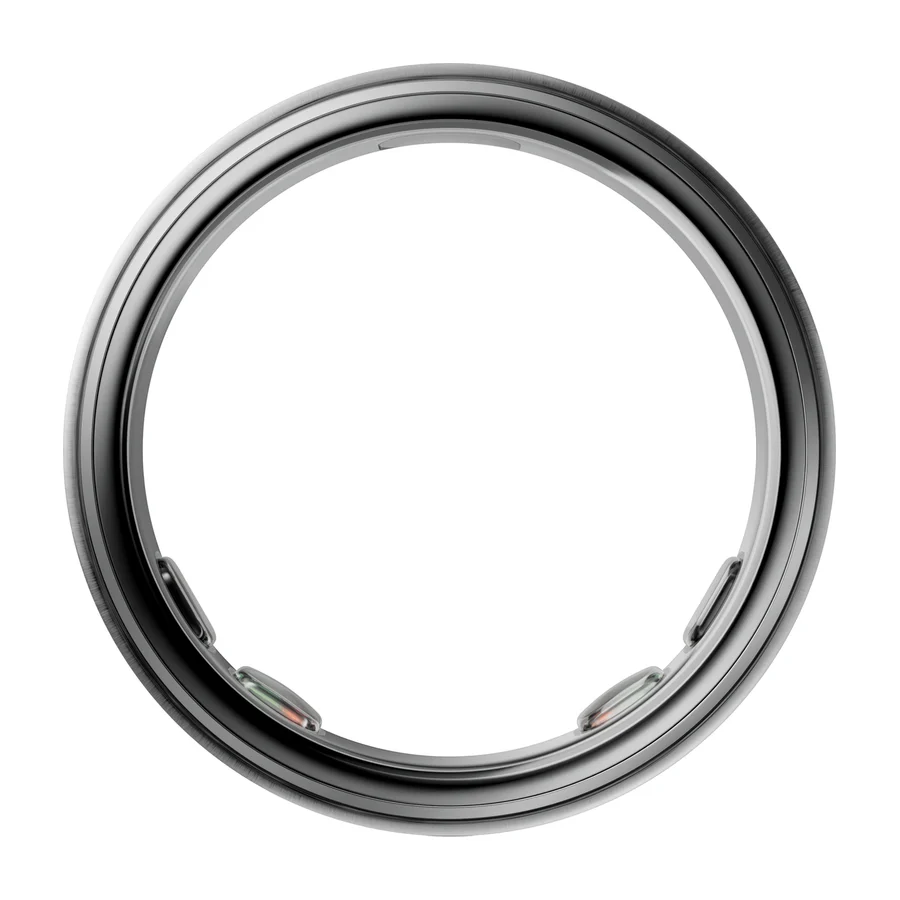 Oura Oura Ring 5 | 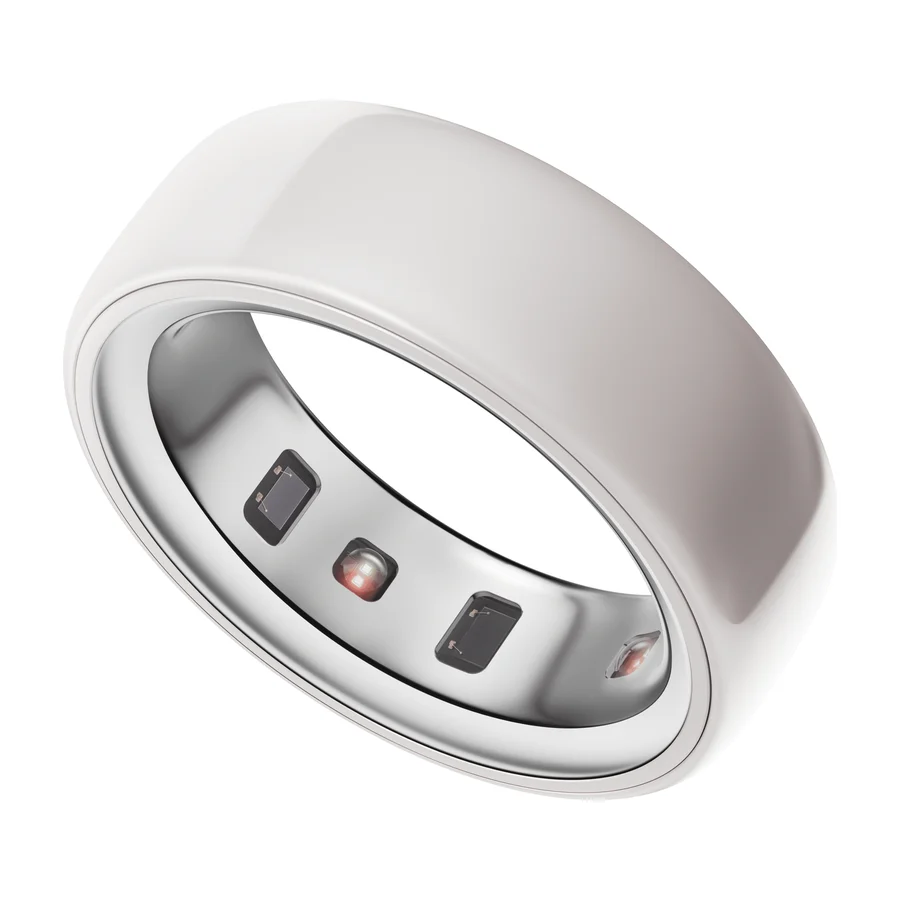 Oura Oura Ring 4 | 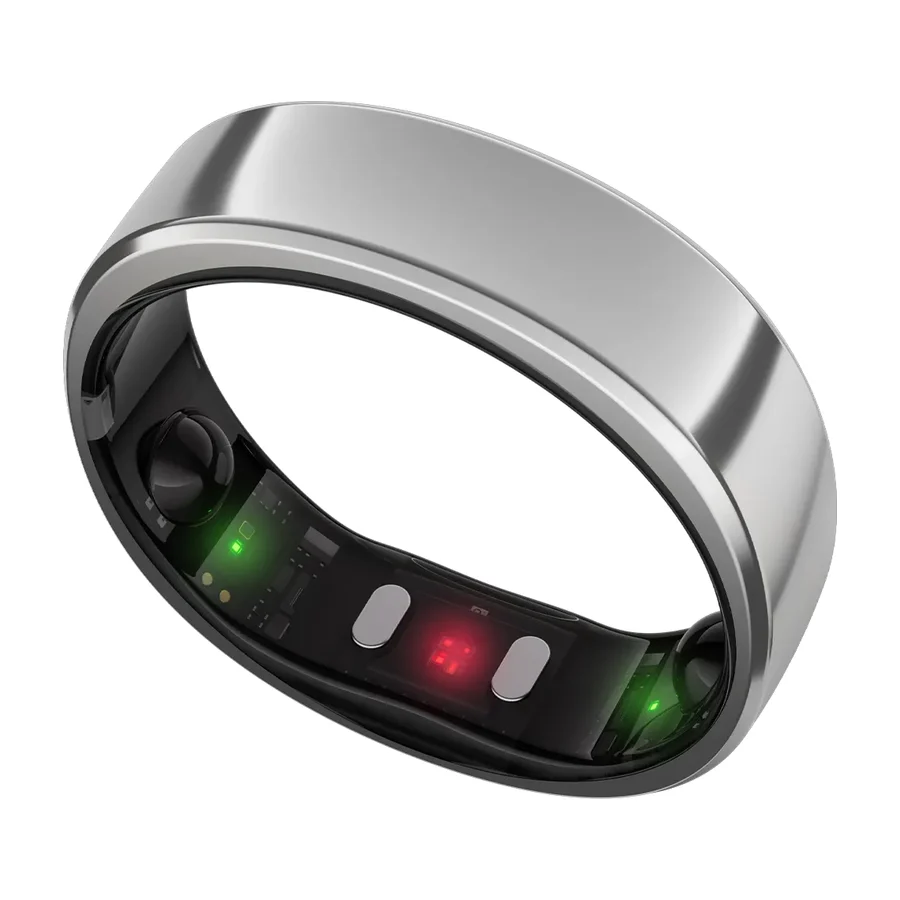 RingConn RingConn Gen 2 Air | 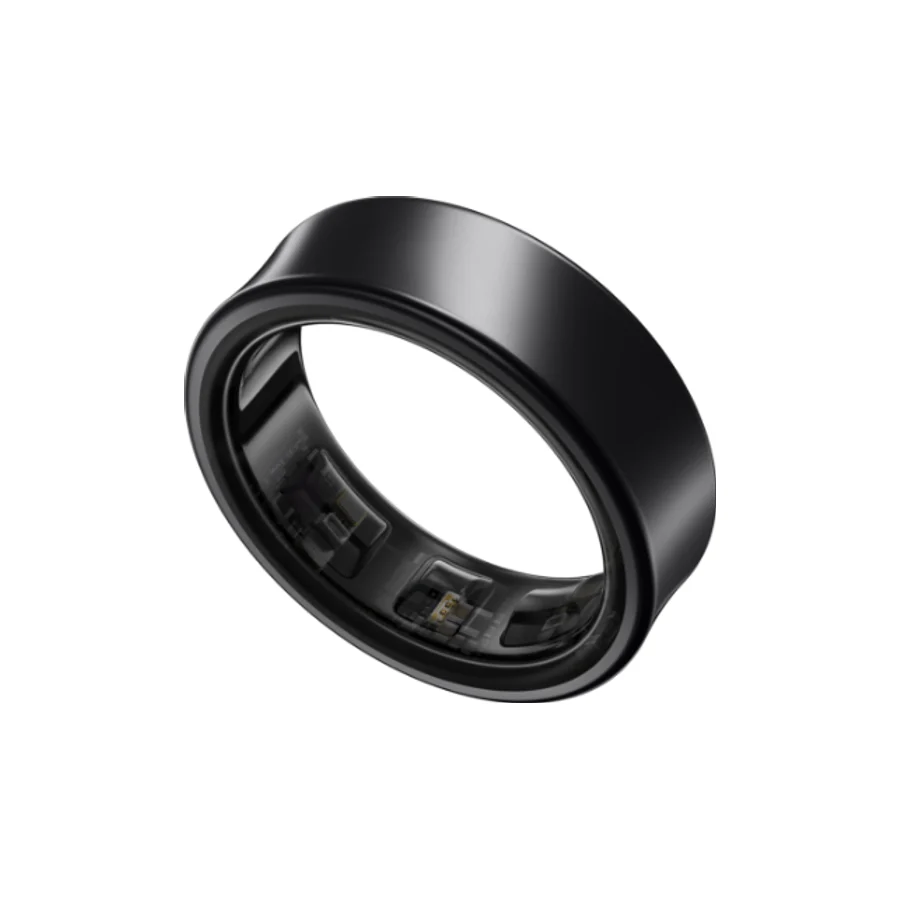 Samsung Samsung Galaxy Ring (latest) | 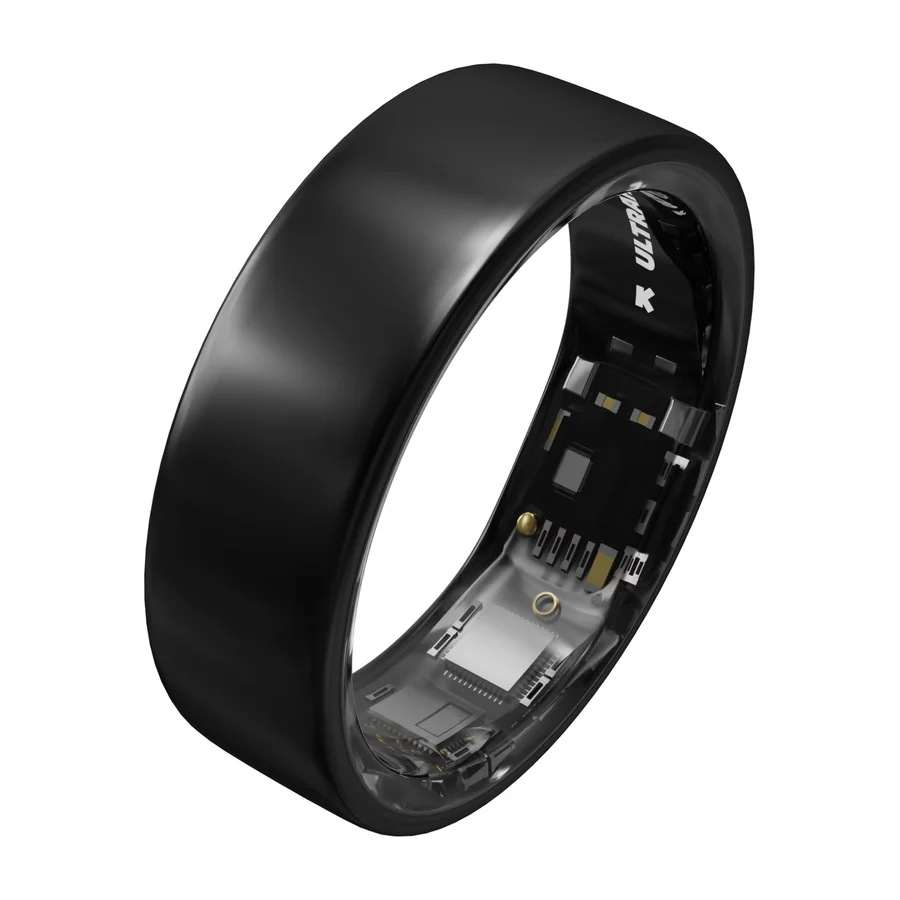 Ultrahuman Ultrahuman Air Ring | 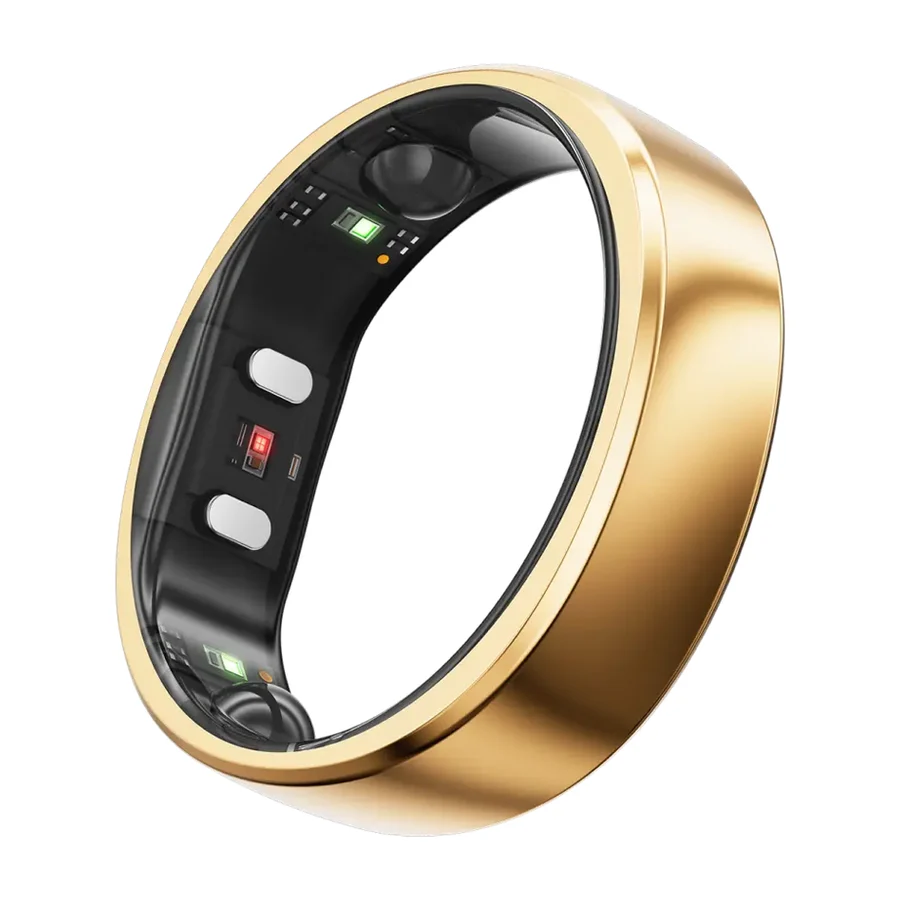 RingConn RingConn Gen 2 | 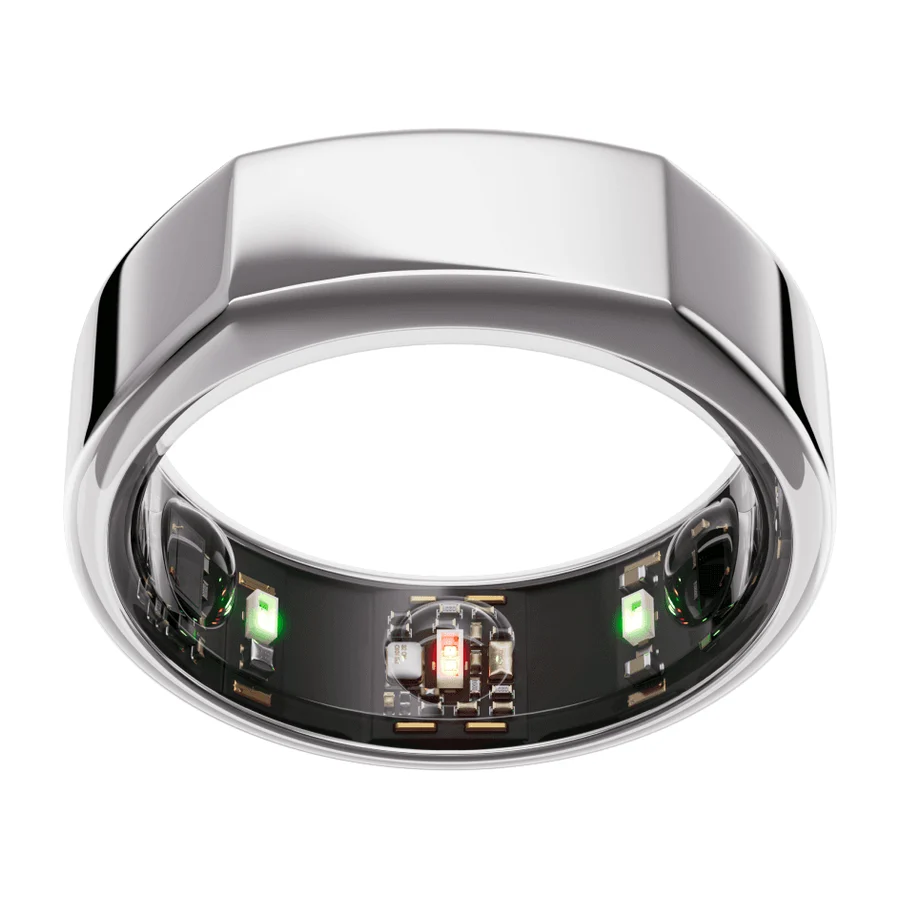 Oura Oura Ring 3 | 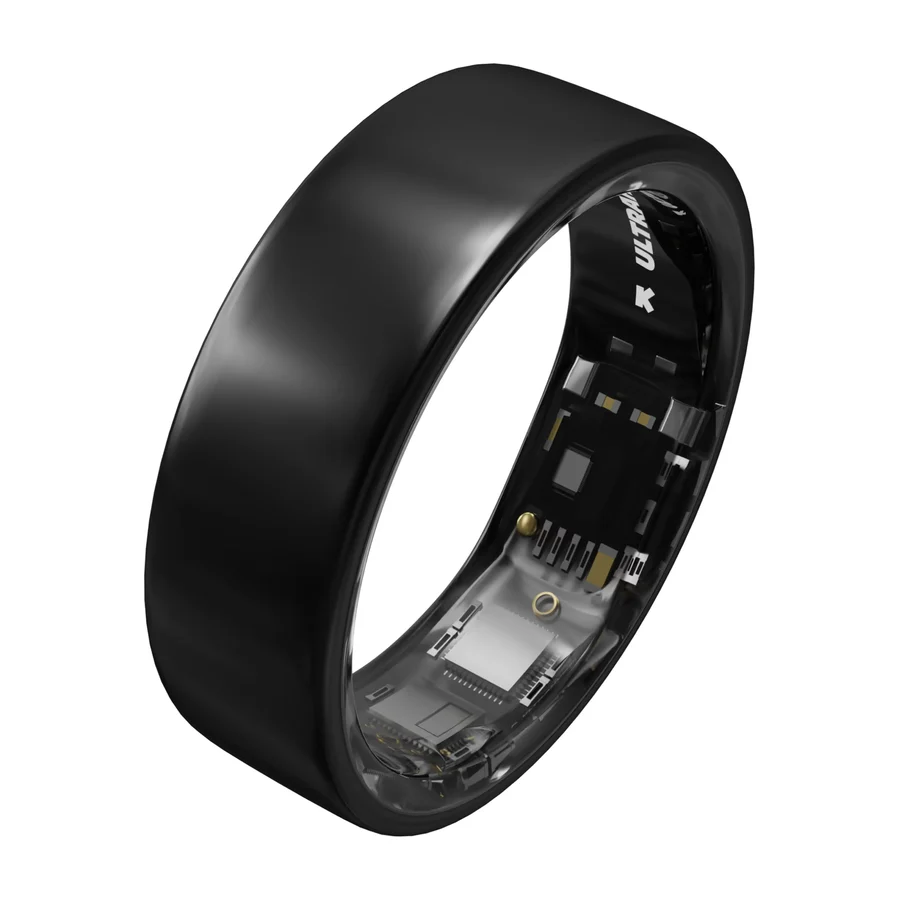 Ultrahuman Ultrahuman Ring Pro | 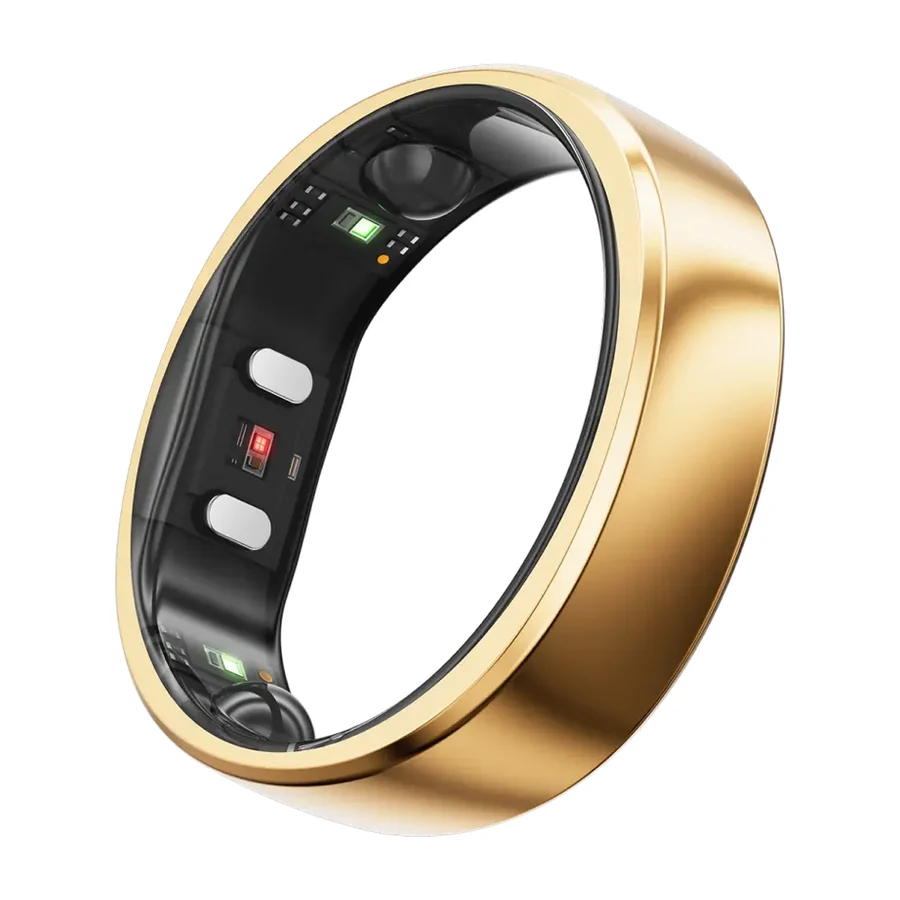 RingConn RingConn Gen 1 |
|---|---|---|---|---|---|---|---|---|---|
| Tier | S | A | B | B | D | D | D | F | F |
| Rank on this board | 1 of 9 | 2 of 9 | 3 of 9 | 4 of 9 | 5 of 9 | 6 of 9 | 7 of 9 | 8 of 9 | 9 of 9 |
| Ladder points | 994 LP | 718 LP | 550 LP | 536 LP | 359 LP | 254 LP | 246 LP | 99 LP | 66 LP |
| Our verdict | Remains a popular choice despite criticism of its battery limitations. Praised for improvements in sleep tracking and new health insights, maintaining a strong position due to brand recognition and feature set. | Still the benchmark for sleep and recovery tracking. Battery lasts 7-8 days. Long-term user reports show only minor capacity loss after a year. | Its presence on a top-5 list demonstrates some level of community approval, although less enthusiastic than for the Gen 3 model. | Latest model adds a larger display, improved battery (~10 days), and better integration with Android health services. Samsung’s service network is global. Firmware updates are frequent and stable. | Ultra-light (2 mm) design, up to ten days of battery life, and a robust sensor suite. Long-term Reddit threads report no major hardware failures after 18 months. | Slightly thicker than the Air but offers a larger battery (~10 days) and more robust build. Long-term user reports show no major failures after two years. | Older but still reliable for sleep and heart-rate monitoring. Battery life is around six days. Long-term reviews show consistent performance after 18 months. | The comparison against the Oura Ring 5 demonstrates competitive performance and suggests it offers a viable alternative with similar functionality. | The original model still performs well for basic sleep and activity tracking. Battery lasts about six days. No widespread failure reports after a year. |
| What reviewers rate |
|
|
|
|
|
|
|
|
|
| Where it falls short |
|
|
|
|
|
|
|
|
|
| Evidence behind it | 79 sources across 66 outlets | 66 sources across 57 outlets | 12 sources across 11 outlets | 60 sources across 55 outlets | 1 source across 1 outlet Thin sourcing, read it as provisional | 70 sources across 51 outlets | 10 sources across 8 outlets | 32 sources across 28 outlets | 1 source across 1 outlet Thin sourcing, read it as provisional |
| Flagged as one to avoid | Not flagged | Not flagged | Not flagged | 5 of 6 research runs | 1 of 6 research runs | 3 of 6 research runs | 4 of 5 research runs | 4 of 5 research runs | 2 of 5 research runs |
| Announced | Not recorded | Not recorded | Not recorded | Not recorded | Not recorded | Not recorded | Not recorded | Not recorded | Not recorded |
| Where to buy | Check it | Check it | Check it | Check it | Check it | Check it | Check it | Check it | Check it |
Every column is the same research that built the board. Nothing here is a specification sheet copied from a maker. Read how we rank for what a tier and a ladder point mean.