Best French Presses
11 products ranked across 58 cited reviews, videos and discussions · Updated 18 Oct 2026
On the stierproducts french presses board, Espro P3 French Press Coffee Maker ranks #1 in S tier, ahead of Espro P7 French Press Coffee Maker (#2, S tier) and Frieling French Press (Stainless Steel) (#3, S tier). The board ranks 11 french presses from S (best) to F (avoid), last researched 18 Oct 2026, drawing on 58 cited reviews, videos and discussions. Placed in the bottom tiers as ones to avoid: YETI French Press (32 oz), Bodum Brazil French Press (32 oz) and Bodum Chambord French Press - Commercial-Grade (51 oz).
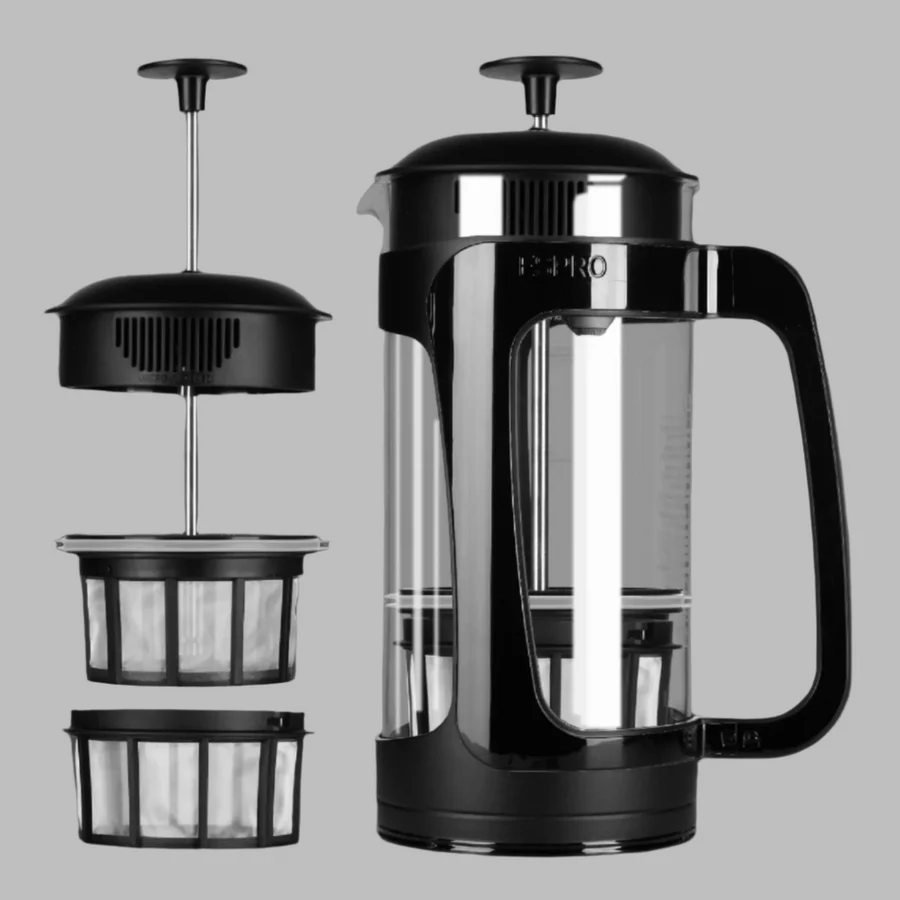 #1
#1 Espro P3 French Press Coffee Maker
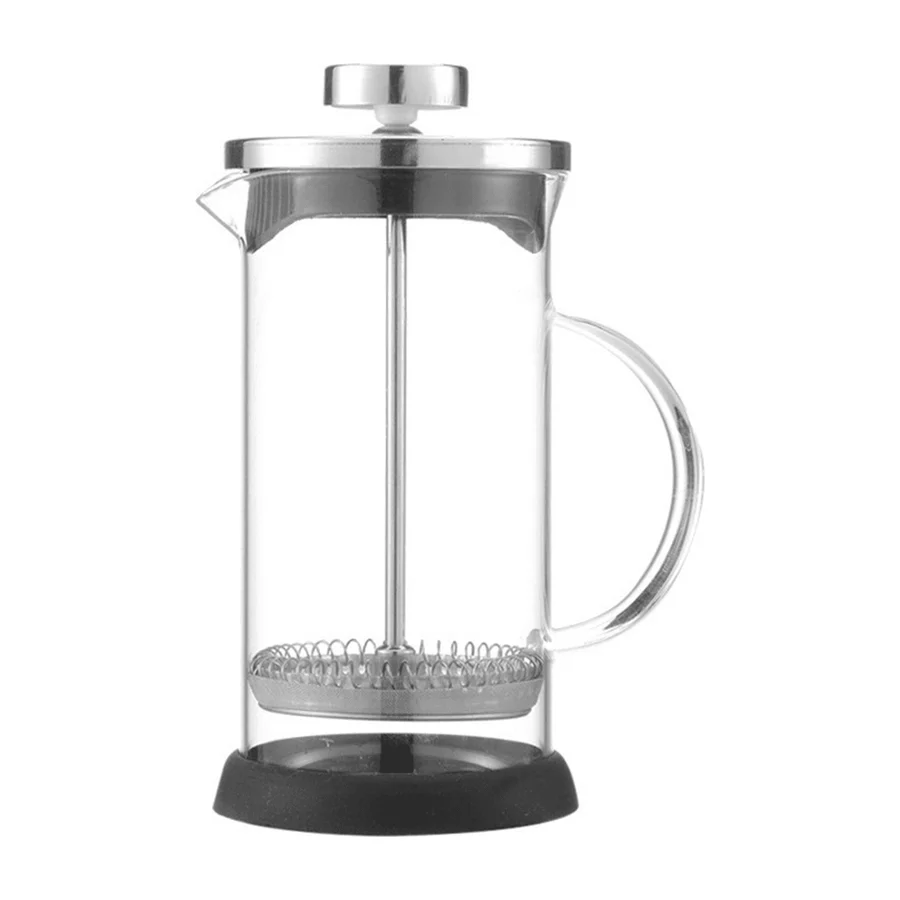 #2 3 of 18 research runs entered this as a product to avoid rather than a pick.
 Espro P7 French Press Coffee Maker
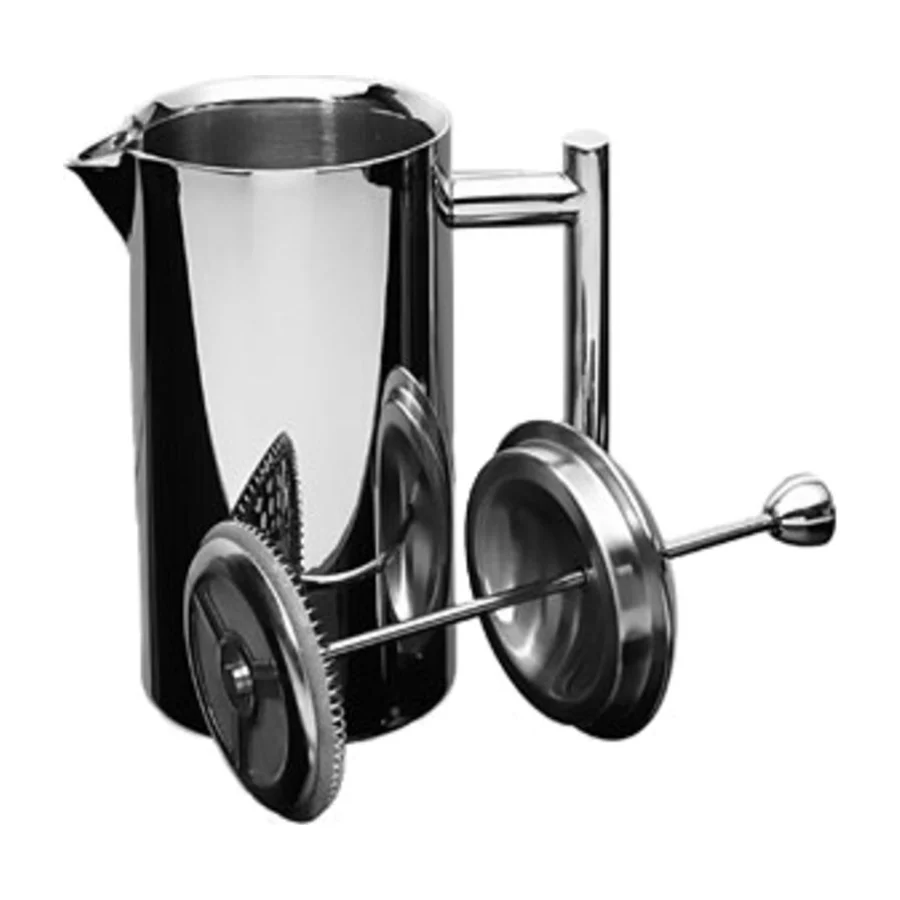 Moved up from B to A on 7 Aug 2026 #3 1 of 18 research runs entered this as a product to avoid rather than a pick.
 Frieling French Press (Stainless Steel)
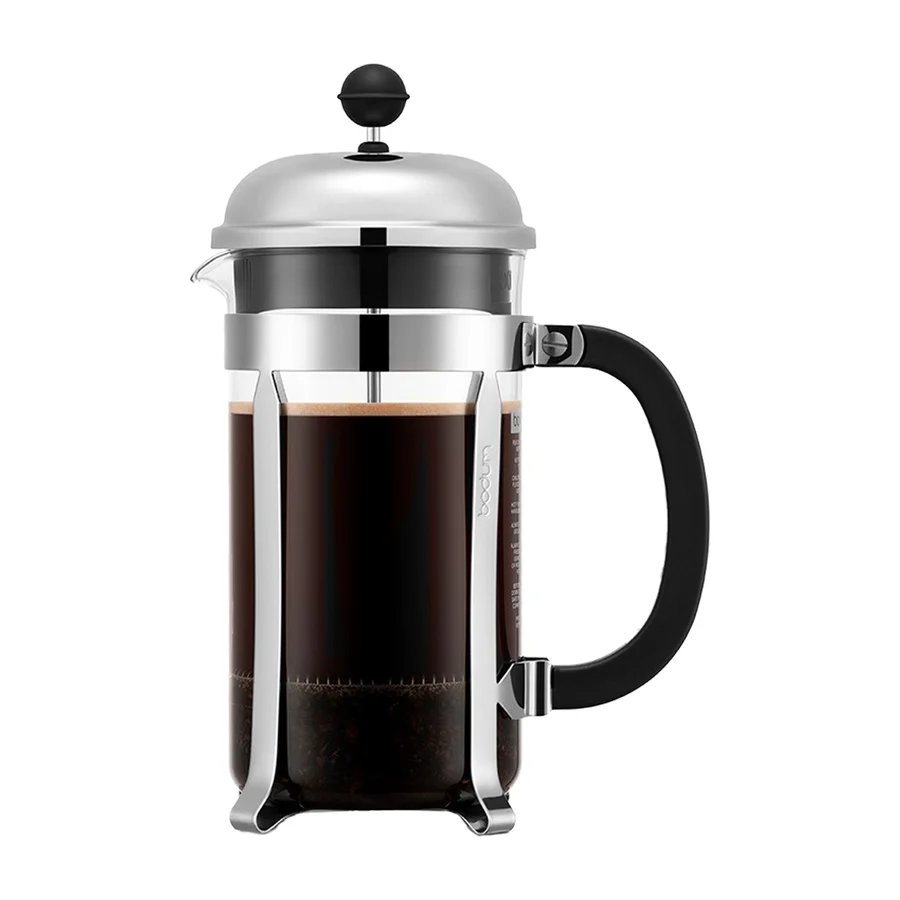
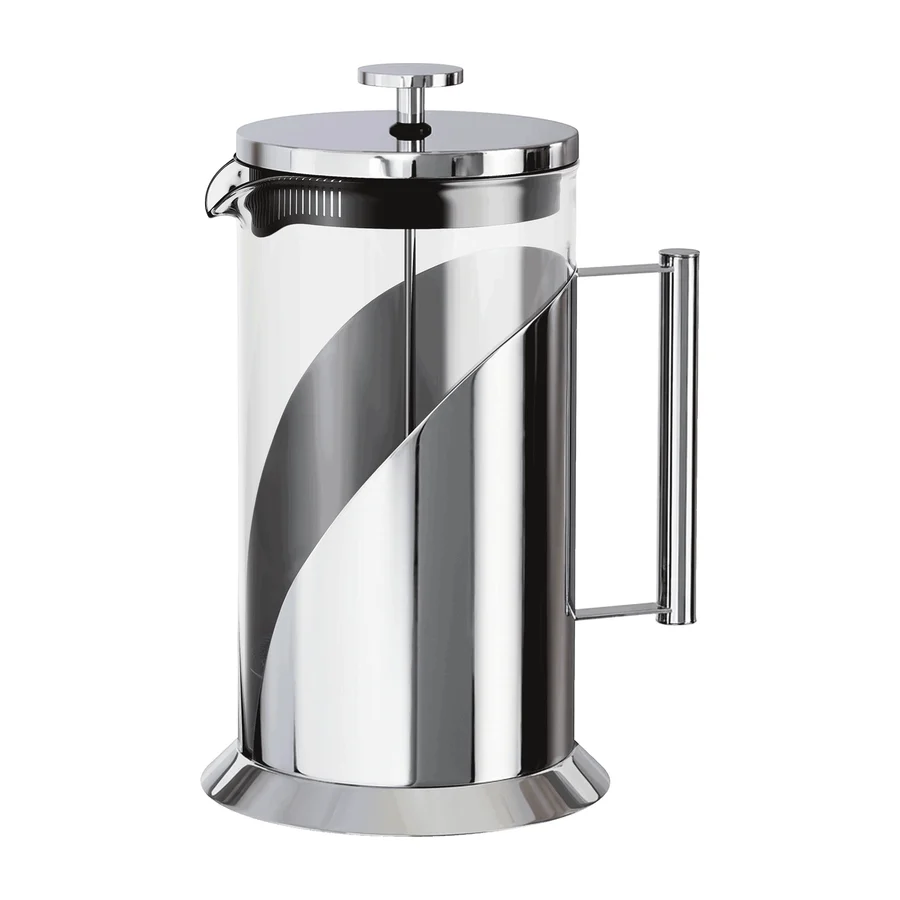
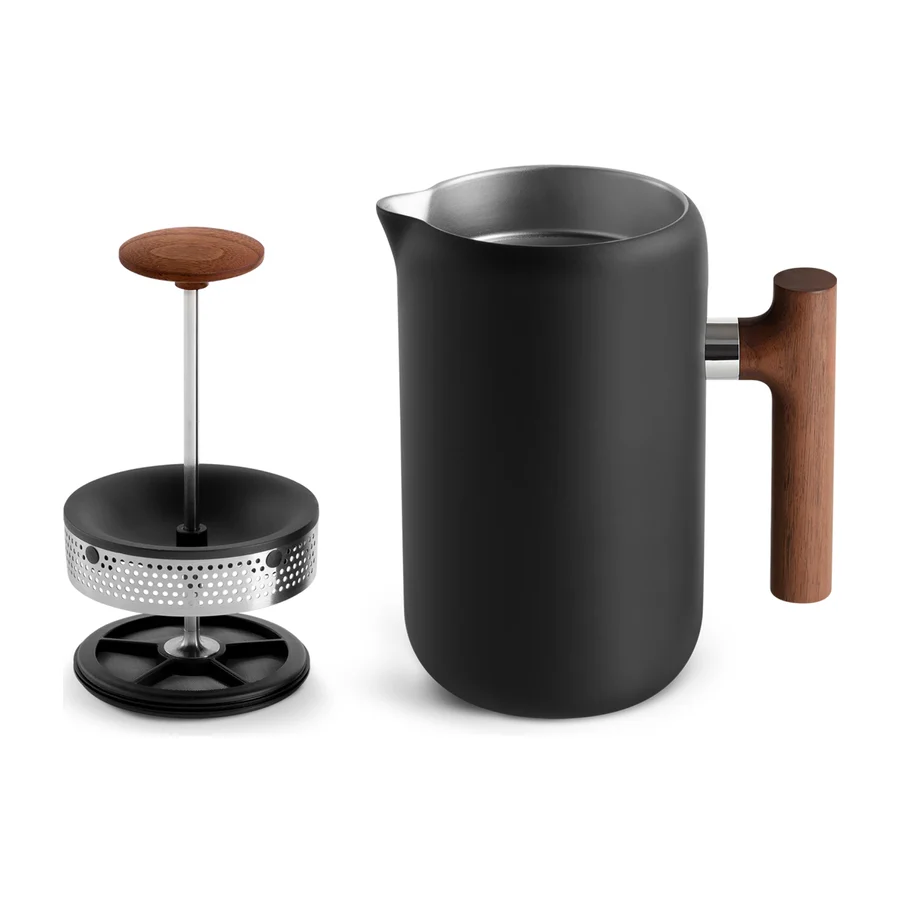
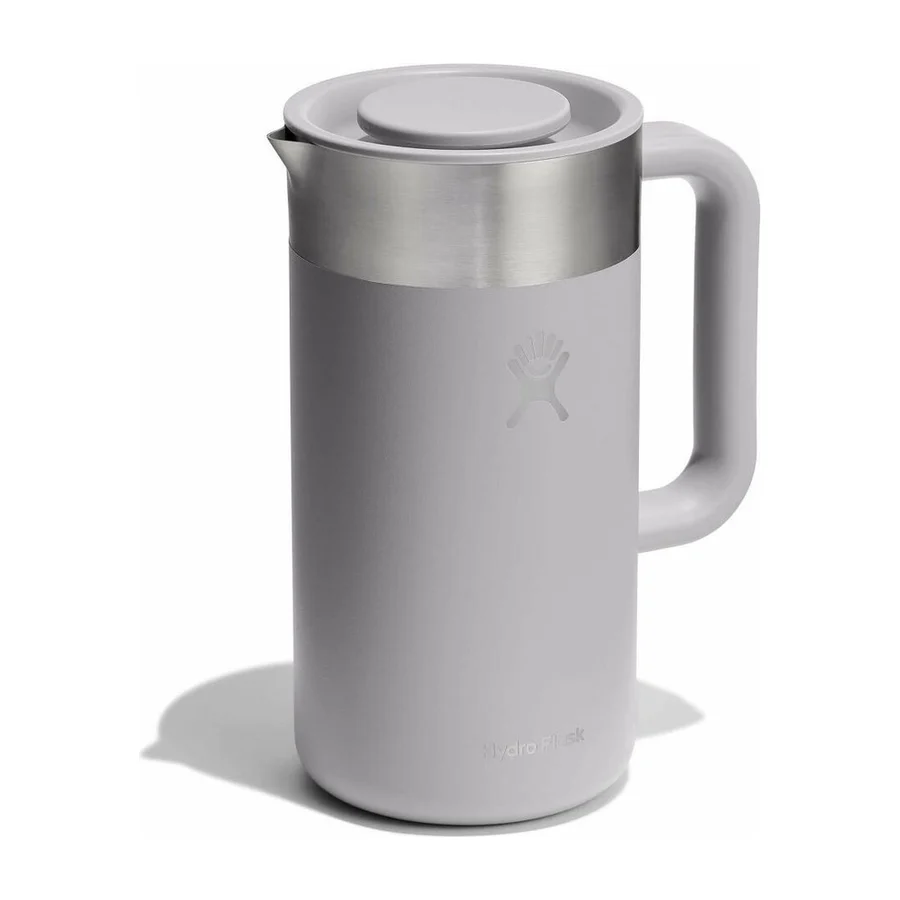
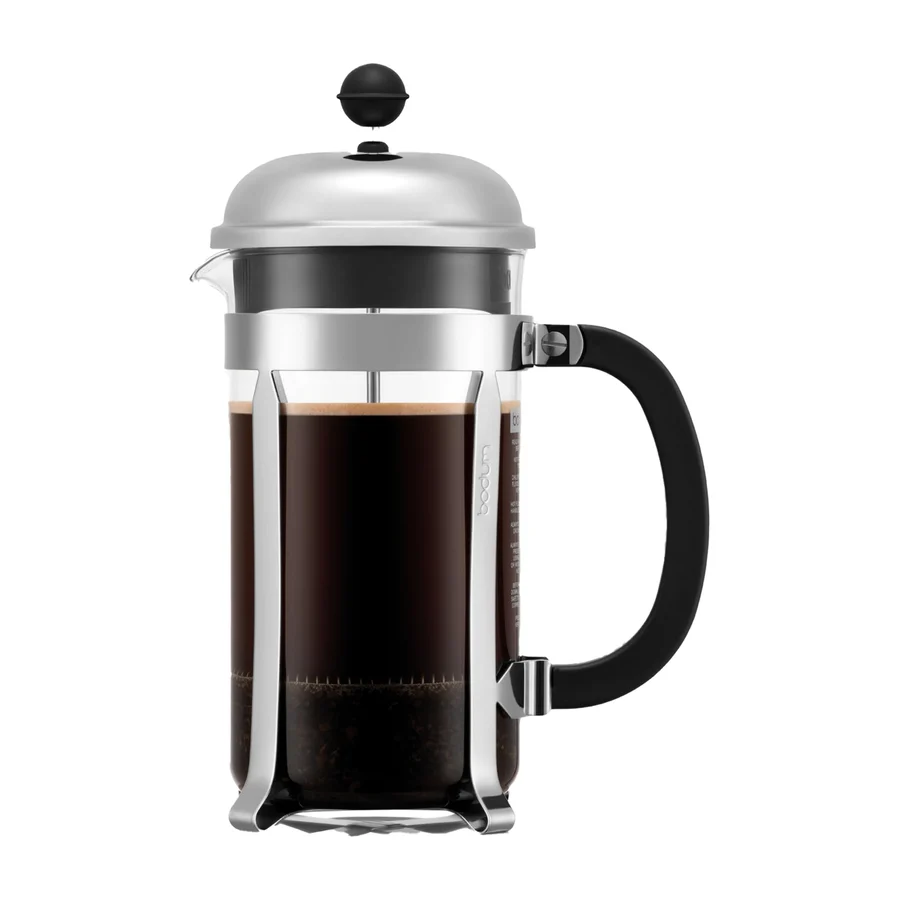
 Moved up from D to C on 7 Aug 2026 #9 8 of 19 research runs entered this as a product to avoid rather than a pick.
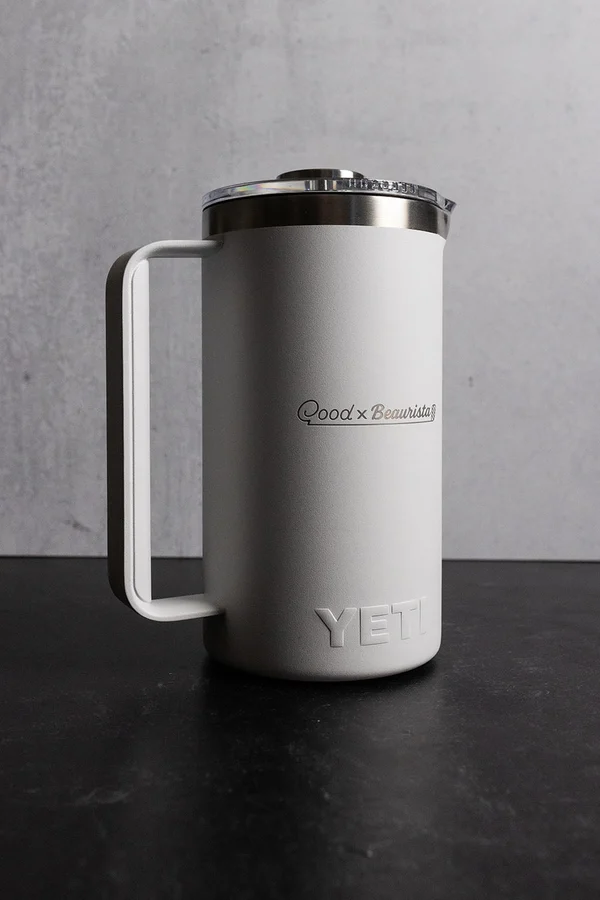
 YETI French Press (32 oz)
 #10 13 of 18 research runs entered this as a product to avoid rather than a pick.
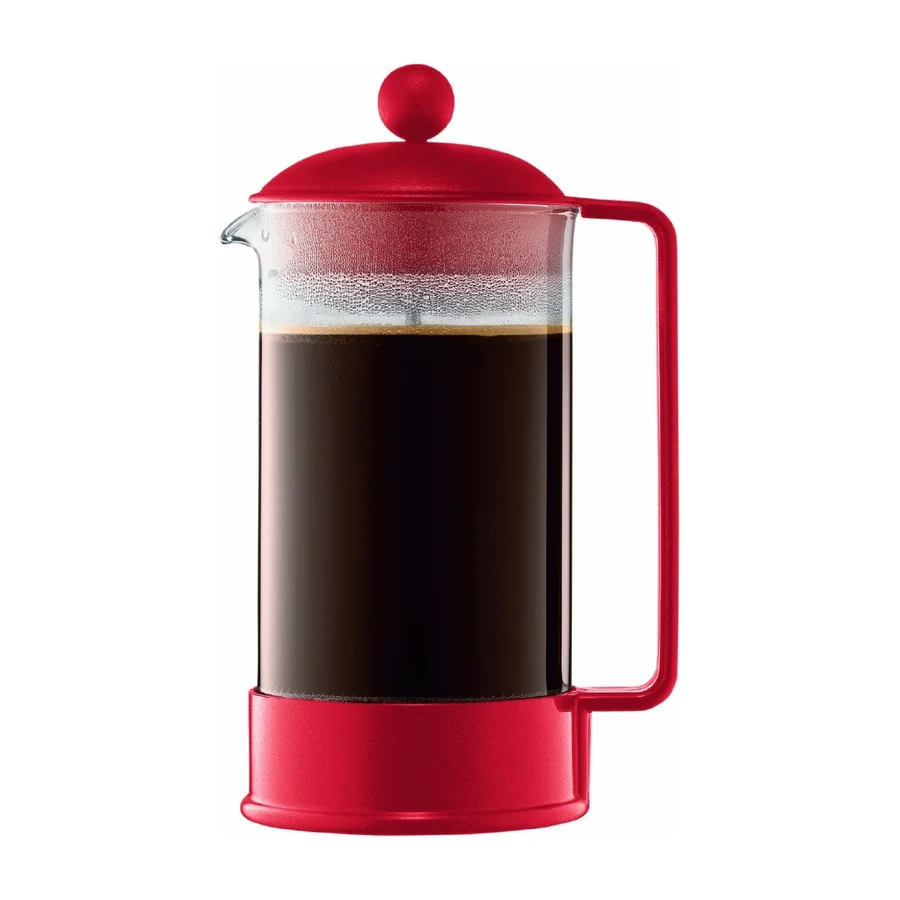
 Bodum Brazil French Press (32 oz)
 #11 4 of 9 research runs entered this as a product to avoid rather than a pick.
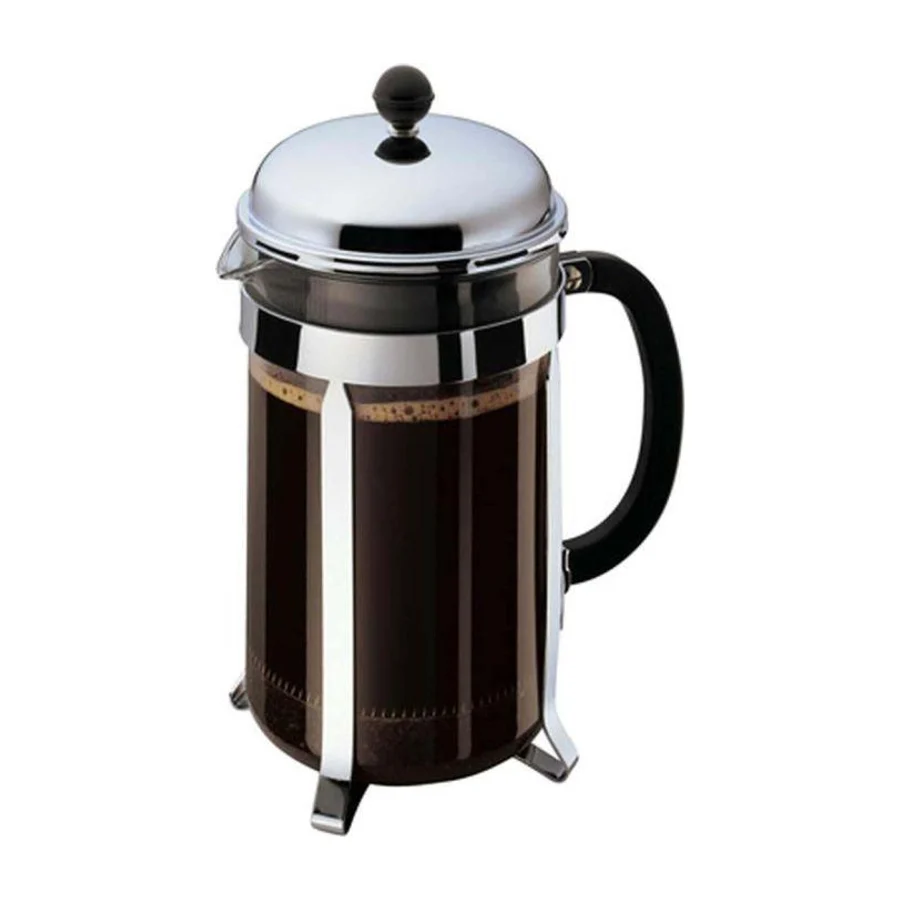
 Bodum Chambord French Press - Commercial-Grade (51 oz)
What moved on this board
7 tier changes recorded between 28 Jul 2026 and 14 Sept 2026. The 5 most recent are below.
- 7 Aug 2026 Secura 34-oz French Press moved up from D to C. 1 more research game. 1 source added.
- 7 Aug 2026 Yeti French Press (32 oz) moved up from D to C. 1 more research game. 1 source added.
- 7 Aug 2026 Frieling French Press (Stainless Steel) moved up from B to A. From the ranking, not from new evidence.
- 30 Jul 2026 Secura 34-oz French Press moved down from C to D. 3 more research games.
- 30 Jul 2026 Frieling French Press (Stainless Steel) moved down from A to B. From the ranking, not from new evidence.
Each line shows what else changed at the same publish. It is not a statement of cause.
Frequently asked questions
Espro P3 French Press Coffee Maker sits at #1 in the S tier of our consolidated board, ranked across independent research runs over 58 cited reviews, videos and discussions. Ranked #3 as the best glass press, offering clean coffee with fine filtration, but its glass carafe introduces a breakage risk that stainless models avoid.
Espro P7 French Press Coffee Maker ranks #2 (S tier). Ranked #1 for its all-stainless body, superior double micro-filter, and long-term parts availability, making it the safest long-term ownership choice.
Our research places YETI French Press (32 oz), Bodum Brazil French Press (32 oz), Bodum Chambord French Press - Commercial-Grade (51 oz) in the bottom tiers (D/F). YETI French Press (32 oz): Ranked #11 as a durable insulated press, but its standard mesh filter and premium price reduce its value compared to similar stainless options.
More in Kitchen
Cite this board as stierproducts, “Best French Presses”, 18 Oct 2026. Free to quote with attribution and a link (terms).
Machine-readable: markdown · JSON · how we rank
Embed this board on your own site. The frame links back here, which is the attribution the terms ask for:
<iframe src="https://stierproducts.com/embed/french-presses" title="Best French Presses, ranked by stierproducts" width="100%" height="400" loading="lazy" style="border:0"></iframe>